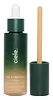
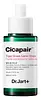
ciele. Tint & Protect SPF 50+ Tinted Serum Versus Dr. Jart+ Cicapair Tiger Grass Camo Drops Color Corrector SPF 35
This sunscreen offers SPF 35 protection with a matte finish that helps control shine.


What's inside
What's inside
 Key Ingredients
Benefits
Concerns
Ingredients Side-by-side
Zinc Oxide 12%
Cosmetic Colorant


Water
Skin ConditioningC12-15 Alkyl Benzoate
AntimicrobialButyloctyl Salicylate
Skin Conditioning
Lauryl PEG-8 Dimethicone
Surfactant
Titanium Dioxide
Cosmetic Colorant
CI 77891
Cosmetic ColorantIsododecane
EmollientPropanediol
Solvent

Iron Oxides
CI 77492
Cosmetic ColorantDimethicone
Emollient
Niacinamide
Smoothing








Polymethylsilsesquioxane
Isohexadecane
EmollientTrilaureth-4 Phosphate
EmulsifyingDimethiconol
Emollient
Caprylyl Methicone
Skin Conditioning
Mica
Cosmetic ColorantOctyldodecyl Neopentanoate
EmollientLauryl PEG-10 Tris(Trimethylsiloxy)Silylethyl Dimethicone
Emulsifying
Sodium Chloride
MaskingPhenoxyethanol
Preservative
Bisabolol
Antioxidant
CI 77491
Cosmetic ColorantDisteardimonium Hectorite
StabilisingCI 77499
Cosmetic ColorantCaprylyl Glycol
Emollient
Allantoin
Skin Conditioning
Polyglyceryl-4 Diisostearate/Polyhydroxystearate/Sebacate
Emulsifying

Aluminum Hydroxide
EmollientHydrogenated Lecithin
Emulsifying
Ethylhexylglycerin
Skin ConditioningHexylene Glycol
EmulsifyingPropylene Carbonate
SolventPEG-10
HumectantZinc Oxide 12%, Water, C12-15 Alkyl Benzoate, Butyloctyl Salicylate, Lauryl PEG-8 Dimethicone, Titanium Dioxide, CI 77891, Isododecane, Propanediol, Iron Oxides, CI 77492, Dimethicone, Niacinamide, Polymethylsilsesquioxane, Isohexadecane, Trilaureth-4 Phosphate, Dimethiconol, Caprylyl Methicone, Mica, Octyldodecyl Neopentanoate, Lauryl PEG-10 Tris(Trimethylsiloxy)Silylethyl Dimethicone, Sodium Chloride, Phenoxyethanol, Bisabolol, CI 77491, Disteardimonium Hectorite, CI 77499, Caprylyl Glycol, Allantoin, Polyglyceryl-4 Diisostearate/Polyhydroxystearate/Sebacate, Aluminum Hydroxide, Hydrogenated Lecithin, Ethylhexylglycerin, Hexylene Glycol, Propylene Carbonate, PEG-10
Water
Skin ConditioningCyclopentasiloxane
Emollient
Isononyl Isononanoate
EmollientPentaerythrityl Tetraisostearate
Emollient
Butyloctyl Salicylate
Skin Conditioning
Methyl Trimethicone
Skin Conditioning
Isododecane
EmollientDipropylene Glycol
HumectantDiphenylsiloxy Phenyl Trimethicone
Skin Conditioning
Lauryl PEG-10 Tris(Trimethylsiloxy)Silylethyl Dimethicone
Emulsifying
Methyl Methacrylate Crosspolymer
Acrylates/Dimethicone Copolymer
Skin Conditioning
Niacinamide
Smoothing
Polymethylsilsesquioxane
Disteardimonium Hectorite
StabilisingPolyglyceryl-4 Isostearate
Emulsifying
Magnesium Sulfate
Dipentaerythrityl Hexahydroxystearate/Hexastearate/Hexarosinate
Skin ConditioningCera Alba
Emollient


1,2-Hexanediol
Skin Conditioning
Triethoxycaprylylsilane
Centella Asiatica Extract
Cleansing
Caprylyl Glycol
Emollient
Synthetic Fluorphlogopite
Glyceryl Caprylate
EmollientZein
Skin ConditioningEthylhexylglycerin
Skin ConditioningSilica Dimethyl Silylate
EmollientAluminum Hydroxide
EmollientAdenosine
Skin Conditioning
Lavandula Angustifolia Oil
Masking




Zea Mays Starch
Absorbent
Citrus Paradisi Peel Oil
Masking
Hydrogenated Lecithin
Emulsifying
Rosmarinus Officinalis Leaf Oil
Masking
Caprylic/Capric Triglyceride
Masking
Helianthus Annuus Seed Oil
Emollient
Sodium Chloride
MaskingDipotassium Phosphate
BufferingCalcium Stearate
Cosmetic ColorantGossypium Herbaceum Seed Oil
Skin Conditioning
Anthemis Nobilis Flower Oil
Masking
Panthenol
Skin Conditioning
Butylene Glycol
Humectant
Anastatica Hierochuntica Extract
AstringentHouttuynia Cordata Extract
Skin Conditioning
Aniba Rosaeodora Wood Oil
Astringent
Citral
Perfuming
Pentylene Glycol
Skin Conditioning
Zinc Gluconate
Skin Conditioning
Magnesium Aspartate
Skin ConditioningLecithin
Emollient
Glycerin
Humectant
Brassica Campestris Sterols
EmollientAlcohol
Antimicrobial
Sucrose Laurate
Emollient
Polyglyceryl-2 Caprate
EmulsifyingLeuconostoc/Radish Root Ferment Filtrate
Antimicrobial
Arnica Montana Flower Extract
Masking
Centella Asiatica Leaf Extract
Skin Conditioning
Fragaria Vesca Fruit Extract
AstringentCopper Gluconate
Skin Conditioning
Lysolecithin
EmulsifyingCeramide NP
Skin Conditioning
Limonene
Perfuming
Linalool
Perfuming
Caprylhydroxamic Acid
ChelatingMadecassoside
Antioxidant
Tocopherol
Antioxidant
Sodium Ascorbyl Phosphate
Antioxidant
Phenoxyethanol
Preservative
CI 77891
Cosmetic ColorantCI 77491
Cosmetic ColorantCI 77492
Cosmetic ColorantCI 77288
Cosmetic ColorantWater, Cyclopentasiloxane, Isononyl Isononanoate, Pentaerythrityl Tetraisostearate, Butyloctyl Salicylate, Methyl Trimethicone, Isododecane, Dipropylene Glycol, Diphenylsiloxy Phenyl Trimethicone, Lauryl PEG-10 Tris(Trimethylsiloxy)Silylethyl Dimethicone, Methyl Methacrylate Crosspolymer, Acrylates/Dimethicone Copolymer, Niacinamide, Polymethylsilsesquioxane, Disteardimonium Hectorite, Polyglyceryl-4 Isostearate, Magnesium Sulfate, Dipentaerythrityl Hexahydroxystearate/Hexastearate/Hexarosinate, Cera Alba, 1,2-Hexanediol, Triethoxycaprylylsilane, Centella Asiatica Extract, Caprylyl Glycol, Synthetic Fluorphlogopite, Glyceryl Caprylate, Zein, Ethylhexylglycerin, Silica Dimethyl Silylate, Aluminum Hydroxide, Adenosine, Lavandula Angustifolia Oil, Zea Mays Starch, Citrus Paradisi Peel Oil, Hydrogenated Lecithin, Rosmarinus Officinalis Leaf Oil, Caprylic/Capric Triglyceride, Helianthus Annuus Seed Oil, Sodium Chloride, Dipotassium Phosphate, Calcium Stearate, Gossypium Herbaceum Seed Oil, Anthemis Nobilis Flower Oil, Panthenol, Butylene Glycol, Anastatica Hierochuntica Extract, Houttuynia Cordata Extract, Aniba Rosaeodora Wood Oil, Citral, Pentylene Glycol, Zinc Gluconate, Magnesium Aspartate, Lecithin, Glycerin, Brassica Campestris Sterols, Alcohol, Sucrose Laurate, Polyglyceryl-2 Caprate, Leuconostoc/Radish Root Ferment Filtrate, Arnica Montana Flower Extract, Centella Asiatica Leaf Extract, Fragaria Vesca Fruit Extract, Copper Gluconate, Lysolecithin, Ceramide NP, Limonene, Linalool, Caprylhydroxamic Acid, Madecassoside, Tocopherol, Sodium Ascorbyl Phosphate, Phenoxyethanol, CI 77891, CI 77491, CI 77492, CI 77288
Reviews
Ingredients Explained
These ingredients are found in both products.
Ingredients higher up in an ingredient list are typically present in a larger amount.
Aluminum Hydroxide is a form of aluminum. It can be naturally found in nature as the mineral gibbsite. In cosmetics, Aluminum Hydroxide is used as a colorant, pH adjuster, and absorbent.
As a colorant, Aluminum Hydroxide may add opacity, or reduce the transparency. Aluminum hydroxide is contains both basic and acidic properties.
According to manufacturers, this ingredient is an emollient and humectant. This means it helps hydrate the skin.
In medicine, this ingredient is used to help relieve heartburn and help heal ulcers.
There is currently no credible scientific evidence linking aluminum hydroxide in cosmetics to increased cancer risk.
Major health organizations allow the use of aluminum hydroxide in personal care products and have not flagged it as a carcinogenic risk at typical usage levels.
Learn more about Aluminum HydroxideButyloctyl Salicylate is a chemical UV filter structurally similar to octisalate. It is a photostabilizer, SPF booster, emollient and solvent. This ingredient helps evenly spread out ingredients.
According to a manufacturer, it is suitable for pairing with micro Titanium Dioxide, Zinc Oxide, and pigments.
Photostabilizers help stabilize UV-filters and prevents them from degrading quickly.
Learn more about Butyloctyl SalicylateCaprylyl Glycol is a humectant, skin conditioner, emollient, and preservative booster derived from either caprylic acid or synthetically created.
Typical use levels vary from 0.3-1% as a preservative booster and go up to 2% to condition skin.
Because it is not a free-fatty acid, this ingredient is fungal acne safe (there's nothing for Malassezia to feed on).
Learn more about Caprylyl GlycolCi 77491 is also hydrated iron III oxide. It's sole purpose is to give a red/pink hue to products.
Iron III oxides are classified as inorganic chemicals for coloring.
Synthetically created Ci 77491 is considered safer than those naturally found. This is because the synthetically created version may contain less impurities. Iron oxides are generally non-toxic and non-allergenic.
Learn more about CI 77491CI 77492 is also hydrated iron III oxide. It's sole purpose is to give a yellow hue to products.
Iron III oxides are classified as inorganic chemicals for coloring.
Synthetically created CI 77492 is considered safer than those naturally found. This is because the synthetically created version may contain less impurities. Iron oxides are generally non-toxic and non-allergenic.
Learn more about CI 77492Ci 77891 is a white pigment from Titanium dioxide. It is naturally found in minerals such as rutile and ilmenite.
It's main function is to add a white color to cosmetics. It can also be mixed with other colors to create different shades.
Ci 77891 is commonly found in sunscreens due to its ability to block UV rays.
Learn more about CI 77891Disteardimonium Hectorite comes from the clay mineral named hectorite. It is used to add thickness to a product.
It can also help stabilize a product by helping to disperse other ingredients.
Hectorite is a rare, white clay mineral.
Learn more about Disteardimonium HectoriteEthylhexylglycerin is created from glycerin. It is a multitasker ingredient that:
The CIR Expert Panel found minimal skin absorption or sensitization of any kind in a safety assessment. Though this ingredient is considered well-tolerated, a small number of cases of allergic dermatitis have been published since 2002. Just be sure to patch test if you are unsure.
Industry-reported use ranges from 8% in rinse-off products and 2% in leave-on formulations.
Learn more about EthylhexylglycerinHydrogenated Lecithin is a more stable version of lecithin.
It's made by taking lecithin (a phospholipid commonly found in soybeans and egg yolks) and hydrogenating it. This just means the unsaturated fatty acids are turned into saturated ones so they don't go bad as easily.
This ingredient is an emollient, emulsifier, and penetration enhancer. As an emollient, it helps soften and hydrate skin by trapping moisture within. As an emulsifier, it prevents oil and water ingredients from separating.
Hydrogenated Lecithin can form tiny spherical structures made of phospholipid bilayers called liposomes. These liposomes are able to capture compounds inside their structure and deliver them through the skin barrier.
Because phospholipids are a natural component of our cell membranes, this ingredient is inherently compatible with skin.
A 2021 study found lecithin-based surfactants were less harsh and more tolerable comared to Sodium Lauryl Sulfate (SLS).
Learn more about Hydrogenated LecithinIsododecane is a fragrance, emollient, and solvent.
As an emollient, it helps your skin stay soft and hydrated. Emollients help trap moisture into your skin.
Isododecane's role as a solvent makes it a great texture enhancer. It spreads smoothly on skin and does not leave a sticky feeling behind. Isododecane also helps prevent color transfer in makeup products.
Isododecane is not absorbed into skin.
The chemical name for this ingredient is 2,2,4,6,6-PENTAMETHYLHEPTANE.
Learn more about IsododecaneLauryl PEG-10 Tris(Trimethylsiloxy)Silylethyl Dimethicone is a type of silicone.
Niacinamide is a multitasking form of vitamin B3 that strengthens the skin barrier, reduces pores and dark spots, regulates oil, and improves signs of aging.
And the best part? It's gentle and well-tolerated by most skin types, including sensitive and reactive skin.
You might have heard of "niacin flush", or the reddening of skin that causes itchiness. Niacinamide has not been found to cause this.
In very rare cases, some individuals may not be able to tolerate niacinamide at all or experience an allergic reaction to it.
If you are experiencing flaking, irritation, and dryness with this ingredient, be sure to double check all your products as this ingredient can be found in all categories of skincare.
When incorporating niacinamide into your routine, look out for concentration amounts. Typically, 5% niacinamide provides benefits such as fading dark spots. However, if you have sensitive skin, it is better to begin with a smaller concentration.
When you apply niacinamide to your skin, your body converts it into nicotinamide adenine dinucleotide (NAD). NAD is an essential coenzyme that is already found in your cells as "fuel" and powers countless biological processes.
In your skin, NAD helps repair cell damage, produce new healthy cells, support collagen production, strengthen the skin barrier, and fight environmental stressors (like UV and pollution).
Our natural NAD levels start to decline with age, leading to slower skin repair, visible aging, and a weaker skin barrier. By providing your skin niacinamide, you're recharging your skin's NAD levels. This leads to stronger, healthier, and younger looking skin.
Another name for vitamin B3 is nicotinamide. This vitamin is water-soluble and our bodies don't store it. We obtain Vitamin B3 from either food or skincare. Meat, fish, wheat, yeast, and leafy greens contain vitamin B3.
The type of niacinamide used in skincare is synthetically created.
Learn more about NiacinamidePhenoxyethanol is one of the most widely used preservatives in skincare (and for good reason!).
It has a large spectrum of antimicrobial activity and especially effective bacteria, yeast, and mold while only having a weak effect on your skin's natural microbiome.
On a cellular level, it disrupts the cell membranes of microbes by poking holes that make the cell leak. This shuts down the chemical reactions the microbe needs to make energy so it can no longer survive.
Another perk of this ingredient is that it stays functional across a wide pH range (3-10).
You'll often see it paired with boosters like Ethylhexylglycerin; one study showed that a 1:9 ratio of Ethylhexylglycerin to Phenoxyethanol damages bacterial membranes as effectively as doubling the Phenoxyethanol concentration on its own.
Typical use concentrations range from 0.3-1% depending on the formula, and this ingredient is capped at 1% int the EU.
Safety-wise, the fear mongering does not hold up to the evidence. The EU's Scientific Committee on Consumer Safety and FDA consider it safe as a preservative at up to 1%, including for children of all ages.
Adverse systemic effects only showed up in animal studies at exposures roughly 200x higher than what people get from cosmetics. And despite its very widespread use, this ingredient is a rare sensitizer and allergic reactions are uncommon.
Learn more about PhenoxyethanolPolymethylsilsesquioxane is a silicone used as a film forming agent.
When applied to the skin, this ingredient creates an invisible film on the surface. This film still allows oxygen to pass through, but prevents moisture from escaping. This can help condition and hydrate the skin. It also leaves a silky feel when applied.
Polymethylsilsesquioxane has not been shown to clog pores. It has been deemed safe to use up to 55%, but most cosmetics use much less.
If you have concerns about using this ingredient, we recommend speaking with a professional.
Learn more about PolymethylsilsesquioxaneChances are, you eat sodium chloride every day. Sodium Chloride is also known as table salt. This ingredient has many purposes in skincare: thickener, emulsifier, and exfoliator.
You'll most likely find this ingredient in cleansers where it is used to create a gel-like texture. As an emulsifier, it also prevents ingredients from separating.
You might see people debate whether Sodium Chloride is comedogenic, but there actually haven't been any comedogenic tests done on it. Either way, the overall formulation of a product matters a lot more than any single ingredient.
You might see this ingredient used in scrubs as a primary exfoliating ingredient.
Learn more about Sodium ChlorideWater. It's the most common cosmetic ingredient of all. You'll usually see it at the top of ingredient lists, meaning that it makes up the largest part of the product.
So why is it so popular? Water most often acts as a solvent - this means that it helps dissolve other ingredients into the formulation.
You'll also recognize water as that liquid we all need to stay alive. If you see this, drink a glass of water. Remember to stay hydrated!
Learn more about Water

