
What's inside
What's inside
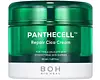 Key Ingredients
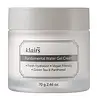
Benefits
Concerns
Ingredients Side-by-side
Centella Asiatica Extract 75.5%
Cleansing



Panthenol 5%
Skin Conditioning

Propanediol
Solvent
Pentaerythrityl Tetraethylhexanoate
Emollient
Glycerin
Humectant
Butylene Glycol
Humectant
Ethylhexyl Stearate
Emollient

Water
Skin ConditioningCentella Asiatica Leaf Extract
Skin Conditioning
Madecassoside
Antioxidant
Beta-Sitosterol
Emulsion Stabilising
Asiaticoside
Antioxidant
Acetyl Hexapeptide-8
Humectant
Ascorbic Acid Polypeptide
Antioxidant


Acetyl Octapeptide-3
Humectant
Acetyl Tetrapeptide-2
Skin Conditioning
Acetyl Tetrapeptide-3
Skin Protecting
Acetyl Tetrapeptide-5
Humectant
Acetyl Tetrapeptide-9
Skin Conditioning
Copper Tripeptide-1
Skin Conditioning
Nonapeptide-1
Skin Conditioning
Palmitoyl Pentapeptide-4
Skin Conditioning
Palmitoyl Tripeptide-1
Skin Conditioning
Palmitoyl Tripeptide-5
Skin Conditioning
Candida Bombicola/Glucose/Methyl Rapeseedate Ferment
AntimicrobialHelianthus Annuus Seed Oil
Emollient
Methyl Methacrylate Crosspolymer
Pentylene Glycol
Skin ConditioningTriethylhexanoin
MaskingDicaprylyl Carbonate
EmollientSodium Polyacryloyldimethyl Taurate
Emulsion Stabilising1,2-Hexanediol
Skin Conditioning
Acrylates/C10-30 Alkyl Acrylate Crosspolymer
Emulsion StabilisingC12-20 Alkyl Glucoside
EmulsifyingDipotassium Glycyrrhizate
Humectant
Allantoin
Skin Conditioning
Ethylhexylglycerin
Skin ConditioningPalmitic Acid
Emollient
Glyceryl Acrylate/Acrylic Acid Copolymer
HumectantHydrogenated Lecithin
Emulsifying
Sodium Phytate
Tromethamine
BufferingGlyceryl Caprylate
EmollientLecithin
Emollient
Escin
TonicDipropylene Glycol
HumectantTocopherol
Antioxidant
Citric Acid
Buffering



Carnosine
Skin Conditioning
C14-22 Alcohols
Emulsion StabilisingCetearyl Alcohol
Emollient
C12-16 Alcohols
EmollientCarbomer
Emulsion StabilisingCentella Asiatica Extract 75.5%, Panthenol 5%, Propanediol, Pentaerythrityl Tetraethylhexanoate, Glycerin, Butylene Glycol, Ethylhexyl Stearate, Water, Centella Asiatica Leaf Extract, Madecassoside, Beta-Sitosterol, Asiaticoside, Acetyl Hexapeptide-8, Ascorbic Acid Polypeptide, Acetyl Octapeptide-3, Acetyl Tetrapeptide-2, Acetyl Tetrapeptide-3, Acetyl Tetrapeptide-5, Acetyl Tetrapeptide-9, Copper Tripeptide-1, Nonapeptide-1, Palmitoyl Pentapeptide-4, Palmitoyl Tripeptide-1, Palmitoyl Tripeptide-5, Candida Bombicola/Glucose/Methyl Rapeseedate Ferment, Helianthus Annuus Seed Oil, Methyl Methacrylate Crosspolymer, Pentylene Glycol, Triethylhexanoin, Dicaprylyl Carbonate, Sodium Polyacryloyldimethyl Taurate, 1,2-Hexanediol, Acrylates/C10-30 Alkyl Acrylate Crosspolymer, C12-20 Alkyl Glucoside, Dipotassium Glycyrrhizate, Allantoin, Ethylhexylglycerin, Palmitic Acid, Glyceryl Acrylate/Acrylic Acid Copolymer, Hydrogenated Lecithin, Sodium Phytate, Tromethamine, Glyceryl Caprylate, Lecithin, Escin, Dipropylene Glycol, Tocopherol, Citric Acid, Carnosine, C14-22 Alcohols, Cetearyl Alcohol, C12-16 Alcohols, Carbomer
Camellia Sinensis Leaf Water
Masking
Butylene Glycol
Humectant
Glycerin
Humectant
Water
Skin ConditioningEthylhexyl Palmitate
Emollient
Cetyl Ethylhexanoate
Emollient1,2-Hexanediol
Skin Conditioning
Pentaerythrityl Tetraethylhexanoate
Emollient
Panthenol
Skin Conditioning
Oryza Sativa Extract
Absorbent
Hibiscus Esculentus Fruit Extract
Skin ConditioningCamellia Sinensis Leaf Extract
Antimicrobial
Laminaria Japonica Extract
Skin Protecting
Artemisia Vulgaris Extract
Skin Conditioning
Centella Asiatica Extract
Cleansing
Rosmarinus Officinalis Leaf Extract
AntimicrobialPhytosphingosine
Skin Conditioning
Caproyl Sphingosine
Skin ConditioningTocopherol
Antioxidant
Glyceryl Glucoside
Humectant
Hydrolyzed Hyaluronic Acid
Humectant
Trehalose
Humectant
Jojoba Esters
Emollient
Helianthus Annuus Seed Oil
Emollient
Hydrolyzed Jojoba Esters
Skin Conditioning
Glyceryl Acrylate/Acrylic Acid Copolymer
HumectantCetyl Alcohol
Emollient
Hydrogenated Lecithin
Emulsifying
Ammonium Acryloyldimethyltaurate/Vp Copolymer
Hydrogenated Polydecene
EmollientEthylhexylglycerin
Skin ConditioningCyclohexasiloxane
Emollient
Camellia Sinensis Leaf Water, Butylene Glycol, Glycerin, Water, Ethylhexyl Palmitate, Cetyl Ethylhexanoate, 1,2-Hexanediol, Pentaerythrityl Tetraethylhexanoate, Panthenol, Oryza Sativa Extract, Hibiscus Esculentus Fruit Extract, Camellia Sinensis Leaf Extract, Laminaria Japonica Extract, Artemisia Vulgaris Extract, Centella Asiatica Extract, Rosmarinus Officinalis Leaf Extract, Phytosphingosine, Caproyl Sphingosine, Tocopherol, Glyceryl Glucoside, Hydrolyzed Hyaluronic Acid, Trehalose, Jojoba Esters, Helianthus Annuus Seed Oil, Hydrolyzed Jojoba Esters, Glyceryl Acrylate/Acrylic Acid Copolymer, Cetyl Alcohol, Hydrogenated Lecithin, Ammonium Acryloyldimethyltaurate/Vp Copolymer, Hydrogenated Polydecene, Ethylhexylglycerin, Cyclohexasiloxane
Reviews
Ingredients Explained
These ingredients are found in both products.
Ingredients higher up in an ingredient list are typically present in a larger amount.
1,2-Hexanediol is a synthetic liquid and another multi-functional powerhouse.
It is a:
- Humectant, drawing moisture into the skin
- Emollient, helping to soften skin
- Solvent, dispersing and stabilizing formulas
- Preservative booster, enhancing the antimicrobial activity of other preservatives
Butylene Glycol (or BG) is used within cosmetic products for a few different reasons:
Overall, Butylene Glycol is a safe and well-rounded ingredient that works well with other ingredients.
Though this ingredient works well with most skin types, some people with sensitive skin may experience a reaction such as allergic rashes, closed comedones, or itchiness.
Learn more about Butylene GlycolCentella Asiatica Extract (Centella) is derived from an herb native to Southeast Asia. It is famous for its anti-inflammatory and soothing properties.
Centella is rich in antioxidants and amino acids, such as Madecassic Acid and Asiaticoside.
Studies show the compounds in centella help with:
The combination of all these properties makes centella effective at soothing, hydrating, and protecting the skin.
Other great components of centella include Vitamin A, vitamin C, several B vitamins, and Asiatic Acid.
Fun fact: Centella has been used as a medicine and in food for many centuries. As a medicine, it is used to treat burns, scratches, and wounds.
Learn more about Centella Asiatica ExtractEthylhexylglycerin (we can't pronounce this either) is commonly used as a preservative and skin softener. It is derived from glyceryl.
You might see Ethylhexylglycerin often paired with other preservatives such as phenoxyethanol. Ethylhexylglycerin has been found to increase the effectiveness of these other preservatives.
Glycerin is already naturally found in your skin. It helps moisturize and protect your skin.
A study from 2016 found glycerin to be more effective as a humectant than AHAs and hyaluronic acid.
As a humectant, it helps the skin stay hydrated by pulling moisture to your skin. The low molecular weight of glycerin allows it to pull moisture into the deeper layers of your skin.
Hydrated skin improves your skin barrier; Your skin barrier helps protect against irritants and bacteria.
Glycerin has also been found to have antimicrobial and antiviral properties. Due to these properties, glycerin is often used in wound and burn treatments.
In cosmetics, glycerin is usually derived from plants such as soybean or palm. However, it can also be sourced from animals, such as tallow or animal fat.
This ingredient is organic, colorless, odorless, and non-toxic.
Glycerin is the name for this ingredient in American English. British English uses Glycerol/Glycerine.
Learn more about GlycerinGlyceryl Acrylate/Acrylic Acid Copolymer is made up of glycerin and polyacrylic acid. It helps hydrate your skin as a humectant.
This ingredient forms a hydrogel that delivers moisturizing, water-based ingredients to the skin. It is also used to thicken a product and to give it a smooth texture.
Acrylic acid itself is toxic, but the polymer form (this ingredient) is too large to penetrate skin, making it non-toxic.
Learn more about Glyceryl Acrylate/Acrylic Acid CopolymerHelianthus Annuus Seed Oil is the oil derived from the seeds of a Sunflower. Sunflower seed oil is non-fragrant. It is an emollient, meaning it helps to soften the skin.
Sunflower seed oil contains many fatty acids. The fatty acids found in sunflower seeds include (from highest amount to least): linoleic acid, myristic acid, palmitic acid, stearic acid, arachidic acid, oleic acid, and linolenic acid.
These fatty acids help the skin create ceramides. Ceramides play a role in repairing the skin barrier.
Helianthus Annuus Seed Oil helps moisturize the skin. This in turn helps the skin look more rejuvenated and smoother.
Sunflowers are rich in vitamin E.
Historians believe Indigenous cultures of North America domesticated sunflowers before corn. Thus they relied on sunflower oil for a variety of uses. One such use is moisturizing skin and hair.
Sunflower seed oil may not be fungal acne safe. We recommend speaking with a professional if you have any concerns.
Learn more about Helianthus Annuus Seed OilHydrogenated Lecithin is created from the hydrogenation of lecithin (a group of phospholipids). Hydrogenation is a chemical reaction between hydrogen and another element.
This ingredient is an emollient and emulsifier. As an emollient, it helps soften skin by trapping moisture within. As an emulsifier, it prevents oil and water ingredients from separating.
Panthenol is a common ingredient that helps hydrate and soothe the skin. It is found naturally in our skin and hair.
There are two forms of panthenol: D and L.
D-panthenol is also known as dexpanthenol. Most cosmetics use dexpanthenol or a mixture of D and L-panthenol.
Panthenol is famous due to its ability to go deeper into the skin's layers. Using this ingredient has numerous pros (and no cons):
Like hyaluronic acid, panthenol is a humectant. Humectants are able to bind and hold large amounts of water to keep skin hydrated.
This ingredient works well for wound healing. It works by increasing tissue in the wound and helps close open wounds.
Once oxidized, panthenol converts to pantothenic acid. Panthothenic acid is found in all living cells.
This ingredient is also referred to as pro-vitamin B5.
Learn more about PanthenolPentaerythrityl Tetraethylhexanoate is an emollient that helps make your skin smooth and hydrated. It specializes in creating a non-oily and "wet" feeling on skin.
This ingredient comes from isostearic acid, a saturated fatty acid. It is a synthetic ingredient.
Tocopherol (also known as Vitamin E) is a common antioxidant used to help protect the skin from free-radicals and strengthen the skin barrier. It's also fat soluble - this means our skin is great at absorbing it.
Vitamin E also helps keep your natural skin lipids healthy. Your lipid skin barrier naturally consists of lipids, ceramides, and fatty acids. Vitamin E offers extra protection for your skin’s lipid barrier, keeping your skin healthy and nourished.
Another benefit is a bit of UV protection. Vitamin E helps reduce the damage caused by UVB rays. (It should not replace your sunscreen). Combining it with Vitamin C can decrease sunburned cells and hyperpigmentation after UV exposure.
You might have noticed Vitamin E + C often paired together. This is because it is great at stabilizing Vitamin C. Using the two together helps increase the effectiveness of both ingredients.
There are often claims that Vitamin E can reduce/prevent scarring, but these claims haven't been confirmed by scientific research.
Learn more about TocopherolWater. It's the most common cosmetic ingredient of all. You'll usually see it at the top of ingredient lists, meaning that it makes up the largest part of the product.
So why is it so popular? Water most often acts as a solvent - this means that it helps dissolve other ingredients into the formulation.
You'll also recognize water as that liquid we all need to stay alive. If you see this, drink a glass of water. Stay hydrated!
Learn more about Water
