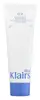
This calming moisturizer is formulated around Anthemis Nobilis Flower Water and Niacinamide to calm redness and clear breakouts.
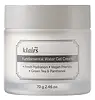
This calming moisturizer is formulated around Panthenol and Camellia Sinensis Leaf Extract to calm redness and hydrate skin.

What's inside
What's inside
 Key Ingredients
Benefits
Concerns
Ingredients Side-by-side
Anthemis Nobilis Flower Water
Masking

Water
Skin ConditioningButylene Glycol
Humectant

Propanediol
Solvent
Niacinamide
Smoothing








1,2-Hexanediol
Skin Conditioning
Caprylic/Capric Triglyceride
Masking
Ammonium Acryloyldimethyltaurate/Vp Copolymer
Carbomer
Emulsion StabilisingArginine
Masking
Lauryl Glucoside
CleansingPolyglyceryl-6 Laurate
Emulsifying

Allantoin
Skin Conditioning
Glycerin
Humectant
Ethylhexylglycerin
Skin ConditioningMyristyl Glucoside
CleansingXanthan Gum
EmulsifyingGuaiazulene
Antimicrobial

Pentylene Glycol
Skin Conditioning
Sodium Hyaluronate
Humectant
Madecassoside
Antioxidant
Decyl Glucoside
Cleansing
Caprylyl Glycol
Emollient
Hydroxypropyltrimonium Hyaluronate
Mentha Rotundifolia Leaf Extract
TonicCamellia Sinensis Leaf Extract
Antimicrobial
Thymus Vulgaris Leaf Extract
Skin ProtectingSodium Acetylated Hyaluronate
Humectant
Hydrolyzed Hyaluronic Acid
Humectant
Hyaluronic Acid
Humectant
Sodium Hyaluronate Crosspolymer
Humectant
Hydrolyzed Sodium Hyaluronate
Skin Conditioning
Potassium Hyaluronate
Skin ConditioningSh-Polypeptide-9
Skin Conditioning
Sh-Polypeptide-11
Sh-Polypeptide-1
Skin Conditioning
Sh-Oligopeptide-2
Skin Conditioning
Sh-Oligopeptide-1
Skin Conditioning
Anthemis Nobilis Flower Water, Water, Butylene Glycol, Propanediol, Niacinamide, 1,2-Hexanediol, Caprylic/Capric Triglyceride, Ammonium Acryloyldimethyltaurate/Vp Copolymer, Carbomer, Arginine, Lauryl Glucoside, Polyglyceryl-6 Laurate, Allantoin, Glycerin, Ethylhexylglycerin, Myristyl Glucoside, Xanthan Gum, Guaiazulene, Pentylene Glycol, Sodium Hyaluronate, Madecassoside, Decyl Glucoside, Caprylyl Glycol, Hydroxypropyltrimonium Hyaluronate, Mentha Rotundifolia Leaf Extract, Camellia Sinensis Leaf Extract, Thymus Vulgaris Leaf Extract, Sodium Acetylated Hyaluronate, Hydrolyzed Hyaluronic Acid, Hyaluronic Acid, Sodium Hyaluronate Crosspolymer, Hydrolyzed Sodium Hyaluronate, Potassium Hyaluronate, Sh-Polypeptide-9, Sh-Polypeptide-11, Sh-Polypeptide-1, Sh-Oligopeptide-2, Sh-Oligopeptide-1
Camellia Sinensis Leaf Water
Masking
Butylene Glycol
Humectant
Glycerin
Humectant
Water
Skin ConditioningEthylhexyl Palmitate
Emollient


Cetyl Ethylhexanoate
Emollient1,2-Hexanediol
Skin Conditioning
Pentaerythrityl Tetraethylhexanoate
Emollient
Panthenol
Skin Conditioning
Oryza Sativa Extract
Absorbent
Hibiscus Esculentus Fruit Extract
Skin ConditioningCamellia Sinensis Leaf Extract
Antimicrobial
Laminaria Japonica Extract
Skin Protecting
Artemisia Vulgaris Extract
Skin Conditioning
Centella Asiatica Extract
Cleansing
Rosmarinus Officinalis Leaf Extract
AntimicrobialPhytosphingosine
Skin Conditioning
Caproyl Sphingosine
Skin ConditioningTocopherol
Antioxidant
Glyceryl Glucoside
Humectant
Hydrolyzed Hyaluronic Acid
Humectant
Trehalose
Humectant
Jojoba Esters
Emollient
Helianthus Annuus Seed Oil
Emollient
Hydrolyzed Jojoba Esters
Skin Conditioning
Glyceryl Acrylate/Acrylic Acid Copolymer
HumectantCetyl Alcohol
Emollient
Hydrogenated Lecithin
Emulsifying
Ammonium Acryloyldimethyltaurate/Vp Copolymer
Hydrogenated Polydecene
EmollientEthylhexylglycerin
Skin ConditioningCyclohexasiloxane
Emollient
Camellia Sinensis Leaf Water, Butylene Glycol, Glycerin, Water, Ethylhexyl Palmitate, Cetyl Ethylhexanoate, 1,2-Hexanediol, Pentaerythrityl Tetraethylhexanoate, Panthenol, Oryza Sativa Extract, Hibiscus Esculentus Fruit Extract, Camellia Sinensis Leaf Extract, Laminaria Japonica Extract, Artemisia Vulgaris Extract, Centella Asiatica Extract, Rosmarinus Officinalis Leaf Extract, Phytosphingosine, Caproyl Sphingosine, Tocopherol, Glyceryl Glucoside, Hydrolyzed Hyaluronic Acid, Trehalose, Jojoba Esters, Helianthus Annuus Seed Oil, Hydrolyzed Jojoba Esters, Glyceryl Acrylate/Acrylic Acid Copolymer, Cetyl Alcohol, Hydrogenated Lecithin, Ammonium Acryloyldimethyltaurate/Vp Copolymer, Hydrogenated Polydecene, Ethylhexylglycerin, Cyclohexasiloxane
Reviews
Ingredients Explained
These ingredients are found in both products.
Ingredients higher up in an ingredient list are typically present in a larger amount.
1,2-Hexanediol is a synthetic liquid and another multi-functional powerhouse.
It is a:
- Humectant, drawing moisture into the skin
- Emollient, helping to soften skin
- Solvent, dispersing and stabilizing formulas
- Preservative booster, enhancing the antimicrobial activity of other preservatives
Ammonium Acryloyldimethyltaurate/Vp Copolymer is a synthetically created polymer. It's used as a film-forming agent and used to thicken the consistency of products.
Think of it as a supportive ingredient that helps your gel-creams feel silky, "cloud cream-like", and spread evenly without being greasy.
The Cosmetic Ingredient Review (CIR) Expert Panel evaluated it (along with 22 other acryloyldimethyltaurate polymers) and concluded it's:
Due to its large molecular size, it sits on the surface of skin rather than penetrating it.
Learn more about Ammonium Acryloyldimethyltaurate/Vp CopolymerButylene Glycol (or BG) is used within cosmetic products for a few different reasons:
Overall, Butylene Glycol is a safe and well-rounded ingredient that works well with other ingredients.
Though this ingredient works well with most skin types, some people with sensitive skin may experience a reaction such as allergic rashes, closed comedones, or itchiness.
Learn more about Butylene GlycolCamellia Sinensis Leaf Extract (tea extract) is one of the most well-researched plant extracts in skincare with an impressive resume.
Black tea, green tea, and oolong tea are all harvested from the Camellia Sinensis plant.
Studies show green tea extract and its catechins (like epigallocatechin gallate (EGCG)) help your skin cells product energy more efficiently and reducing the number of free-radicals that can damage your skin from the inside.
In lab-grown skin models, this translated to younger, healthier, and stronger skin.
There's also good sun protection data; researchers saw less DNA damage and redness on human skin when green tea was applied before UVB exposure. And the more they applied, the better the protection.
Needless to say, this ingredient shouldn't replace your sunscreen. But it is a great supportive ingredient that you can already find in many sunscreens and antioxidant serums.
A 2009 study found a 2% green tea lotion was effective for mild-to-moderate acne thanks to its anti-inflammatory and mild antimicrobial activity.
The quality of the extract matters a lot here:
Good extracts contain 50-90% catechins while lower quality ones are mostly there for marketing. We recommend reaching out to the brand if you have questions about the quality or source of their ingredients.
Human Repeated Insult Patch Testing showed no irritation or sensitization at use concentrations (0.86% in leave-on products and up to 30% as leaf water).
Learn more about Camellia Sinensis Leaf ExtractEthylhexylglycerin is created from glycerin. It is a multitasker ingredient that:
The CIR Expert Panel found minimal skin absorption or sensitization of any kind in a safety assessment. Though this ingredient is considered well-tolerated, a small number of cases of allergic dermatitis have been published since 2002. Just be sure to patch test if you are unsure.
Industry-reported use ranges from 8% in rinse-off products and 2% in leave-on formulations.
Learn more about EthylhexylglycerinGlycerin (or glycerol) is a compound naturally found in your skin. It's a powerhouse humectant that pulls water into the stratum corneum.
Topically, glycerin does several things at once:
Your skin makes glycerin on its own (mostly from sebaceous oil breakdown) and shuttles it to your outermost layer of skin, or your epidermis, via aquaporin-3.
Aquaporin-3 is a transporter that is essential for normal skin hydration, elasticity, and repair. Interestingly, mice lacking in AQP3 have dry and less elastic skin that can be fully corrected with glycerin.
This ingredient is non-irritating, plays well with almost every ingredient, and works across all skin types. Typical use is anywhere between 3-10% but can go up to 79% in some leave-on products.
Just know very high concentrations (>40%) can feel tacky in low humidity.
Glycerin is the name for this ingredient in American English. British English uses Glycerol/Glycerine.
Learn more about GlycerinHydrolyzed Hyaluronic Acid is hyaluronic acid (HA) that is broken down into lower molecular weight fragments.
It's a humectant that pulls and holds water in the skin to help with hydration, plumpness, and reduce transepidermal water loss.
Because hydrolyzed hyaluronic acid is smaller in size, it can slip past your outermost layer of skin more easily than full-sized HA.
Most formulations will combine all sizes to get the best of both worlds.
Typical usage levels range from 0.01-1%. Any percentage higher than 2% might become goopy and tacky.
Learn more about Hydrolyzed Hyaluronic AcidWater. It's the most common cosmetic ingredient of all. You'll usually see it at the top of ingredient lists, meaning that it makes up the largest part of the product.
So why is it so popular? Water most often acts as a solvent - this means that it helps dissolve other ingredients into the formulation.
You'll also recognize water as that liquid we all need to stay alive. If you see this, drink a glass of water. Remember to stay hydrated!
Learn more about Water

