
What's inside
What's inside
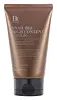 Key Ingredients
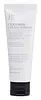
Benefits
Concerns
Ingredients Side-by-side
Snail Secretion Filtrate
Skin Conditioning





Water
Skin ConditioningButylene Glycol
Humectant
Glycerin
Humectant
Cetyl Ethylhexanoate
EmollientNiacinamide
Smoothing







Pentylene Glycol
Skin Conditioning
1,2-Hexanediol
Skin Conditioning
Behenyl Alcohol
Emollient
Cetearyl Olivate

Palmitic Acid
Emollient
Stearic Acid
Cleansing
Urea
Buffering
Simmondsia Chinensis Seed Oil
Emollient
Helianthus Annuus Seed Oil
Emollient
Carthamus Tinctorius Seed Oil
Masking
Argania Spinosa Kernel Oil
Emollient
Sorbitan Olivate
Emulsifying
Glyceryl Stearate
Emollient
Aloe Barbadensis Leaf Juice
Skin Conditioning
Althaea Rosea Root Extract
HumectantAloe Barbadensis Leaf Extract
Emollient
Beta-Glucan
Skin Conditioning
Copper Tripeptide-1
Skin Conditioning
Hexapeptide-11
Skin Conditioning
Hexapeptide-9
Skin Conditioning
Palmitoyl Pentapeptide-4
Skin Conditioning
Palmitoyl Tripeptide-1
Skin Conditioning
Tripeptide-1
Skin Conditioning
Xanthan Gum
EmulsifyingTocopherol
Antioxidant

Panthenol
Skin Conditioning
Sodium Hyaluronate
Humectant
Polyglyceryl-10 Laurate
Skin Conditioning
Salix Alba Bark Extract
Astringent
Plantago Asiatica Extract
Skin ConditioningLaminaria Digitata Extract
Skin Protecting
Diospyros Kaki Leaf Extract
Skin Protecting
Ulmus Campestris Bark Extract
AstringentAllantoin
Skin Conditioning
Adenosine
Skin Conditioning
Ethylhexylglycerin
Skin ConditioningCitric Acid
Buffering

Caprylyl Glycol
Emollient
Bee Venom
Astringent
Snail Secretion Filtrate, Water, Butylene Glycol, Glycerin, Cetyl Ethylhexanoate, Niacinamide, Pentylene Glycol, 1,2-Hexanediol, Behenyl Alcohol, Cetearyl Olivate, Palmitic Acid, Stearic Acid, Urea, Simmondsia Chinensis Seed Oil, Helianthus Annuus Seed Oil, Carthamus Tinctorius Seed Oil, Argania Spinosa Kernel Oil, Sorbitan Olivate, Glyceryl Stearate, Aloe Barbadensis Leaf Juice, Althaea Rosea Root Extract, Aloe Barbadensis Leaf Extract, Beta-Glucan, Copper Tripeptide-1, Hexapeptide-11, Hexapeptide-9, Palmitoyl Pentapeptide-4, Palmitoyl Tripeptide-1, Tripeptide-1, Xanthan Gum, Tocopherol, Panthenol, Sodium Hyaluronate, Polyglyceryl-10 Laurate, Salix Alba Bark Extract, Plantago Asiatica Extract, Laminaria Digitata Extract, Diospyros Kaki Leaf Extract, Ulmus Campestris Bark Extract, Allantoin, Adenosine, Ethylhexylglycerin, Citric Acid, Caprylyl Glycol, Bee Venom
Water
Skin ConditioningPropanediol
Solvent
Glycerin
Humectant
Caprylic/Capric Triglyceride
Masking
Methylpropanediol
SolventHelianthus Annuus Seed Oil
Emollient
Bis-Diglyceryl Polyacyladipate-2
Emollient
Olea Europaea Fruit Oil
Masking
Polyglyceryl-3 Methylglucose Distearate
Emulsifying
Ceramide NP
Skin Conditioning
Glyceryl Stearate
Emollient
Glyceryl Stearate Citrate
Emollient
Butylene Glycol
Humectant
Trehalose
Humectant
Butyrospermum Parkii Butter
Skin Conditioning
Jojoba Oil/Macadamia Seed Oil Esters
Skin Conditioning
Carbomer
Emulsion StabilisingAllantoin
Skin Conditioning
Arginine
Masking
Hydroxyethyl Acrylate/Sodium Acryloyldimethyl Taurate Copolymer
Emulsion Stabilising1,2-Hexanediol
Skin Conditioning
Tocopherol
Antioxidant
Pentylene Glycol
Skin Conditioning
Panthenol
Skin Conditioning
Squalene
Emollient
Hydrogenated Lecithin
Emulsifying
Caprylyl Glycol
Emollient
Citrus Paradisi Fruit Extract
Skin ConditioningCetearyl Alcohol
Emollient
Stearic Acid
Cleansing
Eriobotrya Japonica Leaf Extract
Skin ConditioningSodium Phytate
Phytosteryl Macadamiate
Skin Conditioning
Acorus Calamus Root Extract
Perfuming
Perilla Ocymoides Leaf Extract
TonicSchisandra Chinensis Fruit Extract
Skin Conditioning
Sucrose
Humectant
Phytosterols
Skin Conditioning
Citrus Aurantium Amara Flower Oil
Masking
Cynanchum Atratum Extract
Skin ConditioningMineral Salts
Skin ConditioningCeramide Ns
Skin Conditioning
Cholesterol
Emollient
Phytosphingosine
Skin Conditioning
Ceramide As
Skin Conditioning
Ceramide AP
Skin Conditioning
Ceramide EOP
Skin Conditioning
Water, Propanediol, Glycerin, Caprylic/Capric Triglyceride, Methylpropanediol, Helianthus Annuus Seed Oil, Bis-Diglyceryl Polyacyladipate-2, Olea Europaea Fruit Oil, Polyglyceryl-3 Methylglucose Distearate, Ceramide NP, Glyceryl Stearate, Glyceryl Stearate Citrate, Butylene Glycol, Trehalose, Butyrospermum Parkii Butter, Jojoba Oil/Macadamia Seed Oil Esters, Carbomer, Allantoin, Arginine, Hydroxyethyl Acrylate/Sodium Acryloyldimethyl Taurate Copolymer, 1,2-Hexanediol, Tocopherol, Pentylene Glycol, Panthenol, Squalene, Hydrogenated Lecithin, Caprylyl Glycol, Citrus Paradisi Fruit Extract, Cetearyl Alcohol, Stearic Acid, Eriobotrya Japonica Leaf Extract, Sodium Phytate, Phytosteryl Macadamiate, Acorus Calamus Root Extract, Perilla Ocymoides Leaf Extract, Schisandra Chinensis Fruit Extract, Sucrose, Phytosterols, Citrus Aurantium Amara Flower Oil, Cynanchum Atratum Extract, Mineral Salts, Ceramide Ns, Cholesterol, Phytosphingosine, Ceramide As, Ceramide AP, Ceramide EOP
Reviews
Ingredients Explained
These ingredients are found in both products.
Ingredients higher up in an ingredient list are typically present in a larger amount.
1,2-Hexanediol is a synthetic liquid and another multi-functional powerhouse.
It is a:
- Humectant, drawing moisture into the skin
- Emollient, helping to soften skin
- Solvent, dispersing and stabilizing formulas
- Preservative booster, enhancing the antimicrobial activity of other preservatives
Allantoin is a soothing ingredient known for its protective and moisturizing properties; it's basically a quiet workhorse ingredient you can find in a huge range of cosmetics.
Though it can be derived from the comfrey plant, allantoin is produced synthetically for cosmetic products to ensure purity.
Research shows it can encourage your skin cells to turn over and renew by stimulating keratinocyte and fibroblast proliferation.
It also has mild keratolytic properties to help loosen and shed dead skin cells without being harsh.
Studies also suggest allantoin can help calm inflammation by dialing down some of the chemical signals your skin sends out when it is irritated.
This ingredient is typically used in the 0.1-0.5% range, and the FDA recognizes it as a skin protectant in OTC products up to 2%.
Overall, allantoin is a wonderful addition to most routines; it is stable across a wide pH range (~4-8), works well with other ingredients, and is considered non-sensitizing/non-irritating.
Fun fact: Allantoin is naturally occurring in comfrey root, beets, chamomile, and wheat sprouts. Our bodies even produce it as a byproduct of uric acid metabolism.
Learn more about AllantoinButylene Glycol (or BG) is used within cosmetic products for a few different reasons:
Overall, Butylene Glycol is a safe and well-rounded ingredient that works well with other ingredients.
Though this ingredient works well with most skin types, some people with sensitive skin may experience a reaction such as allergic rashes, closed comedones, or itchiness.
Learn more about Butylene GlycolCaprylyl Glycol is a humectant, skin conditioner, emollient, and preservative booster derived from either caprylic acid or synthetically created.
Typical use levels vary from 0.3-1% as a preservative booster and go up to 2% to condition skin.
Because it is not a free-fatty acid, this ingredient is fungal acne safe (there's nothing for Malassezia to feed on).
Learn more about Caprylyl GlycolGlycerin (or glycerol) is a compound naturally found in your skin. It's a powerhouse humectant that pulls water into the stratum corneum.
Topically, glycerin does several things at once:
Your skin makes glycerin on its own (mostly from sebaceous oil breakdown) and shuttles it to your outermost layer of skin, or your epidermis, via aquaporin-3.
Aquaporin-3 is a transporter that is essential for normal skin hydration, elasticity, and repair. Interestingly, mice lacking in AQP3 have dry and less elastic skin that can be fully corrected with glycerin.
This ingredient is non-irritating, plays well with almost every ingredient, and works across all skin types. Typical use is anywhere between 3-10% but can go up to 79% in some leave-on products.
Just know very high concentrations (>40%) can feel tacky in low humidity.
Glycerin is the name for this ingredient in American English. British English uses Glycerol/Glycerine.
Learn more about GlycerinGlyceryl Stearate is made by reacting glycerin with stearic acid (typically sourced from plant oils like palm or coconut). It's an emulsifier, emollient, and mild occlusive.
Emulsifiers help ingredients like oil and water stay mixed so your formula stays nicely blended and uniform in texture.
This ingredient is typically used in concentrations between 1-10%. Studies have found it to be non-sensitizing, non-phototoxic, and non-photoallergenic.
A close cousin of this ingredient is Glyceryl Stearate SE ("self-emulsifying"). This just has a small amount of sodium or potassium stearate added so it can emulsify without a co-emulsifier.
Since this ingredient is an ester of a C18 fatty acid, it may not be fungal acne safe. The Malassezia yeast can potentially metabolize within the C11-C24 range.
Fun fact: The human body also creates Glyceryl Stearate naturally.
Learn more about Glyceryl StearateHelianthus Annuus Seed Oil is a plant oil derived from the seeds of a sunflower.
It is rich in fatty acids, primarily linoleic acid and oleic acid. This gives it emollient and skin conditioning properties.
The reason this ingredient is so effective is because it forms a thin film on the skin that reduces transepidermal water loss (TEWL) while supplying linoleic acid to the stratum corneum to improve barrier strength.
The high linoleic acid content is particularly noteworthy for acne-prone skin.
Research suggests that acne-prone skin tends to be deficient in linoleic acid in sebum. Topical application may help replenish this to support a healthier follicular environment and less comedone-promoting sebum.
One randomized study found sunflower seed oil preserved skin barrier integrity in adult volunteers with and without atopic dermatitis (outperforming olive oil).
This ingredient is well-studied, gentle, and an effective emollient suitable for most skin types.
On fungal acne: This ingredient may not be Fungal acne (Malassezia folliculitis) safe. This is because it contains fatty acids with carbon chain lengths in the C11-C24 range.
Learn more about Helianthus Annuus Seed OilPanthenol is a common ingredient that helps hydrate and soothe the skin. It is found naturally in our skin and hair.
There are two forms of panthenol: D and L.
D-panthenol is also known as dexpanthenol. Most cosmetics use dexpanthenol or a mixture of D and L-panthenol.
Panthenol is famous due to its ability to go deeper into the skin's layers. Using this ingredient has numerous pros (and no cons):
Like hyaluronic acid, panthenol is a humectant. Humectants are able to bind and hold large amounts of water to keep skin hydrated.
This ingredient works well for wound healing. It works by increasing tissue in the wound and helps close open wounds.
Once oxidized, panthenol converts to pantothenic acid. Panthothenic acid is found in all living cells.
This ingredient is also referred to as pro-vitamin B5.
Learn more about PanthenolPentylene glycol is typically used within a product to thicken it. It also adds a smooth, soft, and moisturizing feel to the product. It is naturally found in plants such as sugar beets.
The hydrophilic trait of Pentylene Glycol makes it a humectant. As a humectant, Pentylene Glycol helps draw moisture from the air to your skin. This can help keep your skin hydrated.
This property also makes Pentylene Glycol a great texture enhancer. It can also help thicken or stabilize a product.
Pentylene Glycol also acts as a mild preservative and helps to keep a product microbe-free.
Some people may experience mild eye and skin irritation from Pentylene Glycol. We always recommend speaking with a professional about using this ingredient in your routine.
Pentylene Glycol has a low molecular weight and is part of the 1,2-glycol family.
Learn more about Pentylene GlycolStearic Acid is a fatty acid that is already found in your skin. It's one of the free fatty acids that works alongside ceramides and cholesterols to maintain your barrier.
In cosmetics, it is a multitasker:
Safety-wise, the CIR Expert Panel has concluded it to be safe in cosmetics when formulated to be non-irritating and non-sensitizing.
Free stearic acid is a C18 fatty acid that the Malassezia yeast can substrate, so this ingredient may not be fungal acne safe.
Learn more about Stearic AcidTocopherol is a fat-soluble antioxidant known as Vitamin E.
You'll find this ingredient in the vast majority of skincare (for good reason). It works to neutralize free radicals, or unstable molecules generated by UV exposure, pollution, and other environmental stressors, before they can cause oxidative damage to your skin cells.
Topically applied tocopherol has been shown to protect against UV damage by ramping up the skin's own natural defense enzymes.
It also acts as a skin conditioning agent; some studies show that regular topical use can improve the skin's water-binding capacity over 2-4 weeks.
This ingredient is especially loved for being a team player. When combined with Vitamin C, the photoprotective effect of both ingredients roughly doubles and the combo also helps reduce UV-induced DNA damage.
This ingredient has some brightening potential but it's more of a prevention ingredient than spot-fader. Cell studies show it can slow down melanin production but it's worth noting that it's not the most powerful brightener out there.
In formulations, it also serves as a stabilizer that helps protect other oxidation-prone ingredients from degrading.
Concentrations usually range from 0.1-1% in most leave-on products.
Learn more about TocopherolWater. It's the most common cosmetic ingredient of all. You'll usually see it at the top of ingredient lists, meaning that it makes up the largest part of the product.
So why is it so popular? Water most often acts as a solvent - this means that it helps dissolve other ingredients into the formulation.
You'll also recognize water as that liquid we all need to stay alive. If you see this, drink a glass of water. Remember to stay hydrated!
Learn more about Water
