Belif Super Knights Vita Collagen Wrapping Mask Versus Belif Super Knights Multi Vitamin Sleeping Mask
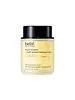
This anti-aging sheet mask is formulated around Niacinamide and Panthenol to soften the look of wrinkles and brighten dull-looking skin.
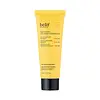
This hydrating overnight mask is formulated around Panthenol and Niacinamide to hydrate skin and strengthen the skin barrier.

What's inside
What's inside
 Key Ingredients
Benefits
Concerns
Ingredients Side-by-side
Water
Skin ConditioningOctyldodecanol
Emollient
Polyvinyl Alcohol
Methylpropanediol
SolventButylene Glycol
Humectant

Caprylic/Capric Triglyceride
Masking
1,2-Hexanediol
Skin Conditioning
Niacinamide
Smoothing










Algin
MaskingPanthenol
Skin Conditioning
Pentaerythrityl Tetraethylhexanoate
Emollient
Polysorbate 80
Emulsifying

Pullulan
Polyglyceryl-10 Oleate
Skin Conditioning
Glyceryl Stearate
Emollient
PEG-100 Stearate
Surfactant
Disteardimonium Hectorite
StabilisingSodium Polystyrene Sulfonate
Emulsion StabilisingCitrus Aurantium Dulcis Peel Oil
Masking

Microcrystalline Cellulose
AbsorbentTocopheryl Acetate
Antioxidant

Ethylhexylglycerin
Skin ConditioningCitrus Aurantifolia Oil
Cleansing


Zea Mays Germ Oil
Emollient
Melissa Officinalis Flower/Leaf/Stem Water
Skin ConditioningRosmarinus Officinalis Leaf Water
MaskingSphingomonas Ferment Extract
Skin Conditioning
Gardenia Florida Fruit Extract
Skin ConditioningAllantoin
Skin Conditioning
Adenosine
Skin Conditioning
Pelargonium Graveolens Flower Oil
Masking
Rosmarinus Officinalis Leaf Oil
Masking
Cellulose Gum
Emulsion StabilisingSodium Phytate
ChelatingDextrin
AbsorbentSodium Hyaluronate
Humectant
Eucalyptus Globulus Leaf Extract
Perfuming
Rosa Canina Fruit Extract
Astringent
Mentha Rotundifolia Leaf Extract
TonicCaffeine
Skin Conditioning
Thymus Vulgaris Leaf Extract
Skin ProtectingPentaerythrityl Tetra-Di-T-Butyl Hydroxyhydrocinnamate
Antioxidant
Glutathione
Ascorbic Acid
Antioxidant
Kaolin
Abrasive
Hydrated Silica
Abrasive
Cyanocobalamin
Skin ConditioningCollagen Extract
Skin Conditioning
Glycerin
Humectant
Hydrolyzed Collagen
Emollient
Limonene
Perfuming
Citronellol
Perfuming
Geraniol
Perfuming
Citral
Perfuming
Linalool
Perfuming
Water, Octyldodecanol, Polyvinyl Alcohol, Methylpropanediol, Butylene Glycol, Caprylic/Capric Triglyceride, 1,2-Hexanediol, Niacinamide, Algin, Panthenol, Pentaerythrityl Tetraethylhexanoate, Polysorbate 80, Pullulan, Polyglyceryl-10 Oleate, Glyceryl Stearate, PEG-100 Stearate, Disteardimonium Hectorite, Sodium Polystyrene Sulfonate, Citrus Aurantium Dulcis Peel Oil, Microcrystalline Cellulose, Tocopheryl Acetate, Ethylhexylglycerin, Citrus Aurantifolia Oil, Zea Mays Germ Oil, Melissa Officinalis Flower/Leaf/Stem Water, Rosmarinus Officinalis Leaf Water, Sphingomonas Ferment Extract, Gardenia Florida Fruit Extract, Allantoin, Adenosine, Pelargonium Graveolens Flower Oil, Rosmarinus Officinalis Leaf Oil, Cellulose Gum, Sodium Phytate, Dextrin, Sodium Hyaluronate, Eucalyptus Globulus Leaf Extract, Rosa Canina Fruit Extract, Mentha Rotundifolia Leaf Extract, Caffeine, Thymus Vulgaris Leaf Extract, Pentaerythrityl Tetra-Di-T-Butyl Hydroxyhydrocinnamate, Glutathione, Ascorbic Acid, Kaolin, Hydrated Silica, Cyanocobalamin, Collagen Extract, Glycerin, Hydrolyzed Collagen, Limonene, Citronellol, Geraniol, Citral, Linalool
Water
Skin ConditioningGlycerin
Humectant
Helianthus Annuus Seed Oil
Emollient
Dicaprylyl Carbonate
EmollientGlyceryl Stearate
Emollient
1,2-Hexanediol
Skin Conditioning
Cetyl Alcohol
Emollient
Betaine
Humectant
Panthenol
Skin Conditioning
Polyglyceryl-3 Methylglucose Distearate
Emulsifying
Cetearyl Olivate
Glyceryl Stearate Citrate
Emollient
Stearic Acid
Cleansing
Butylene Glycol
Humectant
Macadamia Seed Oil Polyglyceryl-6 Esters Behenate
Emollient
Sorbitan Olivate
Emulsifying
Lactobacillus/Soybean Ferment Extract
Skin ConditioningSaccharomyces/Potato Extract Ferment Filtrate
Humectant
Saccharomyces/Barley Seed Ferment Filtrate
HumectantTromethamine
BufferingNiacinamide
Smoothing
Tocopherol
Antioxidant
Avena Sativa Kernel Extract
Abrasive
Calendula Officinalis Flower Extract
Masking
Nepeta Cataria Extract
TonicRubus Idaeus Leaf Extract
Skin ConditioningBaptisia Tinctoria Root Extract
Skin ConditioningStellaria Media Extract
Skin ConditioningAlchemilla Vulgaris Leaf Extract
Antioxidant
Althaea Officinalis Root Extract
Skin Conditioning
Rosa Damascena Flower Extract
Masking
Spiraea Ulmaria Flower Extract
Skin ConditioningViola Tricolor Extract
EmollientAscorbic Acid
Antioxidant
Cyanocobalamin
Skin ConditioningCarbomer
Emulsion StabilisingMaltodextrin
Absorbent
Glycine Soja Oil
Emollient
Sodium Citrate
BufferingElaeis Guineensis Oil
Emollient
Citric Acid
Buffering
Trisodium EDTA
ChelatingXanthan Gum
EmulsifyingCitrus Aurantifolia Oil
Cleansing
Pelargonium Graveolens Flower Oil
Masking
Rosmarinus Officinalis Leaf Oil
Masking
Citrus Aurantium Dulcis Peel Oil
Masking
Limonene
Perfuming
Citronellol
Perfuming
Geraniol
Perfuming
Citral
Perfuming
Linalool
Perfuming
Water, Glycerin, Helianthus Annuus Seed Oil, Dicaprylyl Carbonate, Glyceryl Stearate, 1,2-Hexanediol, Cetyl Alcohol, Betaine, Panthenol, Polyglyceryl-3 Methylglucose Distearate, Cetearyl Olivate, Glyceryl Stearate Citrate, Stearic Acid, Butylene Glycol, Macadamia Seed Oil Polyglyceryl-6 Esters Behenate, Sorbitan Olivate, Lactobacillus/Soybean Ferment Extract, Saccharomyces/Potato Extract Ferment Filtrate, Saccharomyces/Barley Seed Ferment Filtrate, Tromethamine, Niacinamide, Tocopherol, Avena Sativa Kernel Extract, Calendula Officinalis Flower Extract, Nepeta Cataria Extract, Rubus Idaeus Leaf Extract, Baptisia Tinctoria Root Extract, Stellaria Media Extract, Alchemilla Vulgaris Leaf Extract, Althaea Officinalis Root Extract, Rosa Damascena Flower Extract, Spiraea Ulmaria Flower Extract, Viola Tricolor Extract, Ascorbic Acid, Cyanocobalamin, Carbomer, Maltodextrin, Glycine Soja Oil, Sodium Citrate, Elaeis Guineensis Oil, Citric Acid, Trisodium EDTA, Xanthan Gum, Citrus Aurantifolia Oil, Pelargonium Graveolens Flower Oil, Rosmarinus Officinalis Leaf Oil, Citrus Aurantium Dulcis Peel Oil, Limonene, Citronellol, Geraniol, Citral, Linalool
Ingredients Explained
These ingredients are found in both products.
Ingredients higher up in an ingredient list are typically present in a larger amount.
1,2-Hexanediol is a synthetic liquid and another multi-functional powerhouse.
It is a:
- Humectant, drawing moisture into the skin
- Emollient, helping to soften skin
- Solvent, dispersing and stabilizing formulas
- Preservative booster, enhancing the antimicrobial activity of other preservatives
Ascorbic Acid is is pure Vitamin C and is the biologically active form used directly by skin.
Not only is vitamin C great for your overall health and immune system, but it also has plenty of benefits for your skin. It is best supported by academic literature for:
Topical vitamin C has been shown to help neutralize oxidative stress from UV and pollution, helping to improve photoaging and hyperpigmentation when used consistently.
One clinical study found that using 5% topical vitamin C for six months improved signs of photodamaged skin, both on the surface and in the deeper structural layers of the skin.
While vitamin C doesn’t replace sunscreen, studies show it can boost photoprotection when combined with Vitamin E and ferulic acid. These two ingredients help improve stability and protective effects.
The big downside of this ingredient is formulation difficulty. Vitamin C is prone to oxidation and doesn't penetrate the skin unless formulated correctly. Research found that vitamin C absorbs into the skin best at a low pH (< 3.5) with about 20% being the upper limit for effective absorption.
Skin levels can saturate after repeated application; this means your skin won’t keep absorbing more once it’s full of vitamin C. This is why more isn’t always better with vitamin C and why very high concentrations don’t necessarily give extra benefits.
Ascorbic acid generally works well with many skincare ingredients but can be irritating when combined with other active ingredients. Strong oxidizing acne treatments like benzoyl peroxide can reduce the effectiveness of vitamin C if they are used at the same time; they are often recommended for use at different times of day.
Read more about other types of Vitamin C:
Foods rich with vitamin C include oranges, strawberries, broccoli, bell peppers, and more. When consuming Vitamin C, your skin receives a portion of the nutrients.
Learn more about Ascorbic AcidButylene Glycol (or BG) is used within cosmetic products for a few different reasons:
Overall, Butylene Glycol is a safe and well-rounded ingredient that works well with other ingredients.
Though this ingredient works well with most skin types, some people with sensitive skin may experience a reaction such as allergic rashes, closed comedones, or itchiness.
Learn more about Butylene GlycolCitral is the molecule responsible for the fresh lemon scent in lemon, lime, and lemongrass. It is a fragrance ingredient that can be created from plant essential oils or synthetically.
Though Citral has documented antimicrobial activity against acne bacteria (which is where the marketing claims about it being good for acne-prone skin originate), real formulas use it at fragrance-level concentrations under 1% so there's likely no skin benefit.
You should know this ingredient is a known EU fragrance allergen.
Animal studies classifies this ingredient as a weak-to-moderate skin sensitizer and clinical patch testing on eczema patients confirmed it to be both a contact allergen and irritant.
The term 'citral' is a collective term for two geometric isomers: geranial/Citral A and neral/Citral B.
The term 'fragrance' is not regulated in many countries. In many cases, it is up to the brand to define this term. For instance, many brands choose to label themselves as "fragrance-free" because they are not using synthetic fragrances. However, their products may still contain ingredients such as essential oils that are considered a fragrance.
Learn more about CitralCitronellol is used to add fragrance/parfum to a product. It is often derived from plants such as roses. In fact, it can be found in many essential oils including geranium, lavender, neroli, and more. The scent of Citronellol is often described as "fresh, grassy, and citrus-like".
Since the Citronellol molecule is already unstable, Citronellol becomes irritating on the skin when exposed to air.
Citronellol is a modified terpene. Terpenes are unsaturated hydrocarbons found in plants. They make up the primary part of essential oils.
Citronellol is not able to be absorbed into deeper layers of the skin. It has low permeability,
Citronellol is also a natural insect repellent.
Learn more about CitronellolThis ingredient is also known as lime essential oil or key lime essential oil.
Like other citrus extracts and oils, this ingredient contains furanocoumarins that can cause phototoxicity.
Citrus Aurantium Dulcis Peel Oil is oil from the peel of an orange fruit.
Limonene and linalool make up the majority of oils from citrus peels. Limonene has a "citrus" fragrance. Citrus peels also contain flavonoids, which have anti-inflammatory properties.
Citrus peel is also a rich source of flavonoids. Flavonoids are natural antioxidants and help protect your skin against damage. Flavonoids are a group of compounds naturally found in vegetables and fruits.
The term 'fragrance' is not regulated in many countries. In many cases, it is up to the brand to define this term. For instance, many brands choose to label themselves as "fragrance-free" because they are not using synthetic fragrances. However, their products may still contain ingredients such as essential oils that are considered a fragrance.
Learn more about Citrus Aurantium Dulcis Peel OilCyanocobalamin is the manufactured version of vitamin B12. It has skin soothing, antioxidant, and barrier protecting properties. Topical cyanocobalamin is used to treat skin irritation and atopic dermatitis.
Geraniol is used to add fragrance/parfum to a product. It is the main component of citronellol. It is a monoterpenoid and an alcohol.
Monoterpenes are naturally found in many parts of different plants.
Geraniol can be found in many essential oils including Rose Oil and Citronella Oil. The scent of Geraniol is often described as "rose-like". Many foods also contain Geraniol for fruit flavoring.
Geraniol can irritate the skin when exposed to air. However, irritation depends on the ability of geraniol to penetrate into the skin. In general, geraniol is not able to penetrate skin easily.
Geraniol is colorless and has low water-solubility. However, it is soluble in common organic solvents.
Like citronellol, it is a natural insect repellent.
2,6-Octadien-1-ol, 3,7-dimethyl-, (2E)-
Learn more about GeraniolGlycerin (or glycerol) is a compound naturally found in your skin. It's a powerhouse humectant that pulls water into the stratum corneum.
Topically, glycerin does several things at once:
Your skin makes glycerin on its own (mostly from sebaceous oil breakdown) and shuttles it to your outermost layer of skin, or your epidermis, via aquaporin-3.
Aquaporin-3 is a transporter that is essential for normal skin hydration, elasticity, and repair. Interestingly, mice lacking in AQP3 have dry and less elastic skin that can be fully corrected with glycerin.
This ingredient is non-irritating, plays well with almost every ingredient, and works across all skin types. Typical use is anywhere between 3-10% but can go up to 79% in some leave-on products.
Just know very high concentrations (>40%) can feel tacky in low humidity.
Glycerin is the name for this ingredient in American English. British English uses Glycerol/Glycerine.
Learn more about GlycerinGlyceryl Stearate is made by reacting glycerin with stearic acid (typically sourced from plant oils like palm or coconut). It's an emulsifier, emollient, and mild occlusive.
Emulsifiers help ingredients like oil and water stay mixed so your formula stays nicely blended and uniform in texture.
This ingredient is typically used in concentrations between 1-10%. Studies have found it to be non-sensitizing, non-phototoxic, and non-photoallergenic.
A close cousin of this ingredient is Glyceryl Stearate SE ("self-emulsifying"). This just has a small amount of sodium or potassium stearate added so it can emulsify without a co-emulsifier.
Since this ingredient is an ester of a C18 fatty acid, it may not be fungal acne safe. The Malassezia yeast can potentially metabolize within the C11-C24 range.
Fun fact: The human body also creates Glyceryl Stearate naturally.
Learn more about Glyceryl StearateLimonene is the compound that gives citrus peel its smell.
In skincare, it shows up as a standalone fragrance ingredient or as a natural compound of citrus and other essential oils.
You'll typically see this ingredient used in very small amounts; anything above 0.001% in a leave-on product or 0.01% in a rinse-off has to be named on the label in the EU. The citrus oils that carry it sit around 0.5-1% in a finished formula.
Fresh limonene is a weak allergen; the real issue is that it slowly reacts with air and then breaks down from oxidation to create hydroperoxides (which are strong sensitizers). This is why suppliers are required to keep the peroxide value below 20 mmol.
Positive reactions in people being investigated for eczema vary:
It's worth skipping if you have a known fragrance allergy or a compromised barrier, but the risk is low for most people.
Older or long-opened products are also more likely to bother you than fresh ones due to oxidation.
Learn more about LimoneneLinalool is a small, naturally occurring scent molecule found in plants like lavender, coriander, bergamot, and more.
It is one of the two most-used fragrance ingredients in cosmetics and added purely for smell. Since it's not used for a skin benefit, there's no "effective dose". Concentration depends on the fragrance load of the product.
The EU requires it to be named on the label above 0.001% in leave-on and 0.01% in rinse-off products.
Fresh linalool is a weak sensitizer but air exposure turns some of it into hydroperoxides, which are strong sensitizers. Those oxidation products are the actual allergy concern.
Patch-test clinics see positive reactions to linalool hydroperoxides in about 4% to 12% of dermatitis patients depending on country and test concentration.
Resassuringly, one analytical study found hydroperoxide levels in real fragranced products to be orders of magnitude below what induced sensitization in animal studies with no evidence of oxidation building up during normal storage.
The practical takeaway is that linalool is fine for most people but worth avoiding if you have a confirmed fragrance contact allergy or a badly compromised barrier.
Products stored a long time after opening are also the high-risk scenario since that is when oxidation happens.
The scent of linalool is described as floral, spicy tropical, and citrus-like.
Learn more about LinaloolNiacinamide is a multitasking form of vitamin B3 that strengthens the skin barrier, reduces pores and dark spots, regulates oil, and improves signs of aging.
And the best part? It's gentle and well-tolerated by most skin types, including sensitive and reactive skin.
You might have heard of "niacin flush", or the reddening of skin that causes itchiness. Niacinamide has not been found to cause this.
In very rare cases, some individuals may not be able to tolerate niacinamide at all or experience an allergic reaction to it.
If you are experiencing flaking, irritation, and dryness with this ingredient, be sure to double check all your products as this ingredient can be found in all categories of skincare.
When incorporating niacinamide into your routine, look out for concentration amounts. Typically, 5% niacinamide provides benefits such as fading dark spots. However, if you have sensitive skin, it is better to begin with a smaller concentration.
When you apply niacinamide to your skin, your body converts it into nicotinamide adenine dinucleotide (NAD). NAD is an essential coenzyme that is already found in your cells as "fuel" and powers countless biological processes.
In your skin, NAD helps repair cell damage, produce new healthy cells, support collagen production, strengthen the skin barrier, and fight environmental stressors (like UV and pollution).
Our natural NAD levels start to decline with age, leading to slower skin repair, visible aging, and a weaker skin barrier. By providing your skin niacinamide, you're recharging your skin's NAD levels. This leads to stronger, healthier, and younger looking skin.
Another name for vitamin B3 is nicotinamide. This vitamin is water-soluble and our bodies don't store it. We obtain Vitamin B3 from either food or skincare. Meat, fish, wheat, yeast, and leafy greens contain vitamin B3.
The type of niacinamide used in skincare is synthetically created.
Learn more about NiacinamidePanthenol is a common ingredient that helps hydrate and soothe the skin. It is found naturally in our skin and hair.
There are two forms of panthenol: D and L.
D-panthenol is also known as dexpanthenol. Most cosmetics use dexpanthenol or a mixture of D and L-panthenol.
Panthenol is famous due to its ability to go deeper into the skin's layers. Using this ingredient has numerous pros (and no cons):
Like hyaluronic acid, panthenol is a humectant. Humectants are able to bind and hold large amounts of water to keep skin hydrated.
This ingredient works well for wound healing. It works by increasing tissue in the wound and helps close open wounds.
Once oxidized, panthenol converts to pantothenic acid. Panthothenic acid is found in all living cells.
This ingredient is also referred to as pro-vitamin B5.
Learn more about PanthenolPelargonium Graveolens Flower Oil is the pressed oil of the Rose Geranium plant. It is volatile, meaning it evaporates off the skin.
Fragrant components of Rose Geranium include citronellol and geraniol. These may cause allergies and skin-sensitivity. We recommend speaking with a professional if you have any concerns.
The scent of Rose Geranium closely resembles traditional roses.
Learn more about Pelargonium Graveolens Flower OilRosmarinus Officinalis Leaf Oil is an essential oil also known as rosemary essential oil. In skincare, it is a skin conditioning agent and also acts as a natural fragrance that gives products a fresh/herby smell.
The oil is a mix of over 100 volatile compounds with 1,8-cineole, α-pinene, camphor, and verbenone usually leading the pack.
Lab studies credit this oil with antioxidant, anti-inflammatory, and antimicrobial activity. Some research even show rosemary compounds calming acne-related inflammation.
The Cosmetic Ingredient Review (CIR) has concluded rosemary-derived ingredients to be safe when formulated to be nonsensitizing.
Since this is a fragrant essential oil, the main concern is for fragrance-sensitive folks.
Learn more about Rosmarinus Officinalis Leaf OilWater. It's the most common cosmetic ingredient of all. You'll usually see it at the top of ingredient lists, meaning that it makes up the largest part of the product.
So why is it so popular? Water most often acts as a solvent - this means that it helps dissolve other ingredients into the formulation.
You'll also recognize water as that liquid we all need to stay alive. If you see this, drink a glass of water. Remember to stay hydrated!
Learn more about Water

