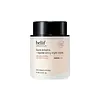
This barrier-repair overnight mask is formulated around Panthenol and Avena Sativa Kernel Extract to strengthen the skin barrier and hydrate skin.
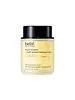
This hydrating overnight mask is formulated around Panthenol and Niacinamide to hydrate skin and strengthen the skin barrier.

What's inside
What's inside
 Key Ingredients
Benefits
Concerns
Ingredients Side-by-side
Water
Skin ConditioningGlycerin
Humectant


Butylene Glycol
Humectant
Hydrogenated Polydecene
EmollientTriethylhexanoin
MaskingCaprylic/Capric Triglyceride
Masking
1,2-Hexanediol
Skin Conditioning
Butyrospermum Parkii Butter
Skin Conditioning




Polyglycerin-3
Humectant
Glyceryl Stearate Se
Emulsifying
Cetearyl Alcohol
Emollient
Glyceryl Stearate
Emollient
Panthenol
Skin Conditioning

Avena Sativa Kernel Extract
Abrasive

Calendula Officinalis Flower Extract
Masking
Nepeta Cataria Extract
TonicRubus Idaeus Leaf Extract
Skin ConditioningBaptisia Tinctoria Root Extract
Skin ConditioningStellaria Media Extract
Skin ConditioningEuphrasia Officinalis Extract
AntimicrobialGlycyrrhiza Glabra Root Extract
Bleaching

Achillea Millefolium Flower Extract
Antioxidant
Aesculus Hippocastanum Leaf Extract
Skin ConditioningRhodiola Rosea Root Extract
EmollientVaccinium Myrtillus Fruit Extract
Skin ConditioningEquisetum Arvense Leaf Extract
AstringentLupinus Albus Seed Extract
Skin ConditioningTheobroma Cacao Seed Extract
Antioxidant
Rosa Canina Fruit Oil
Emollient
Helianthus Annuus Seed Oil
Emollient
Beta-Glucan
Skin Conditioning
Tocopherol
Antioxidant

Adenosine
Skin Conditioning
Dextrin
AbsorbentSorbitan Stearate
Emulsifying
Polyglyceryl-10 Oleate
Skin Conditioning
Dimethicone
Emollient
Sodium Polyacrylate
Absorbent
Carbomer
Emulsion StabilisingTromethamine
BufferingTrisodium EDTA
ChelatingMica
Cosmetic ColorantCI 77891
Cosmetic ColorantCI 77491
Cosmetic ColorantCitrus Aurantium Dulcis Peel Oil
Masking
Citrus Aurantifolia Oil
Cleansing

Rosmarinus Officinalis Leaf Oil
Masking
Pelargonium Graveolens Flower Oil
Masking
Limonene
Perfuming
Citronellol
Perfuming
Geraniol
Perfuming
Citral
Perfuming
Linalool
Perfuming
Water, Glycerin, Butylene Glycol, Hydrogenated Polydecene, Triethylhexanoin, Caprylic/Capric Triglyceride, 1,2-Hexanediol, Butyrospermum Parkii Butter, Polyglycerin-3, Glyceryl Stearate Se, Cetearyl Alcohol, Glyceryl Stearate, Panthenol, Avena Sativa Kernel Extract, Calendula Officinalis Flower Extract, Nepeta Cataria Extract, Rubus Idaeus Leaf Extract, Baptisia Tinctoria Root Extract, Stellaria Media Extract, Euphrasia Officinalis Extract, Glycyrrhiza Glabra Root Extract, Achillea Millefolium Flower Extract, Aesculus Hippocastanum Leaf Extract, Rhodiola Rosea Root Extract, Vaccinium Myrtillus Fruit Extract, Equisetum Arvense Leaf Extract, Lupinus Albus Seed Extract, Theobroma Cacao Seed Extract, Rosa Canina Fruit Oil, Helianthus Annuus Seed Oil, Beta-Glucan, Tocopherol, Adenosine, Dextrin, Sorbitan Stearate, Polyglyceryl-10 Oleate, Dimethicone, Sodium Polyacrylate, Carbomer, Tromethamine, Trisodium EDTA, Mica, CI 77891, CI 77491, Citrus Aurantium Dulcis Peel Oil, Citrus Aurantifolia Oil, Rosmarinus Officinalis Leaf Oil, Pelargonium Graveolens Flower Oil, Limonene, Citronellol, Geraniol, Citral, Linalool
Water
Skin ConditioningGlycerin
Humectant
Helianthus Annuus Seed Oil
Emollient
Dicaprylyl Carbonate
EmollientGlyceryl Stearate
Emollient
1,2-Hexanediol
Skin Conditioning
Cetyl Alcohol
Emollient
Betaine
Humectant
Panthenol
Skin Conditioning
Polyglyceryl-3 Methylglucose Distearate
Emulsifying
Cetearyl Olivate
Glyceryl Stearate Citrate
Emollient
Stearic Acid
Cleansing
Butylene Glycol
Humectant
Macadamia Seed Oil Polyglyceryl-6 Esters Behenate
Emollient
Sorbitan Olivate
Emulsifying
Lactobacillus/Soybean Ferment Extract
Skin ConditioningSaccharomyces/Potato Extract Ferment Filtrate
Humectant
Saccharomyces/Barley Seed Ferment Filtrate
HumectantTromethamine
BufferingNiacinamide
Smoothing




Tocopherol
Antioxidant
Avena Sativa Kernel Extract
Abrasive
Calendula Officinalis Flower Extract
Masking
Nepeta Cataria Extract
TonicRubus Idaeus Leaf Extract
Skin ConditioningBaptisia Tinctoria Root Extract
Skin ConditioningStellaria Media Extract
Skin ConditioningAlchemilla Vulgaris Leaf Extract
Antioxidant
Althaea Officinalis Root Extract
Skin Conditioning
Rosa Damascena Flower Extract
Masking
Spiraea Ulmaria Flower Extract
Skin ConditioningViola Tricolor Extract
EmollientAscorbic Acid
Antioxidant
Cyanocobalamin
Skin ConditioningCarbomer
Emulsion StabilisingMaltodextrin
Absorbent
Glycine Soja Oil
Emollient
Sodium Citrate
BufferingElaeis Guineensis Oil
Emollient
Citric Acid
Buffering
Trisodium EDTA
ChelatingXanthan Gum
EmulsifyingCitrus Aurantifolia Oil
Cleansing
Pelargonium Graveolens Flower Oil
Masking
Rosmarinus Officinalis Leaf Oil
Masking
Citrus Aurantium Dulcis Peel Oil
Masking
Limonene
Perfuming
Citronellol
Perfuming
Geraniol
Perfuming
Citral
Perfuming
Linalool
Perfuming
Water, Glycerin, Helianthus Annuus Seed Oil, Dicaprylyl Carbonate, Glyceryl Stearate, 1,2-Hexanediol, Cetyl Alcohol, Betaine, Panthenol, Polyglyceryl-3 Methylglucose Distearate, Cetearyl Olivate, Glyceryl Stearate Citrate, Stearic Acid, Butylene Glycol, Macadamia Seed Oil Polyglyceryl-6 Esters Behenate, Sorbitan Olivate, Lactobacillus/Soybean Ferment Extract, Saccharomyces/Potato Extract Ferment Filtrate, Saccharomyces/Barley Seed Ferment Filtrate, Tromethamine, Niacinamide, Tocopherol, Avena Sativa Kernel Extract, Calendula Officinalis Flower Extract, Nepeta Cataria Extract, Rubus Idaeus Leaf Extract, Baptisia Tinctoria Root Extract, Stellaria Media Extract, Alchemilla Vulgaris Leaf Extract, Althaea Officinalis Root Extract, Rosa Damascena Flower Extract, Spiraea Ulmaria Flower Extract, Viola Tricolor Extract, Ascorbic Acid, Cyanocobalamin, Carbomer, Maltodextrin, Glycine Soja Oil, Sodium Citrate, Elaeis Guineensis Oil, Citric Acid, Trisodium EDTA, Xanthan Gum, Citrus Aurantifolia Oil, Pelargonium Graveolens Flower Oil, Rosmarinus Officinalis Leaf Oil, Citrus Aurantium Dulcis Peel Oil, Limonene, Citronellol, Geraniol, Citral, Linalool
Ingredients Explained
These ingredients are found in both products.
Ingredients higher up in an ingredient list are typically present in a larger amount.
1,2-Hexanediol is a synthetic liquid and another multi-functional powerhouse.
It is a:
- Humectant, drawing moisture into the skin
- Emollient, helping to soften skin
- Solvent, dispersing and stabilizing formulas
- Preservative booster, enhancing the antimicrobial activity of other preservatives
Avena Sativa Kernel Extract is is derived from colloidal oatmeal. Besides being a healthy breakfast, oats have many benefits in skincare too.
This ingredient helps sooth, hydrate, and protect the skin. The starches in colloidal oatmeal are able to bind water, keeping the skin hydrated.
The cellulose and fiber in colloidal oatmeal help reduce inflammation. This can also help the skin feel softer.
Colloidal Oatmeal is also an antioxidant. Antioxidants protect our skin from free-radical damage.
Oatmeal also contains beneficial compounds:
This ingredient is created by mixing grounded oatmeal and a liquid base.
Learn more about Avena Sativa Kernel ExtractThis ingredient is also known as wild indigo.
Butylene Glycol (or BG) is used within cosmetic products for a few different reasons:
Overall, Butylene Glycol is a safe and well-rounded ingredient that works well with other ingredients.
Though this ingredient works well with most skin types, some people with sensitive skin may experience a reaction such as allergic rashes, closed comedones, or itchiness.
Learn more about Butylene GlycolCalendula Officinalis Flower Extract comes from the marigold flower and has been used on skin for centuries for its calming effect.
In the lab, its active compounds appear to calm inflammation and support the early "healing" phase of minor wounds.
This is why Europe's medicines regulator has approved calendula extracts as a traditional remedy for minor skin inflammation and healing small wounds.
The stronger human evidence is around would/ulcer care rather than everyday cosmetic claims; a review that pulled together 14 studies found that calendula helped calm the early, inflamed stage of a wound and helped new skin tissue form faster.
Two studies also showed it shrank leg ulcers (the kind caused by poor circulation). Results were mixed for burns and for the skin irritation people get from radiation treatment, so it's not a sure thing there.
In cosmetics, it's mostly a skin conditioning and soothing agent.
The Cosmetic Ingredient Review panel concluded that calendula-derived ingredients are safe as used and that the ingredients are not irritating, sensitizing, or photosensitizing in clinical tests (though they may be mild eye irritants).
Typical use levels are quite low; industry data reported it used at under 0.5% (one supplier noted a 10-25% extract blend used at 1-10% in the finished product). Historical use goes up to 10%.
The only thing to keep in mind is if you have daisy/ragweed allergies. Calendula is in the same family and one patch-test study found 2% of dermatitis patients reacted to marigold. Be sure to patch test if you have sensitive or allergy-prone skin.
Learn more about Calendula Officinalis Flower ExtractCarbomer is a synthetic thickening and gelling agent. It's basically the ingredient that gives a lot of serums, gels, creams, and sunscreens their smooth, non-sticky texture.
Although legally permitted at very high levels, carbomers are normally used at concentrations below 1%.
It also needs to be neutralized to actually thicken, and because it is a large molecule, it doesn't really penetrate the skin barrier.
Allergy-wise, the risk is very low. Clinical studies show carbomers have low potential for skin irritation/sensitization even at concentrations up to 100%.
A 2024 UK study patch-tested 1,302 patients and found true allergy to the parent group of carbomer to be rare with no confirmed relevant reactions.
Learn more about CarbomerCitral is the molecule responsible for the fresh lemon scent in lemon, lime, and lemongrass. It is a fragrance ingredient that can be created from plant essential oils or synthetically.
Though Citral has documented antimicrobial activity against acne bacteria (which is where the marketing claims about it being good for acne-prone skin originate), real formulas use it at fragrance-level concentrations under 1% so there's likely no skin benefit.
You should know this ingredient is a known EU fragrance allergen.
Animal studies classifies this ingredient as a weak-to-moderate skin sensitizer and clinical patch testing on eczema patients confirmed it to be both a contact allergen and irritant.
The term 'citral' is a collective term for two geometric isomers: geranial/Citral A and neral/Citral B.
The term 'fragrance' is not regulated in many countries. In many cases, it is up to the brand to define this term. For instance, many brands choose to label themselves as "fragrance-free" because they are not using synthetic fragrances. However, their products may still contain ingredients such as essential oils that are considered a fragrance.
Learn more about CitralCitronellol is used to add fragrance/parfum to a product. It is often derived from plants such as roses. In fact, it can be found in many essential oils including geranium, lavender, neroli, and more. The scent of Citronellol is often described as "fresh, grassy, and citrus-like".
Since the Citronellol molecule is already unstable, Citronellol becomes irritating on the skin when exposed to air.
Citronellol is a modified terpene. Terpenes are unsaturated hydrocarbons found in plants. They make up the primary part of essential oils.
Citronellol is not able to be absorbed into deeper layers of the skin. It has low permeability,
Citronellol is also a natural insect repellent.
Learn more about CitronellolThis ingredient is also known as lime essential oil or key lime essential oil.
Like other citrus extracts and oils, this ingredient contains furanocoumarins that can cause phototoxicity.
Citrus Aurantium Dulcis Peel Oil is oil from the peel of an orange fruit.
Limonene and linalool make up the majority of oils from citrus peels. Limonene has a "citrus" fragrance. Citrus peels also contain flavonoids, which have anti-inflammatory properties.
Citrus peel is also a rich source of flavonoids. Flavonoids are natural antioxidants and help protect your skin against damage. Flavonoids are a group of compounds naturally found in vegetables and fruits.
The term 'fragrance' is not regulated in many countries. In many cases, it is up to the brand to define this term. For instance, many brands choose to label themselves as "fragrance-free" because they are not using synthetic fragrances. However, their products may still contain ingredients such as essential oils that are considered a fragrance.
Learn more about Citrus Aurantium Dulcis Peel OilGeraniol is used to add fragrance/parfum to a product. It is the main component of citronellol. It is a monoterpenoid and an alcohol.
Monoterpenes are naturally found in many parts of different plants.
Geraniol can be found in many essential oils including Rose Oil and Citronella Oil. The scent of Geraniol is often described as "rose-like". Many foods also contain Geraniol for fruit flavoring.
Geraniol can irritate the skin when exposed to air. However, irritation depends on the ability of geraniol to penetrate into the skin. In general, geraniol is not able to penetrate skin easily.
Geraniol is colorless and has low water-solubility. However, it is soluble in common organic solvents.
Like citronellol, it is a natural insect repellent.
2,6-Octadien-1-ol, 3,7-dimethyl-, (2E)-
Learn more about GeraniolGlycerin (or glycerol) is a compound naturally found in your skin. It's a powerhouse humectant that pulls water into the stratum corneum.
Topically, glycerin does several things at once:
Your skin makes glycerin on its own (mostly from sebaceous oil breakdown) and shuttles it to your outermost layer of skin, or your epidermis, via aquaporin-3.
Aquaporin-3 is a transporter that is essential for normal skin hydration, elasticity, and repair. Interestingly, mice lacking in AQP3 have dry and less elastic skin that can be fully corrected with glycerin.
This ingredient is non-irritating, plays well with almost every ingredient, and works across all skin types. Typical use is anywhere between 3-10% but can go up to 79% in some leave-on products.
Just know very high concentrations (>40%) can feel tacky in low humidity.
Glycerin is the name for this ingredient in American English. British English uses Glycerol/Glycerine.
Learn more about GlycerinGlyceryl Stearate is made by reacting glycerin with stearic acid (typically sourced from plant oils like palm or coconut). It's an emulsifier, emollient, and mild occlusive.
Emulsifiers help ingredients like oil and water stay mixed so your formula stays nicely blended and uniform in texture.
This ingredient is typically used in concentrations between 1-10%. Studies have found it to be non-sensitizing, non-phototoxic, and non-photoallergenic.
A close cousin of this ingredient is Glyceryl Stearate SE ("self-emulsifying"). This just has a small amount of sodium or potassium stearate added so it can emulsify without a co-emulsifier.
Since this ingredient is an ester of a C18 fatty acid, it may not be fungal acne safe. The Malassezia yeast can potentially metabolize within the C11-C24 range.
Fun fact: The human body also creates Glyceryl Stearate naturally.
Learn more about Glyceryl StearateHelianthus Annuus Seed Oil is a plant oil derived from the seeds of a sunflower.
It is rich in fatty acids, primarily linoleic acid and oleic acid. This gives it emollient and skin conditioning properties.
The reason this ingredient is so effective is because it forms a thin film on the skin that reduces transepidermal water loss (TEWL) while supplying linoleic acid to the stratum corneum to improve barrier strength.
The high linoleic acid content is particularly noteworthy for acne-prone skin.
Research suggests that acne-prone skin tends to be deficient in linoleic acid in sebum. Topical application may help replenish this to support a healthier follicular environment and less comedone-promoting sebum.
One randomized study found sunflower seed oil preserved skin barrier integrity in adult volunteers with and without atopic dermatitis (outperforming olive oil).
This ingredient is well-studied, gentle, and an effective emollient suitable for most skin types.
On fungal acne: This ingredient may not be Fungal acne (Malassezia folliculitis) safe. This is because it contains fatty acids with carbon chain lengths in the C11-C24 range.
Learn more about Helianthus Annuus Seed OilLimonene is the compound that gives citrus peel its smell.
In skincare, it shows up as a standalone fragrance ingredient or as a natural compound of citrus and other essential oils.
You'll typically see this ingredient used in very small amounts; anything above 0.001% in a leave-on product or 0.01% in a rinse-off has to be named on the label in the EU. The citrus oils that carry it sit around 0.5-1% in a finished formula.
Fresh limonene is a weak allergen; the real issue is that it slowly reacts with air and then breaks down from oxidation to create hydroperoxides (which are strong sensitizers). This is why suppliers are required to keep the peroxide value below 20 mmol.
Positive reactions in people being investigated for eczema vary:
It's worth skipping if you have a known fragrance allergy or a compromised barrier, but the risk is low for most people.
Older or long-opened products are also more likely to bother you than fresh ones due to oxidation.
Learn more about LimoneneLinalool is a small, naturally occurring scent molecule found in plants like lavender, coriander, bergamot, and more.
It is one of the two most-used fragrance ingredients in cosmetics and added purely for smell. Since it's not used for a skin benefit, there's no "effective dose". Concentration depends on the fragrance load of the product.
The EU requires it to be named on the label above 0.001% in leave-on and 0.01% in rinse-off products.
Fresh linalool is a weak sensitizer but air exposure turns some of it into hydroperoxides, which are strong sensitizers. Those oxidation products are the actual allergy concern.
Patch-test clinics see positive reactions to linalool hydroperoxides in about 4% to 12% of dermatitis patients depending on country and test concentration.
Resassuringly, one analytical study found hydroperoxide levels in real fragranced products to be orders of magnitude below what induced sensitization in animal studies with no evidence of oxidation building up during normal storage.
The practical takeaway is that linalool is fine for most people but worth avoiding if you have a confirmed fragrance contact allergy or a badly compromised barrier.
Products stored a long time after opening are also the high-risk scenario since that is when oxidation happens.
The scent of linalool is described as floral, spicy tropical, and citrus-like.
Learn more about LinaloolCatnip has antioxidant and antimicrobial properties.
Fun fact: This plant is called "cataria" or "catnip" because 2/3 of all cats are attracted to this plant.
Panthenol is a common ingredient that helps hydrate and soothe the skin. It is found naturally in our skin and hair.
There are two forms of panthenol: D and L.
D-panthenol is also known as dexpanthenol. Most cosmetics use dexpanthenol or a mixture of D and L-panthenol.
Panthenol is famous due to its ability to go deeper into the skin's layers. Using this ingredient has numerous pros (and no cons):
Like hyaluronic acid, panthenol is a humectant. Humectants are able to bind and hold large amounts of water to keep skin hydrated.
This ingredient works well for wound healing. It works by increasing tissue in the wound and helps close open wounds.
Once oxidized, panthenol converts to pantothenic acid. Panthothenic acid is found in all living cells.
This ingredient is also referred to as pro-vitamin B5.
Learn more about PanthenolPelargonium Graveolens Flower Oil is the pressed oil of the Rose Geranium plant. It is volatile, meaning it evaporates off the skin.
Fragrant components of Rose Geranium include citronellol and geraniol. These may cause allergies and skin-sensitivity. We recommend speaking with a professional if you have any concerns.
The scent of Rose Geranium closely resembles traditional roses.
Learn more about Pelargonium Graveolens Flower OilRosmarinus Officinalis Leaf Oil is an essential oil also known as rosemary essential oil. In skincare, it is a skin conditioning agent and also acts as a natural fragrance that gives products a fresh/herby smell.
The oil is a mix of over 100 volatile compounds with 1,8-cineole, α-pinene, camphor, and verbenone usually leading the pack.
Lab studies credit this oil with antioxidant, anti-inflammatory, and antimicrobial activity. Some research even show rosemary compounds calming acne-related inflammation.
The Cosmetic Ingredient Review (CIR) has concluded rosemary-derived ingredients to be safe when formulated to be nonsensitizing.
Since this is a fragrant essential oil, the main concern is for fragrance-sensitive folks.
Learn more about Rosmarinus Officinalis Leaf OilWe don't have a description for Rubus Idaeus Leaf Extract yet.
We don't have a description for Stellaria Media Extract yet.
Tocopherol is a fat-soluble antioxidant known as Vitamin E.
You'll find this ingredient in the vast majority of skincare (for good reason). It works to neutralize free radicals, or unstable molecules generated by UV exposure, pollution, and other environmental stressors, before they can cause oxidative damage to your skin cells.
Topically applied tocopherol has been shown to protect against UV damage by ramping up the skin's own natural defense enzymes.
It also acts as a skin conditioning agent; some studies show that regular topical use can improve the skin's water-binding capacity over 2-4 weeks.
This ingredient is especially loved for being a team player. When combined with Vitamin C, the photoprotective effect of both ingredients roughly doubles and the combo also helps reduce UV-induced DNA damage.
This ingredient has some brightening potential but it's more of a prevention ingredient than spot-fader. Cell studies show it can slow down melanin production but it's worth noting that it's not the most powerful brightener out there.
In formulations, it also serves as a stabilizer that helps protect other oxidation-prone ingredients from degrading.
Concentrations usually range from 0.1-1% in most leave-on products.
Learn more about TocopherolTrisodium EDTA is one of those quietly essential helper ingredients that most people have never heard of. You'll most likely spot it near the end of ingredient lists in almost every category of skincare.
So what does it actually do?
Its main job is chelation; this is a fancy word to say it grabs onto metal ions and neutralizes them. This is because even purified water in cosmetics contains trace amounts of metals that can cause big problems in a formula.
These trace metals can break down actives faster, cause discoloration, promote rancidity in oils, and make preservatives less effective. Trisodium EDTA binds to these metals and takes them out of the equation so your products can stay stable and effective for longer.
There's also an added bonus: by neutralizing the metals ions that bacteria need to thrive, this ingredient also acts as a preservative booster.
The Cosmetic Ingredient Review has concluded this ingredient to be safe as used in cosmetic formulations. It is not considered an irritant, sensitizer, and is barely absorbed through the skin.
Learn more about Trisodium EDTATromethamine (aka THAM) is a synthetic amino acid that shows up in skincare as a helper ingredient.
It functions as a pH adjuster to help neutralize acidic ingredients and set a formula's pH to the right spot.
This matters a lot because a lot of actives (like vitamin C) needs a specific pH to work well and feel comfortable on skin.
Concentration use ranges from 0.1-1.0% depending on the formula.
Learn more about TromethamineWater. It's the most common cosmetic ingredient of all. You'll usually see it at the top of ingredient lists, meaning that it makes up the largest part of the product.
So why is it so popular? Water most often acts as a solvent - this means that it helps dissolve other ingredients into the formulation.
You'll also recognize water as that liquid we all need to stay alive. If you see this, drink a glass of water. Remember to stay hydrated!
Learn more about Water

