Round Lab Camellia Deep Collagen Jelly Mask Cleanser Versus Belif Super Knights Multi Vitamin Sleeping Mask
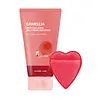
This mild gel cleanser is mild enough to cleanse without leaving skin feeling tight or stripped.
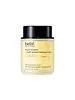
This hydrating overnight mask is formulated around Panthenol and Niacinamide to hydrate skin and strengthen the skin barrier.

What's inside
What's inside
 Key Ingredients
Benefits
Concerns
Ingredients Side-by-side
Water
Skin ConditioningGlycerin
Humectant


Sodium Cocoyl Alaninate
Surfactant
Disodium Cocoamphodiacetate
CleansingXanthan Gum
EmulsifyingHydroxypropyl Starch Phosphate
1,2-Hexanediol
Skin Conditioning
Sodium Chloride
MaskingAcrylates/C10-30 Alkyl Acrylate Crosspolymer
Emulsion StabilisingCaprylyl Glycol
Emollient
Amorphophallus Konjac Root Powder
Abrasive
Glucomannan
Skin ConditioningCitric Acid
Buffering


Lauryl Hydroxysultaine
CleansingPolyglyceryl-10 Laurate
Skin Conditioning
Camellia Japonica Flower Extract
EmollientOlea Europaea Fruit Oil
Masking



Disodium 2-Sulfolaurate
CleansingCaprylic/Capric Triglyceride
Masking
Propanediol
Solvent
Sodium Phytate
ChelatingGardenia Florida Fruit Extract
Skin ConditioningPolyglyceryl-10 Isostearate
Skin Conditioning
Dextrin
AbsorbentHydrogenated Lecithin
Emulsifying
Pinus Sylvestris Leaf Oil
Masking
Lavandula Angustifolia Oil
Masking


Hexylene Glycol
EmulsifyingCananga Odorata Flower Oil
Masking
Polyglyceryl-10 Oleate
Skin Conditioning
Linalool
Perfuming
Butylene Glycol
Humectant
Rosmarinus Officinalis Leaf Oil
Masking
Sodium Citrate
BufferingCeramide NP
Skin Conditioning



Melaleuca Alternifolia Leaf Oil
Antioxidant


Pelargonium Graveolens Flower Oil
Masking
Vincetoxicum Atratum Extract
Skin ConditioningEthylhexylglycerin
Skin ConditioningAlthaea Rosea Flower Extract
Skin ConditioningHydrolyzed Collagen
Emollient
Methylpropanediol
SolventInositol
Humectant
Soluble Collagen
Humectant
Arginine
Masking
Quercetin
Antioxidant
Water, Glycerin, Sodium Cocoyl Alaninate, Disodium Cocoamphodiacetate, Xanthan Gum, Hydroxypropyl Starch Phosphate, 1,2-Hexanediol, Sodium Chloride, Acrylates/C10-30 Alkyl Acrylate Crosspolymer, Caprylyl Glycol, Amorphophallus Konjac Root Powder, Glucomannan, Citric Acid, Lauryl Hydroxysultaine, Polyglyceryl-10 Laurate, Camellia Japonica Flower Extract, Olea Europaea Fruit Oil, Disodium 2-Sulfolaurate, Caprylic/Capric Triglyceride, Propanediol, Sodium Phytate, Gardenia Florida Fruit Extract, Polyglyceryl-10 Isostearate, Dextrin, Hydrogenated Lecithin, Pinus Sylvestris Leaf Oil, Lavandula Angustifolia Oil, Hexylene Glycol, Cananga Odorata Flower Oil, Polyglyceryl-10 Oleate, Linalool, Butylene Glycol, Rosmarinus Officinalis Leaf Oil, Sodium Citrate, Ceramide NP, Melaleuca Alternifolia Leaf Oil, Pelargonium Graveolens Flower Oil, Vincetoxicum Atratum Extract, Ethylhexylglycerin, Althaea Rosea Flower Extract, Hydrolyzed Collagen, Methylpropanediol, Inositol, Soluble Collagen, Arginine, Quercetin
Water
Skin ConditioningGlycerin
Humectant
Helianthus Annuus Seed Oil
Emollient
Dicaprylyl Carbonate
EmollientGlyceryl Stearate
Emollient
1,2-Hexanediol
Skin Conditioning
Cetyl Alcohol
Emollient
Betaine
Humectant
Panthenol
Skin Conditioning
Polyglyceryl-3 Methylglucose Distearate
Emulsifying
Cetearyl Olivate
Glyceryl Stearate Citrate
Emollient
Stearic Acid
Cleansing
Butylene Glycol
Humectant
Macadamia Seed Oil Polyglyceryl-6 Esters Behenate
Emollient
Sorbitan Olivate
Emulsifying
Lactobacillus/Soybean Ferment Extract
Skin ConditioningSaccharomyces/Potato Extract Ferment Filtrate
Humectant
Saccharomyces/Barley Seed Ferment Filtrate
HumectantTromethamine
BufferingNiacinamide
Smoothing



Tocopherol
Antioxidant
Avena Sativa Kernel Extract
Abrasive
Calendula Officinalis Flower Extract
Masking
Nepeta Cataria Extract
TonicRubus Idaeus Leaf Extract
Skin ConditioningBaptisia Tinctoria Root Extract
Skin ConditioningStellaria Media Extract
Skin ConditioningAlchemilla Vulgaris Leaf Extract
Antioxidant
Althaea Officinalis Root Extract
Skin Conditioning
Rosa Damascena Flower Extract
Masking
Spiraea Ulmaria Flower Extract
Skin ConditioningViola Tricolor Extract
EmollientAscorbic Acid
Antioxidant
Cyanocobalamin
Skin ConditioningCarbomer
Emulsion StabilisingMaltodextrin
Absorbent
Glycine Soja Oil
Emollient
Sodium Citrate
BufferingElaeis Guineensis Oil
Emollient
Citric Acid
Buffering
Trisodium EDTA
ChelatingXanthan Gum
EmulsifyingCitrus Aurantifolia Oil
Cleansing
Pelargonium Graveolens Flower Oil
Masking
Rosmarinus Officinalis Leaf Oil
Masking
Citrus Aurantium Dulcis Peel Oil
Masking
Limonene
Perfuming
Citronellol
Perfuming
Geraniol
Perfuming
Citral
Perfuming
Linalool
Perfuming
Water, Glycerin, Helianthus Annuus Seed Oil, Dicaprylyl Carbonate, Glyceryl Stearate, 1,2-Hexanediol, Cetyl Alcohol, Betaine, Panthenol, Polyglyceryl-3 Methylglucose Distearate, Cetearyl Olivate, Glyceryl Stearate Citrate, Stearic Acid, Butylene Glycol, Macadamia Seed Oil Polyglyceryl-6 Esters Behenate, Sorbitan Olivate, Lactobacillus/Soybean Ferment Extract, Saccharomyces/Potato Extract Ferment Filtrate, Saccharomyces/Barley Seed Ferment Filtrate, Tromethamine, Niacinamide, Tocopherol, Avena Sativa Kernel Extract, Calendula Officinalis Flower Extract, Nepeta Cataria Extract, Rubus Idaeus Leaf Extract, Baptisia Tinctoria Root Extract, Stellaria Media Extract, Alchemilla Vulgaris Leaf Extract, Althaea Officinalis Root Extract, Rosa Damascena Flower Extract, Spiraea Ulmaria Flower Extract, Viola Tricolor Extract, Ascorbic Acid, Cyanocobalamin, Carbomer, Maltodextrin, Glycine Soja Oil, Sodium Citrate, Elaeis Guineensis Oil, Citric Acid, Trisodium EDTA, Xanthan Gum, Citrus Aurantifolia Oil, Pelargonium Graveolens Flower Oil, Rosmarinus Officinalis Leaf Oil, Citrus Aurantium Dulcis Peel Oil, Limonene, Citronellol, Geraniol, Citral, Linalool
Ingredients Explained
These ingredients are found in both products.
Ingredients higher up in an ingredient list are typically present in a larger amount.
1,2-Hexanediol is a synthetic liquid and another multi-functional powerhouse.
It is a:
- Humectant, drawing moisture into the skin
- Emollient, helping to soften skin
- Solvent, dispersing and stabilizing formulas
- Preservative booster, enhancing the antimicrobial activity of other preservatives
Butylene Glycol (or BG) is used within cosmetic products for a few different reasons:
Overall, Butylene Glycol is a safe and well-rounded ingredient that works well with other ingredients.
Though this ingredient works well with most skin types, some people with sensitive skin may experience a reaction such as allergic rashes, closed comedones, or itchiness.
Learn more about Butylene GlycolCitric Acid is an alpha hydroxy acid (AHA) naturally found in citrus fruits like oranges, lemons, and limes.
Like other AHAs, citric acid can exfoliate skin by breaking down the bonds that hold dead skin cells together. This helps reveal smoother and brighter skin underneath.
However, this exfoliating effect only happens at high concentrations (20%) which can be hard to find in cosmetic products.
Due to this, citric acid is usually included in small amounts as a pH adjuster. This helps keep products slightly more acidic and compatible with skin's natural pH.
In skincare formulas, citric acid can:
While it can provide some skin benefits, research shows lactic acid and glycolic acid are generally more effective and less irritating exfoliants.
Most citric acid used in skincare today is made by fermenting sugars (usually from molasses). This synthetic version is identical to the natural citrus form but easier to stabilize and use in formulations.
Rosacea skin has a lower threshold for acids generally, with 62.5% of rosacea subjects in one study reacting to lactic acid in a sting test. This is why we mark citric acid as a potential rosacea trigger.
However, this ingredient shows up as a pH adjuster or chelator at roughly 0.1-1% in many products. These low levels are unlikely to be an issue for rosacea skin and becomes a potential trigger at exfoliating concentrations (20%). Because everybody's skin is unique, we recommend a patch test if you are unsure.
Learn more about Citric AcidGlycerin (or glycerol) is a compound naturally found in your skin. It's a powerhouse humectant that pulls water into the stratum corneum.
Topically, glycerin does several things at once:
Your skin makes glycerin on its own (mostly from sebaceous oil breakdown) and shuttles it to your outermost layer of skin, or your epidermis, via aquaporin-3.
Aquaporin-3 is a transporter that is essential for normal skin hydration, elasticity, and repair. Interestingly, mice lacking in AQP3 have dry and less elastic skin that can be fully corrected with glycerin.
This ingredient is non-irritating, plays well with almost every ingredient, and works across all skin types. Typical use is anywhere between 3-10% but can go up to 79% in some leave-on products.
Just know very high concentrations (>40%) can feel tacky in low humidity.
Glycerin is the name for this ingredient in American English. British English uses Glycerol/Glycerine.
Learn more about GlycerinLinalool is a small, naturally occurring scent molecule found in plants like lavender, coriander, bergamot, and more.
It is one of the two most-used fragrance ingredients in cosmetics and added purely for smell. Since it's not used for a skin benefit, there's no "effective dose". Concentration depends on the fragrance load of the product.
The EU requires it to be named on the label above 0.001% in leave-on and 0.01% in rinse-off products.
Fresh linalool is a weak sensitizer but air exposure turns some of it into hydroperoxides, which are strong sensitizers. Those oxidation products are the actual allergy concern.
Patch-test clinics see positive reactions to linalool hydroperoxides in about 4% to 12% of dermatitis patients depending on country and test concentration.
Resassuringly, one analytical study found hydroperoxide levels in real fragranced products to be orders of magnitude below what induced sensitization in animal studies with no evidence of oxidation building up during normal storage.
The practical takeaway is that linalool is fine for most people but worth avoiding if you have a confirmed fragrance contact allergy or a badly compromised barrier.
Products stored a long time after opening are also the high-risk scenario since that is when oxidation happens.
The scent of linalool is described as floral, spicy tropical, and citrus-like.
Learn more about LinaloolPelargonium Graveolens Flower Oil is the pressed oil of the Rose Geranium plant. It is volatile, meaning it evaporates off the skin.
Fragrant components of Rose Geranium include citronellol and geraniol. These may cause allergies and skin-sensitivity. We recommend speaking with a professional if you have any concerns.
The scent of Rose Geranium closely resembles traditional roses.
Learn more about Pelargonium Graveolens Flower OilRosmarinus Officinalis Leaf Oil is an essential oil also known as rosemary essential oil. In skincare, it is a skin conditioning agent and also acts as a natural fragrance that gives products a fresh/herby smell.
The oil is a mix of over 100 volatile compounds with 1,8-cineole, α-pinene, camphor, and verbenone usually leading the pack.
Lab studies credit this oil with antioxidant, anti-inflammatory, and antimicrobial activity. Some research even show rosemary compounds calming acne-related inflammation.
The Cosmetic Ingredient Review (CIR) has concluded rosemary-derived ingredients to be safe when formulated to be nonsensitizing.
Since this is a fragrant essential oil, the main concern is for fragrance-sensitive folks.
Learn more about Rosmarinus Officinalis Leaf OilSodium Citrate is the sodium salts of citric acid. In skincare, it is used to alter pH levels and acts as a preservative.
Its main functions are to maintain the pH of a product and neutralize metal ions.
The acidity of our skin is maintained by our glands and skin biome; normal pH level of skin is slightly acidic (~4.75-5.5).
Being slightly acidic allows our skin to create an "acid mantle". This acid mantle is a thin barrier that protects our skin from bacteria and contaminants.
Learn more about Sodium CitrateWater. It's the most common cosmetic ingredient of all. You'll usually see it at the top of ingredient lists, meaning that it makes up the largest part of the product.
So why is it so popular? Water most often acts as a solvent - this means that it helps dissolve other ingredients into the formulation.
You'll also recognize water as that liquid we all need to stay alive. If you see this, drink a glass of water. Remember to stay hydrated!
Learn more about WaterXanthan gum is used as a stabilizer and thickener within cosmetic products. It helps give products a sticky, thick feeling - preventing them from being too runny.
On the technical side of things, xanthan gum is a polysaccharide - a combination consisting of multiple sugar molecules bonded together.
Xanthan gum is a pretty common and great ingredient. It is a natural, non-toxic, non-irritating ingredient that is also commonly used in food products.
Learn more about Xanthan Gum

