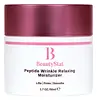
This anti-aging moisturizer is formulated around Acetyl Glucosamine and Acetyl Hexapeptide-8 to soften the look of wrinkles.
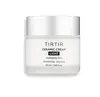
This barrier-repair moisturizer is formulated around Centella Asiatica Extract and Glycyrrhiza Glabra Root Extract to strengthen the skin barrier and calm redness.


What's inside
What's inside
 Key Ingredients
Benefits
Concerns
Ingredients Side-by-side
Water
Skin ConditioningPentaerythrityl Tetraethylhexanoate
Emollient
Glycerin
Humectant

Dimethicone
Emollient
Mica
Cosmetic ColorantPolyglyceryl-4 Stearate
Emulsifying

Silica
Abrasive


Isononyl Isononanoate
EmollientMacadamia Ternifolia Seed Oil
Emollient
Myristyl Myristate
Emollient


Acetyl Glucosamine
Skin Conditioning


S-Mu-Conotoxin Cniiic Acetate
Skin ConditioningAcetyl Hexapeptide-8
Humectant
Amaranthus Caudatus Seed Oil
Emollient
Hordeum Vulgare Extract
EmollientTriticum Vulgare Germ Oil
Emollient
Leuconostoc/Radish Root Ferment Filtrate
Antimicrobial
Polyglutamic Acid
Skin Conditioning
Betula Alba Bark Extract
Masking
Hydrolyzed Vegetable Protein
Skin ConditioningStearyl Alcohol
Emollient
Polysilicone-11
Glycyrrhetinic Acid
Skin Conditioning
Niacinamide
Smoothing



Caffeine
Skin Conditioning
Cocos Nucifera Oil
Masking
Sodium Hyaluronate
Humectant
Punica Granatum Sterols
Skin Conditioning
Cocos Nucifera Water
Masking
Cocos Nucifera Fruit Juice
Emollient
Sucrose
Humectant
Linoleic Acid
Cleansing
Sodium Stearoyl Glutamate
CleansingCetyl Alcohol
Emollient
Coconut Alkanes
Emollient
Potassium Cetyl Phosphate
EmulsifyingButyrospermum Parkii Butter
Skin Conditioning
Dicaprylyl Ether
Emollient
Acrylates/C10-30 Alkyl Acrylate Crosspolymer
Emulsion StabilisingTromethamine
BufferingSqualane
Emollient
Propanediol
Solvent
Sodium Citrate
BufferingSorbic Acid
Preservative
Citric Acid
Buffering
Coco-Caprylate/Caprate
Emollient
Sodium Benzoate
Masking
Lecithin
Emollient
Ormenis Multicaulis Oil
Masking
Salvia Sclarea Oil
Masking
Hydroxyacetophenone
Antioxidant
1,2-Hexanediol
Skin Conditioning
Caprylyl Glycol
Emollient
Glyceryl Caprylate
EmollientTrisodium Ethylenediamine Disuccinate
Glyceryl Undecylenate
Emollient
Linalool
Perfuming

Water, Pentaerythrityl Tetraethylhexanoate, Glycerin, Dimethicone, Mica, Polyglyceryl-4 Stearate, Silica, Isononyl Isononanoate, Macadamia Ternifolia Seed Oil, Myristyl Myristate, Acetyl Glucosamine, S-Mu-Conotoxin Cniiic Acetate, Acetyl Hexapeptide-8, Amaranthus Caudatus Seed Oil, Hordeum Vulgare Extract, Triticum Vulgare Germ Oil, Leuconostoc/Radish Root Ferment Filtrate, Polyglutamic Acid, Betula Alba Bark Extract, Hydrolyzed Vegetable Protein, Stearyl Alcohol, Polysilicone-11, Glycyrrhetinic Acid, Niacinamide, Caffeine, Cocos Nucifera Oil, Sodium Hyaluronate, Punica Granatum Sterols, Cocos Nucifera Water, Cocos Nucifera Fruit Juice, Sucrose, Linoleic Acid, Sodium Stearoyl Glutamate, Cetyl Alcohol, Coconut Alkanes, Potassium Cetyl Phosphate, Butyrospermum Parkii Butter, Dicaprylyl Ether, Acrylates/C10-30 Alkyl Acrylate Crosspolymer, Tromethamine, Squalane, Propanediol, Sodium Citrate, Sorbic Acid, Citric Acid, Coco-Caprylate/Caprate, Sodium Benzoate, Lecithin, Ormenis Multicaulis Oil, Salvia Sclarea Oil, Hydroxyacetophenone, 1,2-Hexanediol, Caprylyl Glycol, Glyceryl Caprylate, Trisodium Ethylenediamine Disuccinate, Glyceryl Undecylenate, Linalool
Water
Skin ConditioningGlycerin
Humectant
Butylene Glycol
Humectant
Dimethicone
Emollient
Propanediol
Solvent
Glyceryl Stearate
Emollient
Caprylic/Capric Triglyceride
Masking
Isononyl Isononanoate
EmollientOctyldodecanol
Emollient
1,2-Hexanediol
Skin Conditioning
Cetearyl Alcohol
Emollient
Limnanthes Alba Seed Oil
Skin Conditioning
PEG-100 Stearate
Surfactant
Synthetic Beeswax
Emulsion Stabilising
Hamamelis Virginiana Extract
Antiseborrhoeic
Sodium Acrylate/Sodium Acryloyldimethyl Taurate Copolymer
Emulsion StabilisingIsohexadecane
EmollientPolysorbate 80
Emulsifying
Cetearyl Glucoside
Emulsifying
Xanthan Gum
EmulsifyingCentella Asiatica Extract
Cleansing
Caprylyl Glycol
Emollient
Camellia Sinensis Leaf Extract
Antimicrobial
Rosmarinus Officinalis Leaf Extract
AntimicrobialChamomilla Recutita Flower Extract
Masking
Glycyrrhiza Glabra Root Extract
Bleaching
Polygonum Cuspidatum Root Extract
Antioxidant
Scutellaria Baicalensis Root Extract
Astringent
Illicium Verum Fruit Extract
Perfuming
Disodium EDTA
Betaine
Humectant
Allantoin
Skin Conditioning
Trehalose
Humectant
Polysorbate 20
Emulsifying
Polyglutamic Acid
Skin Conditioning
Xylitol
Humectant
Ceramide NP
Skin Conditioning
Water, Glycerin, Butylene Glycol, Dimethicone, Propanediol, Glyceryl Stearate, Caprylic/Capric Triglyceride, Isononyl Isononanoate, Octyldodecanol, 1,2-Hexanediol, Cetearyl Alcohol, Limnanthes Alba Seed Oil, PEG-100 Stearate, Synthetic Beeswax, Hamamelis Virginiana Extract, Sodium Acrylate/Sodium Acryloyldimethyl Taurate Copolymer, Isohexadecane, Polysorbate 80, Cetearyl Glucoside, Xanthan Gum, Centella Asiatica Extract, Caprylyl Glycol, Camellia Sinensis Leaf Extract, Rosmarinus Officinalis Leaf Extract, Chamomilla Recutita Flower Extract, Glycyrrhiza Glabra Root Extract, Polygonum Cuspidatum Root Extract, Scutellaria Baicalensis Root Extract, Illicium Verum Fruit Extract, Disodium EDTA, Betaine, Allantoin, Trehalose, Polysorbate 20, Polyglutamic Acid, Xylitol, Ceramide NP
Reviews
Ingredients Explained
These ingredients are found in both products.
Ingredients higher up in an ingredient list are typically present in a larger amount.
1,2-Hexanediol is a synthetic liquid and another multi-functional powerhouse.
It is a:
- Humectant, drawing moisture into the skin
- Emollient, helping to soften skin
- Solvent, dispersing and stabilizing formulas
- Preservative booster, enhancing the antimicrobial activity of other preservatives
Caprylyl Glycol is a humectant, skin conditioner, emollient, and preservative booster derived from either caprylic acid or synthetically created.
Typical use levels vary from 0.3-1% as a preservative booster and go up to 2% to condition skin.
Because it is not a free-fatty acid, this ingredient is fungal acne safe (there's nothing for Malassezia to feed on).
Learn more about Caprylyl GlycolDimethicone is a type of synthetic silicone created from natural materials such as quartz. It is also known as polydimethylsiloxane.
What it does:
Dimethicone comes in different viscosities:
Depending on the viscosity, dimethicone has different properties.
Ingredients lists don't always show which type is used, so we recommend reaching out to the brand if you have questions about the viscosity.
This ingredient is unlikely to cause irritation because it does not get absorbed into skin. However, people with silicone allergies should be careful about using this ingredient.
Note: Dimethicone may contribute to pilling. This is because it is not oil or water soluble, so pilling may occur when layered with products. When mixed with heavy oils in a formula, the outcome is also quite greasy.
Learn more about DimethiconeGlycerin (or glycerol) is a compound naturally found in your skin. It's a powerhouse humectant that pulls water into the stratum corneum.
Topically, glycerin does several things at once:
Your skin makes glycerin on its own (mostly from sebaceous oil breakdown) and shuttles it to your outermost layer of skin, or your epidermis, via aquaporin-3.
Aquaporin-3 is a transporter that is essential for normal skin hydration, elasticity, and repair. Interestingly, mice lacking in AQP3 have dry and less elastic skin that can be fully corrected with glycerin.
This ingredient is non-irritating, plays well with almost every ingredient, and works across all skin types. Typical use is anywhere between 3-10% but can go up to 79% in some leave-on products.
Just know very high concentrations (>40%) can feel tacky in low humidity.
Glycerin is the name for this ingredient in American English. British English uses Glycerol/Glycerine.
Learn more about GlycerinIsononyl Isononanoate is a synthetic skin-conditioner and texture enhancer. It is created from nonanoic acid, a fatty acid found in cocoa and lavender oil.
As an emollient, Isononyl Isononanoate helps keep your skin soft and smooth. This is because emollients create a barrier on the skin to trap moisture in.
Isononyl Isononanoate helps give products a velvet feel and improves spreadability.
Learn more about Isononyl IsononanoatePolyglutamic Acid is made up many glutamic acids chained together. It is created from bacterial fermentation.
This ingredient is an effective skin hydrator and may help speed up wound healing. As a humectant, it draws and holds water to the skin. This ingredient is often compared to hyaluronic acid or glycerin. Similarly to hyaluronic acid, it can vary in molecular weights. This means polyglutamic acid is capable of bringing hydration to lower levels of the skin.
Fun fact: Polyglutamic Acid is found in the Japanese food, natto. It is also being used in cancer treatment studies.
Learn more about Polyglutamic AcidPropanediol is an all-star ingredient. It softens, hydrates, and smooths the skin.
It’s often used to:
Propanediol is not likely to cause sensitivity and considered safe to use. It is derived from corn or petroleum with a clear color and no scent.
Learn more about PropanediolWater. It's the most common cosmetic ingredient of all. You'll usually see it at the top of ingredient lists, meaning that it makes up the largest part of the product.
So why is it so popular? Water most often acts as a solvent - this means that it helps dissolve other ingredients into the formulation.
You'll also recognize water as that liquid we all need to stay alive. If you see this, drink a glass of water. Remember to stay hydrated!
Learn more about Water

