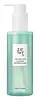
This mild gel cleanser is made to cleanse while calming and soothing your skin.
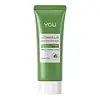
This acne moisturizer is formulated around Niacinamide and Melaleuca Alternifolia Leaf Oil to clear breakouts and calm redness.


What's inside
What's inside
 Key Ingredients
Benefits
Concerns
Ingredients Side-by-side
Water
Skin ConditioningPrunus Mume Fruit Water
HumectantCocamidopropyl Hydroxysultaine
Cleansing
Phaseolus Radiatus Seed Extract
Skin ConditioningSodium Cocoyl Isethionate
Cleansing
Glycerin
Humectant


Sodium Chloride
MaskingCamellia Sinensis Leaf Extract
Antimicrobial






Houttuynia Cordata Extract
Skin Conditioning
Nelumbo Nucifera Flower Extract
Skin ConditioningOryza Sativa Extract
Absorbent
Prunus Mume Fruit Extract
Humectant
Vaccinium Angustifolium Fruit Extract
Skin Protecting
Guar Hydroxypropyltrimonium Chloride
Skin ConditioningCoconut Acid
Cleansing

Ethylhexylglycerin
Skin ConditioningCaprylyl Glycol
Emollient
Sodium Isethionate
CleansingCitric Acid
Buffering
Butylene Glycol
Humectant
1,2-Hexanediol
Skin Conditioning
Hydroxyacetophenone
Antioxidant
Dextrin
AbsorbentMelia Azadirachta Leaf Extract
Skin ConditioningMelia Azadirachta Flower Extract
Skin ConditioningGardenia Florida Fruit Extract
Skin ConditioningPropylene Glycol Laurate
Skin ConditioningSodium Citrate
BufferingDisodium EDTA
Water, Prunus Mume Fruit Water, Cocamidopropyl Hydroxysultaine, Phaseolus Radiatus Seed Extract, Sodium Cocoyl Isethionate, Glycerin, Sodium Chloride, Camellia Sinensis Leaf Extract, Houttuynia Cordata Extract, Nelumbo Nucifera Flower Extract, Oryza Sativa Extract, Prunus Mume Fruit Extract, Vaccinium Angustifolium Fruit Extract, Guar Hydroxypropyltrimonium Chloride, Coconut Acid, Ethylhexylglycerin, Caprylyl Glycol, Sodium Isethionate, Citric Acid, Butylene Glycol, 1,2-Hexanediol, Hydroxyacetophenone, Dextrin, Melia Azadirachta Leaf Extract, Melia Azadirachta Flower Extract, Gardenia Florida Fruit Extract, Propylene Glycol Laurate, Sodium Citrate, Disodium EDTA
Water
Skin ConditioningEthylhexyl Palmitate
Emollient


Propylene Glycol
Humectant
Glycerin
Humectant
Dimethicone
Emollient
Cetearyl Alcohol
Emollient
Glyceryl Stearate
Emollient
PEG-100 Stearate
Surfactant
Butylene Glycol
Humectant
Propanediol
Solvent
Hydroxyacetophenone
Antioxidant
Carbomer
Emulsion StabilisingTriethanolamine
BufferingCetearyl Glucoside
Emulsifying
Sorbitan Stearate
Emulsifying
Sodium Acrylate/Sodium Acryloyldimethyl Taurate Copolymer
Emulsion StabilisingSodium Acrylates Copolymer
Pentylene Glycol
Skin Conditioning
Allantoin
Skin Conditioning
Galla Rhois Gallnut Extract
Antimicrobial
Isohexadecane
EmollientAloe Barbadensis Leaf Juice
Skin Conditioning
Gentiana Scabra Root Extract
Skin ConditioningXanthan Gum
EmulsifyingCaprylhydroxamic Acid
Lecithin
Emollient
Caprylic/Capric Triglyceride
Masking
Polysorbate 80
Emulsifying
Disodium EDTA
Niacinamide
Smoothing


Cedrus Atlantica Bark Oil
Masking




Sorbitan Oleate
Emulsifying
Melaleuca Alternifolia Leaf Oil
Antioxidant
Pelargonium Graveolens Oil
Masking
Citrus Paradisi Peel Oil
Masking
Panthenol
Skin Conditioning
Ectoin
Skin Conditioning
Phenoxyethanol
Preservative
Trehalose
Humectant
Glyceryl Glucoside
Humectant
Dipotassium Glycyrrhizate
Humectant
Rheum Palmatum Root Extract
Astringent
Scutellaria Baicalensis Root Extract
Astringent
Phellodendron Amurense Bark Extract
Skin ConditioningSalvia Miltiorrhiza Root Extract
Skin ConditioningEthylhexylglycerin
Skin ConditioningMadecassoside
Antioxidant
Asiaticoside
Antioxidant
Asiatic Acid
Skin Conditioning
Madecassic Acid
Skin Conditioning
Caprylyl Glycol
Emollient
Glyceryl Caprylate
EmollientStephania Tetrandra Root Extract
Skin ConditioningZinc PCA
Humectant
CI 19140
Cosmetic ColorantCI 17200
Cosmetic ColorantWater, Ethylhexyl Palmitate, Propylene Glycol, Glycerin, Dimethicone, Cetearyl Alcohol, Glyceryl Stearate, PEG-100 Stearate, Butylene Glycol, Propanediol, Hydroxyacetophenone, Carbomer, Triethanolamine, Cetearyl Glucoside, Sorbitan Stearate, Sodium Acrylate/Sodium Acryloyldimethyl Taurate Copolymer, Sodium Acrylates Copolymer, Pentylene Glycol, Allantoin, Galla Rhois Gallnut Extract, Isohexadecane, Aloe Barbadensis Leaf Juice, Gentiana Scabra Root Extract, Xanthan Gum, Caprylhydroxamic Acid, Lecithin, Caprylic/Capric Triglyceride, Polysorbate 80, Disodium EDTA, Niacinamide, Cedrus Atlantica Bark Oil, Sorbitan Oleate, Melaleuca Alternifolia Leaf Oil, Pelargonium Graveolens Oil, Citrus Paradisi Peel Oil, Panthenol, Ectoin, Phenoxyethanol, Trehalose, Glyceryl Glucoside, Dipotassium Glycyrrhizate, Rheum Palmatum Root Extract, Scutellaria Baicalensis Root Extract, Phellodendron Amurense Bark Extract, Salvia Miltiorrhiza Root Extract, Ethylhexylglycerin, Madecassoside, Asiaticoside, Asiatic Acid, Madecassic Acid, Caprylyl Glycol, Glyceryl Caprylate, Stephania Tetrandra Root Extract, Zinc PCA, CI 19140, CI 17200
Reviews
Ingredients Explained
These ingredients are found in both products.
Ingredients higher up in an ingredient list are typically present in a larger amount.
Butylene Glycol (or BG) is used within cosmetic products for a few different reasons:
Overall, Butylene Glycol is a safe and well-rounded ingredient that works well with other ingredients.
Though this ingredient works well with most skin types, some people with sensitive skin may experience a reaction such as allergic rashes, closed comedones, or itchiness.
Learn more about Butylene GlycolCaprylyl Glycol is a humectant, skin conditioner, emollient, and preservative booster derived from either caprylic acid or synthetically created.
Typical use levels vary from 0.3-1% as a preservative booster and go up to 2% to condition skin.
Because it is not a free-fatty acid, this ingredient is fungal acne safe (there's nothing for Malassezia to feed on).
Learn more about Caprylyl GlycolDisodium EDTA is a chelating agent. It grabs onto and deactivates metal ions that sneak into your products from water, packaging, or air.
This ingredient mainly works behind the scenes and helps with:
On top of that, this ingredient can counteract the effects of hard water by binding to the minerals in it.
One thing worth knowing is that Disodium EDTA has been shown to be a mild penetration enhancer. It can help other ingredients absorb into skin more effectively which can be a double-edged sword (great for actives, but can also make the active too strong if you have sensitive skin).
Clinical patch testing showed no significant skin irritation at typical use concentrations and minimal dermal absorption.
You'll most likely see this ingredient near the end of an ingredient list. It's typically found in concentrations less than 1%.
Learn more about Disodium EDTAEthylhexylglycerin is created from glycerin. It is a multitasker ingredient that:
The CIR Expert Panel found minimal skin absorption or sensitization of any kind in a safety assessment. Though this ingredient is considered well-tolerated, a small number of cases of allergic dermatitis have been published since 2002. Just be sure to patch test if you are unsure.
Industry-reported use ranges from 8% in rinse-off products and 2% in leave-on formulations.
Learn more about EthylhexylglycerinGlycerin (or glycerol) is a compound naturally found in your skin. It's a powerhouse humectant that pulls water into the stratum corneum.
Topically, glycerin does several things at once:
Your skin makes glycerin on its own (mostly from sebaceous oil breakdown) and shuttles it to your outermost layer of skin, or your epidermis, via aquaporin-3.
Aquaporin-3 is a transporter that is essential for normal skin hydration, elasticity, and repair. Interestingly, mice lacking in AQP3 have dry and less elastic skin that can be fully corrected with glycerin.
This ingredient is non-irritating, plays well with almost every ingredient, and works across all skin types. Typical use is anywhere between 3-10% but can go up to 79% in some leave-on products.
Just know very high concentrations (>40%) can feel tacky in low humidity.
Glycerin is the name for this ingredient in American English. British English uses Glycerol/Glycerine.
Learn more about GlycerinHydroxyacetophenone is a small phenolic molecule that earns its place in a formulas as an antioxidant and preservative booster.
As a phenol, it is able to neutralize free radicals to protect both the product and the skin from oxidative stress.
Though it can't kill microbes on its own, it works as a good supporting agent when combined with other preservatives like Phenoxyethanol or 1,2-Hexanediol.
This ingredient naturally occurs as piceol in Norwegian spruce needles (~0.4-1.1% dry weight and in cloudberries). Though the cosmetic-grade material is synthesized for purity and consistency.
You'll usually see it used at low levels and suppliers recommend up to 1% added to a water phase.
Safety testing was done at concentrations like 0.05% in SPF products and 0.5% in a Human Repeated Insult Patch Test. The safety evidence is assuring; this ingredient is safe for cosmetics in current use and also holds safety status as a food flavoring as well.
An honest caveat: the "soothing" and "anti-inflammatory" claims come mostly from supplier marketing rather than published clinical trials. The Cosmetic Ingredient Review's own literature search found no useful efficacy studies on this ingredient.
So the antioxidant and preservative-boosting roles are the well supported ones while the calming benefit is plausible but thinly evidenced.
Overall, this is a well-tolerated, low-irritation multitasker that quietly helps a formula stay fresh and stable.
Learn more about HydroxyacetophenoneWater. It's the most common cosmetic ingredient of all. You'll usually see it at the top of ingredient lists, meaning that it makes up the largest part of the product.
So why is it so popular? Water most often acts as a solvent - this means that it helps dissolve other ingredients into the formulation.
You'll also recognize water as that liquid we all need to stay alive. If you see this, drink a glass of water. Remember to stay hydrated!
Learn more about Water

