
What's inside
What's inside
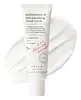 Key Ingredients
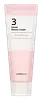
Benefits
Concerns
Ingredients Side-by-side
Water
Skin ConditioningPanthenol 10%
Skin Conditioning




Methylpropanediol
SolventSqualane
Emollient
Glycerin
Humectant
Cetyl Ethylhexanoate
EmollientVinyldimethicone

Propylheptyl Caprylate
EmollientCetearyl Alcohol
Emollient




Betaine
Humectant
Asiaticoside
Antioxidant

Madecassic Acid
Skin Conditioning
Madecassoside
Antioxidant
Asiatic Acid
Skin Conditioning
Centella Asiatica Extract
Cleansing
Centella Asiatica Root Extract
Skin Conditioning
Centella Asiatica Leaf Extract
Skin Conditioning
Tocopherol
Antioxidant


Beta-Sitosterol
Emulsion Stabilising
Taurine
BufferingXylitol
Humectant
Erythritol
Humectant
Arginine
Masking
Phytosterols
Skin Conditioning
Ceramide NP
Skin Conditioning
Morus Alba Root Extract
BleachingSaccharomyces Ferment
Skin Conditioning
1,2-Hexanediol
Skin Conditioning
Polyglyceryl-2 Stearate
Emulsifying
Glyceryl Stearate
Emollient
Glyceryl Stearate Se
Emulsifying
Stearyl Alcohol
Emollient
Hydroxyacetophenone
Antioxidant
Hydroxyethyl Acrylate/Sodium Acryloyldimethyl Taurate Copolymer
Emulsion StabilisingBehenyl Alcohol
Emollient
Acrylates/C10-30 Alkyl Acrylate Crosspolymer
Emulsion StabilisingHydrogenated Lecithin
Emulsifying
Xanthan Gum
EmulsifyingEthylhexylglycerin
Skin ConditioningTromethamine
BufferingDisodium EDTA
Citric Acid
Buffering

Cholesterol
Emollient
Sorbitan Isostearate
Emulsifying
Butylene Glycol
Humectant
Propanediol
Solvent
Hydroxypropyl Cyclodextrin
MaskingSucrose Distearate
Emollient
Water, Panthenol 10%, Methylpropanediol, Squalane, Glycerin, Cetyl Ethylhexanoate, Vinyldimethicone, Propylheptyl Caprylate, Cetearyl Alcohol, Betaine, Asiaticoside, Madecassic Acid, Madecassoside, Asiatic Acid, Centella Asiatica Extract, Centella Asiatica Root Extract, Centella Asiatica Leaf Extract, Tocopherol, Beta-Sitosterol, Taurine, Xylitol, Erythritol, Arginine, Phytosterols, Ceramide NP, Morus Alba Root Extract, Saccharomyces Ferment, 1,2-Hexanediol, Polyglyceryl-2 Stearate, Glyceryl Stearate, Glyceryl Stearate Se, Stearyl Alcohol, Hydroxyacetophenone, Hydroxyethyl Acrylate/Sodium Acryloyldimethyl Taurate Copolymer, Behenyl Alcohol, Acrylates/C10-30 Alkyl Acrylate Crosspolymer, Hydrogenated Lecithin, Xanthan Gum, Ethylhexylglycerin, Tromethamine, Disodium EDTA, Citric Acid, Cholesterol, Sorbitan Isostearate, Butylene Glycol, Propanediol, Hydroxypropyl Cyclodextrin, Sucrose Distearate
Water
Skin ConditioningPropanediol
Solvent
Glycerin
Humectant
Neopentyl Glycol Diheptanoate
EmollientCyclohexasiloxane
Emollient
Polyglyceryl-3 Methylglucose Distearate
Emulsifying
Methylpropanediol
SolventCetyl Alcohol
Emollient
Glycereth-26
Humectant
Glyceryl Stearate
Emollient
Niacinamide
Smoothing



Dicaprylyl Ether
Emollient
Cetyl Dimethicone
Emollient
Butyrospermum Parkii Butter
Skin Conditioning
Hydrogenated Polyisobutene
EmollientPentaerythrityl Distearate
Emulsifying
Trehalose
Humectant
Pentylene Glycol
Skin Conditioning
Dioscorea Japonica Root Extract
Skin Conditioning
Piper Methysticum Leaf/Root/Stem Extract
Skin ConditioningCentella Asiatica Extract
Cleansing
Panax Ginseng Berry Extract
Skin Conditioning
Saponaria Officinalis Extract
Skin ConditioningHydrogenated Lecithin
Emulsifying
Sodium Hyaluronate
Humectant
Polyglyceryl-10 Laurate
Skin Conditioning
Glyceryl Caprylate
EmollientSodium Polyacrylate Starch
AbsorbentAcrylates/C10-30 Alkyl Acrylate Crosspolymer
Emulsion StabilisingGlycosyl Trehalose
Emulsion StabilisingTromethamine
BufferingSodium Stearoyl Glutamate
CleansingHydrogenated Starch Hydrolysate
HumectantAdenosine
Skin Conditioning
Raffinose
Skin ConditioningDisodium EDTA
Lecithin
Emollient
Polyquaternium-51
Skin Conditioning
Butylene Glycol
Humectant
Panthenol
Skin Conditioning
Beta-Glucan
Skin Conditioning
Synthetic Fluorphlogopite
Folic Acid
Skin ConditioningCeramide NP
Skin Conditioning
Cholesterol
Emollient
Tetradecyl Aminobutyroylvalylaminobutyric Urea Trifluoroacetate
Skin ConditioningBiosaccharide Gum-1
Humectant
Isomalt
HumectantMagnesium Chloride
Palmitoyl Pentapeptide-4
Skin Conditioning
Parfum
Masking


Ethylhexylglycerin
Skin Conditioning1,2-Hexanediol
Skin Conditioning
CI 77491
Cosmetic ColorantCitronellol
Perfuming

Geraniol
Perfuming
Water, Propanediol, Glycerin, Neopentyl Glycol Diheptanoate, Cyclohexasiloxane, Polyglyceryl-3 Methylglucose Distearate, Methylpropanediol, Cetyl Alcohol, Glycereth-26, Glyceryl Stearate, Niacinamide, Dicaprylyl Ether, Cetyl Dimethicone, Butyrospermum Parkii Butter, Hydrogenated Polyisobutene, Pentaerythrityl Distearate, Trehalose, Pentylene Glycol, Dioscorea Japonica Root Extract, Piper Methysticum Leaf/Root/Stem Extract, Centella Asiatica Extract, Panax Ginseng Berry Extract, Saponaria Officinalis Extract, Hydrogenated Lecithin, Sodium Hyaluronate, Polyglyceryl-10 Laurate, Glyceryl Caprylate, Sodium Polyacrylate Starch, Acrylates/C10-30 Alkyl Acrylate Crosspolymer, Glycosyl Trehalose, Tromethamine, Sodium Stearoyl Glutamate, Hydrogenated Starch Hydrolysate, Adenosine, Raffinose, Disodium EDTA, Lecithin, Polyquaternium-51, Butylene Glycol, Panthenol, Beta-Glucan, Synthetic Fluorphlogopite, Folic Acid, Ceramide NP, Cholesterol, Tetradecyl Aminobutyroylvalylaminobutyric Urea Trifluoroacetate, Biosaccharide Gum-1, Isomalt, Magnesium Chloride, Palmitoyl Pentapeptide-4, Parfum, Ethylhexylglycerin, 1,2-Hexanediol, CI 77491, Citronellol, Geraniol
Reviews
Ingredients Explained
These ingredients are found in both products.
Ingredients higher up in an ingredient list are typically present in a larger amount.
1,2-Hexanediol is a synthetic liquid and another multi-functional powerhouse.
It is a:
- Humectant, drawing moisture into the skin
- Emollient, helping to soften skin
- Solvent, dispersing and stabilizing formulas
- Preservative booster, enhancing the antimicrobial activity of other preservatives
Acrylates/C10-30 Alkyl Acrylate Crosspolymer is a synthetic polymer. It is used to thicken, emulsify, and improve the texture of products.
As an emulsifier, it helps stabilize oil-in-water emulsions to give products an elegant feel when applied.
It can also form a thin protective film on skin. One study found that a formula using this polymer helped slow down how quickly other ingredients (like DEET) were absorbed through skin.
A 2024 study of over 1,300 patients confirmed that sensitization to this ingredient is rare. It is also non-mutagenic and has a clean track record.
Learn more about Acrylates/C10-30 Alkyl Acrylate CrosspolymerButylene Glycol (or BG) is used within cosmetic products for a few different reasons:
Overall, Butylene Glycol is a safe and well-rounded ingredient that works well with other ingredients.
Though this ingredient works well with most skin types, some people with sensitive skin may experience a reaction such as allergic rashes, closed comedones, or itchiness.
Learn more about Butylene GlycolCentella Asiatica Extract (Centella) is derived from an herb native to Southeast Asia. It is famous for its anti-inflammatory and soothing properties.
Centella is rich in antioxidants and amino acids, such as Madecassic Acid and Asiaticoside.
Studies show the compounds in centella help with:
The combination of all these properties makes centella effective at soothing, hydrating, and protecting the skin.
Other great components of centella include Vitamin A, vitamin C, several B vitamins, and Asiatic Acid.
Fun fact: Centella has been used as a medicine and in food for many centuries. As a medicine, it is used to treat burns, scratches, and wounds.
Learn more about Centella Asiatica ExtractCeramide NP (formerly known as Ceramide 3) is one of the skin's naturally occurring lipids.
Since ceramides are the major lipid components of the skin, they are crucial for maintaining skin barrier and hydration. Ceramide NP most closely mirrors the dominant kind in human skin amongst ceramide subtypes.
This ceramide works by slotting into gaps within the stratum corneum's lipid matrix to limit trans-epidermal water loss (TEWL) and shield the skin against external irritants.
A study with 312 patients found that using a ceramide-containing routine for 4 weeks reduced the severity of atopic dermatitis by over 61%.
Another clinical study in subjects aged 60 and older found that a ceramide body wash and moisturizer improved skin dryness and itchy skin in 15 days.
Overall, ceramides are considered non-irritating and safety tests have found little to no observable adverse effects from using this ingredient.
Ceramide NP is usually sourced from plants (like soybean or rice bran), or produced synthetically.
Learn more about Ceramide NPCholesterol is a lipid that is naturally found in human skin and is one of the three key components of your skin barrier. In skincare, it is an emollient and barrier-repairing ingredient.
It works by fitting directly into the lipid layers of skin to help restore structure and reduce transepidermal water loss (TEWL).
This is a great ingredient for dry, compromised, or aging skin; our skin starts to produce less cholesterol with age.
Research shows cholesterol works best in combination with ceramides and fatty acids, the other two major components in your skin barrier.
Cholesterol is also a well-establish penetration enhancer and can help other actives absorb more effectively.
Cosmetic-grade cholesterol is usually derived from lanolin but plant and synthetic options also exist. We recommend reaching out to the brand if you have questions about their source of cholesterol.
Learn more about CholesterolDisodium EDTA is a chelating agent. It grabs onto and deactivates metal ions that sneak into your products from water, packaging, or air.
This ingredient mainly works behind the scenes and helps with:
On top of that, this ingredient can counteract the effects of hard water by binding to the minerals in it.
One thing worth knowing is that Disodium EDTA has been shown to be a mild penetration enhancer. It can help other ingredients absorb into skin more effectively which can be a double-edged sword (great for actives, but can also make the active too strong if you have sensitive skin).
Clinical patch testing showed no significant skin irritation at typical use concentrations and minimal dermal absorption.
You'll most likely see this ingredient near the end of an ingredient list. It's typically found in concentrations less than 1%.
Learn more about Disodium EDTAEthylhexylglycerin is created from glycerin. It is a multitasker ingredient that:
The CIR Expert Panel found minimal skin absorption or sensitization of any kind in a safety assessment. Though this ingredient is considered well-tolerated, a small number of cases of allergic dermatitis have been published since 2002. Just be sure to patch test if you are unsure.
Industry-reported use ranges from 8% in rinse-off products and 2% in leave-on formulations.
Learn more about EthylhexylglycerinGlycerin (or glycerol) is a compound naturally found in your skin. It's a powerhouse humectant that pulls water into the stratum corneum.
Topically, glycerin does several things at once:
Your skin makes glycerin on its own (mostly from sebaceous oil breakdown) and shuttles it to your outermost layer of skin, or your epidermis, via aquaporin-3.
Aquaporin-3 is a transporter that is essential for normal skin hydration, elasticity, and repair. Interestingly, mice lacking in AQP3 have dry and less elastic skin that can be fully corrected with glycerin.
This ingredient is non-irritating, plays well with almost every ingredient, and works across all skin types. Typical use is anywhere between 3-10% but can go up to 79% in some leave-on products.
Just know very high concentrations (>40%) can feel tacky in low humidity.
Glycerin is the name for this ingredient in American English. British English uses Glycerol/Glycerine.
Learn more about GlycerinGlyceryl Stearate is made by reacting glycerin with stearic acid (typically sourced from plant oils like palm or coconut). It's an emulsifier, emollient, and mild occlusive.
Emulsifiers help ingredients like oil and water stay mixed so your formula stays nicely blended and uniform in texture.
This ingredient is typically used in concentrations between 1-10%. Studies have found it to be non-sensitizing, non-phototoxic, and non-photoallergenic.
A close cousin of this ingredient is Glyceryl Stearate SE ("self-emulsifying"). This just has a small amount of sodium or potassium stearate added so it can emulsify without a co-emulsifier.
Since this ingredient is an ester of a C18 fatty acid, it may not be fungal acne safe. The Malassezia yeast can potentially metabolize within the C11-C24 range.
Fun fact: The human body also creates Glyceryl Stearate naturally.
Learn more about Glyceryl StearateHydrogenated Lecithin is a more stable version of lecithin.
It's made by taking lecithin (a phospholipid commonly found in soybeans and egg yolks) and hydrogenating it. This just means the unsaturated fatty acids are turned into saturated ones so they don't go bad as easily.
This ingredient is an emollient, emulsifier, and penetration enhancer. As an emollient, it helps soften and hydrate skin by trapping moisture within. As an emulsifier, it prevents oil and water ingredients from separating.
Hydrogenated Lecithin can form tiny spherical structures made of phospholipid bilayers called liposomes. These liposomes are able to capture compounds inside their structure and deliver them through the skin barrier.
Because phospholipids are a natural component of our cell membranes, this ingredient is inherently compatible with skin.
A 2021 study found lecithin-based surfactants were less harsh and more tolerable comared to Sodium Lauryl Sulfate (SLS).
Learn more about Hydrogenated LecithinMethylpropanediol is a synthetic solvent and humectant.
As a solvent, it helps dissolve other ingredients, helping to evenly distribute ingredients throughout the product. This ingredient has also been shown to have antimicrobial properties which makes it a preservative booster.
Methylpropanediol is able to add a bit of moisture to the skin. It also helps other ingredients be better absorbed into the skin, such as salicylic acid.
Learn more about MethylpropanediolPanthenol is a common ingredient that helps hydrate and soothe the skin. It is found naturally in our skin and hair.
There are two forms of panthenol: D and L.
D-panthenol is also known as dexpanthenol. Most cosmetics use dexpanthenol or a mixture of D and L-panthenol.
Panthenol is famous due to its ability to go deeper into the skin's layers. Using this ingredient has numerous pros (and no cons):
Like hyaluronic acid, panthenol is a humectant. Humectants are able to bind and hold large amounts of water to keep skin hydrated.
This ingredient works well for wound healing. It works by increasing tissue in the wound and helps close open wounds.
Once oxidized, panthenol converts to pantothenic acid. Panthothenic acid is found in all living cells.
This ingredient is also referred to as pro-vitamin B5.
Learn more about PanthenolPropanediol is an all-star ingredient. It softens, hydrates, and smooths the skin.
It’s often used to:
Propanediol is not likely to cause sensitivity and considered safe to use. It is derived from corn or petroleum with a clear color and no scent.
Learn more about PropanediolTromethamine helps balance the pH and improve the texture of a product. It is synthetically created.
As an emulsifier, Tromethamine prevents oil and water ingredients from separating. This helps stabilize the product and elongate a product's shelf life. Tromethamine also makes a product thicker.
Tromethamine helps balance the pH level of a product. Normal pH level of skin is slightly acidic (~4.75-5.5). The acidity of our skin is maintained by our glands and skin biome. Being slightly acidic allows our skin to create an "acid mantle". This acid mantle is a thin barrier that protects our skin from bacteria and contaminants.
Oral Tromethanmine is an anti-inflammatory drug but plays the role of masking, adding fragrance, and/or balancing pH in skincare.
1,3-Propanediol, 2-amino-2-(hydroxymethyl)-
Learn more about TromethamineWater. It's the most common cosmetic ingredient of all. You'll usually see it at the top of ingredient lists, meaning that it makes up the largest part of the product.
So why is it so popular? Water most often acts as a solvent - this means that it helps dissolve other ingredients into the formulation.
You'll also recognize water as that liquid we all need to stay alive. If you see this, drink a glass of water. Remember to stay hydrated!
Learn more about Water
