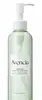
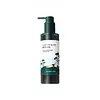
This oil-based makeup remover is made to dissolve makeup, sunscreen, and daily buildup.
This oil-based makeup remover is made to dissolve makeup, sunscreen, and daily buildup.

What's inside
What's inside
 Key Ingredients
Benefits
Concerns
Ingredients Side-by-side
Ethylhexyl Stearate
Emollient




Sorbeth-30 Tetraoleate
Emulsifying
Sorbitan Sesquioleate
Emulsifying
Polyisobutene
Rosmarinus Officinalis Leaf Oil
Masking
Ethylhexylglycerin
Skin ConditioningCaprylyl Glycol
Emollient
Persea Gratissima Oil
Skin Conditioning
Lactobacillus Ferment Lysate
Skin Conditioning
Butyrospermum Parkii Butter Extract
Skin Conditioning
Water
Skin ConditioningButylene Glycol
Humectant
Olea Europaea Fruit Oil
Masking
Tocopherol
Antioxidant




Glycerin
Humectant
Caprylic/Capric Triglyceride
Masking
Houttuynia Cordata Extract
Skin Conditioning
Vigna Radiata Seed Extract
Skin ConditioningPropanediol
Solvent
Oryza Sativa Lees Extract
Skin ConditioningPentylene Glycol
Skin Conditioning
Camellia Sinensis Leaf Extract
Antimicrobial

1,2-Hexanediol
Skin Conditioning
Ceramide NP
Skin Conditioning
Hydrogenated Lecithin
Emulsifying
Oryza Sativa Extract
Absorbent
Artemisia Capillaris Extract
Centella Asiatica Extract
Cleansing
Melaleuca Alternifolia Leaf Extract
Perfuming
Rice Amino Acids
Skin Conditioning
Ethylhexyl Stearate, Sorbeth-30 Tetraoleate, Sorbitan Sesquioleate, Polyisobutene, Rosmarinus Officinalis Leaf Oil, Ethylhexylglycerin, Caprylyl Glycol, Persea Gratissima Oil, Lactobacillus Ferment Lysate, Butyrospermum Parkii Butter Extract, Water, Butylene Glycol, Olea Europaea Fruit Oil, Tocopherol, Glycerin, Caprylic/Capric Triglyceride, Houttuynia Cordata Extract, Vigna Radiata Seed Extract, Propanediol, Oryza Sativa Lees Extract, Pentylene Glycol, Camellia Sinensis Leaf Extract, 1,2-Hexanediol, Ceramide NP, Hydrogenated Lecithin, Oryza Sativa Extract, Artemisia Capillaris Extract, Centella Asiatica Extract, Melaleuca Alternifolia Leaf Extract, Rice Amino Acids
Ethylhexyl Stearate
Emollient
Zea Mays Germ Oil
Emollient
Sorbeth-30 Tetraoleate
Emulsifying
Hydrogenated Polydecene
EmollientEthylhexyl Pelargonate
EmollientHydrogenated Polyisobutene
EmollientSilica Dimethyl Silylate
EmollientHydrogenated Castor Oil/Sebacic Acid Copolymer
Emollient
Diisostearyl Malate
EmollientCaprylic/Capric Triglyceride
Masking
Water
Skin ConditioningCitrus Aurantium Bergamia Fruit Oil
Masking

Sorbitan Sesquioleate
Emulsifying
Pinus Sylvestris Leaf Oil
Masking
Ethylhexylglycerin
Skin ConditioningPCA Glyceryl Oleate
Emollient
Pelargonium Graveolens Flower Oil
Masking
Helianthus Annuus Seed Oil
Emollient
Rosmarinus Officinalis Leaf Oil
Masking
Pentaerythrityl Tetra-Di-T-Butyl Hydroxyhydrocinnamate
Antioxidant
Charcoal Powder
Abrasive

Carthamus Tinctorius Flower Extract
Skin ConditioningDextrin
AbsorbentGardenia Florida Fruit Extract
Skin ConditioningCymbopogon Citratus Leaf Oil
Masking
Maltodextrin
Absorbent
Hydrolyzed Gardenia Florida Extract
Antioxidant
Dibutyl Adipate
Emollient1,2-Hexanediol
Skin Conditioning
Camellia Sinensis Seed Oil
Humectant
Persea Gratissima Oil
Skin Conditioning
Calophyllum Inophyllum Seed Oil
Antimicrobial
Methylpropanediol
SolventDecyl Glucoside
Cleansing
Pinus Densiflora Leaf Extract
Antimicrobial
Melaleuca Alternifolia Leaf Oil
Antioxidant
Camellia Sinensis Leaf Extract
Antimicrobial
Salix Alba Bark Extract
Astringent
Cladosiphon Okamuranus Extract
Skin Conditioning
Centella Asiatica Leaf Extract
Skin Conditioning
Coffea Arabica Seed Extract
Masking
Citrus Aurantium Bergamia Leaf Extract
AstringentCentella Asiatica Extract
Cleansing
Ficus Carica Fruit Extract
Humectant
Butylene Glycol
Humectant
Glycoproteins
Skin Conditioning
Madecassoside
Antioxidant
Madecassic Acid
Skin Conditioning
Asiaticoside
Antioxidant
Asiatic Acid
Skin Conditioning
Limonene
Perfuming
Linalool
Perfuming
Citronellol
Perfuming
Geraniol
Perfuming
Ethylhexyl Stearate, Zea Mays Germ Oil, Sorbeth-30 Tetraoleate, Hydrogenated Polydecene, Ethylhexyl Pelargonate, Hydrogenated Polyisobutene, Silica Dimethyl Silylate, Hydrogenated Castor Oil/Sebacic Acid Copolymer, Diisostearyl Malate, Caprylic/Capric Triglyceride, Water, Citrus Aurantium Bergamia Fruit Oil, Sorbitan Sesquioleate, Pinus Sylvestris Leaf Oil, Ethylhexylglycerin, PCA Glyceryl Oleate, Pelargonium Graveolens Flower Oil, Helianthus Annuus Seed Oil, Rosmarinus Officinalis Leaf Oil, Pentaerythrityl Tetra-Di-T-Butyl Hydroxyhydrocinnamate, Charcoal Powder, Carthamus Tinctorius Flower Extract, Dextrin, Gardenia Florida Fruit Extract, Cymbopogon Citratus Leaf Oil, Maltodextrin, Hydrolyzed Gardenia Florida Extract, Dibutyl Adipate, 1,2-Hexanediol, Camellia Sinensis Seed Oil, Persea Gratissima Oil, Calophyllum Inophyllum Seed Oil, Methylpropanediol, Decyl Glucoside, Pinus Densiflora Leaf Extract, Melaleuca Alternifolia Leaf Oil, Camellia Sinensis Leaf Extract, Salix Alba Bark Extract, Cladosiphon Okamuranus Extract, Centella Asiatica Leaf Extract, Coffea Arabica Seed Extract, Citrus Aurantium Bergamia Leaf Extract, Centella Asiatica Extract, Ficus Carica Fruit Extract, Butylene Glycol, Glycoproteins, Madecassoside, Madecassic Acid, Asiaticoside, Asiatic Acid, Limonene, Linalool, Citronellol, Geraniol
Reviews
Ingredients Explained
These ingredients are found in both products.
Ingredients higher up in an ingredient list are typically present in a larger amount.
1,2-Hexanediol is a synthetic liquid and another multi-functional powerhouse.
It is a:
- Humectant, drawing moisture into the skin
- Emollient, helping to soften skin
- Solvent, dispersing and stabilizing formulas
- Preservative booster, enhancing the antimicrobial activity of other preservatives
Butylene Glycol (or BG) is used within cosmetic products for a few different reasons:
Overall, Butylene Glycol is a safe and well-rounded ingredient that works well with other ingredients.
Though this ingredient works well with most skin types, some people with sensitive skin may experience a reaction such as allergic rashes, closed comedones, or itchiness.
Learn more about Butylene GlycolCamellia Sinensis Leaf Extract (tea extract) is one of the most well-researched plant extracts in skincare with an impressive resume.
Black tea, green tea, and oolong tea are all harvested from the Camellia Sinensis plant.
Studies show green tea extract and its catechins (like epigallocatechin gallate (EGCG)) help your skin cells product energy more efficiently and reducing the number of free-radicals that can damage your skin from the inside.
In lab-grown skin models, this translated to younger, healthier, and stronger skin.
There's also good sun protection data; researchers saw less DNA damage and redness on human skin when green tea was applied before UVB exposure. And the more they applied, the better the protection.
Needless to say, this ingredient shouldn't replace your sunscreen. But it is a great supportive ingredient that you can already find in many sunscreens and antioxidant serums.
A 2009 study found a 2% green tea lotion was effective for mild-to-moderate acne thanks to its anti-inflammatory and mild antimicrobial activity.
The quality of the extract matters a lot here:
Good extracts contain 50-90% catechins while lower quality ones are mostly there for marketing. We recommend reaching out to the brand if you have questions about the quality or source of their ingredients.
Human Repeated Insult Patch Testing showed no irritation or sensitization at use concentrations (0.86% in leave-on products and up to 30% as leaf water).
Learn more about Camellia Sinensis Leaf ExtractCaprylic/Capric Triglyceride (aka MCT Oil) is a lightweight emollient, solvent, and texture enhancer. It is considered a skin-softener by helping to prevent moisture loss.
Though it behaves like an oil, it is not technically one due to its chemical composition. One perk of this ingredient is that it is very stable, resistant to oxidation, and unlikely to go rancid.
In practice, that translates to a long shelf life and a consistently elegant skin feel.
While there is an assumption Caprylic Triglyceride can clog pores due to it being derived from coconut oil, there is no research supporting this. Just patch test if you have concerns.
Fractionated coconut oil and MCT Oil are both listed as Caprylic/Capric Triglyceride according to INCI. This is because INCI names are based on the ingredient’s final chemical composition and not its marketing name or source.
This ingredient is treated as the gold standard fungal acne safe oil. Even though it is coconut derived, the problematic lauric acid is stripped out.
This leaves just caprylic (C8) and capric (C10) acid. These chain lengths actually trend antifungal; a 2020 study found caprylic acid was enough to disrupt Malassezia furfur cell membrane, with a caprylic acid derivative damaging membrane structures at concentrations as low as 0.2%.
Learn more about Caprylic/Capric TriglycerideCentella Asiatica Extract (Centella) is one of the most researched botanical extracts in skincare with decades of studies backing its effects on inflammation, collagen, and the skin barrier.
That research keeps pointing back to the same four triterpenoid saponins: Asiaticoside, Madecassoside, Asiatic Acid, and Madecassic Acid.
These compounds allow centella to dial back inflammation, encourage the skin to build and hold onto collagen, support the barrier and hydration, and bring solid antioxidant activity to protect against signs of aging.
Centella also carries a nice supporting cast of Vitamin A, vitamin C, several B vitamins, and amino acids. Put it all together and you get an ingredient that soothes, hydrates, and protects, all at once.
Most of centella's magic comes from the four big compounds (Asiaticoside, Madecassoside, Asiatic Acid, and Madecassic Acid). These are the actives doing the heavy lifting in almost every centella study.
Here is the short version of what they do in the skin:
So it is not just soothing for the sake of soothing. Centella calms the skin AND helps it rebuild.
Just FYI, not all centella on an ingredient list is the same. What you are getting actually depends on the extract:
Fun fact on the ratios: the leaves tend to be richest in Madecassoside and Asiaticoside, and lower in the two acids. The exact amounts shift with where the plant is grown and how it is processed. This means purity really does vary brand to brand.
Centella is one of the most easygoing actives out there.
It layers well with basically everything: niacinamide, hyaluronic acid, peptides, and vitamin C, and also pairs nicely with stronger actives like retinoids and exfoliating acids where it can help take the edge off irritation.
On the safety side, centella and its triterpenes are classified as weak sensitizers, meaning allergic reactions are possible but uncommon.
Patch tests at 1% and 5% came back negative in test panels, and creams at typical use levels did not cause allergic reactions across large groups of people.
But as with any new active, a patch test is still a smart move for very reactive skin.
Centella is widely used because it is effective at low percentages. For context, human safety testing found no meaningful irritation from creams containing centella extract at everyday use levels (the tested amounts were well under 1%).
The irritancy threshold in animal testing was also above 30% (so real-world formulas sit far below anything concerning).
In collagen lab studies, higher concentrations drove more collagen synthesis, so serums built around centella tend to feature it more prominently.
Bottom line: you will find centella working nicely anywhere from a fraction of a percent up to hero-ingredient levels depending on whether it is a supporting soother or the main event.
Fun fact: Centella has been used as a medicine and in food for many centuries. As a medicine, it is used to treat burns, scratches, and wounds.
Learn more about Centella Asiatica ExtractEthylhexyl Stearate is a simplease ester made fby reacting stearic acid (a fatty acid from plant or animal fats) with 2-ethylhexanol (a branched alcohol).
The result is a clear, low-viscosity, almost odorless oily liquid. Think of it as a lightweight synthetic oil that sits on the skin's surface, softens it, and slows water loss. It also works as a solvent that helps dissolve pigments and UV filters so they spread evenly.
Older ingredient lists label it as "Octyl Stearate" and it turns up the most often in makeup products.
Industry data shows usage concentration goes up to ~40% in makeup and up to 10% in moisturizer or sunscreen.
Human repeat insult patch tests with a 25.9% lip gloss and 38.8% eyebrow pencil found no sensitization. A formula with 7.6% was also not an irritant, sensitizer, and was found to be non-phototoxic across 56, 19, and 27 subjects respectively.
True contact allergy to it is rare.
This ingredient shows up on a lot of "pore-clogging" lists but there's no real evidence behind that. It doesn't even have a comedogenic rating from an actual study; the numbers you'll find online come from blogs citing other blogs.
Ratings for other ingredients mostly come from a 1980s rabbit ear test. This test doesn't translate well to human skin or to real products because the ingredient sits at a much lower percentage.
Some people still find it breaks them out. So if that's you, definitely trust your skin.
The Malassezia yeast has been found to grow in the presence of fatty acids, fatty acid esters, and fatty alcohols with chains longer than 12 carbons. Ethylhexyl Stearate releases stearic acid, an 18-carbon chain, which is right inside that range; this ingredient may not be fungal acne safe.
Learn more about Ethylhexyl StearateEthylhexylglycerin is created from glycerin. It is a multitasker ingredient that:
The CIR Expert Panel found minimal skin absorption or sensitization of any kind in a safety assessment. Though this ingredient is considered well-tolerated, a small number of cases of allergic dermatitis have been published since 2002. Just be sure to patch test if you are unsure.
Industry-reported use ranges from 8% in rinse-off products and 2% in leave-on formulations.
Learn more about EthylhexylglycerinThis ingredient is also known as Avocado oil. It's the cold-pressed oil from the flesh of the avocado fruit packed with fatty acids (mostly oleic acid).
The rich fatty acid profile allows it to function as a skin conditioning agent and emollient; it helps soften and smooth skin while reducing water loss.
Preclinical research has found that topical avocado oil increased collagen synthesis and reduced inflammation during wound healing, giving it some skin-repairing credibility.
The unsaponifiable fraction of the oil is also interesting: studies on avocado unsaponifiables showed that it helped skin produce more collagen and other structural compounds that support healing.
The CIR Expert Panel has found this ingredient to be non-irritating in formulations.
This ingredient may not be fungal acne safe. This is because the oleic acid content falls within the range that Malassezia can use as a food source.
This ingredient does have a comedogenic rating of 0-3, but this doesn't mean a formula with this ingredient will clog pores. Human testing has proved that any finished product with a comedogenic ingredient won't automatically make you break out; it really comes down to concentration, formula, and your skin.
Learn more about Persea Gratissima OilRosmarinus Officinalis Leaf Oil is an essential oil also known as rosemary essential oil. In skincare, it is a skin conditioning agent and also acts as a natural fragrance that gives products a fresh/herby smell.
The oil is a mix of over 100 volatile compounds with 1,8-cineole, α-pinene, camphor, and verbenone usually leading the pack.
Lab studies credit this oil with antioxidant, anti-inflammatory, and antimicrobial activity. Some research even show rosemary compounds calming acne-related inflammation.
The Cosmetic Ingredient Review (CIR) has concluded rosemary-derived ingredients to be safe when formulated to be nonsensitizing.
Since this is a fragrant essential oil, the main concern is for fragrance-sensitive folks.
Learn more about Rosmarinus Officinalis Leaf OilSorbeth-30 Tetraoleate is a surfactant and emulsifier.
This ingredient is a tetraester from oleic acid and polyethylene glycol ether of sorbitol.
As an emulsifier, it helps ingredients such as oil and water mix together. This allows the dirt and oils in your skin to be washed away.
One study found pumpkin oil containing Sorbeth-30 Tetraoleate helped hydrate the skin and did not cause any irritation.
Learn more about Sorbeth-30 TetraoleateSorbitan Sesquioleate is derived from sorbitol and oleic acid. It is an emulsifier and prevents ingredients from separating.
Specifically, this ingredient is a water-in-oil emulsifier, meaning it helps water dissolve into oil.
Some studies suggest this ingredient may cause irritation in some people. If you are unsure, it is best to patch test.
This ingredient may not be Malassezia folliculitis, or fungal-acne safe due to the oleic acid. In vitro studies have shown that Oleic Acid is one of the fatty acids that induce rapid Malassezia growth in lab settings.
This ingredient does have a comedogenic rating of 0-1. The original test stated 0-1 meant an ingredient is unlikely to cause comedones.
Just remember human testing has proved that any finished product with a comedogenic ingredient won't automatically make you break out; it really comes down to concentration, formula, and your skin.
Learn more about Sorbitan SesquioleateWater. It's the most common cosmetic ingredient of all. You'll usually see it at the top of ingredient lists, meaning that it makes up the largest part of the product.
So why is it so popular? Water most often acts as a solvent - this means that it helps dissolve other ingredients into the formulation.
You'll also recognize water as that liquid we all need to stay alive. If you see this, drink a glass of water. Remember to stay hydrated!
Learn more about Water

