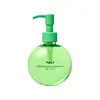
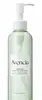
This oil-based makeup remover is made to dissolve makeup, sunscreen, and daily buildup.
This oil-based makeup remover is made to dissolve makeup, sunscreen, and daily buildup.

What's inside
What's inside
 Key Ingredients
Benefits
Concerns
Ingredients Side-by-side
Ethylhexyl Palmitate
Emollient




Sorbeth-30 Tetraoleate
Emulsifying
Sorbitan Sesquioleate
Emulsifying
Triethylhexanoin
MaskingCaprylic/Capric Triglyceride
Masking


Polyisobutene
Cetyl Ethylhexanoate
EmollientDiisostearyl Malate
EmollientParfum
Masking


Olea Europaea Fruit Oil
Masking
Solanum Lycopersicum Seed Oil
Emollient
Melia Azadirachta Leaf Extract
Skin ConditioningMelia Azadirachta Flower Extract
Skin ConditioningCoccinia Indica Fruit Extract
Skin Conditioning

Amber Powder
Solanum Melongena Fruit Extract
Skin ConditioningCurcuma Longa Root Extract
Antioxidant
Ocimum Sanctum Leaf Extract
Skin ConditioningArgania Spinosa Kernel Oil
Emollient

Avena Sativa Kernel Oil
Skin Conditioning
Carthamus Tinctorius Seed Oil
Masking
Citrus Junos Fruit Oil
Masking
Helianthus Annuus Seed Oil
Emollient
Persea Gratissima Oil
Skin Conditioning
Punica Granatum Seed Oil
Emollient
Pyrus Malus Seed Oil
Emollient
Rubus Chamaemorus Seed Oil
Skin Conditioning
Simmondsia Chinensis Seed Oil
Emollient
Vitis Vinifera Seed Oil
Emollient
Corallina Officinalis Extract
Skin Conditioning
Moringa Oleifera Seed Oil
Emollient
Salicylic Acid
Masking






Solanum Lycopersicum Fruit Water
MaskingCamellia Japonica Seed Oil
Emollient
Linum Usitatissimum Seed Oil
Perfuming
Butylene Glycol
Humectant
1,2-Hexanediol
Skin Conditioning
Solanum Lycopersicum Fruit Juice
Skin ConditioningHydroxyacetophenone
Antioxidant
Chamomilla Recutita Flower Oil
Masking
Ethylhexyl Palmitate, Sorbeth-30 Tetraoleate, Sorbitan Sesquioleate, Triethylhexanoin, Caprylic/Capric Triglyceride, Polyisobutene, Cetyl Ethylhexanoate, Diisostearyl Malate, Parfum, Olea Europaea Fruit Oil, Solanum Lycopersicum Seed Oil, Melia Azadirachta Leaf Extract, Melia Azadirachta Flower Extract, Coccinia Indica Fruit Extract, Amber Powder, Solanum Melongena Fruit Extract, Curcuma Longa Root Extract, Ocimum Sanctum Leaf Extract, Argania Spinosa Kernel Oil, Avena Sativa Kernel Oil, Carthamus Tinctorius Seed Oil, Citrus Junos Fruit Oil, Helianthus Annuus Seed Oil, Persea Gratissima Oil, Punica Granatum Seed Oil, Pyrus Malus Seed Oil, Rubus Chamaemorus Seed Oil, Simmondsia Chinensis Seed Oil, Vitis Vinifera Seed Oil, Corallina Officinalis Extract, Moringa Oleifera Seed Oil, Salicylic Acid, Solanum Lycopersicum Fruit Water, Camellia Japonica Seed Oil, Linum Usitatissimum Seed Oil, Butylene Glycol, 1,2-Hexanediol, Solanum Lycopersicum Fruit Juice, Hydroxyacetophenone, Chamomilla Recutita Flower Oil
Ethylhexyl Stearate
Emollient
Sorbeth-30 Tetraoleate
Emulsifying
Sorbitan Sesquioleate
Emulsifying
Polyisobutene
Rosmarinus Officinalis Leaf Oil
Masking
Ethylhexylglycerin
Skin ConditioningCaprylyl Glycol
Emollient
Persea Gratissima Oil
Skin Conditioning
Lactobacillus Ferment Lysate
Skin Conditioning
Butyrospermum Parkii Butter Extract
Skin Conditioning
Water
Skin ConditioningButylene Glycol
Humectant
Olea Europaea Fruit Oil
Masking
Tocopherol
Antioxidant

Glycerin
Humectant
Caprylic/Capric Triglyceride
Masking
Houttuynia Cordata Extract
Skin Conditioning
Vigna Radiata Seed Extract
Skin ConditioningPropanediol
Solvent
Oryza Sativa Lees Extract
Skin ConditioningPentylene Glycol
Skin Conditioning
Camellia Sinensis Leaf Extract
Antimicrobial
1,2-Hexanediol
Skin Conditioning
Ceramide NP
Skin Conditioning
Hydrogenated Lecithin
Emulsifying
Oryza Sativa Extract
Absorbent
Artemisia Capillaris Extract
Centella Asiatica Extract
Cleansing
Melaleuca Alternifolia Leaf Extract
Perfuming
Rice Amino Acids
Skin Conditioning
Ethylhexyl Stearate, Sorbeth-30 Tetraoleate, Sorbitan Sesquioleate, Polyisobutene, Rosmarinus Officinalis Leaf Oil, Ethylhexylglycerin, Caprylyl Glycol, Persea Gratissima Oil, Lactobacillus Ferment Lysate, Butyrospermum Parkii Butter Extract, Water, Butylene Glycol, Olea Europaea Fruit Oil, Tocopherol, Glycerin, Caprylic/Capric Triglyceride, Houttuynia Cordata Extract, Vigna Radiata Seed Extract, Propanediol, Oryza Sativa Lees Extract, Pentylene Glycol, Camellia Sinensis Leaf Extract, 1,2-Hexanediol, Ceramide NP, Hydrogenated Lecithin, Oryza Sativa Extract, Artemisia Capillaris Extract, Centella Asiatica Extract, Melaleuca Alternifolia Leaf Extract, Rice Amino Acids
Reviews
Ingredients Explained
These ingredients are found in both products.
Ingredients higher up in an ingredient list are typically present in a larger amount.
1,2-Hexanediol is a synthetic liquid and another multi-functional powerhouse.
It is a:
- Humectant, drawing moisture into the skin
- Emollient, helping to soften skin
- Solvent, dispersing and stabilizing formulas
- Preservative booster, enhancing the antimicrobial activity of other preservatives
Butylene Glycol (or BG) is used within cosmetic products for a few different reasons:
Overall, Butylene Glycol is a safe and well-rounded ingredient that works well with other ingredients.
Though this ingredient works well with most skin types, some people with sensitive skin may experience a reaction such as allergic rashes, closed comedones, or itchiness.
Learn more about Butylene GlycolCaprylic/Capric Triglyceride (aka MCT Oil) is a lightweight emollient, solvent, and texture enhancer. It is considered a skin-softener by helping to prevent moisture loss.
Though it behaves like an oil, it is not technically one due to its chemical composition. One perk of this ingredient is that it is very stable, resistant to oxidation, and unlikely to go rancid.
In practice, that translates to a long shelf life and a consistently elegant skin feel.
While there is an assumption Caprylic Triglyceride can clog pores due to it being derived from coconut oil, there is no research supporting this. Just patch test if you have concerns.
Fractionated coconut oil and MCT Oil are both listed as Caprylic/Capric Triglyceride according to INCI. This is because INCI names are based on the ingredient’s final chemical composition and not its marketing name or source.
This ingredient is treated as the gold standard fungal acne safe oil. Even though it is coconut derived, the problematic lauric acid is stripped out.
This leaves just caprylic (C8) and capric (C10) acid. These chain lengths actually trend antifungal; a 2020 study found caprylic acid was enough to disrupt Malassezia furfur cell membrane, with a caprylic acid derivative damaging membrane structures at concentrations as low as 0.2%.
Learn more about Caprylic/Capric TriglycerideThis ingredient is also known as olive oil. It has been used in skincare for centuries and science largely backs up its reputation as a nourishing emollient.
The main components of olive oil are oleic acid (55-83%), linoleic acid (3.5-20%), and palmitic acid (7-20%). Oleic acid promotes skin regeneration and helps regulate inflammatory responses.
Squalene is also naturally present in olive oil and exhibits moisturizing and antioxidant properties.
The polyphenols in olive oil also show anti-aging promise; one clinical study found a measurable improvement in skin appearance after 30 days of topical serum use.
Just be aware that applying olive oil directly to skin can weaken the barrier and cause redness. One study with volunteers found even people without sensitive skin experienced a significant reduction in stratum corneum integrity and induced mild erythema.
It's best to use this ingredient as part of a carefully crafted formula (instead of putting it on skin directly from the bottle).
Because it has a 0-2 on the comedogenic scale, it is low risk for acne-prone skin. Just remember the overall formulation of a product matters more than a few ingredients with comedogenic ratings.
This ingredient may not be fungal acne safe because of the oleic and palmitic acid content. These fall within the C11-24 fatty acid range that the Malassezia yeast can metabolize to grow.
Overall, olive oil is a well-studied and nourishing skincare ingredient.
Learn more about Olea Europaea Fruit OilThis ingredient is also known as Avocado oil. It's the cold-pressed oil from the flesh of the avocado fruit packed with fatty acids (mostly oleic acid).
The rich fatty acid profile allows it to function as a skin conditioning agent and emollient; it helps soften and smooth skin while reducing water loss.
Preclinical research has found that topical avocado oil increased collagen synthesis and reduced inflammation during wound healing, giving it some skin-repairing credibility.
The unsaponifiable fraction of the oil is also interesting: studies on avocado unsaponifiables showed that it helped skin produce more collagen and other structural compounds that support healing.
The CIR Expert Panel has found this ingredient to be non-irritating in formulations.
It's a great ingredient for dry or compromised skin. Just know it may not be fungal acne safe. This is because the oleic acid content falls within the range that Malassezia can use as a food source.
Learn more about Persea Gratissima OilPolyisobutene is a synthetic polymer made from isobutene.
It is a film-forming agent and helps bind ingredients together.
Polyisobutene is not absorbed by the skin.
Learn more about PolyisobuteneSorbeth-30 Tetraoleate is a surfactant and emulsifier.
This ingredient is a tetraester from oleic acid and polyethylene glycol ether of sorbitol.
As an emulsifier, it helps ingredients such as oil and water mix together. This allows the dirt and oils in your skin to be washed away.
One study found pumpkin oil containing Sorbeth-30 Tetraoleate helped hydrate the skin and did not cause any irritation.
Learn more about Sorbeth-30 TetraoleateSorbitan Sesquioleate is derived from sorbitol and oleic acid. It is an emulsifier and prevents ingredients from separating.
Specifically, this ingredient is a water-in-oil emulsifier, meaning it helps water dissolve into oil.
Some studies suggest this ingredient may cause irritation in some people. If you are unsure, it is best to patch test.
This ingredient may not be Malassezia folliculitis, or fungal-acne safe due to the oleic acid. In vitro studies have shown that Oleic Acid is one of the fatty acids that induce rapid Malassezia growth in lab settings.
Learn more about Sorbitan Sesquioleate

