
What's inside
What's inside
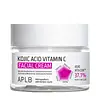 Key Ingredients
Benefits
Concerns
Ingredients Side-by-side
Water
Skin ConditioningCentella Asiatica Leaf Water
Skin Conditioning


Glycerin
Humectant

Cetyl Ethylhexanoate
EmollientButylene Glycol
Humectant
Polyglyceryl-3 Methylglucose Distearate
Emulsifying

Kojic Acid
Antioxidant



Ascorbic Acid
Antioxidant


Sodium Hyaluronate
Humectant
Stearic Acid
Cleansing
Sodium Polyacryloyldimethyl Taurate
Emulsion StabilisingHydrogenated Polydecene
EmollientTrideceth-10
CleansingSilica
Abrasive


Glyceryl Stearate
Emollient
Beeswax
Emulsion Stabilising

Butyrospermum Parkii Butter
Skin Conditioning
Macadamia Ternifolia Seed Oil
Emollient
Betaine
Humectant
Trehalose
Humectant
Citric Acid
Buffering
Nelumbo Nucifera Extract
Skin ConditioningArtemisia Annua Extract
Masking
Oryza Sativa Extract
Absorbent
Saccharomyces Ferment
Skin Conditioning
Solanum Melongena Fruit Extract
Skin ConditioningMelaleuca Alternifolia Leaf Extract
Perfuming
Hydrolyzed Collagen
Emollient
Squalane
Emollient
Beta-Glucan
Skin Conditioning
Dipropylene Glycol
HumectantHippophae Rhamnoides Fruit Extract
Skin Conditioning
Madecassic Acid
Skin Conditioning
Asiaticoside
Antioxidant
Asiatic Acid
Skin Conditioning
Disodium EDTA
Propanediol
Solvent
Hydroxyacetophenone
Antioxidant
1,2-Hexanediol
Skin Conditioning
Ethylhexylglycerin
Skin ConditioningDipotassium Glycyrrhizate
Humectant
Water, Centella Asiatica Leaf Water, Glycerin, Cetyl Ethylhexanoate, Butylene Glycol, Polyglyceryl-3 Methylglucose Distearate, Kojic Acid, Ascorbic Acid, Sodium Hyaluronate, Stearic Acid, Sodium Polyacryloyldimethyl Taurate, Hydrogenated Polydecene, Trideceth-10, Silica, Glyceryl Stearate, Beeswax, Butyrospermum Parkii Butter, Macadamia Ternifolia Seed Oil, Betaine, Trehalose, Citric Acid, Nelumbo Nucifera Extract, Artemisia Annua Extract, Oryza Sativa Extract, Saccharomyces Ferment, Solanum Melongena Fruit Extract, Melaleuca Alternifolia Leaf Extract, Hydrolyzed Collagen, Squalane, Beta-Glucan, Dipropylene Glycol, Hippophae Rhamnoides Fruit Extract, Madecassic Acid, Asiaticoside, Asiatic Acid, Disodium EDTA, Propanediol, Hydroxyacetophenone, 1,2-Hexanediol, Ethylhexylglycerin, Dipotassium Glycyrrhizate
Water
Skin ConditioningButylene Glycol
Humectant
Niacinamide
Smoothing

Glycerin
Humectant
1,2-Hexanediol
Skin Conditioning
Coptis Japonica Root Extract
Skin ConditioningCurcuma Longa Root Extract
Masking
Caprylic/Capric Triglyceride
Masking
Diethoxyethyl Succinate
SolventCetearyl Alcohol
Emollient
Cetearyl Glucoside
Emulsifying
Arginine
Masking
Acrylates/C10-30 Alkyl Acrylate Crosspolymer
Emulsion StabilisingCoco-Caprylate/Caprate
Emollient
Dilinoleic Acid/Butanediol Copolymer
C9-12 Alkane
SolventCastor Oil/Ipdi Copolymer
Cetearyl Olivate
Sorbitan Olivate
Emulsifying
Caesalpinia Spinosa Gum
Skin ConditioningCitrus Junos Peel Extract
Skin ConditioningCastanea Crenata Shell Extract
Skin ConditioningFragaria Ananassa Fruit Extract
Skin Conditioning
Xanthan Gum
EmulsifyingSimethicone
Emollient
Carbomer
Emulsion StabilisingEthylhexylglycerin
Skin ConditioningAdenosine
Skin Conditioning
Kojic Acid
Antioxidant
Cyanocobalamin
Skin ConditioningAscorbic Acid
Antioxidant
Ferulic Acid
Antimicrobial
Octyldodecanol
Emollient
Hydrogenated Lecithin
Emulsifying
Ceramide NP
Skin Conditioning
Caprylyl Glycol
Emollient
Retinol
Skin Conditioning

Undecane
EmollientTridecane
Perfuming
Tocopherol
Antioxidant
Sodium Hyaluronate
Humectant
Hydroxypropyltrimonium Hyaluronate
Hydrolyzed Hyaluronic Acid
Humectant
Sodium Acetylated Hyaluronate
Humectant
Hyaluronic Acid
Humectant
Hydrolyzed Sodium Hyaluronate
Skin Conditioning
Sodium Hyaluronate Crosspolymer
Humectant
Potassium Hyaluronate
Skin ConditioningAcetyl Hexapeptide-8
Humectant
Copper Tripeptide-1
Skin Conditioning
Palmitoyl Pentapeptide-4
Skin Conditioning
Palmitoyl Hexapeptide-12
Skin Conditioning
Allantoin
Skin Conditioning
Alpha-Arbutin
Antioxidant
Caffeine
Skin Conditioning
Water, Butylene Glycol, Niacinamide, Glycerin, 1,2-Hexanediol, Coptis Japonica Root Extract, Curcuma Longa Root Extract, Caprylic/Capric Triglyceride, Diethoxyethyl Succinate, Cetearyl Alcohol, Cetearyl Glucoside, Arginine, Acrylates/C10-30 Alkyl Acrylate Crosspolymer, Coco-Caprylate/Caprate, Dilinoleic Acid/Butanediol Copolymer, C9-12 Alkane, Castor Oil/Ipdi Copolymer, Cetearyl Olivate, Sorbitan Olivate, Caesalpinia Spinosa Gum, Citrus Junos Peel Extract, Castanea Crenata Shell Extract, Fragaria Ananassa Fruit Extract, Xanthan Gum, Simethicone, Carbomer, Ethylhexylglycerin, Adenosine, Kojic Acid, Cyanocobalamin, Ascorbic Acid, Ferulic Acid, Octyldodecanol, Hydrogenated Lecithin, Ceramide NP, Caprylyl Glycol, Retinol, Undecane, Tridecane, Tocopherol, Sodium Hyaluronate, Hydroxypropyltrimonium Hyaluronate, Hydrolyzed Hyaluronic Acid, Sodium Acetylated Hyaluronate, Hyaluronic Acid, Hydrolyzed Sodium Hyaluronate, Sodium Hyaluronate Crosspolymer, Potassium Hyaluronate, Acetyl Hexapeptide-8, Copper Tripeptide-1, Palmitoyl Pentapeptide-4, Palmitoyl Hexapeptide-12, Allantoin, Alpha-Arbutin, Caffeine
Ingredients Explained
These ingredients are found in both products.
Ingredients higher up in an ingredient list are typically present in a larger amount.
1,2-Hexanediol is a synthetic liquid and another multi-functional powerhouse.
It is a:
- Humectant, drawing moisture into the skin
- Emollient, helping to soften skin
- Solvent, dispersing and stabilizing formulas
- Preservative booster, enhancing the antimicrobial activity of other preservatives
Ascorbic Acid is is pure Vitamin C and is the biologically active form used directly by skin.
Not only is vitamin C great for your overall health and immune system, but it also has plenty of benefits for your skin. It is best supported by academic literature for:
Topical vitamin C has been shown to help neutralize oxidative stress from UV and pollution, helping to improve photoaging and hyperpigmentation when used consistently.
One clinical study found that using 5% topical vitamin C for six months improved signs of photodamaged skin, both on the surface and in the deeper structural layers of the skin.
While vitamin C doesn’t replace sunscreen, studies show it can boost photoprotection when combined with Vitamin E and ferulic acid. These two ingredients help improve stability and protective effects.
The big downside of this ingredient is formulation difficulty. Vitamin C is prone to oxidation and doesn't penetrate the skin unless formulated correctly. Research found that vitamin C absorbs into the skin best at a low pH (< 3.5) with about 20% being the upper limit for effective absorption.
Skin levels can saturate after repeated application; this means your skin won’t keep absorbing more once it’s full of vitamin C. This is why more isn’t always better with vitamin C and why very high concentrations don’t necessarily give extra benefits.
Ascorbic acid generally works well with many skincare ingredients but can be irritating when combined with other active ingredients. Strong oxidizing acne treatments like benzoyl peroxide can reduce the effectiveness of vitamin C if they are used at the same time; they are often recommended for use at different times of day.
Read more about other types of Vitamin C:
Foods rich with vitamin C include oranges, strawberries, broccoli, bell peppers, and more. When consuming Vitamin C, your skin receives a portion of the nutrients.
Learn more about Ascorbic AcidButylene Glycol (or BG) is used within cosmetic products for a few different reasons:
Overall, Butylene Glycol is a safe and well-rounded ingredient that works well with other ingredients.
Though this ingredient works well with most skin types, some people with sensitive skin may experience a reaction such as allergic rashes, closed comedones, or itchiness.
Learn more about Butylene GlycolEthylhexylglycerin is created from glycerin. It is a multitasker ingredient that:
The CIR Expert Panel found minimal skin absorption or sensitization of any kind in a safety assessment. Though this ingredient is considered well-tolerated, a small number of cases of allergic dermatitis have been published since 2002. Just be sure to patch test if you are unsure.
Industry-reported use ranges from 8% in rinse-off products and 2% in leave-on formulations.
Learn more about EthylhexylglycerinGlycerin (or glycerol) is a compound naturally found in your skin. It's a powerhouse humectant that pulls water into the stratum corneum.
Topically, glycerin does several things at once:
Your skin makes glycerin on its own (mostly from sebaceous oil breakdown) and shuttles it to your outermost layer of skin, or your epidermis, via aquaporin-3.
Aquaporin-3 is a transporter that is essential for normal skin hydration, elasticity, and repair. Interestingly, mice lacking in AQP3 have dry and less elastic skin that can be fully corrected with glycerin.
This ingredient is non-irritating, plays well with almost every ingredient, and works across all skin types. Typical use is anywhere between 3-10% but can go up to 79% in some leave-on products.
Just know very high concentrations (>40%) can feel tacky in low humidity.
Glycerin is the name for this ingredient in American English. British English uses Glycerol/Glycerine.
Learn more about GlycerinKojic Acid is a naturally occurring organic acid that is produced during the fermentation of certain fungi. It is one of the most well-studied brightening ingredients (tyrosinase inhibitors) out there.
That's why you'll see Kojic Acid in products that target dark spots, hyperpigmentation, and general uneven skin tone. It also pairs well with other brightening actives like Alpha Arbutin, Glycolic Acid, and Vitamin C derivatives.
By latching onto the copper that the enzyme tyrosinase needs to function, Kojic Acid prevents less pigment from being made. It's so well-established that researchers regularly use it as the go-to benchmark when testing new brightening ingredients.
Some other perks include documented antioxidant and antimicrobial properties. The The CIR (Cosmetic Ingredient Review) Expert Panel concluded Kojic Acid is safe for use in cosmetic products at concentrations up to 1% and the EU's SCCS (Scientific Committee on Consumer Safety) considers it safe as a skin lightening agent at concentrations up to 0.7%.
One thing to know about Kojic Acid is that stability is its weak spot; it is sensitive to light, heat, and air exposure and will oxidize/turn brown in formulations. Its derivative, Kojic Dipalmitate, was developed as a stable alternative.
Some individuals have reported contact sensitization so be sure to patch test if you have reactive or sensitive skin.
Fun fact: It was first discovered in 1907 and naturally occurs in the production of sake, soy sauce, and miso.
Learn more about Kojic AcidSodium Hyaluronate is the salt form of hyaluronic acid. It is a long sugar chain that is naturally found in your skin, joints, and connective tissue that maintains hydration and elasticity.
In skincare, it works as a humectant. It pulls water from the environment and deeper layers of skin and binds it to the surface.
Interestingly, the size of the molecule affects its behavior:
Some clinical evidence links low molecular weight versions to improved wrinkle depth, elasticity, anti-inflammatory effects, and barrier repair.
Many serums use a blend of both weights so you can get surface hydration plus longer-lasting and deeper effects.
You'll typically see concentrations between 0.1-2% for this ingredient.
Learn more about Sodium HyaluronateWater. It's the most common cosmetic ingredient of all. You'll usually see it at the top of ingredient lists, meaning that it makes up the largest part of the product.
So why is it so popular? Water most often acts as a solvent - this means that it helps dissolve other ingredients into the formulation.
You'll also recognize water as that liquid we all need to stay alive. If you see this, drink a glass of water. Remember to stay hydrated!
Learn more about Water

