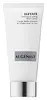
This anti-aging moisturizer is formulated around Palmitoyl Tetrapeptide-7 and Palmitoyl Tripeptide-1 to soften the look of wrinkles and refine skin texture.
This anti-aging moisturizer is formulated around Acetyl Hexapeptide-8 and Palmitoyl Tripeptide-1 to soften the look of wrinkles.


What's inside
What's inside
 Key Ingredients
Benefits
Concerns
Ingredients Side-by-side
Water
Skin ConditioningIsononyl Isononanoate
EmollientDimethicone
Emollient

Butyrospermum Parkii Butter
Skin Conditioning






Glycerin
Humectant
Butylene Glycol
Humectant
Caprylic/Capric Triglyceride
Masking
Cetearyl Alcohol
Emollient
PPG-3 Benzyl Ether Myristate
EmollientSorbitan Stearate
Emulsifying
Glyceryl Stearate
Emollient
PEG-100 Stearate
Surfactant
Pentylene Glycol
Skin Conditioning
Parachlorella Beijerinckii Exopolysaccharides
Skin ProtectingHydrolyzed Quinoa
Skin ConditioningHydrolyzed Rice Protein
Skin ConditioningNannochloropsis Oculata Extract
HumectantPalmitoyl Tetrapeptide-7
Skin Conditioning


Palmitoyl Tripeptide-1
Skin Conditioning
Acetyl Dipeptide-1 Cetyl Ester
Skin Conditioning

Apium Graveolens Callus Extract
Antioxidant
Tapioca Starch
Dimethicone Crosspolymer
Emulsion Stabilising
Caprylyl Glycol
Emollient
Pullulan
Potassium Sorbate
Preservative
Sodium Hydroxide
BufferingSorbitan Laurate
Emulsifying
Acrylates/C10-30 Alkyl Acrylate Crosspolymer
Emulsion StabilisingHydroxyethylcellulose
Emulsion StabilisingPentaerythrityl Tetra-Di-T-Butyl Hydroxyhydrocinnamate
Antioxidant
Carbomer
Emulsion StabilisingHexylene Glycol
EmulsifyingDisodium EDTA
Polysorbate 20
Emulsifying
Sodium Benzoate
Masking
Ethylhexylglycerin
Skin ConditioningPhenoxyethanol
Preservative
Parfum
Masking


Citronellol
Perfuming
Hydroxycitronellal
Perfuming
Limonene
Perfuming
Linalool
Perfuming
Water, Isononyl Isononanoate, Dimethicone, Butyrospermum Parkii Butter, Glycerin, Butylene Glycol, Caprylic/Capric Triglyceride, Cetearyl Alcohol, PPG-3 Benzyl Ether Myristate, Sorbitan Stearate, Glyceryl Stearate, PEG-100 Stearate, Pentylene Glycol, Parachlorella Beijerinckii Exopolysaccharides, Hydrolyzed Quinoa, Hydrolyzed Rice Protein, Nannochloropsis Oculata Extract, Palmitoyl Tetrapeptide-7, Palmitoyl Tripeptide-1, Acetyl Dipeptide-1 Cetyl Ester, Apium Graveolens Callus Extract, Tapioca Starch, Dimethicone Crosspolymer, Caprylyl Glycol, Pullulan, Potassium Sorbate, Sodium Hydroxide, Sorbitan Laurate, Acrylates/C10-30 Alkyl Acrylate Crosspolymer, Hydroxyethylcellulose, Pentaerythrityl Tetra-Di-T-Butyl Hydroxyhydrocinnamate, Carbomer, Hexylene Glycol, Disodium EDTA, Polysorbate 20, Sodium Benzoate, Ethylhexylglycerin, Phenoxyethanol, Parfum, Citronellol, Hydroxycitronellal, Limonene, Linalool
Water
Skin ConditioningOctyldodecanol
Emollient
Propanediol
Solvent
Cetearyl Alcohol
Emollient
Glycerin
Humectant
Glyceryl Stearate
Emollient
Methylpropanediol
SolventPentylene Glycol
Skin Conditioning
Undecane
EmollientButyrospermum Parkii Butter
Skin Conditioning
Ceteareth-20
Cleansing
Pentaerythrityl Tetrastearate
EmollientSorbitan Stearate
Emulsifying
Cera Alba
Emollient
Ceratonia Siliqua Seed Extract
Skin ConditioningCamellia Sinensis Leaf Extract
Antimicrobial


Prunus Amygdalus Dulcis Oil
Skin Conditioning
Paeonia Albiflora Root Extract
Skin ConditioningHydrogenated Vegetable Oil
Emollient
Lycium Barbarum Fruit Extract
Astringent
Vitis Vinifera Juice Extract
Antioxidant
Soy Isoflavones
Skin ConditioningLepidium Sativum Sprout Extract
Skin ConditioningJasminum Officinale Oil
Masking
Lactobacillus/Wasabia Japonica Root Ferment Extract
Antioxidant
Yeast Extract
Skin ConditioningSaccharomyces Cerevisiae Extract
Skin Conditioning
Acetyl Hexapeptide-8
Humectant
Palmitoyl Tripeptide-1
Skin Conditioning
Hydrolyzed Royal Jelly Protein
Skin ConditioningPalmitoyl Tetrapeptide-7
Skin Conditioning
Alpha-Glucan Oligosaccharide
Cleansing
Decarboxy Carnosine Hcl
Skin ConditioningSodium Gluconate
Skin ConditioningSodium Lactate
Buffering
Proline
Skin Conditioning
Carum Carvi Seed Oil
Masking
Mentha Piperita Oil
Masking
Cetyl Palmitate
Emollient
Cocoglycerides
Emollient
Lecithin
Emollient
Hydrogenated Lecithin
Emulsifying
Maltodextrin
Absorbent
Tocopherol
Antioxidant

Butylene Glycol
Humectant
1,2-Hexanediol
Skin Conditioning
Carbomer
Emulsion StabilisingTridecane
Perfuming
Polyglyceryl-6 Caprylate
EmulsifyingAlcohol
Antimicrobial
Acrylates/C10-30 Alkyl Acrylate Crosspolymer
Emulsion StabilisingTriethanolamine
BufferingPolyacrylate Crosspolymer-6
Emulsion StabilisingPolysorbate 20
Emulsifying
Caprylyl Glycol
Emollient
Phenylpropanol
Masking
Phenethyl Alcohol
MaskingSodium Benzoate
Masking
Potassium Sorbate
Preservative
Ethylhexylglycerin
Skin ConditioningLimonene
Perfuming
Water, Octyldodecanol, Propanediol, Cetearyl Alcohol, Glycerin, Glyceryl Stearate, Methylpropanediol, Pentylene Glycol, Undecane, Butyrospermum Parkii Butter, Ceteareth-20, Pentaerythrityl Tetrastearate, Sorbitan Stearate, Cera Alba, Ceratonia Siliqua Seed Extract, Camellia Sinensis Leaf Extract, Prunus Amygdalus Dulcis Oil, Paeonia Albiflora Root Extract, Hydrogenated Vegetable Oil, Lycium Barbarum Fruit Extract, Vitis Vinifera Juice Extract, Soy Isoflavones, Lepidium Sativum Sprout Extract, Jasminum Officinale Oil, Lactobacillus/Wasabia Japonica Root Ferment Extract, Yeast Extract, Saccharomyces Cerevisiae Extract, Acetyl Hexapeptide-8, Palmitoyl Tripeptide-1, Hydrolyzed Royal Jelly Protein, Palmitoyl Tetrapeptide-7, Alpha-Glucan Oligosaccharide, Decarboxy Carnosine Hcl, Sodium Gluconate, Sodium Lactate, Proline, Carum Carvi Seed Oil, Mentha Piperita Oil, Cetyl Palmitate, Cocoglycerides, Lecithin, Hydrogenated Lecithin, Maltodextrin, Tocopherol, Butylene Glycol, 1,2-Hexanediol, Carbomer, Tridecane, Polyglyceryl-6 Caprylate, Alcohol, Acrylates/C10-30 Alkyl Acrylate Crosspolymer, Triethanolamine, Polyacrylate Crosspolymer-6, Polysorbate 20, Caprylyl Glycol, Phenylpropanol, Phenethyl Alcohol, Sodium Benzoate, Potassium Sorbate, Ethylhexylglycerin, Limonene
Ingredients Explained
These ingredients are found in both products.
Ingredients higher up in an ingredient list are typically present in a larger amount.
Acrylates/C10-30 Alkyl Acrylate Crosspolymer is a synthetic polymer. It is used to thicken, emulsify, and improve the texture of products.
As an emulsifier, it helps stabilize oil-in-water emulsions to give products an elegant feel when applied.
It can also form a thin protective film on skin. One study found that a formula using this polymer helped slow down how quickly other ingredients (like DEET) were absorbed through skin.
A 2024 study of over 1,300 patients confirmed that sensitization to this ingredient is rare. It is also non-mutagenic and has a clean track record.
Learn more about Acrylates/C10-30 Alkyl Acrylate CrosspolymerButylene Glycol (or BG) is used within cosmetic products for a few different reasons:
Overall, Butylene Glycol is a safe and well-rounded ingredient that works well with other ingredients.
Though this ingredient works well with most skin types, some people with sensitive skin may experience a reaction such as allergic rashes, closed comedones, or itchiness.
Learn more about Butylene GlycolThis ingredient is also known as shea butter. It is a plant-derived extract from the nuts of the Africa shea tree and one of the most well-studied emollients.
Because it has a high concentration of fatty acids (primarily oleic, stearic, and linoleic) it is able to form a protective barrier on the skin's surface. This helps seal in moisture and prevents transepidermal water loss (TEWL).
In vitro research found an increase in skin hydration by 58% and a decrease in TEWL by 37.8% after 24 hours of applying this ingredient (pretty impressive for a single ingredient!).
Besides hydration, shea butter also contains triterpenes that have anti-inflammatory potential. In particule, lupeol cinnamate has shown the highest anti-inflammatory activity in vivo.
Shea butter also contains vitamins A and E which may contribute to antioxidant activity.
While Shea Butter has an SPF rating of about 3-4, it is not a sunscreen replacement.
This ingredient may not be fungal acne safe because its fatty acids fall within the C11-C24 range that the Malassezia yeast can metabolize.
This ingredient shows up on a lot of "pore-clogging" lists but there's no real evidence behind that. It doesn't even have a comedogenic rating from an actual study; the numbers you'll find online come from blogs citing other blogs.
Ratings for other ingredients mostly come from a 1980s rabbit ear test. This test doesn't translate well to human skin or to real products because the ingredient sits at a much lower percentage.
Some people still find it breaks them out. So if that's you, definitely trust your skin. Just know this one's based on experience and not evidence.
Learn more about Butyrospermum Parkii ButterCaprylyl Glycol is a humectant, skin conditioner, emollient, and preservative booster derived from either caprylic acid or synthetically created.
Typical use levels vary from 0.3-1% as a preservative booster and go up to 2% to condition skin.
Because it is not a free-fatty acid, this ingredient is fungal acne safe (there's nothing for Malassezia to feed on).
Learn more about Caprylyl GlycolCarbomer is a synthetic thickening and gelling agent. It's basically the ingredient that gives a lot of serums, gels, creams, and sunscreens their smooth, non-sticky texture.
Although legally permitted at very high levels, carbomers are normally used at concentrations below 1%.
It also needs to be neutralized to actually thicken, and because it is a large molecule, it doesn't really penetrate the skin barrier.
Allergy-wise, the risk is very low. Clinical studies show carbomers have low potential for skin irritation/sensitization even at concentrations up to 100%.
A 2024 UK study patch-tested 1,302 patients and found true allergy to the parent group of carbomer to be rare with no confirmed relevant reactions.
Learn more about CarbomerCetearyl alcohol is a waxy mixture of two fatty alcohols: cetyl alcohol and stearyl alcohol. It is an emollient and emulsifier.
Despite having "alcohol" in its name, it has nothing to do with drying solvent alcohols; the FDA also allows "alcohol-free" products to contain fatty alcohols like this ingredient.
It plays several roles in a formula:
Typical use levels for this ingredient sit around 1-10% and the Cosmetic Ingredient Review Expert Panel has affirmed safety at concentrations up to 25% in leave-on products.
Multiple assessments have found it to be non-irritating and non-sensitizing to most people.
However, there have been some cases of allergic contact dermatitis in patients with chronically compromised skin barriers.
Cetearyl alcohol has a comedogenic rating of 2 and irritancy rating of 1. Both of these numbers come from the 1989 study that used rabbit ears; a "2" means mildly comedogenic and a "1" means low irritancy.
Here's the catch: rabbit skin is more sensitive than human skin and throws a lot of false positives. A 1996 reappraisal found that ingredients rated 1-2 in the rabbit ear tests are generally safe for humans.
Remember comedogenic ratings are unable to assess the entire formula of a product or how it will react on your skin. Just be sure to patch test if you are unsure about certain ingredients.
This ingredient is not fungal acne safe. Cetearyl alcohol is a fatty alcohol with chain lengths that fall within the range that Malassezia can metabolize.
A 2019 study has also observed Malassezia growth in the presence of this ingredient, confirming it to be not-fungal acne safe.
Learn more about Cetearyl AlcoholEthylhexylglycerin is created from glycerin. It is a multitasker ingredient that:
The CIR Expert Panel found minimal skin absorption or sensitization of any kind in a safety assessment. Though this ingredient is considered well-tolerated, a small number of cases of allergic dermatitis have been published since 2002. Just be sure to patch test if you are unsure.
Industry-reported use ranges from 8% in rinse-off products and 2% in leave-on formulations.
Learn more about EthylhexylglycerinGlycerin (or glycerol) is a compound naturally found in your skin. It's a powerhouse humectant that pulls water into the stratum corneum.
Topically, glycerin does several things at once:
Your skin makes glycerin on its own (mostly from sebaceous oil breakdown) and shuttles it to your outermost layer of skin, or your epidermis, via aquaporin-3.
Aquaporin-3 is a transporter that is essential for normal skin hydration, elasticity, and repair. Interestingly, mice lacking in AQP3 have dry and less elastic skin that can be fully corrected with glycerin.
This ingredient is non-irritating, plays well with almost every ingredient, and works across all skin types. Typical use is anywhere between 3-10% but can go up to 79% in some leave-on products.
Just know very high concentrations (>40%) can feel tacky in low humidity.
Glycerin is the name for this ingredient in American English. British English uses Glycerol/Glycerine.
Learn more about GlycerinGlyceryl Stearate is made by reacting glycerin with stearic acid (typically sourced from plant oils like palm or coconut). It's an emulsifier, emollient, and mild occlusive.
Emulsifiers help ingredients like oil and water stay mixed so your formula stays nicely blended and uniform in texture.
This ingredient is typically used in concentrations between 1-10%. Studies have found it to be non-sensitizing, non-phototoxic, and non-photoallergenic.
A close cousin of this ingredient is Glyceryl Stearate SE ("self-emulsifying"). This just has a small amount of sodium or potassium stearate added so it can emulsify without a co-emulsifier.
Since this ingredient is an ester of a C18 fatty acid, it may not be fungal acne safe. The Malassezia yeast can potentially metabolize within the C11-C24 range.
Fun fact: The human body also creates Glyceryl Stearate naturally.
Learn more about Glyceryl StearateLimonene is a fragrance that adds scent and taste to a formulation.
It's found in the peel oil of citrus fruits and other plants such as lavender and eucalyptus. The scent of limonene is generally described as "sweet citrus".
Limonene acts as an antioxidant, meaning it helps neutralize free radicals.
When exposed to air, oxidized limonene may sensitize the skin. Because of this, limonene is often avoided by people with sensitive skin.
The term 'fragrance' is not regulated in many countries. In many cases, it is up to the brand to define this term. For instance, many brands choose to label themselves as "fragrance-free" because they are not using synthetic fragrances. However, their products may still contain ingredients such as essential oils that are considered a fragrance.
Learn more about LimonenePalmitoyl Tetrapeptide-7 (formerly Palmitoyl Tetrapeptide-3) is a synthetic peptide. Its main job is to fight what researchers call "inflammaging".
"Inflammaging" is the slow, low-grade chronic inflammation that quietly breaks down collagen as we age.
This ingredient calms down a specific inflammation signal in your skin cells (called IL-6). When left unchecked, this signal triggers enzymes that break down collagen and elastin.
Clinical testing showed statistically significant improvements in:
Studies also found the more of this ingredient used, the more your skin produces Collagen I, fibronectin, and hyaluronic acid.
You'll likely see this ingredient paired with Palmitoyl Tripeptide-1 in the well-known Matrixyl 3000 complex for enhanced anti-aging effects.
A 3% concentration applied twice daily for two months showed meaningful skin rejuvenation results in clinical panels.
Fungal acne note:
Usually a palmitic acid component can feed Malassezia in unbound form, but here is is covalently bonded to the peptide. This means it is very difficult for Malassezia to access, and therefore very unlikely to cause fungal acne.
Palmitoyl Tripeptide-1 (aka Pal-GHK) is a synthetic signal peptide made of three amino acids attached to palmitic acid.
That fatty acid attachment is the key: it boosts the peptide's ability to penetrate the skin barrier. This puts it closer to the dermal cells where it can actually make a difference.
Once there, it acts as a matrikine, a signaling peptide that prompts fibroblasts to produce more collagen, fibronectin, and hyaluronic acid.
In vitro studies show it can boost collagen production in skin cells even when UV-damaged skin samples were treated with it at a tiny concentration (it almost fully restored dermal collagen at 5ppm). It achieved this at 100x lower concentration than retinoic acid, which needed 500 ppm to do the same thing.
Human clinical data is promising, but modest:
A study of 23 female volunteers found a small but statistically significant increase (~4%) in skin thickness after treatment at 4 ppm.
A separate small trial of 15 women showed statistically significant reductions in wrinkle length, depth, and skin roughness after applying it twice daily for four weeks.
You'll likely see Pal-GHK paired with Palmitoyl Tetrapeptide-7 as part of the Matrixyl 3000 complex.
Fungal acne note:
Usually a palmitic acid component can feed Malassezia in unbound form, but here is is covalently bonded to the peptide. This means it is very difficult for Malassezia to access, and therefore very unlikely to cause fungal acne.
Pentylene Glycol (1,2-pentanediol) is a multitasking little diol with three main roles in a formula:
Research on alkanediols (the family pentylene glycol belongs to) show they work by disrupting microbial cell membranes. This disruption helps the primary preservative system in a product work more effectively at lower doses.
On the safety side, the Cosmetic Ingredient Review Expert Panel has concluded this ingredient to be safe as used in current cosmetic practices + concentrations.
Typical use levels in a formula run about 1-5%.
Learn more about Pentylene GlycolPolysorbate 20 is a gentle, water-soluble emulsifier and mild surfactant. It stops oil and water from separating to keep your formulas blended and stable.
It also acts as a mild penetration enhancer by helping active ingredients absorb slightly better.
The common safety discussion around this ingredient involves a manufacturing byproduct called 1,4-dioxane.
Trace amounts can form during production but the EU's Scientific Committee on Consumer Safety has concluded that levels at/below 10 ppm in finished products are safe (commercial products consistently fall within acceptable margins).
True allergic reactions are uncommon and the CIR Expert Panel has confirmed this ingredient to be safe as used in cosmetics.
Because it is derived from lauric acid, it may not be fungal acne safe.
Learn more about Polysorbate 20Potassium Sorbate is a preservative used to prevent yeast and mold in products. It is commonly found in both cosmetic and food products.
This ingredient comes from potassium salt derived from sorbic acid. Sorbic acid is a natural antibiotic and effective against fungus.
Both potassium sorbate and sorbic acid can be found in baked goods, cheeses, dried meats, dried fruit, ice cream, pickles, wine, yogurt, and more.
You'll often find this ingredient used with other preservatives.
Learn more about Potassium SorbateSodium Benzoate is a preservative. It's used in both cosmetic and food products to inhibit the growth of mold and bacteria. It is typically produced synthetically.
Both the US FDA and EU Health Committee have approved the use of sodium benzoate. In the US, levels of 0.1% (of the total product) are allowed.
Sodium benzoate works as a preservative by inhibiting the growth of bacteria inside of cells. It prevents the cell from fermenting a type of sugar using an enzyme called phosphofructokinase.
It is the salt of benzoic acid. Foods containing sodium benzoate include soda, salad dressings, condiments, fruit juices, wines, and snack foods.
Studies for using ascorbic acid and sodium benzoate in cosmetics are lacking, especially in skincare routines with multiple steps.
We always recommend speaking with a professional, such as a dermatologist, if you have any concerns.
Learn more about Sodium BenzoateSorbitan Stearate is an emulsifier made by reacting sorbitol with stearic acid.
It's mostly used to keep oil and water mixed so your formulas stay smooth and stable.
The Cosmetic Ingredient Review has found 4% of this ingredient in repeat-insult patch tests on humans to be non-sensitizing. There is a caveat that some reactions have shown up in patients with damaged or diseased skin.
Because it is an ester of a C18 fatty acid, it falls into the C11-24 range that the Malassezia yeast can metabolize. This means this ingredient may not be fungal acne safe.
Learn more about Sorbitan StearateWater. It's the most common cosmetic ingredient of all. You'll usually see it at the top of ingredient lists, meaning that it makes up the largest part of the product.
So why is it so popular? Water most often acts as a solvent - this means that it helps dissolve other ingredients into the formulation.
You'll also recognize water as that liquid we all need to stay alive. If you see this, drink a glass of water. Remember to stay hydrated!
Learn more about Water

