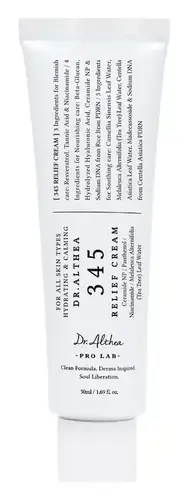
Aizen Snowdrop 9x Ceramide Skin Barrier Aqua Moisturizer Gel Versus innisfree Green Tea Ceramide Cream
This barrier-repair moisturizer is formulated around Ceramide NP and Niacinamide to strengthen the skin barrier and hydrate skin.
This barrier-repair moisturizer is formulated around Squalane and Ceramide NP to strengthen the skin barrier and hydrate skin.


What's inside
What's inside
 Key Ingredients
Benefits
Concerns
Ingredients Side-by-side
Water
Skin ConditioningGlycerin
Humectant


Dipropylene Glycol
HumectantCyclopentasiloxane
Emollient
Dimethicone
Emollient
Isononyl Isononanoate
EmollientButylene Glycol
Humectant
Chamomilla Recutita Flower Extract
Masking

Hamamelis Virginiana Leaf Water
Astringent
Citrus Paradisi Fruit Extract
Skin ConditioningHydroxyacetophenone
Antioxidant
Niacinamide
Smoothing







Allantoin
Skin Conditioning
Phenylethyl Resorcinol
Antioxidant
Tetrahydrodiferuloylmethane
Antioxidant
1,2-Hexanediol
Skin Conditioning
Potassium Methoxysalicylate
BleachingPolyglutamic Acid
Skin Conditioning
Ceramide NP
Skin Conditioning
Ceramide AP
Skin Conditioning
Ceramide Ns
Skin Conditioning
Ceramide EOP
Skin Conditioning
Ceramide Eos
Skin Conditioning
Ceramide As
Skin Conditioning
Ceramide Ag
Humectant
Glucosyl Ceramide
Skin Conditioning
Cetyl-Pg Hydroxyethyl Palmitamide
Skin ConditioningHydroxypropyl Bispalmitamide Mea
Emollient
Hydroxypalmitoyl Sphinganine
Skin Conditioning
Sodium Hyaluronate
Humectant
Dimethylsilanol Hyaluronate
Humectant
Sodium Acetylated Hyaluronate
Humectant
PEG-13 Diglycidyl Ether
Sodium Hyaluronate Crosspolymer
Humectant
Potassium Hyaluronate
Skin ConditioningSodium Hyaluronate Dimethylsilanol
HumectantBifida Ferment Lysate
Skin Conditioning
Hyaluronic Acid
Humectant
Hydrolyzed Hyaluronic Acid
Humectant
Hydroxypropyltrimonium Hyaluronate
Caprylhydroxamic Acid
ChelatingAlpha-Arbutin
Antioxidant
Artemisia Princeps Extract
Skin Conditioning
Cholesterol
Emollient
Citrus Reticulata Fruit Extract
Skin ProtectingLactococcus Ferment Lysate
Skin Conditioning
Disodium EDTA
ChelatingAcetyl Tetrapeptide-9
Skin Conditioning
Palmitoyl Tetrapeptide-7
Skin Conditioning
Acetyl Octapeptide-3
Humectant
Palmitoyl Tripeptide-1
Skin Conditioning
Palmitoyl Pentapeptide-4
Skin Conditioning
Allium Cepa Bulb Extract
Skin Conditioning
Centella Asiatica Extract
Cleansing
Tetrahexyldecyl Ascorbate
Antioxidant
Salicylic Acid
Masking




Citrus Reticulata Peel Extract
Skin ConditioningHydrolyzed Glycosaminoglycans
HumectantAstragalus Membranaceus Root Extract
Emollient
Steareth-20
CleansingOctyldodecanol
Emollient
Hydrogenated Lecithin
Emulsifying
Pentylene Glycol
Skin Conditioning
Propanediol
Solvent
Citrus Aurantium Amara Peel Oil
Skin Conditioning

Rosa Damascena Flower Oil
Masking

Ethylhexylglycerin
Skin ConditioningBenzyl Glycol
SolventWater, Glycerin, Dipropylene Glycol, Cyclopentasiloxane, Dimethicone, Isononyl Isononanoate, Butylene Glycol, Chamomilla Recutita Flower Extract, Hamamelis Virginiana Leaf Water, Citrus Paradisi Fruit Extract, Hydroxyacetophenone, Niacinamide, Allantoin, Phenylethyl Resorcinol, Tetrahydrodiferuloylmethane, 1,2-Hexanediol, Potassium Methoxysalicylate, Polyglutamic Acid, Ceramide NP, Ceramide AP, Ceramide Ns, Ceramide EOP, Ceramide Eos, Ceramide As, Ceramide Ag, Glucosyl Ceramide, Cetyl-Pg Hydroxyethyl Palmitamide, Hydroxypropyl Bispalmitamide Mea, Hydroxypalmitoyl Sphinganine, Sodium Hyaluronate, Dimethylsilanol Hyaluronate, Sodium Acetylated Hyaluronate, PEG-13 Diglycidyl Ether, Sodium Hyaluronate Crosspolymer, Potassium Hyaluronate, Sodium Hyaluronate Dimethylsilanol, Bifida Ferment Lysate, Hyaluronic Acid, Hydrolyzed Hyaluronic Acid, Hydroxypropyltrimonium Hyaluronate, Caprylhydroxamic Acid, Alpha-Arbutin, Artemisia Princeps Extract, Cholesterol, Citrus Reticulata Fruit Extract, Lactococcus Ferment Lysate, Disodium EDTA, Acetyl Tetrapeptide-9, Palmitoyl Tetrapeptide-7, Acetyl Octapeptide-3, Palmitoyl Tripeptide-1, Palmitoyl Pentapeptide-4, Allium Cepa Bulb Extract, Centella Asiatica Extract, Tetrahexyldecyl Ascorbate, Salicylic Acid, Citrus Reticulata Peel Extract, Hydrolyzed Glycosaminoglycans, Astragalus Membranaceus Root Extract, Steareth-20, Octyldodecanol, Hydrogenated Lecithin, Pentylene Glycol, Propanediol, Citrus Aurantium Amara Peel Oil, Rosa Damascena Flower Oil, Ethylhexylglycerin, Benzyl Glycol
Water
Skin ConditioningButylene Glycol
Humectant
Propanediol
Solvent
Glycerin
Humectant
Squalane
Emollient
Dipropylene Glycol
HumectantCaprylic/Capric Triglyceride
Masking
Simmondsia Chinensis Seed Oil
Emollient
1,2-Hexanediol
Skin Conditioning
Glyceryl Stearate
Emollient
Ethylhexyl Palmitate
Emollient

Cetearyl Alcohol
Emollient
Methyl Trimethicone
Skin Conditioning
Dimethicone
Emollient
Cetyl Ethylhexanoate
EmollientCetearyl Olivate
Dicaprylyl Ether
Emollient
Polyglyceryl-3 Methylglucose Distearate
Emulsifying
Colloidal Oatmeal
Absorbent
Palmitic Acid
Emollient
Stearic Acid
Cleansing
Sorbitan Olivate
Emulsifying
Hydrogenated Poly(C6-14 Olefin)
EmollientCarbomer
Emulsion StabilisingTromethamine
BufferingDimethicone/Vinyl Dimethicone Crosspolymer
Skin Conditioning
Ethylhexylglycerin
Skin ConditioningCetearyl Glucoside
Emulsifying
Xanthan Gum
EmulsifyingCaprylyl Glycol
Emollient
Ceramide NP
Skin Conditioning
Sodium Metaphosphate
BufferingHydrogenated Lecithin
Emulsifying
Ectoin
Skin Conditioning
Cetyl-Pg Hydroxyethyl Palmitamide
Skin ConditioningPolyglyceryl-10 Stearate
Skin Conditioning
Camellia Sinensis Seed Extract
Humectant
Sodium Stearoyl Glutamate
CleansingPhytosterols
Skin Conditioning
Camellia Sinensis Seed Oil
Humectant
Tocopherol
Antioxidant
Phytosphingosine
Skin Conditioning
Camellia Sinensis Leaf Extract
Antimicrobial
Ceramide Ns
Skin Conditioning
Cholesterol
Emollient
Ceramide AP
Skin Conditioning
Ceramide As
Skin Conditioning
Ceramide EOP
Skin Conditioning
Water, Butylene Glycol, Propanediol, Glycerin, Squalane, Dipropylene Glycol, Caprylic/Capric Triglyceride, Simmondsia Chinensis Seed Oil, 1,2-Hexanediol, Glyceryl Stearate, Ethylhexyl Palmitate, Cetearyl Alcohol, Methyl Trimethicone, Dimethicone, Cetyl Ethylhexanoate, Cetearyl Olivate, Dicaprylyl Ether, Polyglyceryl-3 Methylglucose Distearate, Colloidal Oatmeal, Palmitic Acid, Stearic Acid, Sorbitan Olivate, Hydrogenated Poly(C6-14 Olefin), Carbomer, Tromethamine, Dimethicone/Vinyl Dimethicone Crosspolymer, Ethylhexylglycerin, Cetearyl Glucoside, Xanthan Gum, Caprylyl Glycol, Ceramide NP, Sodium Metaphosphate, Hydrogenated Lecithin, Ectoin, Cetyl-Pg Hydroxyethyl Palmitamide, Polyglyceryl-10 Stearate, Camellia Sinensis Seed Extract, Sodium Stearoyl Glutamate, Phytosterols, Camellia Sinensis Seed Oil, Tocopherol, Phytosphingosine, Camellia Sinensis Leaf Extract, Ceramide Ns, Cholesterol, Ceramide AP, Ceramide As, Ceramide EOP
Reviews
Ingredients Explained
These ingredients are found in both products.
Ingredients higher up in an ingredient list are typically present in a larger amount.
1,2-Hexanediol is a synthetic liquid and another multi-functional powerhouse.
It is a:
- Humectant, drawing moisture into the skin
- Emollient, helping to soften skin
- Solvent, dispersing and stabilizing formulas
- Preservative booster, enhancing the antimicrobial activity of other preservatives
Butylene Glycol (or BG) is used within cosmetic products for a few different reasons:
Overall, Butylene Glycol is a safe and well-rounded ingredient that works well with other ingredients.
Though this ingredient works well with most skin types, some people with sensitive skin may experience a reaction such as allergic rashes, closed comedones, or itchiness.
Learn more about Butylene GlycolCeramide AP is is a skin-identical lipid that mimics what your skin already makes naturally. Ceramides help maintain epidermal integrity and barrier function.
You'll often see this ingredient paired with other ceramides (like ceramide NP), cholesterol, or fatty acids because this combination best mimics the natural lipid mix your skin already has.
The skin's ability to produce ceramides gets disrupted in skin conditions like eczema. This in turn weakens the skin barrier and applying ceramides topically has been shown to replenish what's been lost to restore barrier function.
Most of the studies with Ceramide AP test it as part of a multi-ceramide complex; studies reinforce ceramide AP's role in rebalancing ceramides in skin and improving skin hydration.
Learn more about Ceramide APCeramide AS is formally known as Ceramides 4 and 5.
Ceramides are intercellular lipids naturally found in our skin that bonds dead skin cells together to create a barrier. They are known for their ability to hold water and thus are a great ingredient for dry skin.
Ceramide EOP is formally known as Ceramide 1.
It is naturally found in skin and part of the intercellular "mortar" holding everything together in your outermost layer.
EOP stands for a linked Ester fatty acid, a linked Omega hydroxy fatty acid, and the Phytosphingosine base.
What makes Ceramide EOP special is its ultra-long fatty acid chain; this unique structure allows it to bridge the lipid layers in your skin barrier to prevent water loss (something no other ceramide can do).
Low levels of Ceramide EOP have been found in people with eczema and psoriasis.
Using it together with other ceramides, cholesterol, and linoleic acid have been shown to meaningfully improve hydration and reduce water loss.
In one clinical study, a regimen using Ceramide EOP, NP, and AP led to significant symptom improvements in patients with eczema, psoriasis, and dry skin in just 4 weeks.
You'll usually see concentrations between 0.1-0.5% in formulations. Overall, this is a well-tolerated and safe ingredient for cosmetic use.
Learn more about Ceramide EOPCeramide NP (formerly known as Ceramide 3) is one of the skin's naturally occurring lipids.
Since ceramides are the major lipid components of the skin, they are crucial for maintaining skin barrier and hydration. Ceramide NP most closely mirrors the dominant kind in human skin amongst ceramide subtypes.
This ceramide works by slotting into gaps within the stratum corneum's lipid matrix to limit trans-epidermal water loss (TEWL) and shield the skin against external irritants.
A study with 312 patients found that using a ceramide-containing routine for 4 weeks reduced the severity of atopic dermatitis by over 61%.
Another clinical study in subjects aged 60 and older found that a ceramide body wash and moisturizer improved skin dryness and itchy skin in 15 days.
Overall, ceramides are considered non-irritating and safety tests have found little to no observable adverse effects from using this ingredient.
Ceramide NP is usually sourced from plants (like soybean or rice bran), or produced synthetically.
Learn more about Ceramide NPCeramide NS is formally known as Ceramide 2. It is one of the major ceramides in the stratum corneum (outermost layer of skin) plays a role in forming a protective barrier.
Due to its structure, skin lipids can be packed tightly and in turn, this strengthens the barrier and reduces water loss.
Studies show conditions like atopic dermatitis can worsen when ceramide NS levels are low.
Learn more about Ceramide NsThis ingredient is a synthetic mimic for ceramide NS and is often called a "pseudo-ceramide". It was developed by Kao Corporation in Japan (the same corporation that owns Biore and Curel).
Ceramides play a big role in your stratum corneum, or the outermost layer of skin. Your stratum corneum is structured like a brick wall where skin cells are bricks and ceramides are a big part of the mortar holding everything together.
Aging, harsh cleansers, environmental damage, or skin conditions can cause ceramide levels to drop. This leads to moisture loss, irritation, and dryness.
This is where this ingredient steps in: it's structurally designed with the same key features as natural ceramides. Because of this, it can slot into the lipid layers of your stratum corneum and behave just like real ceramides.
Research on patients with atopic dermatitis, seborrheic dermatitis, and sensitive skin has shown that topical application of this ingredient enhances stratum corneum function.
Another four-week randomized study on lip care found formulas containing 0.5% or 2% of this ingredient improved lip dryness and roughness.
A study on hairdressers with occupational hand dermatitis found that a barrier cream containing this ingredient reduced dryness, scaling, cracking, redness, and itching.
And a more recent study confirmed that this ingredient is absorbed into the stratum corneum and reduces transepidermal water loss (TEWL), just like a real ceramide.
This ingredient is more stable, free from contaminants, and significantly cheaper to produce. This makes it more practical for everyday skincare formulations.
Learn more about Cetyl-Pg Hydroxyethyl PalmitamideCholesterol is a lipid that is naturally found in human skin and is one of the three key components of your skin barrier. In skincare, it is an emollient and barrier-repairing ingredient.
It works by fitting directly into the lipid layers of skin to help restore structure and reduce transepidermal water loss (TEWL).
This is a great ingredient for dry, compromised, or aging skin; our skin starts to produce less cholesterol with age.
Research shows cholesterol works best in combination with ceramides and fatty acids, the other two major components in your skin barrier.
Cholesterol is also a well-establish penetration enhancer and can help other actives absorb more effectively.
Cosmetic-grade cholesterol is usually derived from lanolin but plant and synthetic options also exist. We recommend reaching out to the brand if you have questions about their source of cholesterol.
Learn more about CholesterolDimethicone is a type of synthetic silicone created from natural materials such as quartz. It is also known as polydimethylsiloxane.
What it does:
Dimethicone comes in different viscosities:
Depending on the viscosity, dimethicone has different properties.
Ingredients lists don't always show which type is used, so we recommend reaching out to the brand if you have questions about the viscosity.
This ingredient is unlikely to cause irritation because it does not get absorbed into skin. However, people with silicone allergies should be careful about using this ingredient.
Note: Dimethicone may contribute to pilling. This is because it is not oil or water soluble, so pilling may occur when layered with products. When mixed with heavy oils in a formula, the outcome is also quite greasy.
Learn more about DimethiconeDipropylene Glycol is a synthetically created humectant, stabilizer, and solvent.
This ingredient helps:
Dipropylene glycol is technically an alcohol, but it belongs to the glycol family (often considered part of the ‘good’ alcohols). This means it is hydrating and gentle on skin unlike drying solvent alcohols like denatured alcohol.
As a masking agent, Dipropylene Glycol can be used to cover the smell of other ingredients. However, it does not have a scent.
Studies show Dipropylene Glycol is considered safe to use in skincare.
Learn more about Dipropylene GlycolEthylhexylglycerin is created from glycerin. It is a multitasker ingredient that:
The CIR Expert Panel found minimal skin absorption or sensitization of any kind in a safety assessment. Though this ingredient is considered well-tolerated, a small number of cases of allergic dermatitis have been published since 2002. Just be sure to patch test if you are unsure.
Industry-reported use ranges from 8% in rinse-off products and 2% in leave-on formulations.
Learn more about EthylhexylglycerinGlycerin (or glycerol) is a compound naturally found in your skin. It's a powerhouse humectant that pulls water into the stratum corneum.
Topically, glycerin does several things at once:
Your skin makes glycerin on its own (mostly from sebaceous oil breakdown) and shuttles it to your outermost layer of skin, or your epidermis, via aquaporin-3.
Aquaporin-3 is a transporter that is essential for normal skin hydration, elasticity, and repair. Interestingly, mice lacking in AQP3 have dry and less elastic skin that can be fully corrected with glycerin.
This ingredient is non-irritating, plays well with almost every ingredient, and works across all skin types. Typical use is anywhere between 3-10% but can go up to 79% in some leave-on products.
Just know very high concentrations (>40%) can feel tacky in low humidity.
Glycerin is the name for this ingredient in American English. British English uses Glycerol/Glycerine.
Learn more about GlycerinHydrogenated Lecithin is a more stable version of lecithin.
It's made by taking lecithin (a phospholipid commonly found in soybeans and egg yolks) and hydrogenating it. This just means the unsaturated fatty acids are turned into saturated ones so they don't go bad as easily.
This ingredient is an emollient, emulsifier, and penetration enhancer. As an emollient, it helps soften and hydrate skin by trapping moisture within. As an emulsifier, it prevents oil and water ingredients from separating.
Hydrogenated Lecithin can form tiny spherical structures made of phospholipid bilayers called liposomes. These liposomes are able to capture compounds inside their structure and deliver them through the skin barrier.
Because phospholipids are a natural component of our cell membranes, this ingredient is inherently compatible with skin.
A 2021 study found lecithin-based surfactants were less harsh and more tolerable comared to Sodium Lauryl Sulfate (SLS).
Learn more about Hydrogenated LecithinPropanediol is an all-star ingredient. It softens, hydrates, and smooths the skin.
It’s often used to:
Propanediol is not likely to cause sensitivity and considered safe to use. It is derived from corn or petroleum with a clear color and no scent.
Learn more about PropanediolWater. It's the most common cosmetic ingredient of all. You'll usually see it at the top of ingredient lists, meaning that it makes up the largest part of the product.
So why is it so popular? Water most often acts as a solvent - this means that it helps dissolve other ingredients into the formulation.
You'll also recognize water as that liquid we all need to stay alive. If you see this, drink a glass of water. Remember to stay hydrated!
Learn more about Water