

What's inside
What's inside
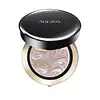 Key Ingredients
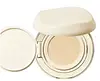
Benefits
Concerns
Ingredients Side-by-side
Betula Platyphylla Japonica Juice
Skin Conditioning
Titanium Dioxide
Cosmetic Colorant

Butyloctyl Salicylate
Skin Conditioning
Polysilicone-15
UV Filter
Butylene Glycol Dicaprylate/Dicaprate
EmollientButylene Glycol
Humectant
Diethylamino Hydroxybenzoyl Hexyl Benzoate
UV Filter
Octocrylene
UV Absorber

Phenyl Trimethicone
Skin Conditioning
Dipropylene Glycol
HumectantNiacinamide
Smoothing










Euphorbia Cerifera Wax


Cyclopentasiloxane
Emollient
Triethylhexanoin
MaskingHydrogenated Poly(C6-14 Olefin)
EmollientPvp
Emulsion StabilisingTriisostearin
Skin Conditioning
Cyclohexasiloxane
Emollient
Polymethylsilsesquioxane
Silica
Abrasive
Polyglyceryl-4 Diisostearate/Polyhydroxystearate/Sebacate
Emulsifying
Dimethicone
Emollient
Sodium Glutamate
MaskingVp/Hexadecene Copolymer
Aluminum Hydroxide
EmollientC30-45 Alkyl Methicone
Emollient
P-Anisic Acid
MaskingStearic Acid
Cleansing
C30-45 Olefin
Skin ConditioningLauryl Dimethicone/Polyglycerin-3 Crosspolymer
Cleansing
Glyceryl Caprylate
EmollientPentylene Glycol
Skin Conditioning
Triethoxycaprylylsilane
Caprylic/Capric Triglyceride
Masking
Alumina
Abrasive
Polyglyceryl-3 Oleate
Emulsifying
1,2-Hexanediol
Skin Conditioning
Caprylyl Glycol
Emollient
Panthenol
Skin Conditioning
Tocopheryl Acetate
Antioxidant

Diisostearoyl Polyglyceryl-3 Dimer Dilinoleate
Emollient
Water
Skin ConditioningStearyl Heptanoate
Emollient
Adenosine
Skin Conditioning
Ceramide NP
Skin Conditioning
Myristoyl/Palmitoyl Oxostearamide/Arachamide Mea
Skin ConditioningCholesterol
Emollient
Sodium Hyaluronate
Humectant
Hydrolyzed Hyaluronic Acid
Humectant
Lactic Acid
Buffering
PCA
Humectant
Glucose
Humectant
Glycine
Buffering
Nelumbo Nucifera Leaf Extract
Skin ConditioningSodium Glycerophosphate
Urea
Buffering
Serine
Masking
Glutamic Acid
Humectant
Potassium Magnesium Aspartate
BufferingPolymethyl Methacrylate
Aspartic Acid
Masking
Leucine
Skin ConditioningSodium Chloride
MaskingAlanine
Masking
Avena Sativa Peptide
Skin Conditioning
Hydrolyzed Collagen
Emollient
Polyglutamic Acid
Skin Conditioning
Lysine
Skin ConditioningArginine
Masking
Calcium Gluconate
HumectantMagnesium Gluconate
Skin ConditioningPhenylalanine
Masking
Proline
Skin Conditioning
Threonine
Tyrosine
MaskingValine
MaskingIsoleucine
Skin ConditioningCitric Acid
Buffering
Acetyl Glucosamine
Skin Conditioning
Creatine
Skin ConditioningCysteine
Antioxidant
Histidine
Humectant
Uric Acid
BufferingMethionine
Skin ConditioningCI 77492
Cosmetic ColorantCI 77491
Cosmetic ColorantCI 77499
Cosmetic ColorantCI 77007
Cosmetic ColorantBetula Platyphylla Japonica Juice, Titanium Dioxide, Butyloctyl Salicylate, Polysilicone-15, Butylene Glycol Dicaprylate/Dicaprate, Butylene Glycol, Diethylamino Hydroxybenzoyl Hexyl Benzoate, Octocrylene, Phenyl Trimethicone, Dipropylene Glycol, Niacinamide, Euphorbia Cerifera Wax, Cyclopentasiloxane, Triethylhexanoin, Hydrogenated Poly(C6-14 Olefin), Pvp, Triisostearin, Cyclohexasiloxane, Polymethylsilsesquioxane, Silica, Polyglyceryl-4 Diisostearate/Polyhydroxystearate/Sebacate, Dimethicone, Sodium Glutamate, Vp/Hexadecene Copolymer, Aluminum Hydroxide, C30-45 Alkyl Methicone, P-Anisic Acid, Stearic Acid, C30-45 Olefin, Lauryl Dimethicone/Polyglycerin-3 Crosspolymer, Glyceryl Caprylate, Pentylene Glycol, Triethoxycaprylylsilane, Caprylic/Capric Triglyceride, Alumina, Polyglyceryl-3 Oleate, 1,2-Hexanediol, Caprylyl Glycol, Panthenol, Tocopheryl Acetate, Diisostearoyl Polyglyceryl-3 Dimer Dilinoleate, Water, Stearyl Heptanoate, Adenosine, Ceramide NP, Myristoyl/Palmitoyl Oxostearamide/Arachamide Mea, Cholesterol, Sodium Hyaluronate, Hydrolyzed Hyaluronic Acid, Lactic Acid, PCA, Glucose, Glycine, Nelumbo Nucifera Leaf Extract, Sodium Glycerophosphate, Urea, Serine, Glutamic Acid, Potassium Magnesium Aspartate, Polymethyl Methacrylate, Aspartic Acid, Leucine, Sodium Chloride, Alanine, Avena Sativa Peptide, Hydrolyzed Collagen, Polyglutamic Acid, Lysine, Arginine, Calcium Gluconate, Magnesium Gluconate, Phenylalanine, Proline, Threonine, Tyrosine, Valine, Isoleucine, Citric Acid, Acetyl Glucosamine, Creatine, Cysteine, Histidine, Uric Acid, Methionine, CI 77492, CI 77491, CI 77499, CI 77007
Panax Ginseng Root Water
Masking
Cyclopentasiloxane
Emollient
CI 77891
Cosmetic ColorantPropanediol
Solvent
Butylene Glycol
Humectant
Isohexadecane
EmollientTrimethylsiloxysilicate
Emollient
Caprylyl Methicone
Skin Conditioning
PEG-10 Dimethicone
Skin Conditioning
Phenyl Trimethicone
Skin Conditioning
Pentylene Glycol
Skin Conditioning
Erythritol
Humectant
Polyglyceryl-2 Isostearate
Emulsifying
Acrylates/Dimethicone Copolymer
Skin Conditioning
Isododecane
EmollientCyclohexasiloxane
Emollient
Mica
Cosmetic ColorantCetyl PEG/PPG-10/1 Dimethicone
Emulsifying
CI 77492
Cosmetic ColorantDimethicone
Emollient
Magnesium Sulfate
Acrylates/Propyl Trimethicone Methacrylate Copolymer
Disteardimonium Hectorite
StabilisingDimethicone/Vinyl Dimethicone Crosspolymer
Skin Conditioning
Phenoxyethanol
Preservative
Polymethylsilsesquioxane
Polyglyceryl-4 Isostearate
Emulsifying
Tocopheryl Acetate
Antioxidant
Pvp
Emulsion StabilisingCalcium Aluminum Borosilicate
1,2-Hexanediol
Skin Conditioning
Triethoxysilylethyl Polydimethylsiloxyethyl Dimethicone
Skin Conditioning
Aluminum Hydroxide
EmollientGlycerin
Humectant
Methyl Gluceth-20
Humectant
Calendula Officinalis Flower Extract
Masking
Water
Skin ConditioningPropylene Carbonate
SolventBisabolol
Antioxidant
Xanthan Gum
EmulsifyingCI 77499
Cosmetic ColorantCI 77491
Cosmetic ColorantEthylhexylglycerin
Skin ConditioningC12-13 Pareth-9
EmulsifyingParfum
Masking
Lauryl Dimethicone
Skin Conditioning
Sodium Hyaluronate
Humectant
Squalane
Emollient
Cyclodextrin
AbsorbentOrchid Extract
Skin ConditioningSodium Myristoyl Glutamate
CleansingCentella Asiatica Extract
Cleansing
Hydroxyacetophenone
Antioxidant
Macrocystis Pyrifera Extract
Skin Conditioning
Sparassis Crispa Extract
Emulsion StabilisingThamnolia Vermicularis Leaf Extract
Skin ConditioningPortulaca Oleracea Extract
Skin Conditioning
Panax Ginseng Root Water, Cyclopentasiloxane, CI 77891, Propanediol, Butylene Glycol, Isohexadecane, Trimethylsiloxysilicate, Caprylyl Methicone, PEG-10 Dimethicone, Phenyl Trimethicone, Pentylene Glycol, Erythritol, Polyglyceryl-2 Isostearate, Acrylates/Dimethicone Copolymer, Isododecane, Cyclohexasiloxane, Mica, Cetyl PEG/PPG-10/1 Dimethicone, CI 77492, Dimethicone, Magnesium Sulfate, Acrylates/Propyl Trimethicone Methacrylate Copolymer, Disteardimonium Hectorite, Dimethicone/Vinyl Dimethicone Crosspolymer, Phenoxyethanol, Polymethylsilsesquioxane, Polyglyceryl-4 Isostearate, Tocopheryl Acetate, Pvp, Calcium Aluminum Borosilicate, 1,2-Hexanediol, Triethoxysilylethyl Polydimethylsiloxyethyl Dimethicone, Aluminum Hydroxide, Glycerin, Methyl Gluceth-20, Calendula Officinalis Flower Extract, Water, Propylene Carbonate, Bisabolol, Xanthan Gum, CI 77499, CI 77491, Ethylhexylglycerin, C12-13 Pareth-9, Parfum, Lauryl Dimethicone, Sodium Hyaluronate, Squalane, Cyclodextrin, Orchid Extract, Sodium Myristoyl Glutamate, Centella Asiatica Extract, Hydroxyacetophenone, Macrocystis Pyrifera Extract, Sparassis Crispa Extract, Thamnolia Vermicularis Leaf Extract, Portulaca Oleracea Extract
Ingredients Explained
These ingredients are found in both products.
Ingredients higher up in an ingredient list are typically present in a larger amount.
1,2-Hexanediol is a synthetic liquid and another multi-functional powerhouse.
It is a:
- Humectant, drawing moisture into the skin
- Emollient, helping to soften skin
- Solvent, dispersing and stabilizing formulas
- Preservative booster, enhancing the antimicrobial activity of other preservatives
Aluminum Hydroxide is a form of aluminum. It can be naturally found in nature as the mineral gibbsite. In cosmetics, Aluminum Hydroxide is used as a colorant, pH adjuster, and absorbent.
As a colorant, Aluminum Hydroxide may add opacity, or reduce the transparency. Aluminum hydroxide is contains both basic and acidic properties.
According to manufacturers, this ingredient is an emollient and humectant. This means it helps hydrate the skin.
In medicine, this ingredient is used to help relieve heartburn and help heal ulcers.
There is currently no credible scientific evidence linking aluminum hydroxide in cosmetics to increased cancer risk.
Major health organizations allow the use of aluminum hydroxide in personal care products and have not flagged it as a carcinogenic risk at typical usage levels.
Learn more about Aluminum HydroxideButylene Glycol (or BG) is used within cosmetic products for a few different reasons:
Overall, Butylene Glycol is a safe and well-rounded ingredient that works well with other ingredients.
Though this ingredient works well with most skin types, some people with sensitive skin may experience a reaction such as allergic rashes, closed comedones, or itchiness.
Learn more about Butylene GlycolCi 77491 is also hydrated iron III oxide. It's sole purpose is to give a red/pink hue to products.
Iron III oxides are classified as inorganic chemicals for coloring.
Synthetically created Ci 77491 is considered safer than those naturally found. This is because the synthetically created version may contain less impurities. Iron oxides are generally non-toxic and non-allergenic.
Learn more about CI 77491CI 77492 is also hydrated iron III oxide. It's sole purpose is to give a yellow hue to products.
Iron III oxides are classified as inorganic chemicals for coloring.
Synthetically created CI 77492 is considered safer than those naturally found. This is because the synthetically created version may contain less impurities. Iron oxides are generally non-toxic and non-allergenic.
Learn more about CI 77492Ci 77499 is also hydrated iron III oxide. It is created from mixing red and black iron oxides. This helps give shades of darkness to a product.
Iron III oxides are classified as inorganic chemicals for coloring.
Cyclohexasiloxane is a type of silicone more commonly known as D6. It is an emollient and solvent.
Cyclohexasiloxane is used to evenly distribute ingredients throughout the product. When applied to the skin, Cyclohexasiloxane evaporates and leaves behind a silky feel.
As an emollient, it can help the skin feel soft and hydrated. It is also used to reduce frizz in hair products.
Learn more about CyclohexasiloxaneCyclopentasiloxane (D5) is a lightweight silicone that mostly acts as an emollient and solvent in cosmetics. Its the reason your products feel silky, fast-spreading, and non-greasy.
Since D5 is volatile, it does its thing and then evaporates off the skin quickly.
The safety profile of this ingredient is reassuring; the US CIR Expert Panel concluded D5 is safe as used in cosmetics and Health Canada concluded that D5 is not harmful to human health or the environment as currently used in cosmetics
There's a study that people mention about D5 in a rat study showing tumors. This study is related to long-term inhalation of high D5 levels.
Regulatory bodies have judged this study to be not applicable in topical skincare since skin absorption of D5 is very low and we're not really inhaling huge amounts of D5.
The only restriction for this ingredient is environmental. The European Chemicals Agency (ECHA) restricted D5 in wash-off cosmetics at or above 0.1% due to their persistence in water.
Learn more about CyclopentasiloxaneDimethicone is a type of synthetic silicone created from natural materials such as quartz. It is also known as polydimethylsiloxane.
What it does:
Dimethicone comes in different viscosities:
Depending on the viscosity, dimethicone has different properties.
Ingredients lists don't always show which type is used, so we recommend reaching out to the brand if you have questions about the viscosity.
This ingredient is unlikely to cause irritation because it does not get absorbed into skin. However, people with silicone allergies should be careful about using this ingredient.
Note: Dimethicone may contribute to pilling. This is because it is not oil or water soluble, so pilling may occur when layered with products. When mixed with heavy oils in a formula, the outcome is also quite greasy.
Learn more about DimethiconePentylene Glycol (1,2-pentanediol) is a multitasking little diol with three main roles in a formula:
Research on alkanediols (the family pentylene glycol belongs to) show they work by disrupting microbial cell membranes. This disruption helps the primary preservative system in a product work more effectively at lower doses.
On the safety side, the Cosmetic Ingredient Review Expert Panel has concluded this ingredient to be safe as used in current cosmetic practices + concentrations.
Typical use levels in a formula run about 1-5%.
Learn more about Pentylene GlycolPhenyl Trimethicone is a silicon-based polymer. It is derived from silica.
Phenyl Trimethicone is used as an emollient and prevents products from foaming.
As an emollient, it helps trap moisture in the skin. It is considered an occlusive.
Learn more about Phenyl TrimethiconePolymethylsilsesquioxane is a silicone used as a film forming agent.
When applied to the skin, this ingredient creates an invisible film on the surface. This film still allows oxygen to pass through, but prevents moisture from escaping. This can help condition and hydrate the skin. It also leaves a silky feel when applied.
Polymethylsilsesquioxane has not been shown to clog pores. It has been deemed safe to use up to 55%, but most cosmetics use much less.
If you have concerns about using this ingredient, we recommend speaking with a professional.
Learn more about PolymethylsilsesquioxanePvp is a water-soluble synthetic polymer and common hairstyling ingredient. It is a film-forming ingredient and used to "hold" specific shapes of hair.
In cosmetics, PVP helps products like sunscreens and color cosmetics last longer and wear more evenly.
It is less effective in high-humidity. It tends to draw moisture, but this moisture dismantles the structure and "hold".
PVP is generally well tolerated on skin and toxicity studies are negative for dermal irritation.
Learn more about PvpSodium Hyaluronate is the salt form of hyaluronic acid. It is a long sugar chain that is naturally found in your skin, joints, and connective tissue that maintains hydration and elasticity.
In skincare, it works as a humectant. It pulls water from the environment and deeper layers of skin and binds it to the surface.
Interestingly, the size of the molecule affects its behavior:
Some clinical evidence links low molecular weight versions to improved wrinkle depth, elasticity, anti-inflammatory effects, and barrier repair.
Many serums use a blend of both weights so you can get surface hydration plus longer-lasting and deeper effects.
You'll typically see concentrations between 0.1-2% for this ingredient.
Learn more about Sodium HyaluronateTocopheryl Acetate is a stable, shelf-friendly form of vitamin E.
Formulators love it because plain vitamin E oxidizes quickly once it hits air. This acetate version stays stable and resists going off, helping to extend a product's shelf life.
It's actually inactive on its own and works like a slow-release "storage" form; the enzymes in your skin called esterases gradually convert it into active vitamin E over time.
One in vivo study showed 5% of the acetate in the living layer of the epidermis converted to vitamin E after 5 days of application. This study also found the skin gained protection against UV damage even though the conversion was slow and small.
Once converted, vitamin E acts as a skin's main fat-soluble antioxidant that fights free radicals to protect skin from damage.
Topical vitamin E generally boosts the skin's photoprotection, and it reduced UV-damage in animal models.
This ingredient has some brightening potential but it's more of a prevention ingredient than spot-fader. Cell studies show it can slow down melanin production but it's worth noting that it's not the most powerful brightener out there.
Overall, it has a pretty solid safety profile and has been found to be non-irritating and non-comedogenic. Allergic reactions may happen but stay rare due to how widely the ingredient gets used.
The concentration will vary depending on the formula; industry data shows 0.1% in baby lotions, 3% in lipsticks, and 5% in foot powders. You can also find this ingredient at 100% in a pure vitamin E oil.
Most leave-on skincare keeps it at the lower end, often between 0.5-1%.
Learn more about Tocopheryl AcetateWater. It's the most common cosmetic ingredient of all. You'll usually see it at the top of ingredient lists, meaning that it makes up the largest part of the product.
So why is it so popular? Water most often acts as a solvent - this means that it helps dissolve other ingredients into the formulation.
You'll also recognize water as that liquid we all need to stay alive. If you see this, drink a glass of water. Remember to stay hydrated!
Learn more about Water

