
What's inside
What's inside
 Key Ingredients
Benefits
Concerns
Ingredients Side-by-side
Water
Skin ConditioningGlycerin
Humectant


Kaolin
Abrasive



Bentonite
Absorbent
Myristic Acid
Cleansing

Methylpropanediol
Solvent1,2-Hexanediol
Skin Conditioning
Zea Mays Starch
Absorbent
Titanium Dioxide
Cosmetic Colorant

Potassium Hydroxide
BufferingButylene Glycol
Humectant
Glyceryl Stearate
Emollient
Cellulose
Absorbent
Sodium Cocoyl Glycinate
Cleansing
Charcoal Powder
Abrasive
Palmitic Acid
Emollient
Stearic Acid
Cleansing
Magnesium Aluminum Silicate
Absorbent
Houttuynia Cordata Extract
Skin Conditioning
Xanthan Gum
EmulsifyingHydroxyacetophenone
Antioxidant
Houttuynia Cordata Powder
Skin ConditioningEthylhexylglycerin
Skin ConditioningDipropylene Glycol
HumectantChromium Oxide Greens
Agar
MaskingSodium Phytate
Laminaria Japonica Extract
Skin Protecting
Eclipta Prostrata Leaf Extract
Skin ConditioningChondrus Crispus Extract
Skin Conditioning
Fructooligosaccharides
Humectant
Beta-Glucan
Skin Conditioning
Hydrogenated Lecithin
Emulsifying
Hydrolyzed Hyaluronic Acid
Humectant

Allantoin
Skin Conditioning
4-Terpineol
Masking
Succinic Acid
BufferingCanadian Colloidal Clay
Skin ConditioningIllite
Abrasive
Asiaticoside
Antioxidant
Madecassic Acid
Skin Conditioning
Asiatic Acid
Skin Conditioning
Montmorillonite
AbsorbentSodium Hyaluronate
Humectant
Hyaluronic Acid
Humectant
Diospyros Kaki Leaf Extract
Skin Protecting
Vitis Vinifera Fruit Extract
Skin ConditioningCarthamus Tinctorius Flower Extract
Skin ConditioningPolygonum Cuspidatum Root Extract
Antioxidant
Coffea Arabica Seed Extract
Masking
Camellia Sinensis Leaf Extract
Antimicrobial
Castanea Crenata Shell Extract
Skin ConditioningZanthoxylum Piperitum Fruit Extract
Skin ConditioningSodium Hyaluronate Crosspolymer
Humectant
Hydroxypropyltrimonium Hyaluronate
Sodium Acetylated Hyaluronate
Humectant
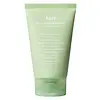
Water, Glycerin, Kaolin, Bentonite, Myristic Acid, Methylpropanediol, 1,2-Hexanediol, Zea Mays Starch, Titanium Dioxide, Potassium Hydroxide, Butylene Glycol, Glyceryl Stearate, Cellulose, Sodium Cocoyl Glycinate, Charcoal Powder, Palmitic Acid, Stearic Acid, Magnesium Aluminum Silicate, Houttuynia Cordata Extract, Xanthan Gum, Hydroxyacetophenone, Houttuynia Cordata Powder, Ethylhexylglycerin, Dipropylene Glycol, Chromium Oxide Greens, Agar, Sodium Phytate, Laminaria Japonica Extract, Eclipta Prostrata Leaf Extract, Chondrus Crispus Extract, Fructooligosaccharides, Beta-Glucan, Hydrogenated Lecithin, Hydrolyzed Hyaluronic Acid, Allantoin, 4-Terpineol, Succinic Acid, Canadian Colloidal Clay, Illite, Asiaticoside, Madecassic Acid, Asiatic Acid, Montmorillonite, Sodium Hyaluronate, Hyaluronic Acid, Diospyros Kaki Leaf Extract, Vitis Vinifera Fruit Extract, Carthamus Tinctorius Flower Extract, Polygonum Cuspidatum Root Extract, Coffea Arabica Seed Extract, Camellia Sinensis Leaf Extract, Castanea Crenata Shell Extract, Zanthoxylum Piperitum Fruit Extract, Sodium Hyaluronate Crosspolymer, Hydroxypropyltrimonium Hyaluronate, Sodium Acetylated Hyaluronate
Water
Skin ConditioningGlycerin
Humectant
Cetyl Ethylhexanoate
EmollientHelianthus Annuus Seed Oil
Emollient
Butylene Glycol
Humectant
Sorbitan Olivate
Emulsifying
Glyceryl Stearate Se
Emulsifying
Ceramide NP
Skin Conditioning
Ceramide AP
Skin Conditioning
Cholesterol
Emollient
Stearic Acid
Cleansing
Panthenol
Skin Conditioning
Sodium Hyaluronate
Humectant
Glycine Soja Seed Extract
Skin Conditioning
Lactobacillus/Soymilk Ferment Filtrate
Skin ConditioningCentella Asiatica Extract
Cleansing
Ficus Carica Fruit Extract
Humectant
Hydrogenated Lecithin
Emulsifying
C14-22 Alcohols
Emulsion Stabilising
1,2-Hexanediol
Skin Conditioning
Decyl Glucoside
Cleansing
Hydroxyacetophenone
Antioxidant
Arginine
Masking
Carbomer
Emulsion StabilisingC12-20 Alkyl Glucoside
EmulsifyingEthylhexylglycerin
Skin ConditioningBehenyl Alcohol
Emollient
Simmondsia Chinensis Seed Oil
Emollient
Tocopherol
Antioxidant
Sodium Phytate
Coptis Japonica Root Extract
Skin ConditioningMalt Extract
Skin ProtectingCaprylic/Capric Triglyceride
Masking
Glyceryl Stearate
Emollient
Cetearyl Alcohol
Emollient
Tetraacetylphytosphingosine
Skin ConditioningGlycosphingolipids
EmollientXanthan Gum
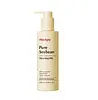
EmulsifyingWater, Glycerin, Cetyl Ethylhexanoate, Helianthus Annuus Seed Oil, Butylene Glycol, Sorbitan Olivate, Glyceryl Stearate Se, Ceramide NP, Ceramide AP, Cholesterol, Stearic Acid, Panthenol, Sodium Hyaluronate, Glycine Soja Seed Extract, Lactobacillus/Soymilk Ferment Filtrate, Centella Asiatica Extract, Ficus Carica Fruit Extract, Hydrogenated Lecithin, C14-22 Alcohols, 1,2-Hexanediol, Decyl Glucoside, Hydroxyacetophenone, Arginine, Carbomer, C12-20 Alkyl Glucoside, Ethylhexylglycerin, Behenyl Alcohol, Simmondsia Chinensis Seed Oil, Tocopherol, Sodium Phytate, Coptis Japonica Root Extract, Malt Extract, Caprylic/Capric Triglyceride, Glyceryl Stearate, Cetearyl Alcohol, Tetraacetylphytosphingosine, Glycosphingolipids, Xanthan Gum
Reviews
Ingredients Explained
These ingredients are found in both products.
Ingredients higher up in an ingredient list are typically present in a larger amount.
1,2-Hexanediol is a synthetic liquid and another multi-functional powerhouse.
It is a:
- Humectant, drawing moisture into the skin
- Emollient, helping to soften skin
- Solvent, dispersing and stabilizing formulas
- Preservative booster, enhancing the antimicrobial activity of other preservatives
Butylene Glycol (or BG) is used within cosmetic products for a few different reasons:
Overall, Butylene Glycol is a safe and well-rounded ingredient that works well with other ingredients.
Though this ingredient works well with most skin types, some people with sensitive skin may experience a reaction such as allergic rashes, closed comedones, or itchiness.
Learn more about Butylene GlycolEthylhexylglycerin is created from glycerin. It is a multitasker ingredient that:
The CIR Expert Panel found minimal skin absorption or sensitization of any kind in a safety assessment. Though this ingredient is considered well-tolerated, a small number of cases of allergic dermatitis have been published since 2002. Just be sure to patch test if you are unsure.
Industry-reported use ranges from 8% in rinse-off products and 2% in leave-on formulations.
Learn more about EthylhexylglycerinGlycerin (or glycerol) is a compound naturally found in your skin. It's a powerhouse humectant that pulls water into the stratum corneum.
Topically, glycerin does several things at once:
Your skin makes glycerin on its own (mostly from sebaceous oil breakdown) and shuttles it to your outermost layer of skin, or your epidermis, via aquaporin-3.
Aquaporin-3 is a transporter that is essential for normal skin hydration, elasticity, and repair. Interestingly, mice lacking in AQP3 have dry and less elastic skin that can be fully corrected with glycerin.
This ingredient is non-irritating, plays well with almost every ingredient, and works across all skin types. Typical use is anywhere between 3-10% but can go up to 79% in some leave-on products.
Just know very high concentrations (>40%) can feel tacky in low humidity.
Glycerin is the name for this ingredient in American English. British English uses Glycerol/Glycerine.
Learn more about GlycerinGlyceryl Stearate is made by reacting glycerin with stearic acid (typically sourced from plant oils like palm or coconut). It's an emulsifier, emollient, and mild occlusive.
Emulsifiers help ingredients like oil and water stay mixed so your formula stays nicely blended and uniform in texture.
This ingredient is typically used in concentrations between 1-10%. Studies have found it to be non-sensitizing, non-phototoxic, and non-photoallergenic.
A close cousin of this ingredient is Glyceryl Stearate SE ("self-emulsifying"). This just has a small amount of sodium or potassium stearate added so it can emulsify without a co-emulsifier.
Since this ingredient is an ester of a C18 fatty acid, it may not be fungal acne safe. The Malassezia yeast can potentially metabolize within the C11-C24 range.
Fun fact: The human body also creates Glyceryl Stearate naturally.
Learn more about Glyceryl StearateHydrogenated Lecithin is a more stable version of lecithin.
It's made by taking lecithin (a phospholipid commonly found in soybeans and egg yolks) and hydrogenating it. This just means the unsaturated fatty acids are turned into saturated ones so they don't go bad as easily.
This ingredient is an emollient, emulsifier, and penetration enhancer. As an emollient, it helps soften and hydrate skin by trapping moisture within. As an emulsifier, it prevents oil and water ingredients from separating.
Hydrogenated Lecithin can form tiny spherical structures made of phospholipid bilayers called liposomes. These liposomes are able to capture compounds inside their structure and deliver them through the skin barrier.
Because phospholipids are a natural component of our cell membranes, this ingredient is inherently compatible with skin.
A 2021 study found lecithin-based surfactants were less harsh and more tolerable comared to Sodium Lauryl Sulfate (SLS).
Learn more about Hydrogenated LecithinHydroxyacetophenone is antioxidant with skin conditioning and soothing properties. It also boosts the efficiency of preservatives.
Though naturally occuring in Norwegian spruce needles, this ingredient is usually synthetically created.
This ingredient is not irritating or sensitizing. Recent research also suggests it may have skin-brightening effects through tyrosinase inhibition.
Learn more about HydroxyacetophenoneSodium Hyaluronate is the salt form of hyaluronic acid. It is a long sugar chain that is naturally found in your skin, joints, and connective tissue that maintains hydration and elasticity.
In skincare, it works as a humectant. It pulls water from the environment and deeper layers of skin and binds it to the surface.
Interestingly, the size of the molecule affects its behavior:
Some clinical evidence links low molecular weight versions to improved wrinkle depth, elasticity, anti-inflammatory effects, and barrier repair.
Many serums use a blend of both weights so you can get surface hydration plus longer-lasting and deeper effects.
You'll typically see concentrations between 0.1-2% for this ingredient.
Learn more about Sodium HyaluronateSodium Phytate is the synthetic salt form of phytic acid. Phytic acid is an antioxidant and can be found in plant seeds.
Sodium Phytate is a chelating agent. Chelating agents help prevent metals from binding to water. This helps stabilize the ingredients and the product.
Stearic Acid is a fatty acid that is already found in your skin. It's one of the free fatty acids that works alongside ceramides and cholesterols to maintain your barrier.
In cosmetics, it is a multitasker:
Safety-wise, the CIR Expert Panel has concluded it to be safe in cosmetics when formulated to be non-irritating and non-sensitizing.
Free stearic acid is a C18 fatty acid that the Malassezia yeast can substrate, so this ingredient may not be fungal acne safe.
Learn more about Stearic AcidWater. It's the most common cosmetic ingredient of all. You'll usually see it at the top of ingredient lists, meaning that it makes up the largest part of the product.
So why is it so popular? Water most often acts as a solvent - this means that it helps dissolve other ingredients into the formulation.
You'll also recognize water as that liquid we all need to stay alive. If you see this, drink a glass of water. Remember to stay hydrated!
Learn more about WaterXanthan gum is used as a stabilizer and thickener within cosmetic products. It helps give products a sticky, thick feeling - preventing them from being too runny.
On the technical side of things, xanthan gum is a polysaccharide - a combination consisting of multiple sugar molecules bonded together.
Xanthan gum is a pretty common and great ingredient. It is a natural, non-toxic, non-irritating ingredient that is also commonly used in food products.
Learn more about Xanthan Gum
