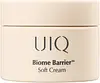
This barrier-repair moisturizer is formulated around Niacinamide and Saccharide Isomerate to strengthen the skin barrier and hydrate skin.
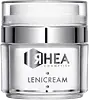
This calming moisturizer is formulated around Panthenol and Copper Tripeptide-1 to calm redness and strengthen the skin barrier.


What's inside
What's inside
 Key Ingredients
Benefits
Concerns
Ingredients Side-by-side
Water
Skin ConditioningGlycerin
Humectant


Cutibacterium Avidum/Granulosum Ferment Extract Filtrate 4.8%
EmollientCaprylic/Capric Triglyceride
Masking
Propanediol
Solvent
Diisostearyl Malate
EmollientPolyglyceryl-3 Distearate
Emulsifying

Cocos Nucifera Oil
Masking




Limnanthes Alba Seed Oil
Skin Conditioning
Niacinamide
Smoothing









Methylpropanediol
SolventPentylene Glycol
Skin Conditioning
Vinyldimethicone

1,2-Hexanediol
Skin Conditioning
Saccharide Isomerate
Humectant
Copernicia Cerifera Wax
Diglycerin
Humectant
Pentaerythrityl Tetraethylhexanoate
Emollient
Glyceryl Stearate
Emollient
Polyglyceryl-2 Stearate
Emulsifying
Hydroxyethyl Acrylate/Sodium Acryloyldimethyl Taurate Copolymer
Emulsion StabilisingHydrogenated Rice Bran Oil
Skin Conditioning
Sodium Stearoyl Glutamate
CleansingGlyceryl Stearate Citrate
Emollient
Tromethamine
BufferingHydrogenated Lecithin
Emulsifying
Ethylhexylglycerin
Skin ConditioningSorbitan Isostearate
Emulsifying
Sodium Phytate
ChelatingBiosaccharide Gum-1
Humectant
Polyglyceryl-10 Stearate
Skin Conditioning
Citric Acid
Buffering
Sodium Citrate
BufferingTocopherol
Antioxidant

Protease
Exfoliating
Behenyl Alcohol
Emollient
Cetearyl Alcohol
Emollient
Cetyl Alcohol
Emollient
Stearyl Alcohol
Emollient
Carbomer
Emulsion StabilisingXanthan Gum
EmulsifyingWater, Glycerin, Cutibacterium Avidum/Granulosum Ferment Extract Filtrate 4.8%, Caprylic/Capric Triglyceride, Propanediol, Diisostearyl Malate, Polyglyceryl-3 Distearate, Cocos Nucifera Oil, Limnanthes Alba Seed Oil, Niacinamide, Methylpropanediol, Pentylene Glycol, Vinyldimethicone, 1,2-Hexanediol, Saccharide Isomerate, Copernicia Cerifera Wax, Diglycerin, Pentaerythrityl Tetraethylhexanoate, Glyceryl Stearate, Polyglyceryl-2 Stearate, Hydroxyethyl Acrylate/Sodium Acryloyldimethyl Taurate Copolymer, Hydrogenated Rice Bran Oil, Sodium Stearoyl Glutamate, Glyceryl Stearate Citrate, Tromethamine, Hydrogenated Lecithin, Ethylhexylglycerin, Sorbitan Isostearate, Sodium Phytate, Biosaccharide Gum-1, Polyglyceryl-10 Stearate, Citric Acid, Sodium Citrate, Tocopherol, Protease, Behenyl Alcohol, Cetearyl Alcohol, Cetyl Alcohol, Stearyl Alcohol, Carbomer, Xanthan Gum
Water
Skin ConditioningGlycerin
Humectant
Cetearyl Alcohol
Emollient
Panthenol
Skin Conditioning
Caprylic/Capric Triglyceride
Masking
Ethylhexyl Palmitate
Emollient
Triticum Vulgare Germ Oil
Emollient
Simmondsia Chinensis Seed Oil
Emollient
Persea Gratissima Oil
Skin Conditioning
Ethoxydiglycol
HumectantButyrospermum Parkii Butter
Skin Conditioning
Astrocaryum Murumuru Seed Butter
Emollient
Copper Tripeptide-1
Skin Conditioning
Sh-Oligopeptide-1
Skin Conditioning
Sh-Polypeptide-9
Skin Conditioning
Sh-Polypeptide-11
Sh-Polypeptide-1
Skin Conditioning
Sh-Oligopeptide-2
Skin Conditioning
Bacillus
Skin ConditioningSodium Hyaluronate
Humectant
Ceramide EOP
Skin Conditioning
Retinyl Palmitate
Skin Conditioning
Glutamic Acid
Humectant
Glycoproteins
Skin Conditioning
Ceramide NP
Skin Conditioning
Tocopheryl Acetate
Antioxidant
Valine
MaskingThreonine
Acetyl Glutamine
Skin ConditioningCeramide AP
Skin Conditioning
Cholesterol
Emollient
Coumarin
Perfuming


Xanthan Gum
EmulsifyingGlycine Soja Oil
Emollient
Sodium Oleate
CleansingHydrogenated Lecithin
Emulsifying
Sodium Lauroyl Lactylate
EmulsifyingLecithin
Emollient
Carbomer
Emulsion StabilisingTriethanolamine
BufferingPEG-20 Stearate
Emulsifying
Phenoxyethanol
Preservative
Polyacrylate Crosspolymer-11
Emulsion StabilisingDimethicone
Emollient
Caprylyl Glycol
Emollient
Acrylates/C10-30 Alkyl Acrylate Crosspolymer
Emulsion StabilisingDisodium EDTA
ChelatingAlpha-Isomethyl Ionone
Perfuming
Citronellol
Perfuming
Phytosphingosine
Skin Conditioning
Butylene Glycol
Humectant
1,2-Hexanediol
Skin Conditioning
Parfum
Masking
CI 14720
Cosmetic ColorantEvernia Prunastri Extract
Perfuming
Linalool
Perfuming
Benzyl Salicylate
Perfuming
Limonene
Perfuming
Water, Glycerin, Cetearyl Alcohol, Panthenol, Caprylic/Capric Triglyceride, Ethylhexyl Palmitate, Triticum Vulgare Germ Oil, Simmondsia Chinensis Seed Oil, Persea Gratissima Oil, Ethoxydiglycol, Butyrospermum Parkii Butter, Astrocaryum Murumuru Seed Butter, Copper Tripeptide-1, Sh-Oligopeptide-1, Sh-Polypeptide-9, Sh-Polypeptide-11, Sh-Polypeptide-1, Sh-Oligopeptide-2, Bacillus, Sodium Hyaluronate, Ceramide EOP, Retinyl Palmitate, Glutamic Acid, Glycoproteins, Ceramide NP, Tocopheryl Acetate, Valine, Threonine, Acetyl Glutamine, Ceramide AP, Cholesterol, Coumarin, Xanthan Gum, Glycine Soja Oil, Sodium Oleate, Hydrogenated Lecithin, Sodium Lauroyl Lactylate, Lecithin, Carbomer, Triethanolamine, PEG-20 Stearate, Phenoxyethanol, Polyacrylate Crosspolymer-11, Dimethicone, Caprylyl Glycol, Acrylates/C10-30 Alkyl Acrylate Crosspolymer, Disodium EDTA, Alpha-Isomethyl Ionone, Citronellol, Phytosphingosine, Butylene Glycol, 1,2-Hexanediol, Parfum, CI 14720, Evernia Prunastri Extract, Linalool, Benzyl Salicylate, Limonene
Ingredients Explained
These ingredients are found in both products.
Ingredients higher up in an ingredient list are typically present in a larger amount.
1,2-Hexanediol is a synthetic liquid and another multi-functional powerhouse.
It is a:
- Humectant, drawing moisture into the skin
- Emollient, helping to soften skin
- Solvent, dispersing and stabilizing formulas
- Preservative booster, enhancing the antimicrobial activity of other preservatives
Caprylic/Capric Triglyceride (aka MCT Oil) is a lightweight emollient, solvent, and texture enhancer. It is considered a skin-softener by helping to prevent moisture loss.
Though it behaves like an oil, it is not technically one due to its chemical composition. One perk of this ingredient is that it is very stable, resistant to oxidation, and unlikely to go rancid.
In practice, that translates to a long shelf life and a consistently elegant skin feel.
While there is an assumption Caprylic Triglyceride can clog pores due to it being derived from coconut oil, there is no research supporting this. Just patch test if you have concerns.
Fractionated coconut oil and MCT Oil are both listed as Caprylic/Capric Triglyceride according to INCI. This is because INCI names are based on the ingredient’s final chemical composition and not its marketing name or source.
This ingredient is treated as the gold standard fungal acne safe oil. Even though it is coconut derived, the problematic lauric acid is stripped out.
This leaves just caprylic (C8) and capric (C10) acid. These chain lengths actually trend antifungal; a 2020 study found caprylic acid was enough to disrupt Malassezia furfur cell membrane, with a caprylic acid derivative damaging membrane structures at concentrations as low as 0.2%.
Learn more about Caprylic/Capric TriglycerideCarbomer is a synthetic thickening and gelling agent. It's basically the ingredient that gives a lot of serums, gels, creams, and sunscreens their smooth, non-sticky texture.
Although legally permitted at very high levels, carbomers are normally used at concentrations below 1%.
It also needs to be neutralized to actually thicken, and because it is a large molecule, it doesn't really penetrate the skin barrier.
Allergy-wise, the risk is very low. Clinical studies show carbomers have low potential for skin irritation/sensitization even at concentrations up to 100%.
A 2024 UK study patch-tested 1,302 patients and found true allergy to the parent group of carbomer to be rare with no confirmed relevant reactions.
Learn more about CarbomerCetearyl alcohol is a waxy mixture of two fatty alcohols: cetyl alcohol and stearyl alcohol. It is an emollient and emulsifier.
Despite having "alcohol" in its name, it has nothing to do with drying solvent alcohols; the FDA also allows "alcohol-free" products to contain fatty alcohols like this ingredient.
It plays several roles in a formula:
Typical use levels for this ingredient sit around 1-10% and the Cosmetic Ingredient Review Expert Panel has affirmed safety at concentrations up to 25% in leave-on products.
Multiple assessments have found it to be non-irritating and non-sensitizing to most people.
However, there have been some cases of allergic contact dermatitis in patients with chronically compromised skin barriers.
Cetearyl alcohol has a comedogenic rating of 2 and irritancy rating of 1. Both of these numbers come from the 1989 study that used rabbit ears; a "2" means mildly comedogenic and a "1" means low irritancy.
Here's the catch: rabbit skin is more sensitive than human skin and throws a lot of false positives. A 1996 reappraisal found that ingredients rated 1-2 in the rabbit ear tests are generally safe for humans.
Remember comedogenic ratings are unable to assess the entire formula of a product or how it will react on your skin. Just be sure to patch test if you are unsure about certain ingredients.
This ingredient is not fungal acne safe. Cetearyl alcohol is a fatty alcohol with chain lengths that fall within the range that Malassezia can metabolize.
A 2019 study has also observed Malassezia growth in the presence of this ingredient, confirming it to be not-fungal acne safe.
Learn more about Cetearyl AlcoholGlycerin (or glycerol) is a compound naturally found in your skin. It's a powerhouse humectant that pulls water into the stratum corneum.
Topically, glycerin does several things at once:
Your skin makes glycerin on its own (mostly from sebaceous oil breakdown) and shuttles it to your outermost layer of skin, or your epidermis, via aquaporin-3.
Aquaporin-3 is a transporter that is essential for normal skin hydration, elasticity, and repair. Interestingly, mice lacking in AQP3 have dry and less elastic skin that can be fully corrected with glycerin.
This ingredient is non-irritating, plays well with almost every ingredient, and works across all skin types. Typical use is anywhere between 3-10% but can go up to 79% in some leave-on products.
Just know very high concentrations (>40%) can feel tacky in low humidity.
Glycerin is the name for this ingredient in American English. British English uses Glycerol/Glycerine.
Learn more about GlycerinHydrogenated Lecithin is a more stable version of lecithin.
It's made by taking lecithin (a phospholipid commonly found in soybeans and egg yolks) and hydrogenating it. This just means the unsaturated fatty acids are turned into saturated ones so they don't go bad as easily.
This ingredient is an emollient, emulsifier, and penetration enhancer. As an emollient, it helps soften and hydrate skin by trapping moisture within. As an emulsifier, it prevents oil and water ingredients from separating.
Hydrogenated Lecithin can form tiny spherical structures made of phospholipid bilayers called liposomes. These liposomes are able to capture compounds inside their structure and deliver them through the skin barrier.
Because phospholipids are a natural component of our cell membranes, this ingredient is inherently compatible with skin.
A 2021 study found lecithin-based surfactants were less harsh and more tolerable comared to Sodium Lauryl Sulfate (SLS).
Learn more about Hydrogenated LecithinWater. It's the most common cosmetic ingredient of all. You'll usually see it at the top of ingredient lists, meaning that it makes up the largest part of the product.
So why is it so popular? Water most often acts as a solvent - this means that it helps dissolve other ingredients into the formulation.
You'll also recognize water as that liquid we all need to stay alive. If you see this, drink a glass of water. Remember to stay hydrated!
Learn more about WaterXanthan gum is used as a stabilizer and thickener within cosmetic products. It helps give products a sticky, thick feeling - preventing them from being too runny.
On the technical side of things, xanthan gum is a polysaccharide - a combination consisting of multiple sugar molecules bonded together.
Xanthan gum is a pretty common and great ingredient. It is a natural, non-toxic, non-irritating ingredient that is also commonly used in food products.
Learn more about Xanthan Gum

