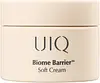
This barrier-repair moisturizer is formulated around Niacinamide and Saccharide Isomerate to strengthen the skin barrier and hydrate skin.
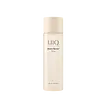
This barrier-repair toner is formulated around Niacinamide and Ceramide NP to strengthen the skin barrier and calm redness.

What's inside
What's inside
 Key Ingredients
Benefits
Concerns
No concerns
Ingredients Side-by-side
Water
Skin ConditioningGlycerin
Humectant


Cutibacterium Avidum/Granulosum Ferment Extract Filtrate 4.8%
EmollientCaprylic/Capric Triglyceride
Masking
Propanediol
Solvent
Diisostearyl Malate
EmollientPolyglyceryl-3 Distearate
Emulsifying

Cocos Nucifera Oil
Masking




Limnanthes Alba Seed Oil
Skin Conditioning
Niacinamide
Smoothing









Methylpropanediol
SolventPentylene Glycol
Skin Conditioning
Vinyldimethicone

1,2-Hexanediol
Skin Conditioning
Saccharide Isomerate
Humectant
Copernicia Cerifera Wax
Diglycerin
Humectant
Pentaerythrityl Tetraethylhexanoate
Emollient
Glyceryl Stearate
Emollient
Polyglyceryl-2 Stearate
Emulsifying
Hydroxyethyl Acrylate/Sodium Acryloyldimethyl Taurate Copolymer
Emulsion StabilisingHydrogenated Rice Bran Oil
Skin Conditioning
Sodium Stearoyl Glutamate
CleansingGlyceryl Stearate Citrate
Emollient
Tromethamine
BufferingHydrogenated Lecithin
Emulsifying
Ethylhexylglycerin
Skin ConditioningSorbitan Isostearate
Emulsifying
Sodium Phytate
Biosaccharide Gum-1
Humectant
Polyglyceryl-10 Stearate
Skin Conditioning
Citric Acid
Buffering
Sodium Citrate
BufferingTocopherol
Antioxidant

Protease
Exfoliating
Behenyl Alcohol
Emollient
Cetearyl Alcohol
Emollient
Cetyl Alcohol
Emollient
Stearyl Alcohol
Emollient
Carbomer
Emulsion StabilisingXanthan Gum
EmulsifyingWater, Glycerin, Cutibacterium Avidum/Granulosum Ferment Extract Filtrate 4.8%, Caprylic/Capric Triglyceride, Propanediol, Diisostearyl Malate, Polyglyceryl-3 Distearate, Cocos Nucifera Oil, Limnanthes Alba Seed Oil, Niacinamide, Methylpropanediol, Pentylene Glycol, Vinyldimethicone, 1,2-Hexanediol, Saccharide Isomerate, Copernicia Cerifera Wax, Diglycerin, Pentaerythrityl Tetraethylhexanoate, Glyceryl Stearate, Polyglyceryl-2 Stearate, Hydroxyethyl Acrylate/Sodium Acryloyldimethyl Taurate Copolymer, Hydrogenated Rice Bran Oil, Sodium Stearoyl Glutamate, Glyceryl Stearate Citrate, Tromethamine, Hydrogenated Lecithin, Ethylhexylglycerin, Sorbitan Isostearate, Sodium Phytate, Biosaccharide Gum-1, Polyglyceryl-10 Stearate, Citric Acid, Sodium Citrate, Tocopherol, Protease, Behenyl Alcohol, Cetearyl Alcohol, Cetyl Alcohol, Stearyl Alcohol, Carbomer, Xanthan Gum
Water
Skin ConditioningCutibacterium Avidum/Granulosum Ferment Extract Filtrate 24.4%
EmollientButylene Glycol
Humectant
Dipropylene Glycol
Humectant1,2-Hexanediol
Skin Conditioning
Niacinamide
Smoothing
Centella Asiatica Extract
Cleansing
Urea
Buffering
Lactic Acid
Buffering
Ficus Carica Fruit Extract
Humectant
Sucrose
Humectant
Ulmus Davidiana Root Extract
Skin Conditioning
Rubus Chamaemorus Seed Extract
Skin ConditioningHydrogenated Lecithin
Emulsifying
Ceramide NP
Skin Conditioning
Xanthan Gum
EmulsifyingCitric Acid
Buffering
Fructan
Skin ConditioningProtease
Exfoliating
Sodium Citrate
BufferingHydroxyacetophenone
Antioxidant
Ethylhexylglycerin
Skin ConditioningWater, Cutibacterium Avidum/Granulosum Ferment Extract Filtrate 24.4%, Butylene Glycol, Dipropylene Glycol, 1,2-Hexanediol, Niacinamide, Centella Asiatica Extract, Urea, Lactic Acid, Ficus Carica Fruit Extract, Sucrose, Ulmus Davidiana Root Extract, Rubus Chamaemorus Seed Extract, Hydrogenated Lecithin, Ceramide NP, Xanthan Gum, Citric Acid, Fructan, Protease, Sodium Citrate, Hydroxyacetophenone, Ethylhexylglycerin
Ingredients Explained
These ingredients are found in both products.
Ingredients higher up in an ingredient list are typically present in a larger amount.
1,2-Hexanediol is a synthetic liquid and another multi-functional powerhouse.
It is a:
- Humectant, drawing moisture into the skin
- Emollient, helping to soften skin
- Solvent, dispersing and stabilizing formulas
- Preservative booster, enhancing the antimicrobial activity of other preservatives
Citric Acid is an alpha hydroxy acid (AHA) naturally found in citrus fruits like oranges, lemons, and limes.
Like other AHAs, citric acid can exfoliate skin by breaking down the bonds that hold dead skin cells together. This helps reveal smoother and brighter skin underneath.
However, this exfoliating effect only happens at high concentrations (20%) which can be hard to find in cosmetic products.
Due to this, citric acid is usually included in small amounts as a pH adjuster. This helps keep products slightly more acidic and compatible with skin's natural pH.
In skincare formulas, citric acid can:
While it can provide some skin benefits, research shows lactic acid and glycolic acid are generally more effective and less irritating exfoliants.
Most citric acid used in skincare today is made by fermenting sugars (usually from molasses). This synthetic version is identical to the natural citrus form but easier to stabilize and use in formulations.
Rosacea skin has a lower threshold for acids generally, with 62.5% of rosacea subjects in one study reacting to lactic acid in a sting test. This is why we mark citric acid as a potential rosacea trigger.
However, this ingredient shows up as a pH adjuster or chelator at roughly 0.1-1% in many products. These low levels are unlikely to be an issue for rosacea skin and becomes a potential trigger at exfoliating concentrations (20%). Because everybody's skin is unique, we recommend a patch test if you are unsure.
Learn more about Citric AcidWe don't have a description for Cutibacterium Avidum/Granulosum Ferment Extract Filtrate yet.
Ethylhexylglycerin is created from glycerin. It is a multitasker ingredient that:
The CIR Expert Panel found minimal skin absorption or sensitization of any kind in a safety assessment. Though this ingredient is considered well-tolerated, a small number of cases of allergic dermatitis have been published since 2002. Just be sure to patch test if you are unsure.
Industry-reported use ranges from 8% in rinse-off products and 2% in leave-on formulations.
Learn more about EthylhexylglycerinHydrogenated Lecithin is a more stable version of lecithin.
It's made by taking lecithin (a phospholipid commonly found in soybeans and egg yolks) and hydrogenating it. This just means the unsaturated fatty acids are turned into saturated ones so they don't go bad as easily.
This ingredient is an emollient, emulsifier, and penetration enhancer. As an emollient, it helps soften and hydrate skin by trapping moisture within. As an emulsifier, it prevents oil and water ingredients from separating.
Hydrogenated Lecithin can form tiny spherical structures made of phospholipid bilayers called liposomes. These liposomes are able to capture compounds inside their structure and deliver them through the skin barrier.
Because phospholipids are a natural component of our cell membranes, this ingredient is inherently compatible with skin.
A 2021 study found lecithin-based surfactants were less harsh and more tolerable comared to Sodium Lauryl Sulfate (SLS).
Learn more about Hydrogenated LecithinNiacinamide is a multitasking form of vitamin B3 that strengthens the skin barrier, reduces pores and dark spots, regulates oil, and improves signs of aging.
And the best part? It's gentle and well-tolerated by most skin types, including sensitive and reactive skin.
You might have heard of "niacin flush", or the reddening of skin that causes itchiness. Niacinamide has not been found to cause this.
In very rare cases, some individuals may not be able to tolerate niacinamide at all or experience an allergic reaction to it.
If you are experiencing flaking, irritation, and dryness with this ingredient, be sure to double check all your products as this ingredient can be found in all categories of skincare.
When incorporating niacinamide into your routine, look out for concentration amounts. Typically, 5% niacinamide provides benefits such as fading dark spots. However, if you have sensitive skin, it is better to begin with a smaller concentration.
When you apply niacinamide to your skin, your body converts it into nicotinamide adenine dinucleotide (NAD). NAD is an essential coenzyme that is already found in your cells as "fuel" and powers countless biological processes.
In your skin, NAD helps repair cell damage, produce new healthy cells, support collagen production, strengthen the skin barrier, and fight environmental stressors (like UV and pollution).
Our natural NAD levels start to decline with age, leading to slower skin repair, visible aging, and a weaker skin barrier. By providing your skin niacinamide, you're recharging your skin's NAD levels. This leads to stronger, healthier, and younger looking skin.
Another name for vitamin B3 is nicotinamide. This vitamin is water-soluble and our bodies don't store it. We obtain Vitamin B3 from either food or skincare. Meat, fish, wheat, yeast, and leafy greens contain vitamin B3.
The type of niacinamide used in skincare is synthetically created.
Learn more about NiacinamideProtease is an enzyme that works as a gentle exfoliant by mimicking something your skin already does naturally.
Your skin uses proteolytic enzymes to carry out desquamation; this is the process of shedding dead skin cells from the stratum corneum.
In skincare, proteases act as biological catalysts that mimic this natural desquamation process. You can think of it as giving your skin's own renewal system a nudge.
By breaking down the bonds that hold dead skin cells together, proteases help accelerate cell turnover to:
One reason they're becoming a popular AHA alternative is because proteases are considered effective while also being well-tolerated on skin. Because they work at a protein level rather than by lowering the skin pH, they can be a good option for those sensitive to AHAs.
Available in vitro and in vivo studies show positive exfoliant results but clinical (human) trials specifically on enzymatic exfoliation are still limited at this time.
Just one thing worth noting: temperature, pH, and stabilization are important factors that affect enzyme activity. The formulation quality definitely matters with this ingredient.
This ingredient can be either microbial sourced or plant-derived (papain from papaya, bromelain from pineapple).
Learn more about ProteaseSodium Citrate is the sodium salts of citric acid. In skincare, it is used to alter pH levels and acts as a preservative.
Its main functions are to maintain the pH of a product and neutralize metal ions.
The acidity of our skin is maintained by our glands and skin biome; normal pH level of skin is slightly acidic (~4.75-5.5).
Being slightly acidic allows our skin to create an "acid mantle". This acid mantle is a thin barrier that protects our skin from bacteria and contaminants.
Learn more about Sodium CitrateWater. It's the most common cosmetic ingredient of all. You'll usually see it at the top of ingredient lists, meaning that it makes up the largest part of the product.
So why is it so popular? Water most often acts as a solvent - this means that it helps dissolve other ingredients into the formulation.
You'll also recognize water as that liquid we all need to stay alive. If you see this, drink a glass of water. Remember to stay hydrated!
Learn more about WaterXanthan gum is used as a stabilizer and thickener within cosmetic products. It helps give products a sticky, thick feeling - preventing them from being too runny.
On the technical side of things, xanthan gum is a polysaccharide - a combination consisting of multiple sugar molecules bonded together.
Xanthan gum is a pretty common and great ingredient. It is a natural, non-toxic, non-irritating ingredient that is also commonly used in food products.
Learn more about Xanthan Gum

