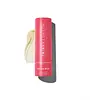
This barrier-repair moisturizer is formulated around Simmondsia Chinensis Seed Oil and Lactococcus Ferment Lysate to strengthen the skin barrier and hydrate skin.
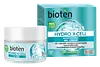
This barrier-repair moisturizer is formulated around Simmondsia Chinensis Seed Oil and Sodium Hyaluronate to strengthen the skin barrier and hydrate skin.


What's inside
What's inside
 Key Ingredients
Benefits
Concerns
Ingredients Side-by-side
Water
Skin ConditioningSimmondsia Chinensis Seed Oil
Emollient





Cetearyl Ethylhexanoate
Emollient
Propanediol
Solvent
Glycerin
Humectant
Lactococcus Ferment Lysate
Skin Conditioning
Cetearyl Olivate
Squalane
Emollient
Sorbitan Olivate
Emulsifying
Xylitylglucoside
Humectant
Avena Sativa Kernel Oil
Skin Conditioning
Betaine
Humectant
Sodium Hyaluronate
Humectant
Helianthus Annuus Seed Oil
Emollient
Daucus Carota Sativa Seed Oil
Emollient


Tocopheryl Acetate
Antioxidant


Hydrolyzed Wheat Protein
Skin ConditioningDaucus Carota Sativa Root Extract
Skin Conditioning
Anhydroxylitol
Humectant
Salicyloyl Phytosphingosine
Skin ConditioningTriheptanoin
Skin ConditioningCetearyl Alcohol
Emollient

Xylitol
Humectant
Coco-Caprylate/Caprate
Emollient
Parfum
Masking


Magnesium Carboxymethyl Beta-Glucan
Skin ConditioningGlucose
Humectant
Decapeptide-21
Skin Conditioning
Oligopeptide-78
Skin Conditioning
Palmitoyl Decapeptide-21
Skin Conditioning
Zinc Palmitoyl Nonapeptide-14
Skin Conditioning
Rosmarinyl Glucoside
Antioxidant
Caffeyl Glucoside
Antioxidant
Gallyl Glucoside
Antioxidant
Beta-Carotene
Skin ConditioningCarbomer
Emulsion StabilisingAscorbyl Palmitate
Antioxidant
Lactic Acid
Buffering




Xanthan Gum
EmulsifyingPolyurethane-10
Sodium Chloride
MaskingSodium Hydroxide
BufferingDimethicone
Emollient
Dehydroacetic Acid
Preservative
Sodium Dehydroacetate
Preservative
Sodium Benzoate
Masking
Benzyl Alcohol
Perfuming

Coumarin
Perfuming
Eugenol
Perfuming
Hexyl Cinnamal
Perfuming
Hydroxycitronellal
Perfuming
Linalool
Perfuming
Limonene
Perfuming
Water, Simmondsia Chinensis Seed Oil, Cetearyl Ethylhexanoate, Propanediol, Glycerin, Lactococcus Ferment Lysate, Cetearyl Olivate, Squalane, Sorbitan Olivate, Xylitylglucoside, Avena Sativa Kernel Oil, Betaine, Sodium Hyaluronate, Helianthus Annuus Seed Oil, Daucus Carota Sativa Seed Oil, Tocopheryl Acetate, Hydrolyzed Wheat Protein, Daucus Carota Sativa Root Extract, Anhydroxylitol, Salicyloyl Phytosphingosine, Triheptanoin, Cetearyl Alcohol, Xylitol, Coco-Caprylate/Caprate, Parfum, Magnesium Carboxymethyl Beta-Glucan, Glucose, Decapeptide-21, Oligopeptide-78, Palmitoyl Decapeptide-21, Zinc Palmitoyl Nonapeptide-14, Rosmarinyl Glucoside, Caffeyl Glucoside, Gallyl Glucoside, Beta-Carotene, Carbomer, Ascorbyl Palmitate, Lactic Acid, Xanthan Gum, Polyurethane-10, Sodium Chloride, Sodium Hydroxide, Dimethicone, Dehydroacetic Acid, Sodium Dehydroacetate, Sodium Benzoate, Benzyl Alcohol, Coumarin, Eugenol, Hexyl Cinnamal, Hydroxycitronellal, Linalool, Limonene
Water
Skin ConditioningGlycerin
Humectant
Propanediol
Solvent
Triheptanoin
Skin ConditioningBetaine
Humectant
Simmondsia Chinensis Seed Oil
Emollient
Sodium Hyaluronate
Humectant
1,2-Hexanediol
Skin Conditioning
Acrylates/C10-30 Alkyl Acrylate Crosspolymer
Emulsion StabilisingAllantoin
Skin Conditioning
Alpha-Glucan Oligosaccharide
Cleansing
Caprylyl Glycol
Emollient
Carbomer
Emulsion StabilisingCitric Acid
Buffering
Coco-Caprylate/Caprate
Emollient
Fructose
Humectant
Glucose
Humectant
Glyceryl Stearate Citrate
Emollient
Helianthus Annuus Seed Oil
Emollient
Lactobacillus Ferment
Skin Conditioning
Maltose
MaskingPanthenol
Skin Conditioning
Parfum
Masking
Pentylene Glycol
Skin Conditioning
Phospholipids
Skin Conditioning
Polyurethane-10
Sodium Chloride
MaskingSodium Citrate
BufferingSodium Hydroxide
BufferingSodium Lactate
Buffering
Sodium PCA
Humectant
Sodium Polyacrylate
Absorbent
Sphingolipids
Emollient
Spirulina Platensis Extract
Skin ProtectingSqualane
Emollient
Tetrasodium Glutamate Diacetate
ChelatingTocopherol
Antioxidant
Trehalose
Humectant
Urea
Buffering
Hydroxyacetophenone
Antioxidant
P-Anisic Acid
MaskingCitronellol
Perfuming
Hexyl Cinnamal
Perfuming
Linalool
Perfuming
CI 42090
Cosmetic ColorantWater, Glycerin, Propanediol, Triheptanoin, Betaine, Simmondsia Chinensis Seed Oil, Sodium Hyaluronate, 1,2-Hexanediol, Acrylates/C10-30 Alkyl Acrylate Crosspolymer, Allantoin, Alpha-Glucan Oligosaccharide, Caprylyl Glycol, Carbomer, Citric Acid, Coco-Caprylate/Caprate, Fructose, Glucose, Glyceryl Stearate Citrate, Helianthus Annuus Seed Oil, Lactobacillus Ferment, Maltose, Panthenol, Parfum, Pentylene Glycol, Phospholipids, Polyurethane-10, Sodium Chloride, Sodium Citrate, Sodium Hydroxide, Sodium Lactate, Sodium PCA, Sodium Polyacrylate, Sphingolipids, Spirulina Platensis Extract, Squalane, Tetrasodium Glutamate Diacetate, Tocopherol, Trehalose, Urea, Hydroxyacetophenone, P-Anisic Acid, Citronellol, Hexyl Cinnamal, Linalool, CI 42090
Reviews
Ingredients Explained
These ingredients are found in both products.
Ingredients higher up in an ingredient list are typically present in a larger amount.
Betaine is a humectant. Like hyaluronic acid, it helps attract and retain moisture in the skin. It’s known for being gentle and for helping the skin maintain balanced hydration.
Betaine is mainly used to improve hydration and support calmer skin. It helps skin cells regulate water balance because it functions as an osmolyte.
Some studies suggest betaine may support making skin tone more even.
Fun fact: Betaine naturally exists in the skin and the body. In cosmetic products, it can be either plant-derived (most commonly from sugar beets) or synthetically produced for consistency and stability.
Betaine is also known as trimethylglycine.
Learn more about BetaineCarbomer is a synthetic thickening and gelling agent. It's basically the ingredient that gives a lot of serums, gels, creams, and sunscreens their smooth, non-sticky texture.
Although legally permitted at very high levels, carbomers are normally used at concentrations below 1%.
It also needs to be neutralized to actually thicken, and because it is a large molecule, it doesn't really penetrate the skin barrier.
Allergy-wise, the risk is very low. Clinical studies show carbomers have low potential for skin irritation/sensitization even at concentrations up to 100%.
A 2024 UK study patch-tested 1,302 patients and found true allergy to the parent group of carbomer to be rare with no confirmed relevant reactions.
Learn more about CarbomerCoco-Caprylate/Caprate is a lightweight ester created from coconut oil fatty acids, caprylic acid, and capric acid.
It is an emollient that helps soften skin and reduce transepidermal water loss (TEWL). What sets it apart from heavier emollients is its ultralight, non-greasy feel.
Once applied, this ingredient dries down quickly and leaves a dry, silky finish behind. This also helps improve spreadability and texture.
This ingredient has an excellent safety-record and is non-irritating.
Typical concentrations for cosmetics range from 0.5-62%.
Research on Malassezia growth found no growth on fatty acid esters with chain lengths shorter than 12 carbons (it prefers C11-24).
Since Coco-Caprylate/Caprate is built on C8 and C10 fatty acids, it is out of the range that Malassezia metabolizes, and therefore safe for fungal acne.
Learn more about Coco-Caprylate/CaprateGlucose is a simple sugar (a monosaccharide). In skincare, it is mostly a humectant and skin conditioning agent.
Mechanistically, it has multiple hydroxyl groups that hydrogen-bond to water. This pulls moisture into the upper layers of skin to keep the surface soft and hydrated.
It's worth knowing sugars are already a natural component of the skin's NMF (natural moisturizing factor) so it's a molecule that your stratum corneum is well-acquainted with.
Just so you know, glucose is hydrophilic (water-loving) and the stratum corneum is a strong barrier to hydrophilic compounds. This just means penetration is slow and most of the action is happening on the surface.
Gram-to-gram, glucose is not as efficient as a humectant as glycerin. This is why you'll likely see glycose paired with stronger humectants for a bigger hydration payoff.
In skincare, glucose is typically derived from corn or other starch sources.
Learn more about GlucoseGlycerin (or glycerol) is a compound naturally found in your skin. It's a powerhouse humectant that pulls water into the stratum corneum.
Topically, glycerin does several things at once:
Your skin makes glycerin on its own (mostly from sebaceous oil breakdown) and shuttles it to your outermost layer of skin, or your epidermis, via aquaporin-3.
Aquaporin-3 is a transporter that is essential for normal skin hydration, elasticity, and repair. Interestingly, mice lacking in AQP3 have dry and less elastic skin that can be fully corrected with glycerin.
This ingredient is non-irritating, plays well with almost every ingredient, and works across all skin types. Typical use is anywhere between 3-10% but can go up to 79% in some leave-on products.
Just know very high concentrations (>40%) can feel tacky in low humidity.
Glycerin is the name for this ingredient in American English. British English uses Glycerol/Glycerine.
Learn more about GlycerinHelianthus Annuus Seed Oil is a plant oil derived from the seeds of a sunflower.
It is rich in fatty acids, primarily linoleic acid and oleic acid. This gives it emollient and skin conditioning properties.
The reason this ingredient is so effective is because it forms a thin film on the skin that reduces transepidermal water loss (TEWL) while supplying linoleic acid to the stratum corneum to improve barrier strength.
The high linoleic acid content is particularly noteworthy for acne-prone skin.
Research suggests that acne-prone skin tends to be deficient in linoleic acid in sebum. Topical application may help replenish this to support a healthier follicular environment and less comedone-promoting sebum.
One randomized study found sunflower seed oil preserved skin barrier integrity in adult volunteers with and without atopic dermatitis (outperforming olive oil).
This ingredient is well-studied, gentle, and an effective emollient suitable for most skin types.
On fungal acne: This ingredient may not be Fungal acne (Malassezia folliculitis) safe. This is because it contains fatty acids with carbon chain lengths in the C11-C24 range.
Learn more about Helianthus Annuus Seed OilHexyl Cinnamal is a fragrance ingredient with a similar scent to jasmine. It can be naturally found in chamomile essential oil.
This ingredient is a known EU allergen and may sensitize the skin. The EU requires this ingredient to be listed separately on an ingredients list.
Hexyl Cinnamal is not water soluble but is soluble in oils.
Learn more about Hexyl CinnamalLinalool is a small, naturally occurring scent molecule found in plants like lavender, coriander, bergamot, and more.
It is one of the two most-used fragrance ingredients in cosmetics and added purely for smell. Since it's not used for a skin benefit, there's no "effective dose". Concentration depends on the fragrance load of the product.
The EU requires it to be named on the label above 0.001% in leave-on and 0.01% in rinse-off products.
Fresh linalool is a weak sensitizer but air exposure turns some of it into hydroperoxides, which are strong sensitizers. Those oxidation products are the actual allergy concern.
Patch-test clinics see positive reactions to linalool hydroperoxides in about 4% to 12% of dermatitis patients depending on country and test concentration.
Resassuringly, one analytical study found hydroperoxide levels in real fragranced products to be orders of magnitude below what induced sensitization in animal studies with no evidence of oxidation building up during normal storage.
The practical takeaway is that linalool is fine for most people but worth avoiding if you have a confirmed fragrance contact allergy or a badly compromised barrier.
Products stored a long time after opening are also the high-risk scenario since that is when oxidation happens.
The scent of linalool is described as floral, spicy tropical, and citrus-like.
Learn more about LinaloolParfum is a catch-all term for an ingredient or more that is used to give a scent to products.
Also called "fragrance", this ingredient can be a blend of hundreds of chemicals or plant oils. This means every product with "fragrance" or "parfum" in the ingredients list is a different mixture.
For instance, Habanolide is a proprietary trade name for a specific aroma chemical. When used as a fragrance ingredient in cosmetics, most aroma chemicals fall under the broad labeling category of “FRAGRANCE” or “PARFUM” according to EU and US regulations.
The term 'parfum' or 'fragrance' is not regulated in many countries. In many cases, it is up to the brand to define this term.
For instance, many brands choose to label themselves as "fragrance-free" because they are not using synthetic fragrances. However, their products may still contain ingredients such as essential oils that are considered a fragrance by INCI standards.
One example is Calendula flower extract. Calendula is an essential oil that still imparts a scent or 'fragrance'.
Depending on the blend, the ingredients in the mixture can cause allergies and sensitivities on the skin. Some ingredients that are known EU allergens include linalool and citronellol.
Parfum can also be used to mask or cover an unpleasant scent.
The bottom line is: not all fragrances/parfum/ingredients are created equally. If you are worried about fragrances, we recommend taking a closer look at an ingredient. And of course, we always recommend speaking with a professional.
Learn more about ParfumWe don't have a description for Polyurethane-10 yet.
Propanediol is an all-star ingredient. It softens, hydrates, and smooths the skin.
It’s often used to:
Propanediol is not likely to cause sensitivity and considered safe to use. It is derived from corn or petroleum with a clear color and no scent.
Learn more about PropanediolJojoba oil is one of the most well-studied plant-derived ingredients in cosmetics. It is an emollient with a special structure.
Because it is made up of 97-98% wax esters, it closely mirrors the linear monoesters found in human sebum. This makes it skin compatible, non-greasy, and lightweight.
Unlike other plant oils, jojoba wax doesn't easily penetrate skin. It mostly works in the uppermost layers as an emollient. This just means it forms a light barrier on the skin to help retain moisture.
Formulations with jojoba esters up to 90% reduced transepidermal water loss (TEWL) and increased barrier recovery by 81% (outperforming bisabolol at 47%).
Besides barrier support, the science also suggests jojoba to have anti-inflammatory effects and potential applications for skin infections, aging, and wound healing.
Fun fact: Indigenous cultures have used jojoba as a moisturizer and to help treat burns for centuries.
Fungal acne: The Malassezia yeast is known to metabolize fatty acids in the C11-24 range and jojoba's dominant fatty acid components fall into this range. This ingredient may not be fungal acne safe.
Learn more about Simmondsia Chinensis Seed OilChances are, you eat sodium chloride every day. Sodium Chloride is also known as table salt. This ingredient has many purposes in skincare: thickener, emulsifier, and exfoliator.
You'll most likely find this ingredient in cleansers where it is used to create a gel-like texture. As an emulsifier, it also prevents ingredients from separating.
You might see people debate whether Sodium Chloride is comedogenic, but there actually haven't been any comedogenic tests done on it. Either way, the overall formulation of a product matters a lot more than any single ingredient.
You might see this ingredient used in scrubs as a primary exfoliating ingredient.
Learn more about Sodium ChlorideSodium Hyaluronate is the salt form of hyaluronic acid. It is a long sugar chain that is naturally found in your skin, joints, and connective tissue that maintains hydration and elasticity.
In skincare, it works as a humectant. It pulls water from the environment and deeper layers of skin and binds it to the surface.
Interestingly, the size of the molecule affects its behavior:
Some clinical evidence links low molecular weight versions to improved wrinkle depth, elasticity, anti-inflammatory effects, and barrier repair.
Many serums use a blend of both weights so you can get surface hydration plus longer-lasting and deeper effects.
You'll typically see concentrations between 0.1-2% for this ingredient.
Learn more about Sodium HyaluronateSodium Hydroxide is also known as lye or caustic soda. It is used to adjust the pH of products; many ingredients require a specific pH to be effective.
In small amounts, sodium hydroxide is considered safe to use. However, large amounts may cause chemical burns due to its high alkaline.
Your skin has a natural pH and acid mantle. This acid mantle helps prevent harmful bacteria from breaking through. The acid mantle also helps keep your skin hydrated.
"Alkaline" refers to a high pH level. A low pH level would be considered acidic.
Learn more about Sodium HydroxideSqualane is the hydrogenated and shelf-stable form of squalene (a lipid that naturally occurs in human sebum).
It is an emollient and skin conditioning agent that is able to integrate seamlessly into the skin's lipid barrier without clogging pores.
This is due to how structurally similar it is to what your skin already produces.
Though it is mostly an emollient that helps soften and hydrate skin, it also has some humectant and occlusive action. Humectants help the skin retain moisture while occlusives seal it in, making squalane a triple-threat moisturizer.
Research shows it has antioxidant capabilities that help protect against stressors like UV exposure, specifically UVA induced oxidative stress. This study also found that it supports collagen biosynthesis in human dermal fibroblasts.
No clinical study has reported significant adverse effects and irritation reactions are very rare from this ingredient (even at 100% concentration).
Overall, it's a fantastic ingredient for hydration and is suitable for all skin types.
This depends on the source. Squalane can be derived from both plants and animals. Most squalane used in skincare comes from plants.
Please note: the source of squalane is only known if disclosed by the brand. We recommend reaching out to the brand if you have any questions about their squalane.
Read more about squalene with an "e".
Though squalane is often called an oil, it’s technically not one. It is a hydrocarbon, meaning it is only made of carbon and hydrogen. True oils are triglycerides and made of fatty acids and glycerol.
The term “oil-free” isn’t regulated so companies can define it however they want. Some exclude all oils, while others just avoid mineral oil or comedogenic oils.
Squalane has a comedogenic rating of 1 from the original 1972 study that tested raw ingredients under occlusion on rabbit ears. This system is not standardized or peer-reviewed, and using the raw ingredients is very different from how diluted cosmetic formulations are used on human skin.
A comedogenic rating of 1 means it is "unlikely to clog pores" according to the original rating system.
The overall formula of a product matters more than the individual ingredients on whether or not it will cause clogged pores.
Learn more about SqualaneWe don't have a description for Triheptanoin yet.
Water. It's the most common cosmetic ingredient of all. You'll usually see it at the top of ingredient lists, meaning that it makes up the largest part of the product.
So why is it so popular? Water most often acts as a solvent - this means that it helps dissolve other ingredients into the formulation.
You'll also recognize water as that liquid we all need to stay alive. If you see this, drink a glass of water. Remember to stay hydrated!
Learn more about Water

