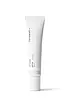
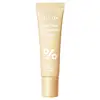
This barrier-repair lip moisturizer is formulated around Ceramide NP and Palmitoyl Tripeptide-38 to strengthen the lip barrier and hydrate lips.


What's inside
What's inside
 Key Ingredients
Benefits
Concerns
Ingredients Side-by-side
Diisostearyl Malate
EmollientNeopentyl Glycol Diheptanoate
EmollientPolyisobutene
Bis-Ethylhexyloxyphenol Methoxyphenyl Triazine
UV Absorber
Bis-Diglyceryl Polyacyladipate-2
Emollient


Oleic/Linoleic/Linolenic Polyglycerides
Emollient
Glycerin
Humectant

Ethylhexyl Salicylate
UV Absorber
Dextrin Palmitate
Emulsifying
Diethylamino Hydroxybenzoyl Hexyl Benzoate
UV Filter
Ethylhexyl Triazone
UV Absorber
Prunus Amygdalus Dulcis Oil
Skin Conditioning


Euphorbia Cerifera Cera
Astringent
Aroma


Stearalkonium Hectorite
Gel FormingMicrocrystalline Wax
Emulsion StabilisingGlyceryl Rosinate
Perfuming
Tocopheryl Acetate
Antioxidant


Palmitoyl Tripeptide-38
Skin Conditioning


Silybum Marianum Fruit Extract
Skin Conditioning
Carnosine
Skin Conditioning
Sodium Hyaluronate
Humectant
Squalene
Emollient
Portulaca Pilosa Extract
Skin ConditioningTheobroma Grandiflorum Seed Butter
Skin Conditioning
Astrocaryum Murumuru Seed Butter
Emollient
Helianthus Annuus Seed Oil
Emollient
Glycine Soja Oil
Emollient


Cetearyl Ethylhexanoate
Emollient
Water
Skin ConditioningC12-15 Alkyl Benzoate
AntimicrobialPEG-8 Caprylic/Capric Glycerides
EmulsifyingOctyldodeceth-25
CleansingPropylene Carbonate
SolventTocopherol
Antioxidant
Sorbitan Isostearate
Emulsifying
Beta-Sitosterol
Emulsion Stabilising
Lecithin
Emollient
Decylene Glycol
Skin ConditioningPropylene Glycol
Humectant
Sucrose Cocoate
Emulsifying

Stevioside
MaskingPhenoxyethanol
Preservative
Diisostearyl Malate, Neopentyl Glycol Diheptanoate, Polyisobutene, Bis-Ethylhexyloxyphenol Methoxyphenyl Triazine, Bis-Diglyceryl Polyacyladipate-2, Oleic/Linoleic/Linolenic Polyglycerides, Glycerin, Ethylhexyl Salicylate, Dextrin Palmitate, Diethylamino Hydroxybenzoyl Hexyl Benzoate, Ethylhexyl Triazone, Prunus Amygdalus Dulcis Oil, Euphorbia Cerifera Cera, Aroma, Stearalkonium Hectorite, Microcrystalline Wax, Glyceryl Rosinate, Tocopheryl Acetate, Palmitoyl Tripeptide-38, Silybum Marianum Fruit Extract, Carnosine, Sodium Hyaluronate, Squalene, Portulaca Pilosa Extract, Theobroma Grandiflorum Seed Butter, Astrocaryum Murumuru Seed Butter, Helianthus Annuus Seed Oil, Glycine Soja Oil, Cetearyl Ethylhexanoate, Water, C12-15 Alkyl Benzoate, PEG-8 Caprylic/Capric Glycerides, Octyldodeceth-25, Propylene Carbonate, Tocopherol, Sorbitan Isostearate, Beta-Sitosterol, Lecithin, Decylene Glycol, Propylene Glycol, Sucrose Cocoate, Stevioside, Phenoxyethanol
Polybutene
Hydrogenated Polyisobutene
EmollientEthylhexyl Palmitate
Emollient
Microcrystalline Wax
Emulsion StabilisingPhytosteryl/Isostearyl/Cetyl/Stearyl/Behenyl Dimer Dilinoleate
Skin Conditioning
Diisostearyl Malate
EmollientCamellia Oleifera Seed Oil
Skin Conditioning
Cocos Nucifera Oil
Masking
Bis-Ethylhexyloxyphenol Methoxyphenyl Triazine
UV Absorber
Ethylhexyl Triazone
UV Absorber
Silica Dimethyl Silylate
EmollientButyrospermum Parkii Butter
Skin Conditioning
Kojic Dipalmitate
Emollient
Cetearyl Ethylhexanoate
Emollient
Water
Skin ConditioningEthylene/Propylene/Styrene Copolymer
BHT
Antioxidant
Bisabolol
Antioxidant
Tocopheryl Acetate
Antioxidant
Sorbitan Isostearate
Emulsifying
Ceteareth-25
CleansingButylene/Ethylene/Styrene Copolymer
Glycerin
Humectant
Cetyl Alcohol
Emollient
Portulaca Pilosa Extract
Skin ConditioningPhenoxyethanol
Preservative
Behenic Acid
Cleansing
Ceramide NP
Skin Conditioning
Cholesterol
Emollient
Sucrose Cocoate
Emulsifying
Ceramide Ns
Skin Conditioning
Ethylhexylglycerin
Skin ConditioningCeramide AP
Skin Conditioning
Ceramide EOP
Skin Conditioning
Ceramide Eos
Skin Conditioning
Caprooyl Phytosphingosine
Skin Conditioning
Caprooyl Sphingosine
Skin ConditioningPalmitoyl Tripeptide-38
Skin Conditioning
Ascorbyl Palmitate
Antioxidant
Citric Acid
Buffering
Glyceryl Oleate
Emollient
Glyceryl Stearate
Emollient
Lecithin
Emollient
Tocopherol
Antioxidant
Polybutene, Hydrogenated Polyisobutene, Ethylhexyl Palmitate, Microcrystalline Wax, Phytosteryl/Isostearyl/Cetyl/Stearyl/Behenyl Dimer Dilinoleate, Diisostearyl Malate, Camellia Oleifera Seed Oil, Cocos Nucifera Oil, Bis-Ethylhexyloxyphenol Methoxyphenyl Triazine, Ethylhexyl Triazone, Silica Dimethyl Silylate, Butyrospermum Parkii Butter, Kojic Dipalmitate, Cetearyl Ethylhexanoate, Water, Ethylene/Propylene/Styrene Copolymer, BHT, Bisabolol, Tocopheryl Acetate, Sorbitan Isostearate, Ceteareth-25, Butylene/Ethylene/Styrene Copolymer, Glycerin, Cetyl Alcohol, Portulaca Pilosa Extract, Phenoxyethanol, Behenic Acid, Ceramide NP, Cholesterol, Sucrose Cocoate, Ceramide Ns, Ethylhexylglycerin, Ceramide AP, Ceramide EOP, Ceramide Eos, Caprooyl Phytosphingosine, Caprooyl Sphingosine, Palmitoyl Tripeptide-38, Ascorbyl Palmitate, Citric Acid, Glyceryl Oleate, Glyceryl Stearate, Lecithin, Tocopherol
Reviews
Alternatives
Ingredients Explained
These ingredients are found in both products.
Ingredients higher up in an ingredient list are typically present in a larger amount.
This ingredient is better known as bemotrizinol or Tinosorb S and is one of the best broad-spectrum UV filters in modern sunscreen.
It works by absorbing UV light across a whole range (280-400 nm) with peaks around 310 nm (UVB) and 340-345 nm (UVA). This means it covers UVB plus the deeper UVA wavelengths that drive photoaging and pigmentation.
Another pro?
It's exceptionally photostable, barely degrades in sunlight, and acts as a "bodyguard" for less stable filters.
That's why you'll see it paired with avobenzone or octinoxate; this team up ensures they keep working through sun exposure.
Safety reviews have been reassuring across the board. This ingredient shows low absorption through the skin, rarely irritates, and lab studies found it doesn't act like a hormone in the body (a concern that's been raised about some older sunscreen filters).
On maximum concentrations:
In 2026, the US F.D.A finally added it as an OTC sunscreen ingredient at concentrations up to 6% for adults / children 6 months and older
Learn more about Bis-Ethylhexyloxyphenol Methoxyphenyl TriazineCetearyl Ethylhexanoate is derived from cetearyl alcohol and sorbic acid.
It is an emollient and helps hydrate the skin. Emollients form a barrier on the skin to prevent water from escaping.
Diisostearyl Malate is an emollient and most often used in lip products. It comes from isostearyl alcohol, a fatty acid, and malic acid, an AHA.
As an emollient, Diisostearyl Malate helps create a thin film on your skin to trap moisture in. This helps keep your skin soft and smooth.
Ethylhexyl Triazone (aka Octyl Triazone) is an oil-soluble organic UVB filter. It has peak absorption around 314 nm, right in the middle of the UVB range.
This ingredient is described as one of the most effective UVB filters available and small concentrations are enough to deliver a high SPF thanks to its strong UV absorbing power.
Formulators love it for its stability; its ability to filter UV stays practically unchanged even under intense radiation and it can also help boost the photostability of less stable filters like avobenzone.
It's also a great pick for water resistant products because it's insoluble in water and has a good affinity for keratin.
Because it's a big, heavy molecule, the European Scientific Committee has found to to have very low dermal penetration and negative results for allergenicity.
In vitro testing also showed a low absorption rate and clean results on irritation.
Typical use levels are 1-5% with 5% being the maximum in the EU, Japan, and other markets that allow it. However, this ingredient is not approved yet in the US or Canada.
Learn more about Ethylhexyl TriazoneGlycerin (or glycerol) is a compound naturally found in your skin. It's a powerhouse humectant that pulls water into the stratum corneum.
Topically, glycerin does several things at once:
Your skin makes glycerin on its own (mostly from sebaceous oil breakdown) and shuttles it to your outermost layer of skin, or your epidermis, via aquaporin-3.
Aquaporin-3 is a transporter that is essential for normal skin hydration, elasticity, and repair. Interestingly, mice lacking in AQP3 have dry and less elastic skin that can be fully corrected with glycerin.
This ingredient is non-irritating, plays well with almost every ingredient, and works across all skin types. Typical use is anywhere between 3-10% but can go up to 79% in some leave-on products.
Just know very high concentrations (>40%) can feel tacky in low humidity.
Glycerin is the name for this ingredient in American English. British English uses Glycerol/Glycerine.
Learn more about GlycerinLecithin is a term for a group of substances found in the cell membranes of plants, animals, and humans. They are made up of phospholipids.
Thanks to its amphiphilic structure (water-loving head and oil-loving tail), it is a true multitasker:
It plays well with most ingredients and is typically used at 0.1-1%. However, concentrations up to 50% have been reported in moisturizers.
Learn more about LecithinMicrocrystalline Wax is derived from petroleum through a de-oiling process, then highly refined and purified before use in cosmetics.
In skincare formulations, it is used to improve texture and create a smooth, even consistency. It also helps stabilize products by preventing ingredients from separating.
This synthetic, signal peptide has unique skin conditioning properties in that is a matrikine-mimetic compound.
First of all, Palmitoyl Tripeptide-38 is a signal peptide; signal peptides tell the body to create more collagen.
What is a matrikine-mimetic compound?
This peptide has the ability to mimic matrikines in skin. Our skin created matrikines by breaking down matrix proteins into peptides.
Matrikines play a role in:
Though further research is needed, this ingredient seems pretty promising. In one study, women over the age of 40 with visible photoaging used a vitamin C serum with this ingredient for 56 days (15% ascorbid acid, 5 ppm palmitoyl tripeptide‐38). The results found improvement in skin roughness and skin tone.
This peptide is also part of the famous Matrixyl synthe’6, a blend of ingredients that also includes glycerin, water, and hydroxypropyl cyclodextrin.
Learn more about Palmitoyl Tripeptide-38Phenoxyethanol is one of the most widely used preservatives in skincare (and for good reason!).
It has a large spectrum of antimicrobial activity and especially effective bacteria, yeast, and mold while only having a weak effect on your skin's natural microbiome.
On a cellular level, it disrupts the cell membranes of microbes by poking holes that make the cell leak. This shuts down the chemical reactions the microbe needs to make energy so it can no longer survive.
Another perk of this ingredient is that it stays functional across a wide pH range (3-10).
You'll often see it paired with boosters like Ethylhexylglycerin; one study showed that a 1:9 ratio of Ethylhexylglycerin to Phenoxyethanol damages bacterial membranes as effectively as doubling the Phenoxyethanol concentration on its own.
Typical use concentrations range from 0.3-1% depending on the formula, and this ingredient is capped at 1% int the EU.
Safety-wise, the fear mongering does not hold up to the evidence. The EU's Scientific Committee on Consumer Safety and FDA consider it safe as a preservative at up to 1%, including for children of all ages.
Adverse systemic effects only showed up in animal studies at exposures roughly 200x higher than what people get from cosmetics. And despite its very widespread use, this ingredient is a rare sensitizer and allergic reactions are uncommon.
Learn more about PhenoxyethanolWe don't have a description for Portulaca Pilosa Extract yet.
Sorbitan Isostearate is an emulsifer. It is created from isostearic acid and sorbitol.
As an emulsifier, it keeps the water and oil ingredients from separating. This keeps formulas stable and smooth.
In a 24 hour occlusive patch test on 56 subjects, 10% sorbitan isostearate was completely non-irritating. Most formulas use less than 10%.
Because it's a fatty acid ester, it may not be fungal acne safe since the Malassezia yeast can utilize it as a nutrient source.
Learn more about Sorbitan IsostearateSucrose cocoate is a mild multitasking ingredient made by esterifying sugar with the fatty acids of coconut oil.
It functions as a surfactant, emulsifier, and skin-conditioning ingredient all in one.
Typical use concentrations range from:
This ingredient is well-tolerated across skin types and has been classified safe for use in cosmetic products by the Cosmetic Ingredient Review Expert Panel. It's even considered gentle enough for use in baby care products like shampoos and lotions.
Fungal acne note: Sucrose cocoate is a fatty acid ester derived from coconut oil that contains fatty acids in the C12-18 range. This is the range that Malassezia can metabolize, meaning this ingredient may not be fungal acne safe.
Learn more about Sucrose CocoateTocopherol is a fat-soluble antioxidant known as Vitamin E.
You'll find this ingredient in the vast majority of skincare (for good reason). It works to neutralize free radicals, or unstable molecules generated by UV exposure, pollution, and other environmental stressors, before they can cause oxidative damage to your skin cells.
Topically applied tocopherol has been shown to protect against UV damage by ramping up the skin's own natural defense enzymes.
It also acts as a skin conditioning agent; some studies show that regular topical use can improve the skin's water-binding capacity over 2-4 weeks.
This ingredient is especially loved for being a team player. When combined with Vitamin C, the photoprotective effect of both ingredients roughly doubles and the combo also helps reduce UV-induced DNA damage.
This ingredient has some brightening potential but it's more of a prevention ingredient than spot-fader. Cell studies show it can slow down melanin production but it's worth noting that it's not the most powerful brightener out there.
In formulations, it also serves as a stabilizer that helps protect other oxidation-prone ingredients from degrading.
Concentrations usually range from 0.1-1% in most leave-on products.
Learn more about TocopherolTocopheryl Acetate is a stable, shelf-friendly form of vitamin E.
Formulators love it because plain vitamin E oxidizes quickly once it hits air. This acetate version stays stable and resists going off, helping to extend a product's shelf life.
It's actually inactive on its own and works like a slow-release "storage" form; the enzymes in your skin called esterases gradually convert it into active vitamin E over time.
One in vivo study showed 5% of the acetate in the living layer of the epidermis converted to vitamin E after 5 days of application. This study also found the skin gained protection against UV damage even though the conversion was slow and small.
Once converted, vitamin E acts as a skin's main fat-soluble antioxidant that fights free radicals to protect skin from damage.
Topical vitamin E generally boosts the skin's photoprotection, and it reduced UV-damage in animal models.
This ingredient has some brightening potential but it's more of a prevention ingredient than spot-fader. Cell studies show it can slow down melanin production but it's worth noting that it's not the most powerful brightener out there.
Overall, it has a pretty solid safety profile and has been found to be non-irritating and non-comedogenic. Allergic reactions may happen but stay rare due to how widely the ingredient gets used.
The concentration will vary depending on the formula; industry data shows 0.1% in baby lotions, 3% in lipsticks, and 5% in foot powders. You can also find this ingredient at 100% in a pure vitamin E oil.
Most leave-on skincare keeps it at the lower end, often between 0.5-1%.
Learn more about Tocopheryl AcetateWater. It's the most common cosmetic ingredient of all. You'll usually see it at the top of ingredient lists, meaning that it makes up the largest part of the product.
So why is it so popular? Water most often acts as a solvent - this means that it helps dissolve other ingredients into the formulation.
You'll also recognize water as that liquid we all need to stay alive. If you see this, drink a glass of water. Remember to stay hydrated!
Learn more about Water

