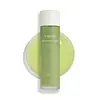
This barrier-repair toner is formulated around Niacinamide and Camellia Sinensis Leaf Extract to strengthen the skin barrier and calm redness.
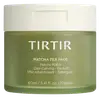
This pore-care toner pad uses a pre-saturated pad with Niacinamide and Gluconolactone to refine the look of pores and refine skin texture.

What's inside
What's inside
 Key Ingredients
Benefits
Concerns
Ingredients Side-by-side
Water
Skin ConditioningGlycerin
Humectant


Butylene Glycol
Humectant
1,2-Hexanediol
Skin Conditioning
Niacinamide
Smoothing









Coptis Japonica Root Extract
Skin ConditioningSodium Hyaluronate
Humectant
Theobroma Cacao Extract
Skin ConditioningCamellia Sinensis Leaf Extract
Antimicrobial
Cynanchum Atratum Extract
Skin ConditioningAlthaea Rosea Flower Extract
Skin ConditioningEnantia Chlorantha Bark Extract
Skin ConditioningMentha Aquatica Extract
TonicLactobacillus Ferment
Skin Conditioning
Centella Asiatica Extract
Cleansing
Centella Asiatica Leaf Extract
Skin Conditioning
Centella Asiatica Root Extract
Skin Conditioning
Soymilk
Skin ConditioningOryza Sativa Extract
Absorbent
Diphenyl Dimethicone
Emollient
Methyl Gluceth-20
Humectant
Pentylene Glycol
Skin Conditioning
Triethylhexanoin
MaskingPropanediol
Solvent
Panthenol
Skin Conditioning
Hydrogenated Lecithin
Emulsifying
Polyglyceryl-10 Laurate
Skin Conditioning

Vinyldimethicone
Ethylhexylglycerin
Skin ConditioningCaprylyl Glycol
Emollient
Adenosine
Skin Conditioning
Allantoin
Skin Conditioning
Dipeptide-15
Skin Conditioning
Lecithin
Emollient
Dextrin
AbsorbentAminomethyl Propanediol
BufferingSodium DNA
Skin Conditioning
Tocopherol
Antioxidant
Epigallocatechin Gallate
Antioxidant
Glucosyl Hesperidin
HumectantCaprylic/Capric Triglyceride
Masking
Sorbitol
Humectant
Polyglyceryl-10 Diisostearate
Emulsifying
Sucrose
Humectant
Menadione
MaskingSodium Chloride
MaskingOleanolic Acid
Skin ConditioningSodium Bicarbonate
Abrasive
Calcium Chloride
AstringentPotassium Chloride
Madecassoside
Antioxidant
Asiaticoside
Antioxidant
Asiatic Acid
Skin Conditioning
Madecassic Acid
Skin Conditioning
Disodium EDTA
Carbomer
Emulsion StabilisingGardenia Florida Fruit Extract
Skin ConditioningWater, Glycerin, Butylene Glycol, 1,2-Hexanediol, Niacinamide, Coptis Japonica Root Extract, Sodium Hyaluronate, Theobroma Cacao Extract, Camellia Sinensis Leaf Extract, Cynanchum Atratum Extract, Althaea Rosea Flower Extract, Enantia Chlorantha Bark Extract, Mentha Aquatica Extract, Lactobacillus Ferment, Centella Asiatica Extract, Centella Asiatica Leaf Extract, Centella Asiatica Root Extract, Soymilk, Oryza Sativa Extract, Diphenyl Dimethicone, Methyl Gluceth-20, Pentylene Glycol, Triethylhexanoin, Propanediol, Panthenol, Hydrogenated Lecithin, Polyglyceryl-10 Laurate, Vinyldimethicone, Ethylhexylglycerin, Caprylyl Glycol, Adenosine, Allantoin, Dipeptide-15, Lecithin, Dextrin, Aminomethyl Propanediol, Sodium DNA, Tocopherol, Epigallocatechin Gallate, Glucosyl Hesperidin, Caprylic/Capric Triglyceride, Sorbitol, Polyglyceryl-10 Diisostearate, Sucrose, Menadione, Sodium Chloride, Oleanolic Acid, Sodium Bicarbonate, Calcium Chloride, Potassium Chloride, Madecassoside, Asiaticoside, Asiatic Acid, Madecassic Acid, Disodium EDTA, Carbomer, Gardenia Florida Fruit Extract
Camellia Sinensis Leaf Water
Masking
Propanediol
Solvent
Water
Skin ConditioningButylene Glycol
Humectant
Glycereth-26
Humectant
Niacinamide
Smoothing
1,2-Hexanediol
Skin Conditioning
Dipropylene Glycol
HumectantTrehalose
Humectant
Hydroxyacetophenone
Antioxidant
Sodium Citrate
BufferingGlycereth-25 PCA Isostearate
Emulsifying
Centella Asiatica Leaf Water
Skin Conditioning
Melaleuca Alternifolia Leaf Water
Antimicrobial
Pentylene Glycol
Skin Conditioning
Ethylhexylglycerin
Skin ConditioningCarthamus Tinctorius Flower Extract
Skin ConditioningCitric Acid
Buffering
Xanthan Gum
EmulsifyingAdenosine
Skin Conditioning
Dextrin
AbsorbentGardenia Florida Fruit Extract
Skin ConditioningDisodium EDTA
Madecassoside
Antioxidant
Glycerin
Humectant
Zea Mays Kernel Extract
Decyl Glucoside
Cleansing
Gluconolactone
Skin Conditioning
Theobroma Cacao Seed Extract
Antioxidant
Caprylyl Glycol
Emollient
Hyaluronic Acid
Humectant
Hydrolyzed Hyaluronic Acid
Humectant
Sodium Hyaluronate
Humectant
Camellia Sinensis Leaf Extract
Antimicrobial
Sodium DNA
Skin Conditioning
Fructan
Skin ConditioningGlucose
Humectant
Caprylic/Capric Triglyceride
Masking
Ceramide NP
Skin Conditioning
Hydrogenated Lecithin
Emulsifying
Epigallocatechin Gallate
Antioxidant
Camellia Sinensis Leaf Water, Propanediol, Water, Butylene Glycol, Glycereth-26, Niacinamide, 1,2-Hexanediol, Dipropylene Glycol, Trehalose, Hydroxyacetophenone, Sodium Citrate, Glycereth-25 PCA Isostearate, Centella Asiatica Leaf Water, Melaleuca Alternifolia Leaf Water, Pentylene Glycol, Ethylhexylglycerin, Carthamus Tinctorius Flower Extract, Citric Acid, Xanthan Gum, Adenosine, Dextrin, Gardenia Florida Fruit Extract, Disodium EDTA, Madecassoside, Glycerin, Zea Mays Kernel Extract, Decyl Glucoside, Gluconolactone, Theobroma Cacao Seed Extract, Caprylyl Glycol, Hyaluronic Acid, Hydrolyzed Hyaluronic Acid, Sodium Hyaluronate, Camellia Sinensis Leaf Extract, Sodium DNA, Fructan, Glucose, Caprylic/Capric Triglyceride, Ceramide NP, Hydrogenated Lecithin, Epigallocatechin Gallate
Reviews
Ingredients Explained
These ingredients are found in both products.
Ingredients higher up in an ingredient list are typically present in a larger amount.
1,2-Hexanediol is a synthetic liquid and another multi-functional powerhouse.
It is a:
- Humectant, drawing moisture into the skin
- Emollient, helping to soften skin
- Solvent, dispersing and stabilizing formulas
- Preservative booster, enhancing the antimicrobial activity of other preservatives
Adenosine is a purine nucleoside that your body already makes in every cell. In skincare, it acts mainly as a skin conditioning and anti-aging agent.
The way it works is fairly well mapped out:
Your skin has cells called fibroblasts that build collagen (the stuff that keeps skin firm and smooth). Adenosine basically flips a switch on these cells that tells them to get to work making more collagen and other proteins. These cells slow down on their own as skin ages, so Adenosine helps give them a little nudge to keep going.
The clinical backing is pretty solid too.
A blind, randomized, placebo-controlled trial of 126 women aged 45-65 tested a 0.1% cream twice daily and found real improvements in crow's feet and frown lines using a precise 3D skin-mapping technique; these changes showed up by week 3 and held at 2 months.
A later study using Adenosine-loaded dissolving microneedle patches reported gains in wrinkle depth, dermal density, elasticity, and hydration.
On concentrations, South Korea's Ministry of Food and Drug Safety has set 0.04% as the approved functional anti-wrinkle level. You'll typically see this ingredient used somewhere in the 0.04-0.1% range since it works at low doses.
This ingredient has been found safe for cosmetics with the data showing no irritation or sensitization.
Overall, this is a great ingredient for any anti-aging routine and has no photosensitizing effect, so it suits both AM and PM use.
Learn more about AdenosineButylene Glycol (or BG) is used within cosmetic products for a few different reasons:
Overall, Butylene Glycol is a safe and well-rounded ingredient that works well with other ingredients.
Though this ingredient works well with most skin types, some people with sensitive skin may experience a reaction such as allergic rashes, closed comedones, or itchiness.
Learn more about Butylene GlycolCamellia Sinensis Leaf Extract (tea extract) is one of the most well-researched plant extracts in skincare with an impressive resume.
Black tea, green tea, and oolong tea are all harvested from the Camellia Sinensis plant.
Studies show green tea extract and its catechins (like epigallocatechin gallate (EGCG)) help your skin cells product energy more efficiently and reducing the number of free-radicals that can damage your skin from the inside.
In lab-grown skin models, this translated to younger, healthier, and stronger skin.
There's also good sun protection data; researchers saw less DNA damage and redness on human skin when green tea was applied before UVB exposure. And the more they applied, the better the protection.
Needless to say, this ingredient shouldn't replace your sunscreen. But it is a great supportive ingredient that you can already find in many sunscreens and antioxidant serums.
A 2009 study found a 2% green tea lotion was effective for mild-to-moderate acne thanks to its anti-inflammatory and mild antimicrobial activity.
The quality of the extract matters a lot here:
Good extracts contain 50-90% catechins while lower quality ones are mostly there for marketing. We recommend reaching out to the brand if you have questions about the quality or source of their ingredients.
Human Repeated Insult Patch Testing showed no irritation or sensitization at use concentrations (0.86% in leave-on products and up to 30% as leaf water).
Learn more about Camellia Sinensis Leaf ExtractCaprylic/Capric Triglyceride (aka MCT Oil) is a lightweight emollient, solvent, and texture enhancer. It is considered a skin-softener by helping to prevent moisture loss.
Though it behaves like an oil, it is not technically one due to its chemical composition. One perk of this ingredient is that it is very stable, resistant to oxidation, and unlikely to go rancid.
In practice, that translates to a long shelf life and a consistently elegant skin feel.
While there is an assumption Caprylic Triglyceride can clog pores due to it being derived from coconut oil, there is no research supporting this. Just patch test if you have concerns.
Fractionated coconut oil and MCT Oil are both listed as Caprylic/Capric Triglyceride according to INCI. This is because INCI names are based on the ingredient’s final chemical composition and not its marketing name or source.
This ingredient is treated as the gold standard fungal acne safe oil. Even though it is coconut derived, the problematic lauric acid is stripped out.
This leaves just caprylic (C8) and capric (C10) acid. These chain lengths actually trend antifungal; a 2020 study found caprylic acid was enough to disrupt Malassezia furfur cell membrane, with a caprylic acid derivative damaging membrane structures at concentrations as low as 0.2%.
Learn more about Caprylic/Capric TriglycerideCaprylyl Glycol is a humectant, skin conditioner, emollient, and preservative booster derived from either caprylic acid or synthetically created.
Typical use levels vary from 0.3-1% as a preservative booster and go up to 2% to condition skin.
Because it is not a free-fatty acid, this ingredient is fungal acne safe (there's nothing for Malassezia to feed on).
Learn more about Caprylyl GlycolDextrin is a starch-derived polysaccharide. It's made by partially breaking down corn, potato, or other plant starches.
Think of it as "half-processed" starch; it's less complex than the original but not fully broken down into sugar like maltodextrin.
In cosmetics, it mainly functions as a bulking agent, viscosity controller, binder, and absorbent. It helps thicken products, stabilize powders, and get certain textures a less "wet" feel.
This ingredient has a pretty solid safety profile; it's recognized as a safe food additive and its large molecular size means it doesn't meaningfully penetrate skin.
Human repeat insult patch tests using a rinse-off facial product containing 42.69% dextrin found no skin irritation or sensitization in 54 subjects.
Typical real-world usage is much lower: usually under 1% as a texture modifier and up to 40% in masks (rinse off products use less).
Learn more about DextrinDisodium EDTA is a chelating agent. It grabs onto and deactivates metal ions that sneak into your products from water, packaging, or air.
This ingredient mainly works behind the scenes and helps with:
On top of that, this ingredient can counteract the effects of hard water by binding to the minerals in it.
One thing worth knowing is that Disodium EDTA has been shown to be a mild penetration enhancer. It can help other ingredients absorb into skin more effectively which can be a double-edged sword (great for actives, but can also make the active too strong if you have sensitive skin).
Clinical patch testing showed no significant skin irritation at typical use concentrations and minimal dermal absorption.
You'll most likely see this ingredient near the end of an ingredient list. It's typically found in concentrations less than 1%.
Learn more about Disodium EDTAEpigallocatechin Gallate (EGCG) is the most abundant catechin in green tea. It is a heavyweight antioxidant in the green tea family.
In skincare, it helps protect skin from photoaging damage by scavenging UV-induced reactive oxygen species and tampering down inflammatory pathways.
UV-exposed skin cells treated with EGCG showed less of the enzyme that chews up collagen, lower inflammatory signaling, and better preserved barrier function.
EGCG nudges skin cells to make more of your skin's built in moisturizing molecules, filaggrin and hyaluronic acid, for better skin hydration.
Because it inhibits melanogenesis, it also provides a mild brightening effect.
Clinically, topical EGCG has helped calm radiation-related skin irritation and scalp seborrheic dermatitis with no major side effects.
In an 8-week split-face study, topical EGCG at 1% and 5% significantly reduced inflammatory and non-inflammatory acne.
A study from 2023 on patients with Seborrhea (a chronic skin condition caused by overactive sebaceous glands) found that using a 5% EGCG cream (alone and combined with 2% L-carnitine) and found meaningful sebum reduction plus better hydration.
Just one caveat here: Most clinical trials used 1-5% concentrations and most cosmetics contain only 0.1-1%.
The only headache related to this ingredient is stability. EGCG degrades quickly with heat, light, oxygen, and higher pH.
That's why you'll usually see it in low-pH formulas (4.5-6.5) or paired with vitamin C + vitamin E to slow its degradation. Hyaluronic acid also stabilizes it and boosts its antioxidant activity.
Learn more about Epigallocatechin GallateEthylhexylglycerin is created from glycerin. It is a multitasker ingredient that:
The CIR Expert Panel found minimal skin absorption or sensitization of any kind in a safety assessment. Though this ingredient is considered well-tolerated, a small number of cases of allergic dermatitis have been published since 2002. Just be sure to patch test if you are unsure.
Industry-reported use ranges from 8% in rinse-off products and 2% in leave-on formulations.
Learn more about EthylhexylglycerinThis ingredient comes from the evergreen flowering plant, gardenia. It has skin conditioning properties.
Glycerin (or glycerol) is a compound naturally found in your skin. It's a powerhouse humectant that pulls water into the stratum corneum.
Topically, glycerin does several things at once:
Your skin makes glycerin on its own (mostly from sebaceous oil breakdown) and shuttles it to your outermost layer of skin, or your epidermis, via aquaporin-3.
Aquaporin-3 is a transporter that is essential for normal skin hydration, elasticity, and repair. Interestingly, mice lacking in AQP3 have dry and less elastic skin that can be fully corrected with glycerin.
This ingredient is non-irritating, plays well with almost every ingredient, and works across all skin types. Typical use is anywhere between 3-10% but can go up to 79% in some leave-on products.
Just know very high concentrations (>40%) can feel tacky in low humidity.
Glycerin is the name for this ingredient in American English. British English uses Glycerol/Glycerine.
Learn more about GlycerinHydrogenated Lecithin is a more stable version of lecithin.
It's made by taking lecithin (a phospholipid commonly found in soybeans and egg yolks) and hydrogenating it. This just means the unsaturated fatty acids are turned into saturated ones so they don't go bad as easily.
This ingredient is an emollient, emulsifier, and penetration enhancer. As an emollient, it helps soften and hydrate skin by trapping moisture within. As an emulsifier, it prevents oil and water ingredients from separating.
Hydrogenated Lecithin can form tiny spherical structures made of phospholipid bilayers called liposomes. These liposomes are able to capture compounds inside their structure and deliver them through the skin barrier.
Because phospholipids are a natural component of our cell membranes, this ingredient is inherently compatible with skin.
A 2021 study found lecithin-based surfactants were less harsh and more tolerable comared to Sodium Lauryl Sulfate (SLS).
Learn more about Hydrogenated LecithinMadecassoside is one of four active compounds found in Centella asiatica and is one of the main reasons Centella is so effective at calming irritated skin and supporting the moisture barrier.
There's a solid body of peer-reviewed research backing Madecassoside for several skin benefits. Studies have found:
Madecassoside pairs well with other hydrating or antioxidant ingredients like Ascorbic Acid or Hyaluronic Acid.
Learn more about MadecassosideNiacinamide is a multitasking form of vitamin B3 that strengthens the skin barrier, reduces pores and dark spots, regulates oil, and improves signs of aging.
And the best part? It's gentle and well-tolerated by most skin types, including sensitive and reactive skin.
You might have heard of "niacin flush", or the reddening of skin that causes itchiness. Niacinamide has not been found to cause this.
In very rare cases, some individuals may not be able to tolerate niacinamide at all or experience an allergic reaction to it.
If you are experiencing flaking, irritation, and dryness with this ingredient, be sure to double check all your products as this ingredient can be found in all categories of skincare.
When incorporating niacinamide into your routine, look out for concentration amounts. Typically, 5% niacinamide provides benefits such as fading dark spots. However, if you have sensitive skin, it is better to begin with a smaller concentration.
When you apply niacinamide to your skin, your body converts it into nicotinamide adenine dinucleotide (NAD). NAD is an essential coenzyme that is already found in your cells as "fuel" and powers countless biological processes.
In your skin, NAD helps repair cell damage, produce new healthy cells, support collagen production, strengthen the skin barrier, and fight environmental stressors (like UV and pollution).
Our natural NAD levels start to decline with age, leading to slower skin repair, visible aging, and a weaker skin barrier. By providing your skin niacinamide, you're recharging your skin's NAD levels. This leads to stronger, healthier, and younger looking skin.
Another name for vitamin B3 is nicotinamide. This vitamin is water-soluble and our bodies don't store it. We obtain Vitamin B3 from either food or skincare. Meat, fish, wheat, yeast, and leafy greens contain vitamin B3.
The type of niacinamide used in skincare is synthetically created.
Learn more about NiacinamidePentylene Glycol (1,2-pentanediol) is a multitasking little diol with three main roles in a formula:
Research on alkanediols (the family pentylene glycol belongs to) show they work by disrupting microbial cell membranes. This disruption helps the primary preservative system in a product work more effectively at lower doses.
On the safety side, the Cosmetic Ingredient Review Expert Panel has concluded this ingredient to be safe as used in current cosmetic practices + concentrations.
Typical use levels in a formula run about 1-5%.
Learn more about Pentylene GlycolPropanediol is an all-star ingredient. It softens, hydrates, and smooths the skin.
It’s often used to:
Propanediol is not likely to cause sensitivity and considered safe to use. It is derived from corn or petroleum with a clear color and no scent.
Learn more about PropanediolSodium DNA is an emerging anti-aging ingredient.
It is created by taking deoxyribonucleic acid (DNA) and purifying it with sodium hydroxide.
The DNA is extracted from several different animal sources, including: calf thymus, the gonadic tissue of a male sturgeon, or herring / salmon sperm.
You have probably seen this ingredient in anti-aging skincare. But what is it?
DNA is composed of nucleotides, or chemical building blocks. Nucleotides include adenine (A), thymine (T), guanine (G), and cytosine (C). Talk about a flashback to biology! Nucleosides are formed from these nucleotides.
The science behind Sodium DNA is based on an ingredient called Polydeoxyribonucleotide or PDRN.
PDRN are DNA fragments mainly extracted from the sperm cells of trout or salmon. Meaning, PDRN can be derived from Sodium DNA.
PDRN consists of chains of nucleotides and nucleosides mentioned above. They can range anywhere from 80 - 2000 pairs.
Studies show PDRN has the following properties:
Most of the research on PDRN has been done using injectable forms. That’s important, because PDRN is a large molecule and doesn’t absorb well through the skin. So if you’re applying it topically, the effects are likely to be much milder.
Still, topical Sodium DNA is emerging as a trendy anti-aging ingredient. It’s generally well-tolerated and offers good biocompatibility with human skin, making it a low-risk addition to most routines.
Further studies are needed to truly confirm this ingredients anti-aging ability (Remember, retinol has decades of research!).
Sodium DNA may be sourced from fish, animal tissue, or plants. Since this isn’t always disclosed, we recommend asking the brand directly if the ingredient’s origin is important to you.
Learn more about Sodium DNASodium Hyaluronate is the salt form of hyaluronic acid. It is a long sugar chain that is naturally found in your skin, joints, and connective tissue that maintains hydration and elasticity.
In skincare, it works as a humectant. It pulls water from the environment and deeper layers of skin and binds it to the surface.
Interestingly, the size of the molecule affects its behavior:
Some clinical evidence links low molecular weight versions to improved wrinkle depth, elasticity, anti-inflammatory effects, and barrier repair.
Many serums use a blend of both weights so you can get surface hydration plus longer-lasting and deeper effects.
You'll typically see concentrations between 0.1-2% for this ingredient.
Learn more about Sodium HyaluronateWater. It's the most common cosmetic ingredient of all. You'll usually see it at the top of ingredient lists, meaning that it makes up the largest part of the product.
So why is it so popular? Water most often acts as a solvent - this means that it helps dissolve other ingredients into the formulation.
You'll also recognize water as that liquid we all need to stay alive. If you see this, drink a glass of water. Remember to stay hydrated!
Learn more about Water

