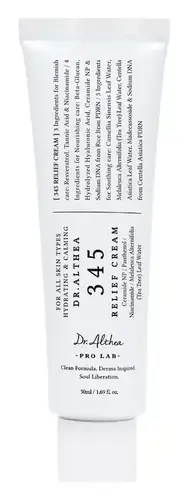
The Face Shop Yehwadam Heaven Grade Ginseng Ex Emulsion Versus Anua Rice 70 Intensive Moisturizing Milk
This hydrating emulsion is formulated around Macadamia Ternifolia Seed Oil and Niacinamide to hydrate skin and soften the look of wrinkles.
This barrier-repair moisturizer is formulated around Niacinamide and Ceramide NP to strengthen the skin barrier and hydrate skin.

What's inside
What's inside
 Key Ingredients
Benefits
Concerns
Ingredients Side-by-side
Water
Skin ConditioningDipropylene Glycol
HumectantMacadamia Ternifolia Seed Oil
Emollient



Hydrogenated Polyisobutene
EmollientNiacinamide
Smoothing











1,2-Hexanediol
Skin Conditioning
Hydrogenated Lecithin
Emulsifying
Dimethicone
Emollient
Neopentyl Glycol Dicaprate
EmollientPanthenol
Skin Conditioning
Butylene Glycol
Humectant
Glyceryl Stearate
Emollient
PEG-100 Stearate
Surfactant
Behenic Acid
Cleansing
Glycerin
Humectant
Stearic Acid
Cleansing
Methyl Trimethicone
Skin Conditioning
Behenyl Alcohol
Emollient
Stearyl Alcohol
Emollient
Tromethamine
BufferingCarbomer
Emulsion StabilisingLactobacillus/Soybean Ferment Extract
Skin ConditioningC14-22 Alcohols
Emulsion Stabilising
Squalane
Emollient
Saccharomyces/Potato Extract Ferment Filtrate
Humectant
Alcohol Denat.
Antimicrobial



Caprylic/Capric Triglyceride
Masking
Xanthan Gum
EmulsifyingSaccharomyces/Barley Seed Ferment Filtrate
HumectantMyristic Acid
Cleansing
Triethylhexanoin
MaskingAdenosine
Skin Conditioning
Methylpropanediol
SolventTheobroma Grandiflorum Seed Butter
Skin Conditioning
Arachidyl Glucoside
EmulsifyingButyrospermum Parkii Butter
Skin Conditioning
Trisodium EDTA
ChelatingCI 77891
Cosmetic ColorantMica
Cosmetic ColorantPEG-10 Phytosterol
EmulsifyingCeramide NP
Skin Conditioning
Cholesterol
Emollient
Glycolipids
Skin ConditioningCI 77491
Cosmetic ColorantBrassica Campestris Extract
Skin ConditioningNelumbo Nucifera Seed Extract
Antimicrobial
Plantago Asiatica Seed Extract
Skin ConditioningPlatycodon Grandiflorus Root Extract
Antioxidant
Ziziphus Jujuba Fruit Extract
Skin ConditioningPolygonum Multiflorum Root Extract
Skin ConditioningPoria Cocos Sclerotium Extract
AstringentCnidium Officinale Root Extract
Skin ConditioningPaeonia Lactiflora Root Extract
Skin ConditioningPanax Ginseng Root Extract
Emollient
Tricholoma Matsutake Extract
Skin ConditioningEpimedium Koreanum Extract
AntimicrobialAsparagus Cochinchinensis Root Extract
Skin ConditioningAngelica Gigas Extract
Skin ConditioningCuscuta Japonica Seed Extract
Skin ConditioningLycium Chinense Fruit Extract
Antioxidant
Tocopherol
Antioxidant
CI 77480
Cosmetic ColorantAngelica Gigas Root Extract
Skin ConditioningCarthamus Tinctorius Seed Oil
Masking
Eucommia Ulmoides Leaf Extract
Skin ConditioningAllium Tuberosum Seed Extract
Skin ConditioningCornus Officinalis Fruit Extract
Skin ConditioningPolygala Tenuifolia Root Extract
Skin ConditioningRehmannia Chinensis Root Extract
Skin ConditioningTribulus Terrestris Fruit Extract
Skin ConditioningParfum
Masking

Benzyl Benzoate
Antimicrobial
Hydroxycitronellal
Perfuming
Geraniol
Perfuming
Limonene
Perfuming
Hexyl Cinnamal
Perfuming
Citronellol
Perfuming
Linalool
Perfuming
Water, Dipropylene Glycol, Macadamia Ternifolia Seed Oil, Hydrogenated Polyisobutene, Niacinamide, 1,2-Hexanediol, Hydrogenated Lecithin, Dimethicone, Neopentyl Glycol Dicaprate, Panthenol, Butylene Glycol, Glyceryl Stearate, PEG-100 Stearate, Behenic Acid, Glycerin, Stearic Acid, Methyl Trimethicone, Behenyl Alcohol, Stearyl Alcohol, Tromethamine, Carbomer, Lactobacillus/Soybean Ferment Extract, C14-22 Alcohols, Squalane, Saccharomyces/Potato Extract Ferment Filtrate, Alcohol Denat., Caprylic/Capric Triglyceride, Xanthan Gum, Saccharomyces/Barley Seed Ferment Filtrate, Myristic Acid, Triethylhexanoin, Adenosine, Methylpropanediol, Theobroma Grandiflorum Seed Butter, Arachidyl Glucoside, Butyrospermum Parkii Butter, Trisodium EDTA, CI 77891, Mica, PEG-10 Phytosterol, Ceramide NP, Cholesterol, Glycolipids, CI 77491, Brassica Campestris Extract, Nelumbo Nucifera Seed Extract, Plantago Asiatica Seed Extract, Platycodon Grandiflorus Root Extract, Ziziphus Jujuba Fruit Extract, Polygonum Multiflorum Root Extract, Poria Cocos Sclerotium Extract, Cnidium Officinale Root Extract, Paeonia Lactiflora Root Extract, Panax Ginseng Root Extract, Tricholoma Matsutake Extract, Epimedium Koreanum Extract, Asparagus Cochinchinensis Root Extract, Angelica Gigas Extract, Cuscuta Japonica Seed Extract, Lycium Chinense Fruit Extract, Tocopherol, CI 77480, Angelica Gigas Root Extract, Carthamus Tinctorius Seed Oil, Eucommia Ulmoides Leaf Extract, Allium Tuberosum Seed Extract, Cornus Officinalis Fruit Extract, Polygala Tenuifolia Root Extract, Rehmannia Chinensis Root Extract, Tribulus Terrestris Fruit Extract, Parfum, Benzyl Benzoate, Hydroxycitronellal, Geraniol, Limonene, Hexyl Cinnamal, Citronellol, Linalool
Oryza Sativa Bran Water
Masking
Hydrogenated Poly(C6-14 Olefin)
EmollientButylene Glycol
Humectant
Glycerin
Humectant
Niacinamide
Smoothing
Limnanthes Alba Seed Oil
Skin Conditioning
Phytosteryl/Octyldodecyl Lauroyl Glutamate
Skin Conditioning1,2-Hexanediol
Skin Conditioning
Diglycerin
Humectant
Cetyl Ethylhexanoate
EmollientWater
Skin ConditioningPhytosteryl/Isostearyl/Cetyl/Stearyl/Behenyl Dimer Dilinoleate
Skin Conditioning
Glyceryl Stearate
Emollient
Cocos Nucifera Oil
Masking
Vinyldimethicone
Behenyl Alcohol
Emollient
Oryza Sativa Extract
Absorbent
Polysorbate 20
Emulsifying
Cetearyl Alcohol
Emollient
Arginine
Masking
Hydroxyacetophenone
Antioxidant
Hydrogenated Lecithin
Emulsifying
Ethylhexylglycerin
Skin ConditioningAcrylates/C10-30 Alkyl Acrylate Crosspolymer
Emulsion StabilisingHydroxyethyl Acrylate/Sodium Acryloyldimethyl Taurate Copolymer
Emulsion StabilisingGlyceryl Stearate Se
Emulsifying
Xanthan Gum
EmulsifyingAdenosine
Skin Conditioning
Carbomer
Emulsion StabilisingCholesterol
Emollient
Dipropylene Glycol
HumectantCeramide NP
Skin Conditioning
Sorbitan Isostearate
Emulsifying
Lactobacillus Ferment Filtrate
Skin ConditioningSqualane
Emollient
Allantoin
Skin Conditioning
Oryza Sativa Seed Protein
Antioxidant
Hydrolyzed Rice Protein
Skin ConditioningTocopherol
Antioxidant
Ectoin
Skin Conditioning
Phytosphingosine
Skin Conditioning
Palmitic Acid
Emollient
Stearic Acid
Cleansing
Sodium Hyaluronate
Humectant
Ceramide As
Skin Conditioning
Ceramide AP
Skin Conditioning
Ceramide Ns
Skin Conditioning
Hydrolyzed Hyaluronic Acid
Humectant
Sodium Acetylated Hyaluronate
Humectant
Oryza Sativa Bran Oil
Emollient
Ceramide EOP
Skin Conditioning
Oryza Sativa Bran Water, Hydrogenated Poly(C6-14 Olefin), Butylene Glycol, Glycerin, Niacinamide, Limnanthes Alba Seed Oil, Phytosteryl/Octyldodecyl Lauroyl Glutamate, 1,2-Hexanediol, Diglycerin, Cetyl Ethylhexanoate, Water, Phytosteryl/Isostearyl/Cetyl/Stearyl/Behenyl Dimer Dilinoleate, Glyceryl Stearate, Cocos Nucifera Oil, Vinyldimethicone, Behenyl Alcohol, Oryza Sativa Extract, Polysorbate 20, Cetearyl Alcohol, Arginine, Hydroxyacetophenone, Hydrogenated Lecithin, Ethylhexylglycerin, Acrylates/C10-30 Alkyl Acrylate Crosspolymer, Hydroxyethyl Acrylate/Sodium Acryloyldimethyl Taurate Copolymer, Glyceryl Stearate Se, Xanthan Gum, Adenosine, Carbomer, Cholesterol, Dipropylene Glycol, Ceramide NP, Sorbitan Isostearate, Lactobacillus Ferment Filtrate, Squalane, Allantoin, Oryza Sativa Seed Protein, Hydrolyzed Rice Protein, Tocopherol, Ectoin, Phytosphingosine, Palmitic Acid, Stearic Acid, Sodium Hyaluronate, Ceramide As, Ceramide AP, Ceramide Ns, Hydrolyzed Hyaluronic Acid, Sodium Acetylated Hyaluronate, Oryza Sativa Bran Oil, Ceramide EOP
Reviews
Ingredients Explained
These ingredients are found in both products.
Ingredients higher up in an ingredient list are typically present in a larger amount.
1,2-Hexanediol is a synthetic liquid and another multi-functional powerhouse.
It is a:
- Humectant, drawing moisture into the skin
- Emollient, helping to soften skin
- Solvent, dispersing and stabilizing formulas
- Preservative booster, enhancing the antimicrobial activity of other preservatives
Adenosine is a purine nucleoside that your body already makes in every cell. In skincare, it acts mainly as a skin conditioning and anti-aging agent.
The way it works is fairly well mapped out:
Your skin has cells called fibroblasts that build collagen (the stuff that keeps skin firm and smooth). Adenosine basically flips a switch on these cells that tells them to get to work making more collagen and other proteins. These cells slow down on their own as skin ages, so Adenosine helps give them a little nudge to keep going.
The clinical backing is pretty solid too.
A blind, randomized, placebo-controlled trial of 126 women aged 45-65 tested a 0.1% cream twice daily and found real improvements in crow's feet and frown lines using a precise 3D skin-mapping technique; these changes showed up by week 3 and held at 2 months.
A later study using Adenosine-loaded dissolving microneedle patches reported gains in wrinkle depth, dermal density, elasticity, and hydration.
On concentrations, South Korea's Ministry of Food and Drug Safety has set 0.04% as the approved functional anti-wrinkle level. You'll typically see this ingredient used somewhere in the 0.04-0.1% range since it works at low doses.
This ingredient has been found safe for cosmetics with the data showing no irritation or sensitization.
Overall, this is a great ingredient for any anti-aging routine and has no photosensitizing effect, so it suits both AM and PM use.
Learn more about AdenosineBehenyl Alcohol is a type of fatty alcohol (these are different from the drying, solvent alcohols).
Fatty Alcohols have hydrating properties and are most often used as an emollient or to thicken a product. They are usually derived from natural fats and oils; behenyl alcohol is derived from the fats of vegetable oils.
Emollients help keep your skin soft and hydrated by creating a film that traps moisture in.
In 2000, Behenyl Alcohol was approved by the US as medicine to reduce the duration of cold sores.
Learn more about Behenyl AlcoholButylene Glycol (or BG) is used within cosmetic products for a few different reasons:
Overall, Butylene Glycol is a safe and well-rounded ingredient that works well with other ingredients.
Though this ingredient works well with most skin types, some people with sensitive skin may experience a reaction such as allergic rashes, closed comedones, or itchiness.
Learn more about Butylene GlycolCarbomer is a synthetic thickening and gelling agent. It's basically the ingredient that gives a lot of serums, gels, creams, and sunscreens their smooth, non-sticky texture.
Although legally permitted at very high levels, carbomers are normally used at concentrations below 1%.
It also needs to be neutralized to actually thicken, and because it is a large molecule, it doesn't really penetrate the skin barrier.
Allergy-wise, the risk is very low. Clinical studies show carbomers have low potential for skin irritation/sensitization even at concentrations up to 100%.
A 2024 UK study patch-tested 1,302 patients and found true allergy to the parent group of carbomer to be rare with no confirmed relevant reactions.
Learn more about CarbomerCeramide NP (formerly known as Ceramide 3) is one of the skin's naturally occurring lipids.
Since ceramides are the major lipid components of the skin, they are crucial for maintaining skin barrier and hydration. Ceramide NP most closely mirrors the dominant kind in human skin amongst ceramide subtypes.
This ceramide works by slotting into gaps within the stratum corneum's lipid matrix to limit trans-epidermal water loss (TEWL) and shield the skin against external irritants.
A study with 312 patients found that using a ceramide-containing routine for 4 weeks reduced the severity of atopic dermatitis by over 61%.
Another clinical study in subjects aged 60 and older found that a ceramide body wash and moisturizer improved skin dryness and itchy skin in 15 days.
Overall, ceramides are considered non-irritating and safety tests have found little to no observable adverse effects from using this ingredient.
Ceramide NP is usually sourced from plants (like soybean or rice bran), or produced synthetically.
Learn more about Ceramide NPCholesterol is a lipid that is naturally found in human skin and is one of the three key components of your skin barrier. In skincare, it is an emollient and barrier-repairing ingredient.
It works by fitting directly into the lipid layers of skin to help restore structure and reduce transepidermal water loss (TEWL).
This is a great ingredient for dry, compromised, or aging skin; our skin starts to produce less cholesterol with age.
Research shows cholesterol works best in combination with ceramides and fatty acids, the other two major components in your skin barrier.
Cholesterol is also a well-establish penetration enhancer and can help other actives absorb more effectively.
Cosmetic-grade cholesterol is usually derived from lanolin but plant and synthetic options also exist. We recommend reaching out to the brand if you have questions about their source of cholesterol.
Learn more about CholesterolDipropylene Glycol is a synthetically created humectant, stabilizer, and solvent.
This ingredient helps:
Dipropylene glycol is technically an alcohol, but it belongs to the glycol family (often considered part of the ‘good’ alcohols). This means it is hydrating and gentle on skin unlike drying solvent alcohols like denatured alcohol.
As a masking agent, Dipropylene Glycol can be used to cover the smell of other ingredients. However, it does not have a scent.
Studies show Dipropylene Glycol is considered safe to use in skincare.
Learn more about Dipropylene GlycolGlycerin (or glycerol) is a compound naturally found in your skin. It's a powerhouse humectant that pulls water into the stratum corneum.
Topically, glycerin does several things at once:
Your skin makes glycerin on its own (mostly from sebaceous oil breakdown) and shuttles it to your outermost layer of skin, or your epidermis, via aquaporin-3.
Aquaporin-3 is a transporter that is essential for normal skin hydration, elasticity, and repair. Interestingly, mice lacking in AQP3 have dry and less elastic skin that can be fully corrected with glycerin.
This ingredient is non-irritating, plays well with almost every ingredient, and works across all skin types. Typical use is anywhere between 3-10% but can go up to 79% in some leave-on products.
Just know very high concentrations (>40%) can feel tacky in low humidity.
Glycerin is the name for this ingredient in American English. British English uses Glycerol/Glycerine.
Learn more about GlycerinGlyceryl Stearate is made by reacting glycerin with stearic acid (typically sourced from plant oils like palm or coconut). It's an emulsifier, emollient, and mild occlusive.
Emulsifiers help ingredients like oil and water stay mixed so your formula stays nicely blended and uniform in texture.
This ingredient is typically used in concentrations between 1-10%. Studies have found it to be non-sensitizing, non-phototoxic, and non-photoallergenic.
A close cousin of this ingredient is Glyceryl Stearate SE ("self-emulsifying"). This just has a small amount of sodium or potassium stearate added so it can emulsify without a co-emulsifier.
Since this ingredient is an ester of a C18 fatty acid, it may not be fungal acne safe. The Malassezia yeast can potentially metabolize within the C11-C24 range.
Fun fact: The human body also creates Glyceryl Stearate naturally.
Learn more about Glyceryl StearateHydrogenated Lecithin is a more stable version of lecithin.
It's made by taking lecithin (a phospholipid commonly found in soybeans and egg yolks) and hydrogenating it. This just means the unsaturated fatty acids are turned into saturated ones so they don't go bad as easily.
This ingredient is an emollient, emulsifier, and penetration enhancer. As an emollient, it helps soften and hydrate skin by trapping moisture within. As an emulsifier, it prevents oil and water ingredients from separating.
Hydrogenated Lecithin can form tiny spherical structures made of phospholipid bilayers called liposomes. These liposomes are able to capture compounds inside their structure and deliver them through the skin barrier.
Because phospholipids are a natural component of our cell membranes, this ingredient is inherently compatible with skin.
A 2021 study found lecithin-based surfactants were less harsh and more tolerable comared to Sodium Lauryl Sulfate (SLS).
Learn more about Hydrogenated LecithinNiacinamide is a multitasking form of vitamin B3 that strengthens the skin barrier, reduces pores and dark spots, regulates oil, and improves signs of aging.
And the best part? It's gentle and well-tolerated by most skin types, including sensitive and reactive skin.
You might have heard of "niacin flush", or the reddening of skin that causes itchiness. Niacinamide has not been found to cause this.
In very rare cases, some individuals may not be able to tolerate niacinamide at all or experience an allergic reaction to it.
If you are experiencing flaking, irritation, and dryness with this ingredient, be sure to double check all your products as this ingredient can be found in all categories of skincare.
When incorporating niacinamide into your routine, look out for concentration amounts. Typically, 5% niacinamide provides benefits such as fading dark spots. However, if you have sensitive skin, it is better to begin with a smaller concentration.
When you apply niacinamide to your skin, your body converts it into nicotinamide adenine dinucleotide (NAD). NAD is an essential coenzyme that is already found in your cells as "fuel" and powers countless biological processes.
In your skin, NAD helps repair cell damage, produce new healthy cells, support collagen production, strengthen the skin barrier, and fight environmental stressors (like UV and pollution).
Our natural NAD levels start to decline with age, leading to slower skin repair, visible aging, and a weaker skin barrier. By providing your skin niacinamide, you're recharging your skin's NAD levels. This leads to stronger, healthier, and younger looking skin.
Another name for vitamin B3 is nicotinamide. This vitamin is water-soluble and our bodies don't store it. We obtain Vitamin B3 from either food or skincare. Meat, fish, wheat, yeast, and leafy greens contain vitamin B3.
The type of niacinamide used in skincare is synthetically created.
Learn more about NiacinamideSqualane is the hydrogenated and shelf-stable form of squalene (a lipid that naturally occurs in human sebum).
It is an emollient and skin conditioning agent that is able to integrate seamlessly into the skin's lipid barrier without clogging pores.
This is due to how structurally similar it is to what your skin already produces.
Though it is mostly an emollient that helps soften and hydrate skin, it also has some humectant and occlusive action. Humectants help the skin retain moisture while occlusives seal it in, making squalane a triple-threat moisturizer.
Research shows it has antioxidant capabilities that help protect against stressors like UV exposure, specifically UVA induced oxidative stress. This study also found that it supports collagen biosynthesis in human dermal fibroblasts.
No clinical study has reported significant adverse effects and irritation reactions are very rare from this ingredient (even at 100% concentration).
Overall, it's a fantastic ingredient for hydration and is suitable for all skin types.
This depends on the source. Squalane can be derived from both plants and animals. Most squalane used in skincare comes from plants.
Please note: the source of squalane is only known if disclosed by the brand. We recommend reaching out to the brand if you have any questions about their squalane.
Read more about squalene with an "e".
Though squalane is often called an oil, it’s technically not one. It is a hydrocarbon, meaning it is only made of carbon and hydrogen. True oils are triglycerides and made of fatty acids and glycerol.
The term “oil-free” isn’t regulated so companies can define it however they want. Some exclude all oils, while others just avoid mineral oil or comedogenic oils.
Squalane has a comedogenic rating of 1 from the original 1972 study that tested raw ingredients under occlusion on rabbit ears. This system is not standardized or peer-reviewed, and using the raw ingredients is very different from how diluted cosmetic formulations are used on human skin.
A comedogenic rating of 1 means it is "unlikely to clog pores" according to the original rating system.
The overall formula of a product matters more than the individual ingredients on whether or not it will cause clogged pores.
Learn more about SqualaneStearic Acid is a fatty acid that is already found in your skin. It's one of the free fatty acids that works alongside ceramides and cholesterols to maintain your barrier.
In cosmetics, it is a multitasker:
Safety-wise, the CIR Expert Panel has concluded it to be safe in cosmetics when formulated to be non-irritating and non-sensitizing.
Free stearic acid is a C18 fatty acid that the Malassezia yeast can substrate, so this ingredient may not be fungal acne safe.
This ingredient does have a comedogenic rating of 2-3, but this doesn't mean a formula with this ingredient will clog pores.
Human testing has proved that any finished product with this ingredient won't automatically make you break out; it really comes down to concentration, formula, and your skin.
Learn more about Stearic AcidTocopherol is a fat-soluble antioxidant known as Vitamin E.
You'll find this ingredient in the vast majority of skincare (for good reason). It works to neutralize free radicals, or unstable molecules generated by UV exposure, pollution, and other environmental stressors, before they can cause oxidative damage to your skin cells.
Topically applied tocopherol has been shown to protect against UV damage by ramping up the skin's own natural defense enzymes.
It also acts as a skin conditioning agent; some studies show that regular topical use can improve the skin's water-binding capacity over 2-4 weeks.
This ingredient is especially loved for being a team player. When combined with Vitamin C, the photoprotective effect of both ingredients roughly doubles and the combo also helps reduce UV-induced DNA damage.
This ingredient has some brightening potential but it's more of a prevention ingredient than spot-fader. Cell studies show it can slow down melanin production but it's worth noting that it's not the most powerful brightener out there.
In formulations, it also serves as a stabilizer that helps protect other oxidation-prone ingredients from degrading.
Concentrations usually range from 0.1-1% in most leave-on products.
Learn more about TocopherolWater. It's the most common cosmetic ingredient of all. You'll usually see it at the top of ingredient lists, meaning that it makes up the largest part of the product.
So why is it so popular? Water most often acts as a solvent - this means that it helps dissolve other ingredients into the formulation.
You'll also recognize water as that liquid we all need to stay alive. If you see this, drink a glass of water. Remember to stay hydrated!
Learn more about WaterXanthan gum is used as a stabilizer and thickener within cosmetic products. It helps give products a sticky, thick feeling - preventing them from being too runny.
On the technical side of things, xanthan gum is a polysaccharide - a combination consisting of multiple sugar molecules bonded together.
Xanthan gum is a pretty common and great ingredient. It is a natural, non-toxic, non-irritating ingredient that is also commonly used in food products.
Learn more about Xanthan Gum