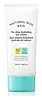
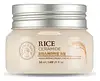
Natural Sun Eco No Shine Hydrating Sun Cream SPF50+ PA+++ Versus The Face Shop Rice & Ceramide Moisturizing Cream
This hybrid sunscreen covers the full UV range and blocks ~98% of UVB at SPF 50.
This barrier-repair moisturizer is formulated around Oryza Sativa Extract and Ceramide NP to strengthen the skin barrier and hydrate skin.

What's inside
What's inside
 Key Ingredients
Benefits
Concerns
Ingredients Side-by-side
Water
Skin ConditioningEthylhexyl Methoxycinnamate
UV Absorber


Ethylhexyl Salicylate
UV Absorber
C12-15 Alkyl Benzoate
AntimicrobialButylene Glycol
Humectant

Cyclopentasiloxane
Emollient
Titanium Dioxide
Cosmetic Colorant
Phenylbenzimidazole Sulfonic Acid
UV Absorber
Potassium Cetyl Phosphate
EmulsifyingGlycerin
Humectant
Hydrogenated Polyisobutene
EmollientCetyl Ethylhexanoate
EmollientTromethamine
BufferingDiethylamino Hydroxybenzoyl Hexyl Benzoate
UV Filter
Bis-Ethylhexyloxyphenol Methoxyphenyl Triazine
UV Absorber
Silica
Abrasive


Panthenol
Skin Conditioning

Cetearyl Alcohol
Emollient






Alcohol Denat.
Antimicrobial

1,2-Hexanediol
Skin Conditioning
Inulin Lauryl Carbamate
Emulsion StabilisingGlyceryl Caprylate
EmollientGlyceryl Stearate Se
Emulsifying
Aluminum Stearate
Cosmetic ColorantHelianthus Annuus Sprout Extract
Skin ConditioningSalvia Hispanica Seed Extract
Emollient
Gossypium Herbaceum Seed Extract
Skin ConditioningPolymethyl Methacrylate
Hydroxystearic Acid
Cleansing
Magnesium Aluminum Silicate
Absorbent
Hydrogenated Lecithin
Emulsifying
Cetearyl Olivate
Sorbitan Olivate
Emulsifying
Alumina
Abrasive
Xanthan Gum
EmulsifyingAcrylates/C10-30 Alkyl Acrylate Crosspolymer
Emulsion StabilisingCaprylic/Capric Triglyceride
Masking
Phytosteryl/Octyldodecyl Lauroyl Glutamate
Skin ConditioningPEG-10 Rapeseed Sterol
CleansingHydroxyethyl Acrylate/Sodium Acryloyldimethyl Taurate Copolymer
Emulsion StabilisingTrisodium EDTA
ChelatingBehenic Acid
Cleansing
Stearic Acid
Cleansing
Myristic Acid
Cleansing
Isohexadecane
EmollientSodium PCA
Humectant
Parfum
Masking

Linalool
Perfuming
Hexyl Cinnamal
Perfuming
Limonene
Perfuming
Citronellol
Perfuming
Hydroxycitronellal
Perfuming
Geraniol
Perfuming
Water, Ethylhexyl Methoxycinnamate, Ethylhexyl Salicylate, C12-15 Alkyl Benzoate, Butylene Glycol, Cyclopentasiloxane, Titanium Dioxide, Phenylbenzimidazole Sulfonic Acid, Potassium Cetyl Phosphate, Glycerin, Hydrogenated Polyisobutene, Cetyl Ethylhexanoate, Tromethamine, Diethylamino Hydroxybenzoyl Hexyl Benzoate, Bis-Ethylhexyloxyphenol Methoxyphenyl Triazine, Silica, Panthenol, Cetearyl Alcohol, Alcohol Denat., 1,2-Hexanediol, Inulin Lauryl Carbamate, Glyceryl Caprylate, Glyceryl Stearate Se, Aluminum Stearate, Helianthus Annuus Sprout Extract, Salvia Hispanica Seed Extract, Gossypium Herbaceum Seed Extract, Polymethyl Methacrylate, Hydroxystearic Acid, Magnesium Aluminum Silicate, Hydrogenated Lecithin, Cetearyl Olivate, Sorbitan Olivate, Alumina, Xanthan Gum, Acrylates/C10-30 Alkyl Acrylate Crosspolymer, Caprylic/Capric Triglyceride, Phytosteryl/Octyldodecyl Lauroyl Glutamate, PEG-10 Rapeseed Sterol, Hydroxyethyl Acrylate/Sodium Acryloyldimethyl Taurate Copolymer, Trisodium EDTA, Behenic Acid, Stearic Acid, Myristic Acid, Isohexadecane, Sodium PCA, Parfum, Linalool, Hexyl Cinnamal, Limonene, Citronellol, Hydroxycitronellal, Geraniol
Water
Skin ConditioningDipropylene Glycol
HumectantCyclomethicone
Emollient
Glycerin
Humectant
Betaine
Humectant
Caprylic/Capric Triglyceride
Masking
Behenyl Alcohol
Emollient
Neopentyl Glycol Diheptanoate
EmollientTri-C14-15 Alkyl Citrate
EmollientSodium Hyaluronate
Humectant

PEG-100 Stearate
Surfactant
Glyceryl Stearate
Emollient
Cetearyl Olivate
Sorbitan Olivate
Emulsifying
Oryza Sativa Extract 1%
Absorbent
Butylene Glycol
Humectant
Diisostearyl Malate
EmollientOctyldodecyl Lactate
EmollientAcrylates/Acrylamide Copolymer
MoisturisingParaffinum Liquidum
Emollient
Polysorbate 85
Emulsifying
Stearic Acid
Cleansing
Butyrospermum Parkii Butter
Skin Conditioning
Dimethicone/Vinyl Dimethicone Crosspolymer
Skin Conditioning
Polyglutamic Acid
Skin Conditioning
Caprylic/Capric Glycerides
EmollientC12-14 Pareth-12
EmulsifyingLecithin
Emollient
Hdi/Trimethylol Hexyllactone Crosspolymer
Silica
Abrasive
Oryza Sativa Bran Oil 0.1%
Emollient
Ceramide NP 0.05%
Skin Conditioning
Citrus Paradisi Fruit Extract
Skin ConditioningHydrogenated Lecithin
Emulsifying
Polyglyceryl-10 Oleate
Skin Conditioning
Glycosphingolipids
EmollientDisodium EDTA
ChelatingPhenoxyethanol
Preservative
Methylparaben
Preservative
Parfum
Masking
Water, Dipropylene Glycol, Cyclomethicone, Glycerin, Betaine, Caprylic/Capric Triglyceride, Behenyl Alcohol, Neopentyl Glycol Diheptanoate, Tri-C14-15 Alkyl Citrate, Sodium Hyaluronate, PEG-100 Stearate, Glyceryl Stearate, Cetearyl Olivate, Sorbitan Olivate, Oryza Sativa Extract 1%, Butylene Glycol, Diisostearyl Malate, Octyldodecyl Lactate, Acrylates/Acrylamide Copolymer, Paraffinum Liquidum, Polysorbate 85, Stearic Acid, Butyrospermum Parkii Butter, Dimethicone/Vinyl Dimethicone Crosspolymer, Polyglutamic Acid, Caprylic/Capric Glycerides, C12-14 Pareth-12, Lecithin, Hdi/Trimethylol Hexyllactone Crosspolymer, Silica, Oryza Sativa Bran Oil 0.1%, Ceramide NP 0.05%, Citrus Paradisi Fruit Extract, Hydrogenated Lecithin, Polyglyceryl-10 Oleate, Glycosphingolipids, Disodium EDTA, Phenoxyethanol, Methylparaben, Parfum
Reviews
Ingredients Explained
These ingredients are found in both products.
Ingredients higher up in an ingredient list are typically present in a larger amount.
Butylene Glycol (or BG) is used within cosmetic products for a few different reasons:
Overall, Butylene Glycol is a safe and well-rounded ingredient that works well with other ingredients.
Though this ingredient works well with most skin types, some people with sensitive skin may experience a reaction such as allergic rashes, closed comedones, or itchiness.
Learn more about Butylene GlycolCaprylic/Capric Triglyceride (aka MCT Oil) is a lightweight emollient, solvent, and texture enhancer. It is considered a skin-softener by helping to prevent moisture loss.
Though it behaves like an oil, it is not technically one due to its chemical composition. One perk of this ingredient is that it is very stable, resistant to oxidation, and unlikely to go rancid.
In practice, that translates to a long shelf life and a consistently elegant skin feel.
While there is an assumption Caprylic Triglyceride can clog pores due to it being derived from coconut oil, there is no research supporting this. Just patch test if you have concerns.
Fractionated coconut oil and MCT Oil are both listed as Caprylic/Capric Triglyceride according to INCI. This is because INCI names are based on the ingredient’s final chemical composition and not its marketing name or source.
This ingredient is treated as the gold standard fungal acne safe oil. Even though it is coconut derived, the problematic lauric acid is stripped out.
This leaves just caprylic (C8) and capric (C10) acid. These chain lengths actually trend antifungal; a 2020 study found caprylic acid was enough to disrupt Malassezia furfur cell membrane, with a caprylic acid derivative damaging membrane structures at concentrations as low as 0.2%.
Learn more about Caprylic/Capric TriglycerideCetearyl Olivate is a plant-derived emulsifier and texture enhancer. It helps keep the oil and water phases from separating so your formulas stay stable.
You'll likely see it combined with Sorbitan Olivate (together sold as the trade name Olivem 1000). This combination generates a liquid crystal structure that closely resemble the lipid organization of the stratum corneum.
These "skin-like" liquid crystals improve skin barrier integrity and promote the delivery of actives into the skin.
This ingredient is well-tolerated and has no significant sensitization data.
Because it is derived from the fatty acids in olive oil, this ingredient may not be fungal acne safe.
Learn more about Cetearyl OlivateGlycerin (or glycerol) is a compound naturally found in your skin. It's a powerhouse humectant that pulls water into the stratum corneum.
Topically, glycerin does several things at once:
Your skin makes glycerin on its own (mostly from sebaceous oil breakdown) and shuttles it to your outermost layer of skin, or your epidermis, via aquaporin-3.
Aquaporin-3 is a transporter that is essential for normal skin hydration, elasticity, and repair. Interestingly, mice lacking in AQP3 have dry and less elastic skin that can be fully corrected with glycerin.
This ingredient is non-irritating, plays well with almost every ingredient, and works across all skin types. Typical use is anywhere between 3-10% but can go up to 79% in some leave-on products.
Just know very high concentrations (>40%) can feel tacky in low humidity.
Glycerin is the name for this ingredient in American English. British English uses Glycerol/Glycerine.
Learn more about GlycerinHydrogenated Lecithin is a more stable version of lecithin.
It's made by taking lecithin (a phospholipid commonly found in soybeans and egg yolks) and hydrogenating it. This just means the unsaturated fatty acids are turned into saturated ones so they don't go bad as easily.
This ingredient is an emollient, emulsifier, and penetration enhancer. As an emollient, it helps soften and hydrate skin by trapping moisture within. As an emulsifier, it prevents oil and water ingredients from separating.
Hydrogenated Lecithin can form tiny spherical structures made of phospholipid bilayers called liposomes. These liposomes are able to capture compounds inside their structure and deliver them through the skin barrier.
Because phospholipids are a natural component of our cell membranes, this ingredient is inherently compatible with skin.
A 2021 study found lecithin-based surfactants were less harsh and more tolerable comared to Sodium Lauryl Sulfate (SLS).
Learn more about Hydrogenated LecithinParfum is a catch-all term for an ingredient or more that is used to give a scent to products.
Also called "fragrance", this ingredient can be a blend of hundreds of chemicals or plant oils. This means every product with "fragrance" or "parfum" in the ingredients list is a different mixture.
For instance, Habanolide is a proprietary trade name for a specific aroma chemical. When used as a fragrance ingredient in cosmetics, most aroma chemicals fall under the broad labeling category of “FRAGRANCE” or “PARFUM” according to EU and US regulations.
The term 'parfum' or 'fragrance' is not regulated in many countries. In many cases, it is up to the brand to define this term.
For instance, many brands choose to label themselves as "fragrance-free" because they are not using synthetic fragrances. However, their products may still contain ingredients such as essential oils that are considered a fragrance by INCI standards.
One example is Calendula flower extract. Calendula is an essential oil that still imparts a scent or 'fragrance'.
Depending on the blend, the ingredients in the mixture can cause allergies and sensitivities on the skin. Some ingredients that are known EU allergens include linalool and citronellol.
Parfum can also be used to mask or cover an unpleasant scent.
The bottom line is: not all fragrances/parfum/ingredients are created equally. If you are worried about fragrances, we recommend taking a closer look at an ingredient. And of course, we always recommend speaking with a professional.
Learn more about ParfumSilica, also known as silicon dioxide, is a naturally occurring mineral. It is used as a fine, spherical, and porous powder in cosmetics.
Though it has exfoliant properties, the function of silica varies depending on the product.
The unique structure of silica enhances the spreadability and adds smoothness, making it a great texture enhancer.
It is also used as an active carrier, emulsifier, and mattifier due to its ability to absorb excess oil.
In some products, tiny microneedles called spicules are made from silica or hydrolyzed sponge. When you rub them in, they lightly polish away dead skin layers and enhance the penetration of active ingredients.
Learn more about SilicaSorbitan Olivate is created from the fatty acids in olive oil and sorbitol.
This ingredient is an oil in water emulsifier. It helps stabilize a product by preventing oils and waters from separating. Sorbitan Olivate also helps hydrate the skin.
This ingredient is also known as part of Olivem 1000, with Cetearyl Olivate being the other part.
According to a manufacturer, this ingredient helps preserve the natural microbiome of skin. Having a healthy microbiome helps keep our skin healthy and protects against harmful bacteria.
Please note, having a healthy microbiome is different from fungal acne; a healthy microbiome includes small amounts of yeast that normally live on your skin without causing problems.
Fungal acne happens when one type of yeast (Malassezia) grows out of control. This is usually because it's feeding on certain oils or fatty acids. Due to the olive oil base, this ingredient may not be fungal acne safe.
Learn more about Sorbitan OlivateStearic Acid is a fatty acid that is already found in your skin. It's one of the free fatty acids that works alongside ceramides and cholesterols to maintain your barrier.
In cosmetics, it is a multitasker:
Safety-wise, the CIR Expert Panel has concluded it to be safe in cosmetics when formulated to be non-irritating and non-sensitizing.
Free stearic acid is a C18 fatty acid that the Malassezia yeast can substrate, so this ingredient may not be fungal acne safe.
This ingredient does have a comedogenic rating of 2-3, but this doesn't mean a formula with this ingredient will clog pores.
Human testing has proved that any finished product with this ingredient won't automatically make you break out; it really comes down to concentration, formula, and your skin.
Learn more about Stearic AcidWater. It's the most common cosmetic ingredient of all. You'll usually see it at the top of ingredient lists, meaning that it makes up the largest part of the product.
So why is it so popular? Water most often acts as a solvent - this means that it helps dissolve other ingredients into the formulation.
You'll also recognize water as that liquid we all need to stay alive. If you see this, drink a glass of water. Remember to stay hydrated!
Learn more about Water

