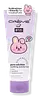
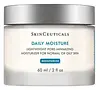
The Creme Shop BT21 BABY COOKY Pure Solution Moisturizer Klean Beauty Versus SkinCeuticals Daily Moisture
This calming moisturizer is formulated around Panthenol and Asiaticoside to calm redness and hydrate skin.
This barrier-repair moisturizer is formulated around Tocopherol and Sodium Hyaluronate to strengthen the skin barrier and hydrate skin.

What's inside
What's inside
 Key Ingredients
Benefits
Concerns
Ingredients Side-by-side
Water
Skin ConditioningButylene Glycol
Humectant

Glycerin
Humectant
Hydrogenated Poly(C6-14 Olefin)
EmollientCetyl Ethylhexanoate
EmollientCaprylic/Capric Triglyceride
Masking
Glyceryl Stearate
Emollient

Cetearyl Alcohol
Emollient



Butyrospermum Parkii Butter
Skin Conditioning
PEG-100 Stearate
Surfactant
Polysorbate 60
Emulsifying
Dipropylene Glycol
HumectantDimethicone
Emollient
Squalane
Emollient
Hydroxyacetophenone
Antioxidant
Arginine
Masking
Carbomer
Emulsion StabilisingCaprylyl Glycol
Emollient
Sorbitan Stearate
Emulsifying
Allantoin
Skin Conditioning

Ethylhexylglycerin
Skin ConditioningMacadamia Ternifolia Seed Oil
Emollient
Panthenol
Skin Conditioning
Tocopheryl Acetate
Antioxidant

Disodium EDTA
Ethoxydiglycol
HumectantDipotassium Glycyrrhizate
Humectant
1,2-Hexanediol
Skin Conditioning
Octyldodecanol
Emollient
Asiaticoside
Antioxidant
Asiatic Acid
Skin Conditioning
Glycolipids
Skin ConditioningMadecassic Acid
Skin Conditioning
Hydrogenated Lecithin
Emulsifying
C12-13 Pareth-9
EmulsifyingLavandula Angustifolia Flower Extract
Cleansing

Sodium Hyaluronate
Humectant
Mentha Rotundifolia Leaf Extract
TonicChamomilla Recutita Extract
Skin Conditioning
Melissa Officinalis Leaf Extract
Skin ConditioningRosmarinus Officinalis Leaf Extract
AntimicrobialMonarda Didyma Leaf Extract
Skin ConditioningSalvia Officinalis Leaf Extract
CleansingMentha Piperita Leaf Extract
Skin ConditioningRosa Centifolia Flower Extract
Astringent
Tocopherol
Antioxidant
Hydroxypropyltrimonium Hyaluronate
Sodium Acetylated Hyaluronate
Humectant
Hydrolyzed Hyaluronic Acid
Humectant
Hyaluronic Acid
Humectant
Sodium Hyaluronate Crosspolymer
Humectant
Hydrolyzed Sodium Hyaluronate
Skin Conditioning
Potassium Hyaluronate
Skin ConditioningParfum
Masking

Water, Butylene Glycol, Glycerin, Hydrogenated Poly(C6-14 Olefin), Cetyl Ethylhexanoate, Caprylic/Capric Triglyceride, Glyceryl Stearate, Cetearyl Alcohol, Butyrospermum Parkii Butter, PEG-100 Stearate, Polysorbate 60, Dipropylene Glycol, Dimethicone, Squalane, Hydroxyacetophenone, Arginine, Carbomer, Caprylyl Glycol, Sorbitan Stearate, Allantoin, Ethylhexylglycerin, Macadamia Ternifolia Seed Oil, Panthenol, Tocopheryl Acetate, Disodium EDTA, Ethoxydiglycol, Dipotassium Glycyrrhizate, 1,2-Hexanediol, Octyldodecanol, Asiaticoside, Asiatic Acid, Glycolipids, Madecassic Acid, Hydrogenated Lecithin, C12-13 Pareth-9, Lavandula Angustifolia Flower Extract, Sodium Hyaluronate, Mentha Rotundifolia Leaf Extract, Chamomilla Recutita Extract, Melissa Officinalis Leaf Extract, Rosmarinus Officinalis Leaf Extract, Monarda Didyma Leaf Extract, Salvia Officinalis Leaf Extract, Mentha Piperita Leaf Extract, Rosa Centifolia Flower Extract, Tocopherol, Hydroxypropyltrimonium Hyaluronate, Sodium Acetylated Hyaluronate, Hydrolyzed Hyaluronic Acid, Hyaluronic Acid, Sodium Hyaluronate Crosspolymer, Hydrolyzed Sodium Hyaluronate, Potassium Hyaluronate, Parfum
Water
Skin ConditioningGlycerin
Humectant
Cetyl Palmitate
Emollient
Stearic Acid
Cleansing
Butylene Glycol
Humectant
Palmitic Acid
Emollient
Tocopherol
Antioxidant
Dimethicone
Emollient
Polymethylsilsesquioxane
Glyceryl Stearate
Emollient
Sorbitol
Humectant
CI 77163
Cosmetic Colorant
Phenoxyethanol
Preservative
PEG-100 Stearate
Surfactant
Sodium Hyaluronate
Humectant
Hamamelis Virginiana Water
Astringent
PEG-75 Stearate
Surfactant
Cetyl Alcohol
Emollient
Carbomer
Emulsion StabilisingEthylhexyl Hydroxystearate
Emollient
Allantoin
Skin Conditioning
Panthenol
Skin Conditioning
Ceteth-20
CleansingTriethanolamine
BufferingCaprylyl Glycol
Emollient
Xanthan Gum
EmulsifyingPropylene Glycol
Humectant
Steareth-20
CleansingDisodium EDTA
Myristic Acid
Cleansing
Betaine
Humectant
Chlorella Vulgaris Extract
Skin ConditioningLaminaria Saccharina Extract
Skin ProtectingGlucose
Humectant
Chamomilla Recutita Flower Extract
Masking
Chamomilla Recutita Extract
Skin Conditioning
Zingiber Officinale Root Extract
Masking
Sanguisorba Officinalis Root Extract
CleansingCinnamomum Cassia Bark Extract
Masking
Thymus Vulgaris Flower/Leaf Extract
MaskingRetinyl Palmitate
Skin Conditioning
Helianthus Annuus Seed Oil
Emollient
Sodium Benzoate
Masking
Zinc Sulfate
Antimicrobial
Laminaria Ochroleuca Extract
Skin Conditioning
Glycyrrhiza Glabra Root Extract
Bleaching
Urtica Dioica Extract
AstringentEquisetum Arvense Extract
AstringentBetula Alba Leaf Extract
AstringentCitric Acid
Buffering
Potassium Sorbate
Preservative
Cinnamal
Perfuming
Pyridoxine Hcl
Skin ConditioningWater, Glycerin, Cetyl Palmitate, Stearic Acid, Butylene Glycol, Palmitic Acid, Tocopherol, Dimethicone, Polymethylsilsesquioxane, Glyceryl Stearate, Sorbitol, CI 77163, Phenoxyethanol, PEG-100 Stearate, Sodium Hyaluronate, Hamamelis Virginiana Water, PEG-75 Stearate, Cetyl Alcohol, Carbomer, Ethylhexyl Hydroxystearate, Allantoin, Panthenol, Ceteth-20, Triethanolamine, Caprylyl Glycol, Xanthan Gum, Propylene Glycol, Steareth-20, Disodium EDTA, Myristic Acid, Betaine, Chlorella Vulgaris Extract, Laminaria Saccharina Extract, Glucose, Chamomilla Recutita Flower Extract, Chamomilla Recutita Extract, Zingiber Officinale Root Extract, Sanguisorba Officinalis Root Extract, Cinnamomum Cassia Bark Extract, Thymus Vulgaris Flower/Leaf Extract, Retinyl Palmitate, Helianthus Annuus Seed Oil, Sodium Benzoate, Zinc Sulfate, Laminaria Ochroleuca Extract, Glycyrrhiza Glabra Root Extract, Urtica Dioica Extract, Equisetum Arvense Extract, Betula Alba Leaf Extract, Citric Acid, Potassium Sorbate, Cinnamal, Pyridoxine Hcl
Ingredients Explained
These ingredients are found in both products.
Ingredients higher up in an ingredient list are typically present in a larger amount.
Allantoin is a soothing ingredient known for its protective and moisturizing properties; it's basically a quiet workhorse ingredient you can find in a huge range of cosmetics.
Though it can be derived from the comfrey plant, allantoin is produced synthetically for cosmetic products to ensure purity.
Research shows it can encourage your skin cells to turn over and renew by stimulating keratinocyte and fibroblast proliferation.
It also has mild keratolytic properties to help loosen and shed dead skin cells without being harsh.
Studies also suggest allantoin can help calm inflammation by dialing down some of the chemical signals your skin sends out when it is irritated.
This ingredient is typically used in the 0.1-0.5% range, and the FDA recognizes it as a skin protectant in OTC products up to 2%.
Overall, allantoin is a wonderful addition to most routines; it is stable across a wide pH range (~4-8), works well with other ingredients, and is considered non-sensitizing/non-irritating.
Fun fact: Allantoin is naturally occurring in comfrey root, beets, chamomile, and wheat sprouts. Our bodies even produce it as a byproduct of uric acid metabolism.
Learn more about AllantoinButylene Glycol (or BG) is used within cosmetic products for a few different reasons:
Overall, Butylene Glycol is a safe and well-rounded ingredient that works well with other ingredients.
Though this ingredient works well with most skin types, some people with sensitive skin may experience a reaction such as allergic rashes, closed comedones, or itchiness.
Learn more about Butylene GlycolCaprylyl Glycol is a humectant, skin conditioner, emollient, and preservative booster derived from either caprylic acid or synthetically created.
Typical use levels vary from 0.3-1% as a preservative booster and go up to 2% to condition skin.
Because it is not a free-fatty acid, this ingredient is fungal acne safe (there's nothing for Malassezia to feed on).
Learn more about Caprylyl GlycolCarbomer is a synthetic thickening and gelling agent. It's basically the ingredient that gives a lot of serums, gels, creams, and sunscreens their smooth, non-sticky texture.
Although legally permitted at very high levels, carbomers are normally used at concentrations below 1%.
It also needs to be neutralized to actually thicken, and because it is a large molecule, it doesn't really penetrate the skin barrier.
Allergy-wise, the risk is very low. Clinical studies show carbomers have low potential for skin irritation/sensitization even at concentrations up to 100%.
A 2024 UK study patch-tested 1,302 patients and found true allergy to the parent group of carbomer to be rare with no confirmed relevant reactions.
Learn more about CarbomerThis ingredient comes from the Chamomile flower.
Chamomile is rich in antioxidants and has anti-inflammatory properties. Several compounds found in chamomile help with soothing, such as bisbolol.
Antioxidant components in chamomile help fight free-radical molecules. These unstable molecules may damage your skin cells. By stabilizing them, antioxidants may help reduce the signs of aging.
Ancient Greeks, Romans, and Egyptians used Chamomile to treat skin redness and dryness. Chamomile has also been used to help with stomach issues.
Learn more about Chamomilla Recutita ExtractDimethicone is a type of synthetic silicone created from natural materials such as quartz. It is also known as polydimethylsiloxane.
What it does:
Dimethicone comes in different viscosities:
Depending on the viscosity, dimethicone has different properties.
Ingredients lists don't always show which type is used, so we recommend reaching out to the brand if you have questions about the viscosity.
This ingredient is unlikely to cause irritation because it does not get absorbed into skin. However, people with silicone allergies should be careful about using this ingredient.
Note: Dimethicone may contribute to pilling. This is because it is not oil or water soluble, so pilling may occur when layered with products. When mixed with heavy oils in a formula, the outcome is also quite greasy.
Learn more about DimethiconeDisodium EDTA is a chelating agent. It grabs onto and deactivates metal ions that sneak into your products from water, packaging, or air.
This ingredient mainly works behind the scenes and helps with:
On top of that, this ingredient can counteract the effects of hard water by binding to the minerals in it.
One thing worth knowing is that Disodium EDTA has been shown to be a mild penetration enhancer. It can help other ingredients absorb into skin more effectively which can be a double-edged sword (great for actives, but can also make the active too strong if you have sensitive skin).
Clinical patch testing showed no significant skin irritation at typical use concentrations and minimal dermal absorption.
You'll most likely see this ingredient near the end of an ingredient list. It's typically found in concentrations less than 1%.
Learn more about Disodium EDTAGlycerin (or glycerol) is a compound naturally found in your skin. It's a powerhouse humectant that pulls water into the stratum corneum.
Topically, glycerin does several things at once:
Your skin makes glycerin on its own (mostly from sebaceous oil breakdown) and shuttles it to your outermost layer of skin, or your epidermis, via aquaporin-3.
Aquaporin-3 is a transporter that is essential for normal skin hydration, elasticity, and repair. Interestingly, mice lacking in AQP3 have dry and less elastic skin that can be fully corrected with glycerin.
This ingredient is non-irritating, plays well with almost every ingredient, and works across all skin types. Typical use is anywhere between 3-10% but can go up to 79% in some leave-on products.
Just know very high concentrations (>40%) can feel tacky in low humidity.
Glycerin is the name for this ingredient in American English. British English uses Glycerol/Glycerine.
Learn more about GlycerinGlyceryl Stearate is made by reacting glycerin with stearic acid (typically sourced from plant oils like palm or coconut). It's an emulsifier, emollient, and mild occlusive.
Emulsifiers help ingredients like oil and water stay mixed so your formula stays nicely blended and uniform in texture.
This ingredient is typically used in concentrations between 1-10%. Studies have found it to be non-sensitizing, non-phototoxic, and non-photoallergenic.
A close cousin of this ingredient is Glyceryl Stearate SE ("self-emulsifying"). This just has a small amount of sodium or potassium stearate added so it can emulsify without a co-emulsifier.
Since this ingredient is an ester of a C18 fatty acid, it may not be fungal acne safe. The Malassezia yeast can potentially metabolize within the C11-C24 range.
Fun fact: The human body also creates Glyceryl Stearate naturally.
Learn more about Glyceryl StearatePanthenol is a common ingredient that helps hydrate and soothe the skin. It is found naturally in our skin and hair.
There are two forms of panthenol: D and L.
D-panthenol is also known as dexpanthenol. Most cosmetics use dexpanthenol or a mixture of D and L-panthenol.
Panthenol is famous due to its ability to go deeper into the skin's layers. Using this ingredient has numerous pros (and no cons):
Like hyaluronic acid, panthenol is a humectant. Humectants are able to bind and hold large amounts of water to keep skin hydrated.
This ingredient works well for wound healing. It works by increasing tissue in the wound and helps close open wounds.
Once oxidized, panthenol converts to pantothenic acid. Panthothenic acid is found in all living cells.
This ingredient is also referred to as pro-vitamin B5.
Learn more about PanthenolPeg-100 Stearate is an emollient and emulsifier. As an emollient, it helps keep skin soft by trapping moisture in. On the other hand, emulsifiers help prevent oil and water from separating in a product.
PEGS are a hydrophilic polyether compound . There are 100 ethylene oxide monomers in Peg-100 Stearate. Peg-100 Stearate is polyethylene glycol ester of stearic acid.
Sodium Hyaluronate is the salt form of hyaluronic acid. It is a long sugar chain that is naturally found in your skin, joints, and connective tissue that maintains hydration and elasticity.
In skincare, it works as a humectant. It pulls water from the environment and deeper layers of skin and binds it to the surface.
Interestingly, the size of the molecule affects its behavior:
Some clinical evidence links low molecular weight versions to improved wrinkle depth, elasticity, anti-inflammatory effects, and barrier repair.
Many serums use a blend of both weights so you can get surface hydration plus longer-lasting and deeper effects.
You'll typically see concentrations between 0.1-2% for this ingredient.
Learn more about Sodium HyaluronateTocopherol is a fat-soluble antioxidant known as Vitamin E.
You'll find this ingredient in the vast majority of skincare (for good reason). It works to neutralize free radicals, or unstable molecules generated by UV exposure, pollution, and other environmental stressors, before they can cause oxidative damage to your skin cells.
Topically applied tocopherol has been shown to protect against UV damage by ramping up the skin's own natural defense enzymes.
It also acts as a skin conditioning agent; some studies show that regular topical use can improve the skin's water-binding capacity over 2-4 weeks.
This ingredient is especially loved for being a team player. When combined with Vitamin C, the photoprotective effect of both ingredients roughly doubles and the combo also helps reduce UV-induced DNA damage.
This ingredient has some brightening potential but it's more of a prevention ingredient than spot-fader. Cell studies show it can slow down melanin production but it's worth noting that it's not the most powerful brightener out there.
In formulations, it also serves as a stabilizer that helps protect other oxidation-prone ingredients from degrading.
Concentrations usually range from 0.1-1% in most leave-on products.
Learn more about TocopherolWater. It's the most common cosmetic ingredient of all. You'll usually see it at the top of ingredient lists, meaning that it makes up the largest part of the product.
So why is it so popular? Water most often acts as a solvent - this means that it helps dissolve other ingredients into the formulation.
You'll also recognize water as that liquid we all need to stay alive. If you see this, drink a glass of water. Remember to stay hydrated!
Learn more about Water

