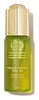
This hydrating oil is formulated around Rosa Rubiginosa Seed Oil and Simmondsia Chinensis Seed Oil to hydrate skin.
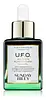
This acne oil is formulated around Glycyrrhiza Glabra Root Extract and 4-Terpineol to clear breakouts and fade the look of dark spots.

What's inside
What's inside
 Key Ingredients
Benefits
Concerns
Ingredients Side-by-side
Rosa Rubiginosa Seed Oil
Emollient




Simmondsia Chinensis Seed Oil
Emollient
Ethyl Palmate
EmollientOrbignya Oleifera Seed Oil
Emollient
Rosa Canina Seed Extract
EmollientSalvia Hispanica Seed Oil
Emollient
Olea Europaea Fruit Oil
Masking


Daucus Carota Sativa Seed Oil
Emollient

Hippophae Rhamnoides Seed Oil
Skin Protecting
Oenothera Biennis Oil
Emollient
Prunus Armeniaca Kernel Oil
Masking
Prunus Domestica Seed Oil
Skin Conditioning
Linoleic Acid
Cleansing
Polycitronellol Acetate
Mauritia Flexuosa Fruit Oil
Skin Conditioning
Sambucus Nigra Fruit Extract
AstringentCamellia Japonica Seed Oil
Emollient
Camellia Oleifera Seed Oil
Skin Conditioning
Camellia Sinensis Seed Oil
Humectant
Isosorbide Dicaprylate
Skin ConditioningUndecane
EmollientCitrus Aurantium Peel Oil

Glyceryl Ricinoleate
Emollient
Crithmum Maritimum Extract
Skin ConditioningBidens Pilosa Extract
HumectantBisabolol
Antioxidant
Gossypium Herbaceum Seed Oil
Skin Conditioning
Linum Usitatissimum Seed Oil
Perfuming
Olea Europaea Leaf Extract
Perfuming
Tilia Europaea Flower/Leaf Extract
Skin ConditioningArnica Montana Extract
Skin ConditioningBorago Officinalis Leaf Extract
Skin ConditioningCalendula Officinalis Flower Extract
Masking
Medicago Sativa Extract
TonicSpiraea Ulmaria Extract
AstringentRosmarinus Officinalis Leaf Extract
AntimicrobialCaprylic/Capric Triglyceride
Masking
Helianthus Annuus Seed Oil
Emollient
Linolenic Acid
Cleansing
Dimethyl Isosorbide
SolventTridecane
Perfuming
Boswellia Carterii Oil
Masking
Lavandula Angustifolia Oil
Masking

Pelargonium Graveolens Oil
Masking
Anthemis Nobilis Flower Oil
Masking
Cananga Odorata Flower Oil
Masking
Hyacinthus Orientalis Flower Extract
Perfuming
Rosa Damascena Flower Oil
Masking
Phenethyl Alcohol
MaskingElaeis Guineensis Oil
Emollient
Tocopherol
Antioxidant


Linalool
Perfuming
Limonene
Perfuming
Geraniol
Perfuming
Citronellol
Perfuming
Citral
Perfuming
Benzyl Alcohol
Perfuming

Benzyl Benzoate
Antimicrobial
Farnesol
Perfuming
Cinnamyl Alcohol
Perfuming
Benzyl Salicylate
Perfuming
Benzyl Cinnamate
Perfuming
Coumarin
Perfuming
Eugenol
Perfuming
Isoeugenol
Perfuming
Rosa Rubiginosa Seed Oil, Simmondsia Chinensis Seed Oil, Ethyl Palmate, Orbignya Oleifera Seed Oil, Rosa Canina Seed Extract, Salvia Hispanica Seed Oil, Olea Europaea Fruit Oil, Daucus Carota Sativa Seed Oil, Hippophae Rhamnoides Seed Oil, Oenothera Biennis Oil, Prunus Armeniaca Kernel Oil, Prunus Domestica Seed Oil, Linoleic Acid, Polycitronellol Acetate, Mauritia Flexuosa Fruit Oil, Sambucus Nigra Fruit Extract, Camellia Japonica Seed Oil, Camellia Oleifera Seed Oil, Camellia Sinensis Seed Oil, Isosorbide Dicaprylate, Undecane, Citrus Aurantium Peel Oil, Glyceryl Ricinoleate, Crithmum Maritimum Extract, Bidens Pilosa Extract, Bisabolol, Gossypium Herbaceum Seed Oil, Linum Usitatissimum Seed Oil, Olea Europaea Leaf Extract, Tilia Europaea Flower/Leaf Extract, Arnica Montana Extract, Borago Officinalis Leaf Extract, Calendula Officinalis Flower Extract, Medicago Sativa Extract, Spiraea Ulmaria Extract, Rosmarinus Officinalis Leaf Extract, Caprylic/Capric Triglyceride, Helianthus Annuus Seed Oil, Linolenic Acid, Dimethyl Isosorbide, Tridecane, Boswellia Carterii Oil, Lavandula Angustifolia Oil, Pelargonium Graveolens Oil, Anthemis Nobilis Flower Oil, Cananga Odorata Flower Oil, Hyacinthus Orientalis Flower Extract, Rosa Damascena Flower Oil, Phenethyl Alcohol, Elaeis Guineensis Oil, Tocopherol, Linalool, Limonene, Geraniol, Citronellol, Citral, Benzyl Alcohol, Benzyl Benzoate, Farnesol, Cinnamyl Alcohol, Benzyl Salicylate, Benzyl Cinnamate, Coumarin, Eugenol, Isoeugenol
Silybum Marianum Seed Oil
Skin Conditioning
Nigella Sativa Seed Oil
Emollient
Cucumis Sativus Seed Oil
Emollient
Punica Granatum Seed Oil
Emollient
Diisopropyl Sebacate
EmollientVaccinium Macrocarpon Seed Oil
Skin Conditioning
Dimethyl Isosorbide
SolventLinum Usitatissimum Seed Oil
Perfuming
Caprylic/Capric Triglyceride
Masking
Glycyrrhiza Glabra Root Extract
Bleaching
Prunus Armeniaca Kernel Oil
Masking
Hexylresorcinol
Antimicrobial
Ethyl Linoleate
Emollient
Melia Azadirachta Leaf Extract
Skin ConditioningChamomilla Recutita Flower Oil
Masking
Citrus Aurantium Amara Flower Oil
Masking
Melia Azadirachta Flower Extract
Skin ConditioningHelianthus Annuus Seed Oil
Emollient
4-Terpineol
Masking
Simmondsia Chinensis Seed Oil
Emollient
Coccinia Indica Fruit Extract
Skin Conditioning
Solanum Melongena Fruit Extract
Skin ConditioningAmber Powder
Curcuma Longa Root Extract
Antioxidant
Curcuma Longa Leaf Extract
Skin ConditioningOcimum Sanctum Leaf Extract
Skin ConditioningAloe Barbadensis Flower Extract
EmollientCorallina Officinalis Extract
Skin Conditioning
Rosmarinus Officinalis Leaf Extract
AntimicrobialMoringa Oleifera Seed Oil
Emollient
Tocopherol
Antioxidant
Citrus Paradisi Peel Oil
Masking
Ocimum Basilicum Flower/Leaf Extract
TonicSilybum Marianum Seed Oil, Nigella Sativa Seed Oil, Cucumis Sativus Seed Oil, Punica Granatum Seed Oil, Diisopropyl Sebacate, Vaccinium Macrocarpon Seed Oil, Dimethyl Isosorbide, Linum Usitatissimum Seed Oil, Caprylic/Capric Triglyceride, Glycyrrhiza Glabra Root Extract, Prunus Armeniaca Kernel Oil, Hexylresorcinol, Ethyl Linoleate, Melia Azadirachta Leaf Extract, Chamomilla Recutita Flower Oil, Citrus Aurantium Amara Flower Oil, Melia Azadirachta Flower Extract, Helianthus Annuus Seed Oil, 4-Terpineol, Simmondsia Chinensis Seed Oil, Coccinia Indica Fruit Extract, Solanum Melongena Fruit Extract, Amber Powder, Curcuma Longa Root Extract, Curcuma Longa Leaf Extract, Ocimum Sanctum Leaf Extract, Aloe Barbadensis Flower Extract, Corallina Officinalis Extract, Rosmarinus Officinalis Leaf Extract, Moringa Oleifera Seed Oil, Tocopherol, Citrus Paradisi Peel Oil, Ocimum Basilicum Flower/Leaf Extract
Ingredients Explained
These ingredients are found in both products.
Ingredients higher up in an ingredient list are typically present in a larger amount.
Caprylic/Capric Triglyceride (aka MCT Oil) is a lightweight emollient, solvent, and texture enhancer. It is considered a skin-softener by helping to prevent moisture loss.
Though it behaves like an oil, it is not technically one due to its chemical composition. One perk of this ingredient is that it is very stable, resistant to oxidation, and unlikely to go rancid.
In practice, that translates to a long shelf life and a consistently elegant skin feel.
While there is an assumption Caprylic Triglyceride can clog pores due to it being derived from coconut oil, there is no research supporting this. Just patch test if you have concerns.
Fractionated coconut oil and MCT Oil are both listed as Caprylic/Capric Triglyceride according to INCI. This is because INCI names are based on the ingredient’s final chemical composition and not its marketing name or source.
This ingredient is treated as the gold standard fungal acne safe oil. Even though it is coconut derived, the problematic lauric acid is stripped out.
This leaves just caprylic (C8) and capric (C10) acid. These chain lengths actually trend antifungal; a 2020 study found caprylic acid was enough to disrupt Malassezia furfur cell membrane, with a caprylic acid derivative damaging membrane structures at concentrations as low as 0.2%.
Learn more about Caprylic/Capric TriglycerideDimethyl Isosorbide (often shortened to DMI) is a sugar-derived solvent made from sorbitol. It's used to dissolve tricky ingredients and help them mix smoothly into a formula.
Many actives sit as gritty crystals when undissolved, so DMI swoops in to full dissolve them. This helps improve texture, stability, and how evenly an active is distributed.
It does have a penetration-enhancing reputation that is a bit more nuanced than marketing suggests; a cell study on human skin found that 10% DMI didn't significantly boost the permeation of Hydroquinone, Salicylic Acid, or Octadecenedioic Acid compared to controls (though it did improve their solubility in the formula itself).
Typical usage concentrations usually range from 1-10% depending on the formula's needs; this ingredient is also well tolerated at these levels.
Learn more about Dimethyl IsosorbideHelianthus Annuus Seed Oil is a plant oil derived from the seeds of a sunflower.
It is rich in fatty acids, primarily linoleic acid and oleic acid. This gives it emollient and skin conditioning properties.
The reason this ingredient is so effective is because it forms a thin film on the skin that reduces transepidermal water loss (TEWL) while supplying linoleic acid to the stratum corneum to improve barrier strength.
The high linoleic acid content is particularly noteworthy for acne-prone skin.
Research suggests that acne-prone skin tends to be deficient in linoleic acid in sebum. Topical application may help replenish this to support a healthier follicular environment and less comedone-promoting sebum.
One randomized study found sunflower seed oil preserved skin barrier integrity in adult volunteers with and without atopic dermatitis (outperforming olive oil).
This ingredient is well-studied, gentle, and an effective emollient suitable for most skin types.
On fungal acne: This ingredient may not be Fungal acne (Malassezia folliculitis) safe. This is because it contains fatty acids with carbon chain lengths in the C11-C24 range.
Learn more about Helianthus Annuus Seed OilThis ingredient is also known as flaxseed oil or linseed oil. It is created by cold-pressing the seeds of the flax plant and is rich in fatty acids.
This oil is packed with omega-3 (ALA), omega-6, and omega-9 fatty acids that closely mimic the skin's own natural lipid barrier. The high omega-3 content gives it solid anti-inflammatory properties.
Clinical studies have found it can reduce water loss and improve smoothness/hydration, particularly in sensitive skin types. Studies also suggest it helps maintain the lipid layer that is compromised in atopic (eczema-prone) skin.
Wound healing studies showed that low-concentration linseed oil formulations (1-5%) produced significant barrier repair, but it should be noted that high concentrations showed diminishing returns.
This ingredient shows up on a lot of "pore-clogging" lists but there's no real evidence behind that. It doesn't even have a comedogenic rating from an actual study; the numbers you'll find online come from blogs citing other blogs.
Ratings for other ingredients mostly come from a 1980s rabbit ear test. This test doesn't translate well to human skin or to real products because the ingredient sits at a much lower percentage.
Some people still find it breaks them out. So if that's you, definitely trust your skin.
The Malassezia yeast feeds on fatty acids in the C11-24 range, and this ingredient is basically all C16-18 fatty acids. Therefore, this ingredient may not be fungal acne safe.
Learn more about Linum Usitatissimum Seed OilThis ingredient is also known as Apricot kernel oil, and it comes form the seed kernels of apricot (a member of the Rosaceae family like almond, peach, cherry, and plum).
It's mostly made up of triglycerides: oleic acid (43.9-78.5%), linoleic acid (9.7-37%), and palmitic acid (4.9-7.3%). These numbers vary depending on the variety of Prunus and the ripeness of the fruit; oleic tends to go up at late harvest while linoleic goes down.
Vitamin E is also prevalent in this ingredient and the most dominant form is gamma-tocopherol.
These compounds give the ingredient emollient and skin conditioning properties that keep the skin soft and hydrated.
There's no regulatory maximum cap for this ingredient so you'll see it across a huge concentration range (100% as a single ingredient facial oil).
On allergies: refined cosmetic-grade oils carry almost no protein. The CIR notes that people allergic to a food generally do not react to the refined oil because the allergenic protein does not partition into it (though cold-pressed grades retain more).
However, it's worth patch testing if you have a stone fruit or tree nut allergy because manufacturer processes for removing the protein can vary.
Malassezia lacks the cytosolic fatty acid synthase gene so the yeast cannot make palmitate on its own and instead uses lipases and phospholipases to release fatty acids from host lipids. Since apricot kernel oil is entirely C16-18 (right in the usable range of C11-24), this ingredient may not be fungal acne safe.
Old rabbit-ear testing did assign this ingredient a comedogenic rating of 1-2. The original author has stated that testing on rabbit ears is not an ideal model for human comedogenicity.
Human testing has proved that any finished product with a comedogenic ingredient won't automatically make you break out; it really comes down to concentration, formula, and your skin.
Just know high-oleic oils tend to feel heavier on oily skin so it's worth patch testing.
Learn more about Prunus Armeniaca Kernel OilThis is a botanical extract from the rosemary plant (the same one you cook with). In skincare, it mostly works as a skin conditioning agent.
Its activity comes from a handful of polyphenols, carnosic acid, carnosol, and rosmarinic acid. Almost 90% of the antioxidant activity of this ingredient can be attributed to canosol and carnosic acid.
These compounds protect your skin two ways:
1) They fight off free radicals, or the unstable molecules from things like sun and pollution that age and damage skin.
2) They help calm inflammation by switching off the chemical signals that tell skin to get red and irritated.
Lab studies also suggest that rosmarinic acid may help protect collagen and slow sugar-related damage to it.
The Cosmetic Ingredient Review has concluded rosemary-derived ingredients to be safe when formulated to be non-sensitizing.
Rosemary can occasionally cause allergic contact dermatitis (due to carnosol), so be sure to patch test if you have reactive or fragrance-sensitive skin.
Learn more about Rosmarinus Officinalis Leaf ExtractJojoba oil is one of the most well-studied plant-derived ingredients in cosmetics. It is an emollient with a special structure.
Because it is made up of 97-98% wax esters, it closely mirrors the linear monoesters found in human sebum. This makes it skin compatible, non-greasy, and lightweight.
Unlike other plant oils, jojoba wax doesn't easily penetrate skin. It mostly works in the uppermost layers as an emollient. This just means it forms a light barrier on the skin to help retain moisture.
Formulations with jojoba esters up to 90% reduced transepidermal water loss (TEWL) and increased barrier recovery by 81% (outperforming bisabolol at 47%).
Besides barrier support, the science also suggests jojoba to have anti-inflammatory effects and potential applications for skin infections, aging, and wound healing.
Fun fact: Indigenous cultures have used jojoba as a moisturizer and to help treat burns for centuries.
Fungal acne: The Malassezia yeast is known to metabolize fatty acids in the C11-24 range and jojoba's dominant fatty acid components fall into this range. This ingredient may not be fungal acne safe.
Learn more about Simmondsia Chinensis Seed OilTocopherol is a fat-soluble antioxidant known as Vitamin E.
You'll find this ingredient in the vast majority of skincare (for good reason). It works to neutralize free radicals, or unstable molecules generated by UV exposure, pollution, and other environmental stressors, before they can cause oxidative damage to your skin cells.
Topically applied tocopherol has been shown to protect against UV damage by ramping up the skin's own natural defense enzymes.
It also acts as a skin conditioning agent; some studies show that regular topical use can improve the skin's water-binding capacity over 2-4 weeks.
This ingredient is especially loved for being a team player. When combined with Vitamin C, the photoprotective effect of both ingredients roughly doubles and the combo also helps reduce UV-induced DNA damage.
This ingredient has some brightening potential but it's more of a prevention ingredient than spot-fader. Cell studies show it can slow down melanin production but it's worth noting that it's not the most powerful brightener out there.
In formulations, it also serves as a stabilizer that helps protect other oxidation-prone ingredients from degrading.
Concentrations usually range from 0.1-1% in most leave-on products.
Learn more about Tocopherol

