SUPEREGG Phyto Bounce Eye Contour Solution Versus Tree to Tub Ginseng Green Tea Anti-Aging Retinol Eye Cream
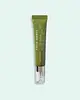
This anti-aging eye moisturizer is formulated around Niacinamide and Tremella Fuciformis Extract to soften the look of wrinkles and hydrate skin.
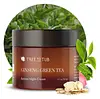
This anti-aging eye moisturizer is formulated around Retinol and Panax Ginseng Root Extract to soften the look of wrinkles and refine skin texture.

What's inside
What's inside
 Key Ingredients
Benefits
Concerns
Ingredients Side-by-side
Water
Skin ConditioningGlycerin
Humectant


Butylene Glycol
Humectant
Niacinamide
Smoothing









Methylpropanediol
SolventPentylene Glycol
Skin Conditioning
Sorbitol
Humectant
1,2-Hexanediol
Skin Conditioning
Tremella Fuciformis Extract
Humectant
Chlorella Vulgaris Extract
Skin ConditioningDipeptide Diaminobutyroyl Benzylamide Diacetate
Skin Conditioning
Copper Tripeptide-1
Skin Conditioning
Acetyl Hexapeptide-8
Humectant
Palmitoyl Hexapeptide-12
Skin Conditioning
Palmitoyl Tripeptide-1
Skin Conditioning
Palmitoyl Tetrapeptide-7
Skin Conditioning
Acmella Oleracea Extract
Skin ProtectingCaffeine
Skin Conditioning
Diglycerin
Humectant
Ascorbic Acid
Antioxidant

Ascorbyl Tetraisopalmitate
Antioxidant

Hydrolyzed Hyaluronic Acid
Humectant
Resveratrol
Antioxidant
Arbutin
Antioxidant
Bisabolol
Antioxidant
Medicago Sativa Extract
TonicPanax Ginseng Root Extract
Emollient
Theobroma Cacao Seed Extract
Antioxidant
Centella Asiatica Extract
Cleansing
Camellia Sinensis Leaf Extract
Antimicrobial
Rosa Canina Fruit Oil
Emollient
Oryza Sativa Bran Oil
Emollient
Hydrolyzed Jojoba Esters
Skin Conditioning
Adenosine
Skin Conditioning
Tocopherol
Antioxidant
Diamond Powder
Abrasive
Cynanchum Atratum Extract
Skin ConditioningAlthaea Rosea Flower Extract
Skin ConditioningBrassica Oleracea Capitata Leaf Extract
Skin ConditioningBrassica Oleracea Italica Extract
AstringentTriticum Vulgare Sprout Extract
Skin ConditioningBrassica Campestris Extract
Skin ConditioningRaphanus Sativus Seed Extract
Skin ConditioningFructooligosaccharides
Humectant
Glucose
Humectant
Fructose
Humectant
Dextrin
AbsorbentGlycine
Buffering
Serine
Masking
Glutamic Acid
Humectant
Aspartic Acid
Masking
Leucine
Skin ConditioningAlanine
Masking
Lysine
Skin ConditioningArginine
Masking
Tyrosine
MaskingPhenylalanine
Masking
Proline
Skin Conditioning
Threonine
Valine
MaskingIsoleucine
Skin ConditioningHistidine
Humectant
Cysteine
Antioxidant
Methionine
Skin ConditioningCarbomer
Emulsion StabilisingPropanediol
Solvent
Potassium Hydroxide
BufferingPolysorbate 20
Emulsifying
Acrylates/C10-30 Alkyl Acrylate Crosspolymer
Emulsion StabilisingAmmonium Acryloyldimethyltaurate/Beheneth-25 Methacrylate Crosspolymer
Emulsion StabilisingCaprylyl Glycol
Emollient
Xanthan Gum
EmulsifyingEthylhexylglycerin
Skin ConditioningWater, Glycerin, Butylene Glycol, Niacinamide, Methylpropanediol, Pentylene Glycol, Sorbitol, 1,2-Hexanediol, Tremella Fuciformis Extract, Chlorella Vulgaris Extract, Dipeptide Diaminobutyroyl Benzylamide Diacetate, Copper Tripeptide-1, Acetyl Hexapeptide-8, Palmitoyl Hexapeptide-12, Palmitoyl Tripeptide-1, Palmitoyl Tetrapeptide-7, Acmella Oleracea Extract, Caffeine, Diglycerin, Ascorbic Acid, Ascorbyl Tetraisopalmitate, Hydrolyzed Hyaluronic Acid, Resveratrol, Arbutin, Bisabolol, Medicago Sativa Extract, Panax Ginseng Root Extract, Theobroma Cacao Seed Extract, Centella Asiatica Extract, Camellia Sinensis Leaf Extract, Rosa Canina Fruit Oil, Oryza Sativa Bran Oil, Hydrolyzed Jojoba Esters, Adenosine, Tocopherol, Diamond Powder, Cynanchum Atratum Extract, Althaea Rosea Flower Extract, Brassica Oleracea Capitata Leaf Extract, Brassica Oleracea Italica Extract, Triticum Vulgare Sprout Extract, Brassica Campestris Extract, Raphanus Sativus Seed Extract, Fructooligosaccharides, Glucose, Fructose, Dextrin, Glycine, Serine, Glutamic Acid, Aspartic Acid, Leucine, Alanine, Lysine, Arginine, Tyrosine, Phenylalanine, Proline, Threonine, Valine, Isoleucine, Histidine, Cysteine, Methionine, Carbomer, Propanediol, Potassium Hydroxide, Polysorbate 20, Acrylates/C10-30 Alkyl Acrylate Crosspolymer, Ammonium Acryloyldimethyltaurate/Beheneth-25 Methacrylate Crosspolymer, Caprylyl Glycol, Xanthan Gum, Ethylhexylglycerin
Water
Skin ConditioningGlycerin
Humectant
Caprylic/Capric Triglyceride
Masking
Coco-Caprylate/Caprate
Emollient
Cetearyl Olivate
Simmondsia Chinensis Seed Oil
Emollient
Sorbitan Olivate
Emulsifying
1,2-Hexanediol
Skin Conditioning
Betaine
Humectant
Panthenol
Skin Conditioning
Retinol
Skin Conditioning

Sodium Acrylates Copolymer
Lecithin
Emollient
Copernicia Cerifera Wax
Propanediol
Solvent
Disodium Cocoamphodiacetate
CleansingHelianthus Annuus Seed Oil
Emollient
Caprylyl Glycol
Emollient
Panax Ginseng Root Extract
Emollient
Camellia Sinensis Leaf Extract
Antimicrobial
Sodium Hyaluronate
Humectant
Tocopheryl Acetate
Antioxidant
Hydroxyacetophenone
Antioxidant
Rosa Damascena Flower Water
Masking
Xanthan Gum
EmulsifyingPalmitoyl Hexapeptide-12
Skin Conditioning
Palmitoyl Tetrapeptide-7
Skin Conditioning
Caprylhydroxamic Acid
Cucumis Sativus Fruit Extract
Emollient
Propylene Glycol
Humectant
Aloe Barbadensis Leaf Juice
Skin Conditioning
Water, Glycerin, Caprylic/Capric Triglyceride, Coco-Caprylate/Caprate, Cetearyl Olivate, Simmondsia Chinensis Seed Oil, Sorbitan Olivate, 1,2-Hexanediol, Betaine, Panthenol, Retinol, Sodium Acrylates Copolymer, Lecithin, Copernicia Cerifera Wax, Propanediol, Disodium Cocoamphodiacetate, Helianthus Annuus Seed Oil, Caprylyl Glycol, Panax Ginseng Root Extract, Camellia Sinensis Leaf Extract, Sodium Hyaluronate, Tocopheryl Acetate, Hydroxyacetophenone, Rosa Damascena Flower Water, Xanthan Gum, Palmitoyl Hexapeptide-12, Palmitoyl Tetrapeptide-7, Caprylhydroxamic Acid, Cucumis Sativus Fruit Extract, Propylene Glycol, Aloe Barbadensis Leaf Juice
Ingredients Explained
These ingredients are found in both products.
Ingredients higher up in an ingredient list are typically present in a larger amount.
1,2-Hexanediol is a synthetic liquid and another multi-functional powerhouse.
It is a:
- Humectant, drawing moisture into the skin
- Emollient, helping to soften skin
- Solvent, dispersing and stabilizing formulas
- Preservative booster, enhancing the antimicrobial activity of other preservatives
Camellia Sinensis Leaf Extract (tea extract) is one of the most well-researched plant extracts in skincare with an impressive resume.
Black tea, green tea, and oolong tea are all harvested from the Camellia Sinensis plant.
Studies show green tea extract and its catechins (like epigallocatechin gallate (EGCG)) help your skin cells product energy more efficiently and reducing the number of free-radicals that can damage your skin from the inside.
In lab-grown skin models, this translated to younger, healthier, and stronger skin.
There's also good sun protection data; researchers saw less DNA damage and redness on human skin when green tea was applied before UVB exposure. And the more they applied, the better the protection.
Needless to say, this ingredient shouldn't replace your sunscreen. But it is a great supportive ingredient that you can already find in many sunscreens and antioxidant serums.
A 2009 study found a 2% green tea lotion was effective for mild-to-moderate acne thanks to its anti-inflammatory and mild antimicrobial activity.
The quality of the extract matters a lot here:
Good extracts contain 50-90% catechins while lower quality ones are mostly there for marketing. We recommend reaching out to the brand if you have questions about the quality or source of their ingredients.
Human Repeated Insult Patch Testing showed no irritation or sensitization at use concentrations (0.86% in leave-on products and up to 30% as leaf water).
Learn more about Camellia Sinensis Leaf ExtractCaprylyl Glycol is a humectant, skin conditioner, emollient, and preservative booster derived from either caprylic acid or synthetically created.
Typical use levels vary from 0.3-1% as a preservative booster and go up to 2% to condition skin.
Because it is not a free-fatty acid, this ingredient is fungal acne safe (there's nothing for Malassezia to feed on).
Learn more about Caprylyl GlycolGlycerin (or glycerol) is a compound naturally found in your skin. It's a powerhouse humectant that pulls water into the stratum corneum.
Topically, glycerin does several things at once:
Your skin makes glycerin on its own (mostly from sebaceous oil breakdown) and shuttles it to your outermost layer of skin, or your epidermis, via aquaporin-3.
Aquaporin-3 is a transporter that is essential for normal skin hydration, elasticity, and repair. Interestingly, mice lacking in AQP3 have dry and less elastic skin that can be fully corrected with glycerin.
This ingredient is non-irritating, plays well with almost every ingredient, and works across all skin types. Typical use is anywhere between 3-10% but can go up to 79% in some leave-on products.
Just know very high concentrations (>40%) can feel tacky in low humidity.
Glycerin is the name for this ingredient in American English. British English uses Glycerol/Glycerine.
Learn more about GlycerinPalmitoyl Hexapeptide-12 is a synthetic lipopeptide. This just means it's a short chain of six amino acids with a palmitic acid molecule attached to one end.
The palmitoyl group increases the lipophilicity, helping it penetrate the lipid-rich outer layer of skin more effectively.
Once inside, it helps with keeping skin springy and firm. It works by mimicking the skin repair signals your skin naturally sends out when it's damaged and telling it to kick into rebuild mode.
Studies have shown it can help strengthen the skin barrier as well so it's useful beyond just anti-aging.
In vitro studies suggest it can switch on genes that help skin cells grow, move around, and rebuild skin structure. Just keep in mind most of the strong evidence is from lab studies rather than large-scale clinical trials.
Lab studies suggest it can switch on genes that help skin cells grow, move around, and rebuild skin structure.
This ingredient is usually used at very low concentrations (0.002% in leave-on products).
Fungal acne note:
Usually a palmitic acid component can feed Malassezia in unbound form, but here is is covalently bonded to the peptide. This means it is very difficult for Malassezia to access, and therefore very unlikely to cause fungal acne.
Palmitoyl Tetrapeptide-7 (formerly Palmitoyl Tetrapeptide-3) is a synthetic peptide. Its main job is to fight what researchers call "inflammaging".
"Inflammaging" is the slow, low-grade chronic inflammation that quietly breaks down collagen as we age.
This ingredient calms down a specific inflammation signal in your skin cells (called IL-6). When left unchecked, this signal triggers enzymes that break down collagen and elastin.
Clinical testing showed statistically significant improvements in:
Studies also found the more of this ingredient used, the more your skin produces Collagen I, fibronectin, and hyaluronic acid.
You'll likely see this ingredient paired with Palmitoyl Tripeptide-1 in the well-known Matrixyl 3000 complex for enhanced anti-aging effects.
A 3% concentration applied twice daily for two months showed meaningful skin rejuvenation results in clinical panels.
Fungal acne note:
Usually a palmitic acid component can feed Malassezia in unbound form, but here is is covalently bonded to the peptide. This means it is very difficult for Malassezia to access, and therefore very unlikely to cause fungal acne.
Ginseng root is a well-loved ingredient in Asian skincare for good reason. It hydrates the skin, soothes irritation, and helps even out skin tone.
In traditional East Asian medicine, ginseng has been used for centuries both as food and as a healing remedy, and modern research continues to confirm its skin benefits.
One of the standout features of ginseng is its ability to improve blood circulation and oxygen delivery to the skin, bringing a fresh supply of nutrients to support overall skin health. It also has antioxidant and anti-inflammatory properties. This helps to protect your skin against damage from UV exposure, pollution, and daily stress.
Additionally, studies suggest that ginseng may help reduce hyperpigmentation by inhibiting tyrosinase, the enzyme involved in melanin production.
There are different types of ginseng used in skincare, and while they all share core benefits, their potency can vary.
Most products use fresh or white ginseng because it’s more affordable. However, red ginseng, produced by steaming the root, contains higher levels of ginsenosides, which are compounds with proven anti-aging effects. These ginsenosides help reduce the appearance of wrinkles and improve skin elasticity.
Note: All forms of ginseng are listed simply as “Panax ginseng” in ingredient lists. We recommend reaching out to the brand if you have questions about which type of ginseng is used in their ingredients.
For general antioxidant benefits, any ginseng extract will do, but for wrinkle care or firmer skin, red or fermented ginseng is often more effective.
In short, ginseng is a powerhouse ingredient that supports hydration, radiance, and resilience.
Learn more about Panax Ginseng Root ExtractPropanediol is an all-star ingredient. It softens, hydrates, and smooths the skin.
It’s often used to:
Propanediol is not likely to cause sensitivity and considered safe to use. It is derived from corn or petroleum with a clear color and no scent.
Learn more about PropanediolWater. It's the most common cosmetic ingredient of all. You'll usually see it at the top of ingredient lists, meaning that it makes up the largest part of the product.
So why is it so popular? Water most often acts as a solvent - this means that it helps dissolve other ingredients into the formulation.
You'll also recognize water as that liquid we all need to stay alive. If you see this, drink a glass of water. Remember to stay hydrated!
Learn more about WaterXanthan gum is used as a stabilizer and thickener within cosmetic products. It helps give products a sticky, thick feeling - preventing them from being too runny.
On the technical side of things, xanthan gum is a polysaccharide - a combination consisting of multiple sugar molecules bonded together.
Xanthan gum is a pretty common and great ingredient. It is a natural, non-toxic, non-irritating ingredient that is also commonly used in food products.
Learn more about Xanthan Gum

