Summer Fridays Cloud Dew Oil-Free Gel Cream Moisturizer Versus Lancôme Renergie Multi-lift Ultra Full Spectrum Anti-ageing Cream
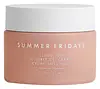
This barrier-repair moisturizer is formulated around Sodium Hyaluronate and Hydrolyzed Sodium Hyaluronate to strengthen the skin barrier and hydrate skin.
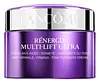
This anti-aging treatment is formulated around 3-O-Ethyl Ascorbic Acid and Adenosine to soften the look of wrinkles and brighten dull-looking skin.


What's inside
What's inside
 Key Ingredients
Benefits
Concerns
Ingredients Side-by-side
Water
Skin ConditioningPropanediol
Solvent

Dicaprylyl Carbonate
EmollientGlycerin
Humectant
Pentylene Glycol
Skin Conditioning
Sodium Hyaluronate
Humectant


Hydrolyzed Sodium Hyaluronate
Skin Conditioning
Glycine
Buffering
Serine
Masking
Glutamic Acid
Humectant
Aspartic Acid
Masking
Leucine
Skin ConditioningAlanine
Masking
Lysine
Skin ConditioningArginine
Masking
Tyrosine
MaskingPhenylalanine
Masking
Proline
Skin Conditioning
Threonine
Valine
MaskingIsoleucine
Skin ConditioningHistidine
Humectant
Ascorbic Acid
Antioxidant




Saccharide Isomerate
Humectant
Haematococcus Pluvialis Extract
Antioxidant
Ceramide NP
Skin Conditioning
Tocopheryl Acetate
Antioxidant
Tocopherol
Antioxidant
Hexapeptide-11
Skin Conditioning
Palmitoyl Tripeptide-1
Skin Conditioning
Ananas Sativus Fruit Extract
Skin ConditioningSaccharomyces/Magnesium Ferment


Saccharomyces/Copper Ferment
Skin Conditioning
Saccharomyces/Silicon Ferment
Skin Conditioning
Butylene Glycol
Humectant
Glyceryl Acrylate/Acrylic Acid Copolymer
HumectantGlyceryl Caprylate
EmollientSucrose Stearate
EmollientLecithin
Emollient
Polyglyceryl-10 Laurate
Skin Conditioning
Xanthan Gum
EmulsifyingCetearyl Olivate
Sorbitan Olivate
Emulsifying
Sodium Citrate
BufferingCarbomer
Emulsion StabilisingCitric Acid
Buffering
Cetearyl Alcohol
Emollient




Sodium Hydroxide
BufferingLactobacillus Ferment
Skin Conditioning
Leuconostoc/Radish Root Ferment Filtrate
Antimicrobial
Hydroxyacetophenone
Antioxidant
CI 77491
Cosmetic ColorantWater, Propanediol, Dicaprylyl Carbonate, Glycerin, Pentylene Glycol, Sodium Hyaluronate, Hydrolyzed Sodium Hyaluronate, Glycine, Serine, Glutamic Acid, Aspartic Acid, Leucine, Alanine, Lysine, Arginine, Tyrosine, Phenylalanine, Proline, Threonine, Valine, Isoleucine, Histidine, Ascorbic Acid, Saccharide Isomerate, Haematococcus Pluvialis Extract, Ceramide NP, Tocopheryl Acetate, Tocopherol, Hexapeptide-11, Palmitoyl Tripeptide-1, Ananas Sativus Fruit Extract, Saccharomyces/Magnesium Ferment, Saccharomyces/Copper Ferment, Saccharomyces/Silicon Ferment, Butylene Glycol, Glyceryl Acrylate/Acrylic Acid Copolymer, Glyceryl Caprylate, Sucrose Stearate, Lecithin, Polyglyceryl-10 Laurate, Xanthan Gum, Cetearyl Olivate, Sorbitan Olivate, Sodium Citrate, Carbomer, Citric Acid, Cetearyl Alcohol, Sodium Hydroxide, Lactobacillus Ferment, Leuconostoc/Radish Root Ferment Filtrate, Hydroxyacetophenone, CI 77491
Water
Skin ConditioningGlycerin
Humectant
Dimethicone
Emollient
Butyrospermum Parkii Butter
Skin Conditioning
Octyldodecanol
Emollient
Butylene Glycol
Humectant
Cetyl Alcohol
Emollient
PEG-100 Stearate
Surfactant
Glyceryl Stearate
Emollient
3-O-Ethyl Ascorbic Acid
Skin Conditioning
Tocopheryl Acetate
Antioxidant
C13-14 Isoparaffin
Emollient
Guanosine
Skin ConditioningCyathea Medullaris Leaf Extract
Skin ConditioningVaccinium Myrtillus Fruit Extract
Skin ConditioningSaccharum Officinarum Extract
MoisturisingHydroxypropyl Tetrahydropyrantriol
Skin ConditioningSodium Citrate
BufferingHydrolyzed Linseed Extract
Skin ConditioningHydrolyzed Lupine Protein
Skin ConditioningSodium Benzoate
Masking
Sodium Levulinate
Skin ConditioningStearic Acid
Cleansing
Phenoxyethanol
Preservative
Phenylethyl Resorcinol
Antioxidant
Adenosine
Skin Conditioning
Acer Saccharum Extract
Skin ConditioningPalmitic Acid
Emollient
Polyacrylamide
Chlorphenesin
Antimicrobial
Poloxamer 338
EmulsifyingLimonene
Perfuming


Xanthan Gum
EmulsifyingPentaerythrityl Tetra-Di-T-Butyl Hydroxyhydrocinnamate
Antioxidant
Benzyl Alcohol
Perfuming

Cinnamic Acid
Perfuming
Propylene Glycol
Humectant
2-Oleamido-1,3-Octadecanediol
Skin ConditioningLeontopodium Alpinum Extract
Skin ConditioningBiosaccharide Gum-1
Humectant
Alpha-Isomethyl Ionone
Perfuming
Acrylates/C10-30 Alkyl Acrylate Crosspolymer
Emulsion StabilisingMyristic Acid
Cleansing
Geraniol
Perfuming
Disodium EDTA
ChelatingCitric Acid
Buffering
Potassium Hydroxide
BufferingCitrus Aurantium Dulcis Fruit Extract
MaskingCitrus Limon Fruit Extract
Masking
Potassium Sorbate
Preservative
BHT
Antioxidant
Laureth-7
EmulsifyingLevulinic Acid
Perfuming
Hexyl Cinnamal
Perfuming
Glyceryl Caprylate
EmollientParfum
Masking
Water, Glycerin, Dimethicone, Butyrospermum Parkii Butter, Octyldodecanol, Butylene Glycol, Cetyl Alcohol, PEG-100 Stearate, Glyceryl Stearate, 3-O-Ethyl Ascorbic Acid, Tocopheryl Acetate, C13-14 Isoparaffin, Guanosine, Cyathea Medullaris Leaf Extract, Vaccinium Myrtillus Fruit Extract, Saccharum Officinarum Extract, Hydroxypropyl Tetrahydropyrantriol, Sodium Citrate, Hydrolyzed Linseed Extract, Hydrolyzed Lupine Protein, Sodium Benzoate, Sodium Levulinate, Stearic Acid, Phenoxyethanol, Phenylethyl Resorcinol, Adenosine, Acer Saccharum Extract, Palmitic Acid, Polyacrylamide, Chlorphenesin, Poloxamer 338, Limonene, Xanthan Gum, Pentaerythrityl Tetra-Di-T-Butyl Hydroxyhydrocinnamate, Benzyl Alcohol, Cinnamic Acid, Propylene Glycol, 2-Oleamido-1,3-Octadecanediol, Leontopodium Alpinum Extract, Biosaccharide Gum-1, Alpha-Isomethyl Ionone, Acrylates/C10-30 Alkyl Acrylate Crosspolymer, Myristic Acid, Geraniol, Disodium EDTA, Citric Acid, Potassium Hydroxide, Citrus Aurantium Dulcis Fruit Extract, Citrus Limon Fruit Extract, Potassium Sorbate, BHT, Laureth-7, Levulinic Acid, Hexyl Cinnamal, Glyceryl Caprylate, Parfum
Reviews
Ingredients Explained
These ingredients are found in both products.
Ingredients higher up in an ingredient list are typically present in a larger amount.
Butylene Glycol (or BG) is used within cosmetic products for a few different reasons:
Overall, Butylene Glycol is a safe and well-rounded ingredient that works well with other ingredients.
Though this ingredient works well with most skin types, some people with sensitive skin may experience a reaction such as allergic rashes, closed comedones, or itchiness.
Learn more about Butylene GlycolCitric Acid is an alpha hydroxy acid (AHA) naturally found in citrus fruits like oranges, lemons, and limes.
Like other AHAs, citric acid can exfoliate skin by breaking down the bonds that hold dead skin cells together. This helps reveal smoother and brighter skin underneath.
However, this exfoliating effect only happens at high concentrations (20%) which can be hard to find in cosmetic products.
Due to this, citric acid is usually included in small amounts as a pH adjuster. This helps keep products slightly more acidic and compatible with skin's natural pH.
In skincare formulas, citric acid can:
While it can provide some skin benefits, research shows lactic acid and glycolic acid are generally more effective and less irritating exfoliants.
Most citric acid used in skincare today is made by fermenting sugars (usually from molasses). This synthetic version is identical to the natural citrus form but easier to stabilize and use in formulations.
Rosacea skin has a lower threshold for acids generally, with 62.5% of rosacea subjects in one study reacting to lactic acid in a sting test. This is why we mark citric acid as a potential rosacea trigger.
However, this ingredient shows up as a pH adjuster or chelator at roughly 0.1-1% in many products. These low levels are unlikely to be an issue for rosacea skin and becomes a potential trigger at exfoliating concentrations (20%). Because everybody's skin is unique, we recommend a patch test if you are unsure.
Learn more about Citric AcidGlycerin (or glycerol) is a compound naturally found in your skin. It's a powerhouse humectant that pulls water into the stratum corneum.
Topically, glycerin does several things at once:
Your skin makes glycerin on its own (mostly from sebaceous oil breakdown) and shuttles it to your outermost layer of skin, or your epidermis, via aquaporin-3.
Aquaporin-3 is a transporter that is essential for normal skin hydration, elasticity, and repair. Interestingly, mice lacking in AQP3 have dry and less elastic skin that can be fully corrected with glycerin.
This ingredient is non-irritating, plays well with almost every ingredient, and works across all skin types. Typical use is anywhere between 3-10% but can go up to 79% in some leave-on products.
Just know very high concentrations (>40%) can feel tacky in low humidity.
Glycerin is the name for this ingredient in American English. British English uses Glycerol/Glycerine.
Learn more about GlycerinGlyceryl Caprylate comes from glycerin and caprylic acid. It is an emollient, co-emulsifier, and preservative booster.
Its short C8 fatty acid chain makes it behave differently from its longer-chain emollient cousins like Glyceryl Stearate. It feels more lightweight, fast-absorbing, and silky instead of rich and waxy.
As a co-emulsifier, its "head" and "tail" sit at the oil-water interface. But overall, the short C8 tail and not being water soluble means it doesn't really have the muscle to emulsify a formula on its own. That's why you'll often see it paired with a primary emulsifier like Cetearyl Glucoside.
Interestingly, Glyceryl Caprylate acts as a preservative booster. This is because its fatty-acid backbone disrupts microbial lipid membranes. It shows excellent activity against bacteria and yeast but is weaker against mold.
Typical concentrations range from 0.5-1% and this ingredient is generally non-irritating.
Because this ingredient has a C8 fatty acid chain, it is outside the range that the Malassezia yeast metabolizes (making it fungal acne safe).
Learn more about Glyceryl CaprylateSodium Citrate is the sodium salts of citric acid. In skincare, it is used to alter pH levels and acts as a preservative.
Its main functions are to maintain the pH of a product and neutralize metal ions.
The acidity of our skin is maintained by our glands and skin biome; normal pH level of skin is slightly acidic (~4.75-5.5).
Being slightly acidic allows our skin to create an "acid mantle". This acid mantle is a thin barrier that protects our skin from bacteria and contaminants.
Learn more about Sodium CitrateTocopheryl Acetate is a stable, shelf-friendly form of vitamin E.
Formulators love it because plain vitamin E oxidizes quickly once it hits air. This acetate version stays stable and resists going off, helping to extend a product's shelf life.
It's actually inactive on its own and works like a slow-release "storage" form; the enzymes in your skin called esterases gradually convert it into active vitamin E over time.
One in vivo study showed 5% of the acetate in the living layer of the epidermis converted to vitamin E after 5 days of application. This study also found the skin gained protection against UV damage even though the conversion was slow and small.
Once converted, vitamin E acts as a skin's main fat-soluble antioxidant that fights free radicals to protect skin from damage.
Topical vitamin E generally boosts the skin's photoprotection, and it reduced UV-damage in animal models.
This ingredient has some brightening potential but it's more of a prevention ingredient than spot-fader. Cell studies show it can slow down melanin production but it's worth noting that it's not the most powerful brightener out there.
Overall, it has a pretty solid safety profile and has been found to be non-irritating and non-comedogenic. Allergic reactions may happen but stay rare due to how widely the ingredient gets used.
The concentration will vary depending on the formula; industry data shows 0.1% in baby lotions, 3% in lipsticks, and 5% in foot powders. You can also find this ingredient at 100% in a pure vitamin E oil.
Most leave-on skincare keeps it at the lower end, often between 0.5-1%.
Learn more about Tocopheryl AcetateWater. It's the most common cosmetic ingredient of all. You'll usually see it at the top of ingredient lists, meaning that it makes up the largest part of the product.
So why is it so popular? Water most often acts as a solvent - this means that it helps dissolve other ingredients into the formulation.
You'll also recognize water as that liquid we all need to stay alive. If you see this, drink a glass of water. Remember to stay hydrated!
Learn more about WaterXanthan gum is used as a stabilizer and thickener within cosmetic products. It helps give products a sticky, thick feeling - preventing them from being too runny.
On the technical side of things, xanthan gum is a polysaccharide - a combination consisting of multiple sugar molecules bonded together.
Xanthan gum is a pretty common and great ingredient. It is a natural, non-toxic, non-irritating ingredient that is also commonly used in food products.
Learn more about Xanthan Gum

