StriVectin Peptide Plump Line Filling Bounce Serum Versus Thrive Causemetics Liquid Brilliance Super Serum
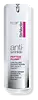
This anti-aging serum is formulated around Hydrolyzed Hyaluronic Acid to soften the look of wrinkles and hydrate skin.
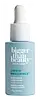
This brightening serum is formulated around Niacinamide and Ectoin to brighten dull-looking skin and soften the look of wrinkles.

What's inside
What's inside
 Key Ingredients
Benefits
Concerns
Ingredients Side-by-side
Water
Skin ConditioningGlycerin
Humectant


Propanediol
Solvent
Hydroxyethyl Acrylate/Sodium Acryloyldimethyl Taurate Copolymer
Emulsion StabilisingImperata Cylindrica Root Extract
Skin ConditioningGlyceryl Ricinoleate
Emollient

Polymethylsilsesquioxane/Silica Crosspolymer
Betaine
Humectant
Hydrolyzed Hyaluronic Acid
Humectant

Olea Europaea Leaf Extract
Perfuming
Vetiveria Zizanoides Root Extract
Perfuming
Pentapeptide-84 Amide Acetate

Chondrus Crispus Extract
Skin Conditioning
Beta-Glucan
Skin Conditioning
Myristyl Nicotinate
Skin ConditioningCitric Acid
Buffering

Biotin
AntiseborrhoeicTocopherol
Antioxidant


Dimethyl Isosorbide
Solvent1,2-Hexanediol
Skin Conditioning
Cetearyl Olivate
Dimethicone
Emollient
Sorbitan Olivate
Emulsifying
Polyisobutene
Tetrahydrodiferuloylmethane
Antioxidant
Trisodium Ethylenediamine Disuccinate
ChelatingEthylhexylglycerin
Skin ConditioningPolysilicone-11

Sorbitan Isostearate
Emulsifying
Glyceryl Polyacrylate
Polysorbate 80
Emulsifying
PEG-7 Trimethylolpropane Coconut Ether
Emulsifying
Hydroxyacetophenone
Antioxidant
Pentylene Glycol
Skin Conditioning
Polysorbate 60
Emulsifying
Pvm/Ma Copolymer
Emulsion StabilisingCaprylyl Glycol
Emollient
Adenosine
Skin Conditioning
Carbomer
Emulsion StabilisingSodium Citrate
BufferingBacillus/Sea Salt Ferment Filtrate
Skin ConditioningSodium Hyaluronate
Humectant
Acrylates/C10-30 Alkyl Acrylate Crosspolymer
Emulsion StabilisingParfum
Masking


Limonene
Perfuming
Linalool
Perfuming
Phenoxyethanol
Preservative
CI 17200
Cosmetic ColorantWater, Glycerin, Propanediol, Hydroxyethyl Acrylate/Sodium Acryloyldimethyl Taurate Copolymer, Imperata Cylindrica Root Extract, Glyceryl Ricinoleate, Polymethylsilsesquioxane/Silica Crosspolymer, Betaine, Hydrolyzed Hyaluronic Acid, Olea Europaea Leaf Extract, Vetiveria Zizanoides Root Extract, Pentapeptide-84 Amide Acetate, Chondrus Crispus Extract, Beta-Glucan, Myristyl Nicotinate, Citric Acid, Biotin, Tocopherol, Dimethyl Isosorbide, 1,2-Hexanediol, Cetearyl Olivate, Dimethicone, Sorbitan Olivate, Polyisobutene, Tetrahydrodiferuloylmethane, Trisodium Ethylenediamine Disuccinate, Ethylhexylglycerin, Polysilicone-11, Sorbitan Isostearate, Glyceryl Polyacrylate, Polysorbate 80, PEG-7 Trimethylolpropane Coconut Ether, Hydroxyacetophenone, Pentylene Glycol, Polysorbate 60, Pvm/Ma Copolymer, Caprylyl Glycol, Adenosine, Carbomer, Sodium Citrate, Bacillus/Sea Salt Ferment Filtrate, Sodium Hyaluronate, Acrylates/C10-30 Alkyl Acrylate Crosspolymer, Parfum, Limonene, Linalool, Phenoxyethanol, CI 17200
Water
Skin ConditioningGlycerin
Humectant
Propanediol
Solvent
Polysorbate 20
Emulsifying
Niacinamide
Smoothing



Betaine
Humectant
Citrus Aurantium Dulcis Flower Extract
Skin ConditioningPunica Granatum Bark/Fruit Extract
AntimicrobialEctoin
Skin Conditioning
Hedychium Coronarium Root Extract
MaskingPolyacrylate Crosspolymer-6
Emulsion StabilisingDimethyl Isosorbide
SolventPanthenol
Skin Conditioning
Sodium Hyaluronate
Humectant
Tocopheryl Acetate
Antioxidant
1,2-Hexanediol
Skin Conditioning
Glyceryl Glucoside
Humectant
Sodium PCA
Humectant
Allantoin
Skin Conditioning
Creatine
Skin ConditioningTrehalose
Humectant
Sodium Lactate
Buffering
Palmitoyl Tripeptide-38
Skin Conditioning
Dipotassium Glycyrrhizate
Humectant
PCA
Humectant
Opuntia Ficus-Indica Stem Extract
Skin Conditioning
Ferulic Acid
Antimicrobial
Maltodextrin
Absorbent
Serine
Masking
Alanine
Masking
Glycine
Buffering
Tetraselmis Suecica Extract
Skin ConditioningGlutamic Acid
Humectant
Hippophae Rhamnoides Fruit Oil
Skin Protecting
Limnanthes Alba Seed Oil
Skin Conditioning
Lysine Hcl
Skin Conditioning
Threonine
Arginine
Masking
Aspalathus Linearis Leaf Extract
Skin ConditioningProline
Skin Conditioning
Hydroxypropyl Cyclodextrin
MaskingXanthan Gum
EmulsifyingTrisodium Ethylenediamine Disuccinate
ChelatingSodium Hydroxide
BufferingHydroxyacetophenone
Antioxidant
Caprylyl Glycol
Emollient
Ethylhexylglycerin
Skin ConditioningWater, Glycerin, Propanediol, Polysorbate 20, Niacinamide, Betaine, Citrus Aurantium Dulcis Flower Extract, Punica Granatum Bark/Fruit Extract, Ectoin, Hedychium Coronarium Root Extract, Polyacrylate Crosspolymer-6, Dimethyl Isosorbide, Panthenol, Sodium Hyaluronate, Tocopheryl Acetate, 1,2-Hexanediol, Glyceryl Glucoside, Sodium PCA, Allantoin, Creatine, Trehalose, Sodium Lactate, Palmitoyl Tripeptide-38, Dipotassium Glycyrrhizate, PCA, Opuntia Ficus-Indica Stem Extract, Ferulic Acid, Maltodextrin, Serine, Alanine, Glycine, Tetraselmis Suecica Extract, Glutamic Acid, Hippophae Rhamnoides Fruit Oil, Limnanthes Alba Seed Oil, Lysine Hcl, Threonine, Arginine, Aspalathus Linearis Leaf Extract, Proline, Hydroxypropyl Cyclodextrin, Xanthan Gum, Trisodium Ethylenediamine Disuccinate, Sodium Hydroxide, Hydroxyacetophenone, Caprylyl Glycol, Ethylhexylglycerin
Ingredients Explained
These ingredients are found in both products.
Ingredients higher up in an ingredient list are typically present in a larger amount.
1,2-Hexanediol is a synthetic liquid and another multi-functional powerhouse.
It is a:
- Humectant, drawing moisture into the skin
- Emollient, helping to soften skin
- Solvent, dispersing and stabilizing formulas
- Preservative booster, enhancing the antimicrobial activity of other preservatives
Betaine is a humectant. Like hyaluronic acid, it helps attract and retain moisture in the skin. It’s known for being gentle and for helping the skin maintain balanced hydration.
Betaine is mainly used to improve hydration and support calmer skin. It helps skin cells regulate water balance because it functions as an osmolyte.
Some studies suggest betaine may support making skin tone more even.
Fun fact: Betaine naturally exists in the skin and the body. In cosmetic products, it can be either plant-derived (most commonly from sugar beets) or synthetically produced for consistency and stability.
Betaine is also known as trimethylglycine.
Learn more about BetaineCaprylyl Glycol is a humectant, skin conditioner, emollient, and preservative booster derived from either caprylic acid or synthetically created.
Typical use levels vary from 0.3-1% as a preservative booster and go up to 2% to condition skin.
Because it is not a free-fatty acid, this ingredient is fungal acne safe (there's nothing for Malassezia to feed on).
Learn more about Caprylyl GlycolDimethyl Isosorbide (often shortened to DMI) is a sugar-derived solvent made from sorbitol. It's used to dissolve tricky ingredients and help them mix smoothly into a formula.
Many actives sit as gritty crystals when undissolved, so DMI swoops in to full dissolve them. This helps improve texture, stability, and how evenly an active is distributed.
It does have a penetration-enhancing reputation that is a bit more nuanced than marketing suggests; a cell study on human skin found that 10% DMI didn't significantly boost the permeation of Hydroquinone, Salicylic Acid, or Octadecenedioic Acid compared to controls (though it did improve their solubility in the formula itself).
Typical usage concentrations usually range from 1-10% depending on the formula's needs; this ingredient is also well tolerated at these levels.
Learn more about Dimethyl IsosorbideEthylhexylglycerin is created from glycerin. It is a multitasker ingredient that:
The CIR Expert Panel found minimal skin absorption or sensitization of any kind in a safety assessment. Though this ingredient is considered well-tolerated, a small number of cases of allergic dermatitis have been published since 2002. Just be sure to patch test if you are unsure.
Industry-reported use ranges from 8% in rinse-off products and 2% in leave-on formulations.
Learn more about EthylhexylglycerinGlycerin (or glycerol) is a compound naturally found in your skin. It's a powerhouse humectant that pulls water into the stratum corneum.
Topically, glycerin does several things at once:
Your skin makes glycerin on its own (mostly from sebaceous oil breakdown) and shuttles it to your outermost layer of skin, or your epidermis, via aquaporin-3.
Aquaporin-3 is a transporter that is essential for normal skin hydration, elasticity, and repair. Interestingly, mice lacking in AQP3 have dry and less elastic skin that can be fully corrected with glycerin.
This ingredient is non-irritating, plays well with almost every ingredient, and works across all skin types. Typical use is anywhere between 3-10% but can go up to 79% in some leave-on products.
Just know very high concentrations (>40%) can feel tacky in low humidity.
Glycerin is the name for this ingredient in American English. British English uses Glycerol/Glycerine.
Learn more about GlycerinHydroxyacetophenone is a small phenolic molecule that earns its place in a formulas as an antioxidant and preservative booster.
As a phenol, it is able to neutralize free radicals to protect both the product and the skin from oxidative stress.
Though it can't kill microbes on its own, it works as a good supporting agent when combined with other preservatives like Phenoxyethanol or 1,2-Hexanediol.
This ingredient naturally occurs as piceol in Norwegian spruce needles (~0.4-1.1% dry weight and in cloudberries). Though the cosmetic-grade material is synthesized for purity and consistency.
You'll usually see it used at low levels and suppliers recommend up to 1% added to a water phase.
Safety testing was done at concentrations like 0.05% in SPF products and 0.5% in a Human Repeated Insult Patch Test. The safety evidence is assuring; this ingredient is safe for cosmetics in current use and also holds safety status as a food flavoring as well.
An honest caveat: the "soothing" and "anti-inflammatory" claims come mostly from supplier marketing rather than published clinical trials. The Cosmetic Ingredient Review's own literature search found no useful efficacy studies on this ingredient.
So the antioxidant and preservative-boosting roles are the well supported ones while the calming benefit is plausible but thinly evidenced.
Overall, this is a well-tolerated, low-irritation multitasker that quietly helps a formula stay fresh and stable.
Learn more about HydroxyacetophenonePropanediol is an all-star ingredient. It softens, hydrates, and smooths the skin.
It’s often used to:
Propanediol is not likely to cause sensitivity and considered safe to use. It is derived from corn or petroleum with a clear color and no scent.
Learn more about PropanediolSodium Hyaluronate is the salt form of hyaluronic acid. It is a long sugar chain that is naturally found in your skin, joints, and connective tissue that maintains hydration and elasticity.
In skincare, it works as a humectant. It pulls water from the environment and deeper layers of skin and binds it to the surface.
Interestingly, the size of the molecule affects its behavior:
Some clinical evidence links low molecular weight versions to improved wrinkle depth, elasticity, anti-inflammatory effects, and barrier repair.
Many serums use a blend of both weights so you can get surface hydration plus longer-lasting and deeper effects.
You'll typically see concentrations between 0.1-2% for this ingredient.
Learn more about Sodium HyaluronateTrisodium Ethylenediamine Disuccinate is used to help stabilize a product.
It is a chelating agent, meaning it helps prevent metal ions from binding to other ingredients. This prevents unwanted reactions in products. Metal ions can come into a product via the water ingredient. They are found in trace amounts and are not known to be harmful.
Water. It's the most common cosmetic ingredient of all. You'll usually see it at the top of ingredient lists, meaning that it makes up the largest part of the product.
So why is it so popular? Water most often acts as a solvent - this means that it helps dissolve other ingredients into the formulation.
You'll also recognize water as that liquid we all need to stay alive. If you see this, drink a glass of water. Remember to stay hydrated!
Learn more about Water

