

What's inside
What's inside
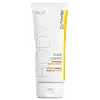 Key Ingredients
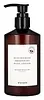
Benefits
Concerns
Ingredients Side-by-side
Water
Skin ConditioningCaprylic/Capric Triglyceride
Masking


Butyrospermum Parkii Butter
Skin Conditioning




Ethylhexyl Stearoyl Polyhydroxystearate
EmollientGlycerin
Humectant
Cetearyl Alcohol
Emollient
Trimethylolpropane Tricaprylate/Tricaprate
EmollientStearyl Alcohol
Emollient
Propanediol
Solvent
Coconut Alkanes
Emollient
Glyceryl Stearate
Emollient
Dimethicone
Emollient
Myristyl Nicotinate
Skin ConditioningCaffeine
Skin Conditioning

Bis-Stearyl Dimethicone
Emollient
Palmitoyl Tripeptide-38
Skin Conditioning

Simmondsia Chinensis Seed Extract
Abrasive
Tetrahydrodiferuloylmethane
Antioxidant
Astrocaryum Murumuru Seed Butter
Emollient
Theobroma Grandiflorum Seed Butter
Skin Conditioning
Pyrus Malus Seed Oil
Emollient
Caesalpinia Spinosa Fruit Extract
Skin ProtectingVaccinium Macrocarpon Seed Oil
Skin Conditioning
Kappaphycus Alvarezii Extract
Skin Conditioning
Prunus Avium Seed Oil
Emollient
Rosmarinus Officinalis Leaf Extract
AntimicrobialActinidia Chinensis Seed Oil
Emollient
Oryza Sativa Bran Extract
Skin Conditioning
Rubus Idaeus Seed Oil
Emollient
Helianthus Annuus Extract
Emollient
Hippophae Rhamnoides Fruit Oil
Skin Protecting
Aloe Barbadensis Leaf Juice Powder
Skin Conditioning
Punica Granatum Seed Oil
Emollient
Bacillus/Sea Salt Ferment Filtrate
Skin ConditioningSodium Hyaluronate
Humectant
Sodium PCA
Humectant
Lactic Acid
Buffering





PEG-40 Stearate
Emulsifying
Parfum
Masking

Adenosine
Skin Conditioning
1,2-Hexanediol
Skin Conditioning
Sodium Acrylate/Sodium Acryloyldimethyl Taurate Copolymer
Emulsion StabilisingCoco-Caprylate/Caprate
Emollient
Proline
Skin Conditioning
Polysilicone-11
Caprylyl/Capryl Glucoside
CleansingPolyisobutene
Hydroxyproline
Skin ConditioningCeteareth-20
Cleansing
Hydroxypropyl Cyclodextrin
MaskingPanthenol
Skin Conditioning
Caprylyl Glycol
Emollient
Aminomethyl Propanol
BufferingTocopherol
Antioxidant
Sorbitan Oleate
Emulsifying
Xanthan Gum
EmulsifyingCaprylhydroxamic Acid
Phenoxyethanol
Preservative
Ethylhexylglycerin
Skin ConditioningCitric Acid
Buffering
Limonene
Perfuming
Citral
Perfuming
Linalool
Perfuming
Water, Caprylic/Capric Triglyceride, Butyrospermum Parkii Butter, Ethylhexyl Stearoyl Polyhydroxystearate, Glycerin, Cetearyl Alcohol, Trimethylolpropane Tricaprylate/Tricaprate, Stearyl Alcohol, Propanediol, Coconut Alkanes, Glyceryl Stearate, Dimethicone, Myristyl Nicotinate, Caffeine, Bis-Stearyl Dimethicone, Palmitoyl Tripeptide-38, Simmondsia Chinensis Seed Extract, Tetrahydrodiferuloylmethane, Astrocaryum Murumuru Seed Butter, Theobroma Grandiflorum Seed Butter, Pyrus Malus Seed Oil, Caesalpinia Spinosa Fruit Extract, Vaccinium Macrocarpon Seed Oil, Kappaphycus Alvarezii Extract, Prunus Avium Seed Oil, Rosmarinus Officinalis Leaf Extract, Actinidia Chinensis Seed Oil, Oryza Sativa Bran Extract, Rubus Idaeus Seed Oil, Helianthus Annuus Extract, Hippophae Rhamnoides Fruit Oil, Aloe Barbadensis Leaf Juice Powder, Punica Granatum Seed Oil, Bacillus/Sea Salt Ferment Filtrate, Sodium Hyaluronate, Sodium PCA, Lactic Acid, PEG-40 Stearate, Parfum, Adenosine, 1,2-Hexanediol, Sodium Acrylate/Sodium Acryloyldimethyl Taurate Copolymer, Coco-Caprylate/Caprate, Proline, Polysilicone-11, Caprylyl/Capryl Glucoside, Polyisobutene, Hydroxyproline, Ceteareth-20, Hydroxypropyl Cyclodextrin, Panthenol, Caprylyl Glycol, Aminomethyl Propanol, Tocopherol, Sorbitan Oleate, Xanthan Gum, Caprylhydroxamic Acid, Phenoxyethanol, Ethylhexylglycerin, Citric Acid, Limonene, Citral, Linalool
Water
Skin ConditioningNiacinamide
Smoothing

Cetyl Ethylhexanoate
Emollient1,2-Hexanediol
Skin Conditioning
Methylpropanediol
SolventCaprylic/Capric Triglyceride
Masking
Glycerin
Humectant
Cetearyl Olivate
Sorbitan Olivate
Emulsifying
Xanthan Gum
EmulsifyingSorbitan Stearate
Emulsifying
Polysorbate 60
Emulsifying
Carbomer
Emulsion StabilisingTriethanolamine
BufferingEthylhexylglycerin
Skin ConditioningSodium Acrylate/Sodium Acryloyldimethyl Taurate Copolymer
Emulsion StabilisingIsohexadecane
EmollientDisodium EDTA
Polysorbate 80
Emulsifying
Sodium Hyaluronate
Humectant
3-O-Ethyl Ascorbic Acid
Skin Conditioning
Lactic Acid
Buffering
Water, Niacinamide, Cetyl Ethylhexanoate, 1,2-Hexanediol, Methylpropanediol, Caprylic/Capric Triglyceride, Glycerin, Cetearyl Olivate, Sorbitan Olivate, Xanthan Gum, Sorbitan Stearate, Polysorbate 60, Carbomer, Triethanolamine, Ethylhexylglycerin, Sodium Acrylate/Sodium Acryloyldimethyl Taurate Copolymer, Isohexadecane, Disodium EDTA, Polysorbate 80, Sodium Hyaluronate, 3-O-Ethyl Ascorbic Acid, Lactic Acid
Reviews
Ingredients Explained
These ingredients are found in both products.
Ingredients higher up in an ingredient list are typically present in a larger amount.
1,2-Hexanediol is a synthetic liquid and another multi-functional powerhouse.
It is a:
- Humectant, drawing moisture into the skin
- Emollient, helping to soften skin
- Solvent, dispersing and stabilizing formulas
- Preservative booster, enhancing the antimicrobial activity of other preservatives
Caprylic/Capric Triglyceride (aka MCT Oil) is a lightweight emollient, solvent, and texture enhancer. It is considered a skin-softener by helping to prevent moisture loss.
Though it behaves like an oil, it is not technically one due to its chemical composition. One perk of this ingredient is that it is very stable, resistant to oxidation, and unlikely to go rancid.
In practice, that translates to a long shelf life and a consistently elegant skin feel.
While there is an assumption Caprylic Triglyceride can clog pores due to it being derived from coconut oil, there is no research supporting this. Just patch test if you have concerns.
Fractionated coconut oil and MCT Oil are both listed as Caprylic/Capric Triglyceride according to INCI. This is because INCI names are based on the ingredient’s final chemical composition and not its marketing name or source.
This ingredient is treated as the gold standard fungal acne safe oil. Even though it is coconut derived, the problematic lauric acid is stripped out.
This leaves just caprylic (C8) and capric (C10) acid. These chain lengths actually trend antifungal; a 2020 study found caprylic acid was enough to disrupt Malassezia furfur cell membrane, with a caprylic acid derivative damaging membrane structures at concentrations as low as 0.2%.
Learn more about Caprylic/Capric TriglycerideEthylhexylglycerin is created from glycerin. It is a multitasker ingredient that:
The CIR Expert Panel found minimal skin absorption or sensitization of any kind in a safety assessment. Though this ingredient is considered well-tolerated, a small number of cases of allergic dermatitis have been published since 2002. Just be sure to patch test if you are unsure.
Industry-reported use ranges from 8% in rinse-off products and 2% in leave-on formulations.
Learn more about EthylhexylglycerinGlycerin (or glycerol) is a compound naturally found in your skin. It's a powerhouse humectant that pulls water into the stratum corneum.
Topically, glycerin does several things at once:
Your skin makes glycerin on its own (mostly from sebaceous oil breakdown) and shuttles it to your outermost layer of skin, or your epidermis, via aquaporin-3.
Aquaporin-3 is a transporter that is essential for normal skin hydration, elasticity, and repair. Interestingly, mice lacking in AQP3 have dry and less elastic skin that can be fully corrected with glycerin.
This ingredient is non-irritating, plays well with almost every ingredient, and works across all skin types. Typical use is anywhere between 3-10% but can go up to 79% in some leave-on products.
Just know very high concentrations (>40%) can feel tacky in low humidity.
Glycerin is the name for this ingredient in American English. British English uses Glycerol/Glycerine.
Learn more about GlycerinLactic Acid is another well-loved alpha hydroxy acid (AHA). It is gentler than glycolic acid but still highly effective.
Its main role is to exfoliate the surface of the skin by loosening the “glue” that holds dead skin cells together. Shedding those old cells leads to smoother, softer, and more even-toned skin.
Because lactic acid molecules are larger than glycolic acid, they don’t penetrate as deeply. This means they’re less likely to sting or irritate, making it a great choice for beginners or those with sensitive skin.
Like glycolic acid, it can:
Lactic acid also acts as a humectant (like hyaluronic acid). It can draw water into the skin to improve hydration and also plays a role in the skin's natural moisturizing factor (NMF) in the form of sodium lactate.
Studies show it can boost ceramide production to strengthen the skin barrier and even help balance the skin’s microbiome.
To get results, choose products with a pH between 3-4.
Lower strengths (5-12%) focus on surface exfoliation; higher strengths (12% and up) can reach deeper in the dermis (deeper, supportive layer) to improve skin texture and firmness over time.
Though it was originally derived from milk, most modern lactic acid used in skincare is vegan. It is made through non-dairy fermentation to create a bio-identical and stable form suitable for all formulations.
When lactic acid shows up near the end of an ingredient list, it usually means the brand added just a tiny amount to adjust the product’s pH.
Legend has it that Cleopatra used to bathe in sour milk to help reduce wrinkles.
Lactic acid is truly a gentle multitasker: it exfoliates, hydrates, strengthens, and brightens. It's a great ingredient for giving your skin a smooth, glowing, and healthy look without the harshness of stronger acids.
Read more about some other popular AHA's here:
Learn more about Lactic AcidThis long ingredient is a copolymer of sodium acrylate and sodium acryloyldimethyl taurate monomers.
It is used to help stabilize other ingredients and create a thicker gel-like texture.
Emulsifiers prevent oils and waters from separating.
Learn more about Sodium Acrylate/Sodium Acryloyldimethyl Taurate CopolymerSodium Hyaluronate is the salt form of hyaluronic acid. It is a long sugar chain that is naturally found in your skin, joints, and connective tissue that maintains hydration and elasticity.
In skincare, it works as a humectant. It pulls water from the environment and deeper layers of skin and binds it to the surface.
Interestingly, the size of the molecule affects its behavior:
Some clinical evidence links low molecular weight versions to improved wrinkle depth, elasticity, anti-inflammatory effects, and barrier repair.
Many serums use a blend of both weights so you can get surface hydration plus longer-lasting and deeper effects.
You'll typically see concentrations between 0.1-2% for this ingredient.
Learn more about Sodium HyaluronateWater. It's the most common cosmetic ingredient of all. You'll usually see it at the top of ingredient lists, meaning that it makes up the largest part of the product.
So why is it so popular? Water most often acts as a solvent - this means that it helps dissolve other ingredients into the formulation.
You'll also recognize water as that liquid we all need to stay alive. If you see this, drink a glass of water. Remember to stay hydrated!
Learn more about WaterXanthan gum is used as a stabilizer and thickener within cosmetic products. It helps give products a sticky, thick feeling - preventing them from being too runny.
On the technical side of things, xanthan gum is a polysaccharide - a combination consisting of multiple sugar molecules bonded together.
Xanthan gum is a pretty common and great ingredient. It is a natural, non-toxic, non-irritating ingredient that is also commonly used in food products.
Learn more about Xanthan Gum

