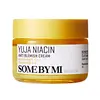
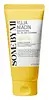
Some By Mi Yuja Niacin Anti Blemish Cream Versus Some By Mi Yuja Niacin Brightening All-In-One Cleanser
This brightening moisturizer is formulated around Niacinamide and Panthenol to fade the look of dark spots and brighten dull-looking skin.

What's inside
What's inside
 Key Ingredients
Benefits
Concerns
Ingredients Side-by-side
Citrus Junos Fruit Extract
Skin ConditioningWater
Skin ConditioningButylene Glycol
Humectant

Niacinamide
Smoothing










Glycerin
Humectant
Panthenol
Skin Conditioning
1,2-Hexanediol
Skin Conditioning
Simmondsia Chinensis Seed Oil
Emollient


Benzyl Glycol
SolventBisabolol
Antioxidant
Diphenylsiloxy Phenyl Trimethicone
Skin Conditioning
Arginine
Masking
Caprylyl Methicone
Skin Conditioning
Trehalose
Humectant
Behenyl Alcohol
Emollient
Acrylates/C10-30 Alkyl Acrylate Crosspolymer
Emulsion StabilisingSodium Acrylate/Sodium Acryloyldimethyl Taurate Copolymer
Emulsion StabilisingCoptis Japonica Root Extract
Skin ConditioningPolyisobutene
Sorbitan Isostearate
Emulsifying
Carbomer
Emulsion StabilisingCentella Asiatica Extract
Cleansing
Dimethicone/Phenyl Vinyl Dimethicone Crosspolymer
Inulin Lauryl Carbamate
Emulsion StabilisingBiota Orientalis Leaf Extract
HumectantTocopherol
Antioxidant
Stearyl Alcohol
Emollient
Arachidyl Alcohol
Emollient
Xylitylglucoside
Humectant
Ethylhexylglycerin
Skin ConditioningAdenosine
Skin Conditioning
Anhydroxylitol
Humectant
Disodium EDTA
ChelatingXanthan Gum
EmulsifyingZanthoxylum Piperitum Fruit Extract
Skin ConditioningSorbitan Oleate
Emulsifying

Caprylyl/Capryl Glucoside
CleansingXylitol
Humectant
Polygonum Cuspidatum Root Extract
Antioxidant
Raspberry Ketone
Masking

Glutathione
Biotin
AntiseborrhoeicAscorbyl Glucoside
Antioxidant
Ascorbyl Tetraisopalmitate
Antioxidant
Arbutin
Antioxidant
Madecassoside
Antioxidant
Asiaticoside
Antioxidant
Madecassic Acid
Skin Conditioning
Asiatic Acid
Skin Conditioning
Ascorbic Acid
Antioxidant
Menadione
MaskingCyanocobalamin
Skin ConditioningCitrus Junos Peel Oil
Astringent
Linalool
Perfuming

Limonene
Perfuming
Citrus Junos Fruit Extract, Water, Butylene Glycol, Niacinamide, Glycerin, Panthenol, 1,2-Hexanediol, Simmondsia Chinensis Seed Oil, Benzyl Glycol, Bisabolol, Diphenylsiloxy Phenyl Trimethicone, Arginine, Caprylyl Methicone, Trehalose, Behenyl Alcohol, Acrylates/C10-30 Alkyl Acrylate Crosspolymer, Sodium Acrylate/Sodium Acryloyldimethyl Taurate Copolymer, Coptis Japonica Root Extract, Polyisobutene, Sorbitan Isostearate, Carbomer, Centella Asiatica Extract, Dimethicone/Phenyl Vinyl Dimethicone Crosspolymer, Inulin Lauryl Carbamate, Biota Orientalis Leaf Extract, Tocopherol, Stearyl Alcohol, Arachidyl Alcohol, Xylitylglucoside, Ethylhexylglycerin, Adenosine, Anhydroxylitol, Disodium EDTA, Xanthan Gum, Zanthoxylum Piperitum Fruit Extract, Sorbitan Oleate, Caprylyl/Capryl Glucoside, Xylitol, Polygonum Cuspidatum Root Extract, Raspberry Ketone, Glutathione, Biotin, Ascorbyl Glucoside, Ascorbyl Tetraisopalmitate, Arbutin, Madecassoside, Asiaticoside, Madecassic Acid, Asiatic Acid, Ascorbic Acid, Menadione, Cyanocobalamin, Citrus Junos Peel Oil, Linalool, Limonene
Water
Skin ConditioningSodium C14-16 Olefin Sulfonate
Cleansing
Citrus Junos Fruit Extract 11%
Skin ConditioningCocamidopropyl Betaine
Cleansing
Acrylates Copolymer
1,2-Hexanediol
Skin Conditioning
Gluconolactone
Chelating
Tetradecene
EmollientSodium Chloride
MaskingGlycerin
Humectant
Hexadecene
SolventSaccharide Isomerate
Humectant
Caprylyl Glycol
Emollient
Xanthan Gum
EmulsifyingSodium Citrate
BufferingCitric Acid
Buffering
Niacinamide
Smoothing
Propanediol
Solvent
Sodium Hyaluronate
Humectant
3-O-Ethyl Ascorbic Acid
Skin Conditioning
Succinic Acid
BufferingHydrolyzed Hyaluronic Acid
Humectant
Sodium Hyaluronate Crosspolymer
Humectant
Eriobotrya Japonica Leaf Extract
Skin ConditioningHydrogenated Lecithin
Emulsifying
Hydrolyzed Glycosaminoglycans
HumectantPolyglyceryl-10 Stearate
Skin Conditioning
Panthenol
Skin Conditioning
Mentha Viridis Extract
MaskingSodium Acetylated Hyaluronate
Humectant
Benzyl Glycol
SolventSodium Ascorbyl Phosphate
Antioxidant
Ethylhexylglycerin
Skin ConditioningBiotin
AntiseborrhoeicPyridoxine
Skin ConditioningFolic Acid
Skin ConditioningHyaluronic Acid
Humectant
Raspberry Ketone
Masking
Tocopherol
Antioxidant
Cyanocobalamin
Skin ConditioningLinoleic Acid
Cleansing
Thiamine Hcl
MaskingInositol
Humectant
Riboflavin
Cosmetic ColorantBeta-Carotene
Skin ConditioningDisodium EDTA
ChelatingParfum
Masking
Limonene
Perfuming
Linalool
Perfuming
Water, Sodium C14-16 Olefin Sulfonate, Citrus Junos Fruit Extract 11%, Cocamidopropyl Betaine, Acrylates Copolymer, 1,2-Hexanediol, Gluconolactone, Tetradecene, Sodium Chloride, Glycerin, Hexadecene, Saccharide Isomerate, Caprylyl Glycol, Xanthan Gum, Sodium Citrate, Citric Acid, Niacinamide, Propanediol, Sodium Hyaluronate, 3-O-Ethyl Ascorbic Acid, Succinic Acid, Hydrolyzed Hyaluronic Acid, Sodium Hyaluronate Crosspolymer, Eriobotrya Japonica Leaf Extract, Hydrogenated Lecithin, Hydrolyzed Glycosaminoglycans, Polyglyceryl-10 Stearate, Panthenol, Mentha Viridis Extract, Sodium Acetylated Hyaluronate, Benzyl Glycol, Sodium Ascorbyl Phosphate, Ethylhexylglycerin, Biotin, Pyridoxine, Folic Acid, Hyaluronic Acid, Raspberry Ketone, Tocopherol, Cyanocobalamin, Linoleic Acid, Thiamine Hcl, Inositol, Riboflavin, Beta-Carotene, Disodium EDTA, Parfum, Limonene, Linalool
Reviews
Ingredients Explained
These ingredients are found in both products.
Ingredients higher up in an ingredient list are typically present in a larger amount.
1,2-Hexanediol is a synthetic liquid and another multi-functional powerhouse.
It is a:
- Humectant, drawing moisture into the skin
- Emollient, helping to soften skin
- Solvent, dispersing and stabilizing formulas
- Preservative booster, enhancing the antimicrobial activity of other preservatives
We don't have a description for Benzyl Glycol yet.
Biotin is a B vitamin that is naturally produced by our bodies. It is also called Vitamin H.
Our bodies use biotin in the metabolism process. It also helps our bodies use enzymes and move nutrients around. A biotin deficiency can lead to brittle hair and nails.
More research is needed on applying biotin topically. However, taking biotin orally has been shown to help nourish the skin, hair, and nails. They play a role in forming skin-hydrating fatty acids.
Biotin is water-soluble. It can be found in foods such as fish, eggs, dairy, nuts, and meat. Vitamin H stands for "haar" and "haut". These are the German words for hair and skin.
Learn more about BiotinCitrus Junos Fruit Extract comes from the Citrus Junos tree, or the Yuzu plant.
Yuzu has many skin benefits. It contains antioxidants and a variety of Vitamins. The vitamins found in yuzu include: Vitamin C, Vitamin A, Vitamin B6, and Vitamin B5.
Vitamins C and A also provide plenty of skin benefits such as boosting collagen production and helping to reduce the signs of aging.
For those with allergies, Yuzu does contain limonene and linalool. Both these compounds may cause skin sensitivity. If you have concerns, we recommend speaking with a professional.
Learn more about Citrus Junos Fruit ExtractCyanocobalamin is the manufactured version of vitamin B12. It has skin soothing, antioxidant, and barrier protecting properties. Topical cyanocobalamin is used to treat skin irritation and atopic dermatitis.
Disodium EDTA is a chelating agent. It grabs onto and deactivates metal ions that sneak into your products from water, packaging, or air.
This ingredient mainly works behind the scenes and helps with:
On top of that, this ingredient can counteract the effects of hard water by binding to the minerals in it.
One thing worth knowing is that Disodium EDTA has been shown to be a mild penetration enhancer. It can help other ingredients absorb into skin more effectively which can be a double-edged sword (great for actives, but can also make the active too strong if you have sensitive skin).
Clinical patch testing showed no significant skin irritation at typical use concentrations and minimal dermal absorption.
You'll most likely see this ingredient near the end of an ingredient list. It's typically found in concentrations less than 1%.
Learn more about Disodium EDTAEthylhexylglycerin is created from glycerin. It is a multitasker ingredient that:
The CIR Expert Panel found minimal skin absorption or sensitization of any kind in a safety assessment. Though this ingredient is considered well-tolerated, a small number of cases of allergic dermatitis have been published since 2002. Just be sure to patch test if you are unsure.
Industry-reported use ranges from 8% in rinse-off products and 2% in leave-on formulations.
Learn more about EthylhexylglycerinGlycerin (or glycerol) is a compound naturally found in your skin. It's a powerhouse humectant that pulls water into the stratum corneum.
Topically, glycerin does several things at once:
Your skin makes glycerin on its own (mostly from sebaceous oil breakdown) and shuttles it to your outermost layer of skin, or your epidermis, via aquaporin-3.
Aquaporin-3 is a transporter that is essential for normal skin hydration, elasticity, and repair. Interestingly, mice lacking in AQP3 have dry and less elastic skin that can be fully corrected with glycerin.
This ingredient is non-irritating, plays well with almost every ingredient, and works across all skin types. Typical use is anywhere between 3-10% but can go up to 79% in some leave-on products.
Just know very high concentrations (>40%) can feel tacky in low humidity.
Glycerin is the name for this ingredient in American English. British English uses Glycerol/Glycerine.
Learn more about GlycerinLimonene is the compound that gives citrus peel its smell.
In skincare, it shows up as a standalone fragrance ingredient or as a natural compound of citrus and other essential oils.
You'll typically see this ingredient used in very small amounts; anything above 0.001% in a leave-on product or 0.01% in a rinse-off has to be named on the label in the EU. The citrus oils that carry it sit around 0.5-1% in a finished formula.
Fresh limonene is a weak allergen; the real issue is that it slowly reacts with air and then breaks down from oxidation to create hydroperoxides (which are strong sensitizers). This is why suppliers are required to keep the peroxide value below 20 mmol.
Positive reactions in people being investigated for eczema vary:
It's worth skipping if you have a known fragrance allergy or a compromised barrier, but the risk is low for most people.
Older or long-opened products are also more likely to bother you than fresh ones due to oxidation.
Learn more about LimoneneLinalool is a small, naturally occurring scent molecule found in plants like lavender, coriander, bergamot, and more.
It is one of the two most-used fragrance ingredients in cosmetics and added purely for smell. Since it's not used for a skin benefit, there's no "effective dose". Concentration depends on the fragrance load of the product.
The EU requires it to be named on the label above 0.001% in leave-on and 0.01% in rinse-off products.
Fresh linalool is a weak sensitizer but air exposure turns some of it into hydroperoxides, which are strong sensitizers. Those oxidation products are the actual allergy concern.
Patch-test clinics see positive reactions to linalool hydroperoxides in about 4% to 12% of dermatitis patients depending on country and test concentration.
Resassuringly, one analytical study found hydroperoxide levels in real fragranced products to be orders of magnitude below what induced sensitization in animal studies with no evidence of oxidation building up during normal storage.
The practical takeaway is that linalool is fine for most people but worth avoiding if you have a confirmed fragrance contact allergy or a badly compromised barrier.
Products stored a long time after opening are also the high-risk scenario since that is when oxidation happens.
The scent of linalool is described as floral, spicy tropical, and citrus-like.
Learn more about LinaloolNiacinamide is a multitasking form of vitamin B3 that strengthens the skin barrier, reduces pores and dark spots, regulates oil, and improves signs of aging.
And the best part? It's gentle and well-tolerated by most skin types, including sensitive and reactive skin.
You might have heard of "niacin flush", or the reddening of skin that causes itchiness. Niacinamide has not been found to cause this.
In very rare cases, some individuals may not be able to tolerate niacinamide at all or experience an allergic reaction to it.
If you are experiencing flaking, irritation, and dryness with this ingredient, be sure to double check all your products as this ingredient can be found in all categories of skincare.
When incorporating niacinamide into your routine, look out for concentration amounts. Typically, 5% niacinamide provides benefits such as fading dark spots. However, if you have sensitive skin, it is better to begin with a smaller concentration.
When you apply niacinamide to your skin, your body converts it into nicotinamide adenine dinucleotide (NAD). NAD is an essential coenzyme that is already found in your cells as "fuel" and powers countless biological processes.
In your skin, NAD helps repair cell damage, produce new healthy cells, support collagen production, strengthen the skin barrier, and fight environmental stressors (like UV and pollution).
Our natural NAD levels start to decline with age, leading to slower skin repair, visible aging, and a weaker skin barrier. By providing your skin niacinamide, you're recharging your skin's NAD levels. This leads to stronger, healthier, and younger looking skin.
Another name for vitamin B3 is nicotinamide. This vitamin is water-soluble and our bodies don't store it. We obtain Vitamin B3 from either food or skincare. Meat, fish, wheat, yeast, and leafy greens contain vitamin B3.
The type of niacinamide used in skincare is synthetically created.
Learn more about NiacinamidePanthenol is a common ingredient that helps hydrate and soothe the skin. It is found naturally in our skin and hair.
There are two forms of panthenol: D and L.
D-panthenol is also known as dexpanthenol. Most cosmetics use dexpanthenol or a mixture of D and L-panthenol.
Panthenol is famous due to its ability to go deeper into the skin's layers. Using this ingredient has numerous pros (and no cons):
Like hyaluronic acid, panthenol is a humectant. Humectants are able to bind and hold large amounts of water to keep skin hydrated.
This ingredient works well for wound healing. It works by increasing tissue in the wound and helps close open wounds.
Once oxidized, panthenol converts to pantothenic acid. Panthothenic acid is found in all living cells.
This ingredient is also referred to as pro-vitamin B5.
Learn more about PanthenolRaspberry Ketone is a fragrance.
Tocopherol is a fat-soluble antioxidant known as Vitamin E.
You'll find this ingredient in the vast majority of skincare (for good reason). It works to neutralize free radicals, or unstable molecules generated by UV exposure, pollution, and other environmental stressors, before they can cause oxidative damage to your skin cells.
Topically applied tocopherol has been shown to protect against UV damage by ramping up the skin's own natural defense enzymes.
It also acts as a skin conditioning agent; some studies show that regular topical use can improve the skin's water-binding capacity over 2-4 weeks.
This ingredient is especially loved for being a team player. When combined with Vitamin C, the photoprotective effect of both ingredients roughly doubles and the combo also helps reduce UV-induced DNA damage.
This ingredient has some brightening potential but it's more of a prevention ingredient than spot-fader. Cell studies show it can slow down melanin production but it's worth noting that it's not the most powerful brightener out there.
In formulations, it also serves as a stabilizer that helps protect other oxidation-prone ingredients from degrading.
Concentrations usually range from 0.1-1% in most leave-on products.
Learn more about TocopherolWater. It's the most common cosmetic ingredient of all. You'll usually see it at the top of ingredient lists, meaning that it makes up the largest part of the product.
So why is it so popular? Water most often acts as a solvent - this means that it helps dissolve other ingredients into the formulation.
You'll also recognize water as that liquid we all need to stay alive. If you see this, drink a glass of water. Remember to stay hydrated!
Learn more about WaterXanthan gum is used as a stabilizer and thickener within cosmetic products. It helps give products a sticky, thick feeling - preventing them from being too runny.
On the technical side of things, xanthan gum is a polysaccharide - a combination consisting of multiple sugar molecules bonded together.
Xanthan gum is a pretty common and great ingredient. It is a natural, non-toxic, non-irritating ingredient that is also commonly used in food products.
Learn more about Xanthan Gum

