

What's inside
What's inside
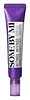 Key Ingredients
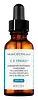
Benefits
Concerns
Ingredients Side-by-side
Water
Skin ConditioningGlycerin
Humectant


Caprylic/Capric Triglyceride
Masking
Dimethicone
Emollient
Polysorbate 60
Emulsifying
Niacinamide
Smoothing









Methylpropanediol
SolventCetyl Alcohol
Emollient
Polymethylsilsesquioxane
Centella Asiatica Extract
Cleansing
Dioscorea Japonica Root Extract
Skin Conditioning
Piper Methysticum Leaf/Root/Stem Extract
Skin ConditioningMelaleuca Alternifolia Leaf Extract
Perfuming
Panax Ginseng Berry Extract
Skin Conditioning
Artemisia Capillaris Extract
Ganoderma Lucidum Stem Extract
Skin ConditioningChlorella Vulgaris Extract
Skin ConditioningGlycine Soja Seed Extract
Skin Conditioning
Nymphaea Alba Flower Extract
Skin ConditioningElaeis Guineensis Oil
Emollient
Hydrogenated Lecithin
Emulsifying
Sodium Hyaluronate
Humectant
1,2-Hexanediol
Skin Conditioning
Dimethicone/Vinyl Dimethicone Crosspolymer
Skin Conditioning
Panthenol
Skin Conditioning
BHT
Antioxidant
Cyclopentasiloxane
Emollient
Steareth-21
CleansingPEG-10 Dimethicone/Vinyl Dimethicone Crosspolymer
Stabilising
Polyacrylamide
Steareth-2
EmulsifyingIsohexadecane
EmollientCarbomer
Emulsion StabilisingHydroxyacetophenone
Antioxidant
C13-14 Isoparaffin
Emollient
Tromethamine
BufferingPalmitic Acid
Emollient
Polyquaternium-51
Skin Conditioning
Stearic Acid
Cleansing
Polysorbate 20
Emulsifying
Retinol 0.1%
Skin Conditioning

Ethylhexylglycerin
Skin ConditioningGlyceryl Caprylate
EmollientTocopheryl Acetate
Antioxidant
Polyglyceryl-10 Myristate
Skin Conditioning
PEG-30 Dipolyhydroxystearate
Emulsifying
Hydroxyethylcellulose
Emulsion StabilisingGlycosyl Trehalose
Emulsion StabilisingBeta-Glucan
Skin Conditioning
Glyceryl Polymethacrylate
Laureth-7
EmulsifyingButylene Glycol
Humectant
Disodium EDTA
Hydrogenated Starch Hydrolysate
HumectantAdenosine
Skin Conditioning
Raffinose
Skin ConditioningDipotassium Glycyrrhizate
Humectant
Lecithin
Emollient
Tocopherol
Antioxidant
Pentylene Glycol
Skin Conditioning
BHA
Antioxidant
Myristic Acid
Cleansing
Tranexamic Acid
Astringent
Propanediol
Solvent
Dipropylene Glycol
HumectantDisodium Phosphate
BufferingCaprylyl Glycol
Emollient
Collagen
Moisturising
Madecassic Acid
Skin Conditioning
Biosaccharide Gum-1
Humectant
Asiaticoside
Antioxidant
Sodium Palmitoyl Proline
Skin ConditioningLeuconostoc/Radish Root Ferment Filtrate
Antimicrobial
Asiatic Acid
Skin Conditioning
Glutathione
Retinal
Skin Conditioning
Madecassoside
Antioxidant
Sodium Phosphate
BufferingFerulic Acid
Antimicrobial
Acetyl Hexapeptide-8
Humectant
Ammonium Acryloyldimethyltaurate/Vp Copolymer
Tetrahydropiperine
Skin ConditioningPhloretin
Antioxidant
Arginine
Masking
Parfum
Masking

Water, Glycerin, Caprylic/Capric Triglyceride, Dimethicone, Polysorbate 60, Niacinamide, Methylpropanediol, Cetyl Alcohol, Polymethylsilsesquioxane, Centella Asiatica Extract, Dioscorea Japonica Root Extract, Piper Methysticum Leaf/Root/Stem Extract, Melaleuca Alternifolia Leaf Extract, Panax Ginseng Berry Extract, Artemisia Capillaris Extract, Ganoderma Lucidum Stem Extract, Chlorella Vulgaris Extract, Glycine Soja Seed Extract, Nymphaea Alba Flower Extract, Elaeis Guineensis Oil, Hydrogenated Lecithin, Sodium Hyaluronate, 1,2-Hexanediol, Dimethicone/Vinyl Dimethicone Crosspolymer, Panthenol, BHT, Cyclopentasiloxane, Steareth-21, PEG-10 Dimethicone/Vinyl Dimethicone Crosspolymer, Polyacrylamide, Steareth-2, Isohexadecane, Carbomer, Hydroxyacetophenone, C13-14 Isoparaffin, Tromethamine, Palmitic Acid, Polyquaternium-51, Stearic Acid, Polysorbate 20, Retinol 0.1%, Ethylhexylglycerin, Glyceryl Caprylate, Tocopheryl Acetate, Polyglyceryl-10 Myristate, PEG-30 Dipolyhydroxystearate, Hydroxyethylcellulose, Glycosyl Trehalose, Beta-Glucan, Glyceryl Polymethacrylate, Laureth-7, Butylene Glycol, Disodium EDTA, Hydrogenated Starch Hydrolysate, Adenosine, Raffinose, Dipotassium Glycyrrhizate, Lecithin, Tocopherol, Pentylene Glycol, BHA, Myristic Acid, Tranexamic Acid, Propanediol, Dipropylene Glycol, Disodium Phosphate, Caprylyl Glycol, Collagen, Madecassic Acid, Biosaccharide Gum-1, Asiaticoside, Sodium Palmitoyl Proline, Leuconostoc/Radish Root Ferment Filtrate, Asiatic Acid, Glutathione, Retinal, Madecassoside, Sodium Phosphate, Ferulic Acid, Acetyl Hexapeptide-8, Ammonium Acryloyldimethyltaurate/Vp Copolymer, Tetrahydropiperine, Phloretin, Arginine, Parfum


Reviews
Ingredients Explained
These ingredients are found in both products.
Ingredients higher up in an ingredient list are typically present in a larger amount.
Ferulic Acid is a plant based antioxidant that can be naturally found in the cell walls of grains like rice, oats, and corn. It has antioxidant and antimicrobial properties, and has the ability to boost the performance of other antioxidants as well.
A well-known study found that adding Ferulic Acid to a solution of Vitamins C and E doubled the photoprotection of skin. This is why you'll often see it paired with Vitamin C or Vitamin E serums rather than sold on its own.
A 2025 review of 18 human studies found that using Ferulic Acid (0.5-1%) daily for one to three months showed improvements in:
As far as allergies go, Ferulic acid is generally well-tolerated but can cause an allergic reaction in very rare cases. It's also worth noting that Ferulic acid is often extracted from plant sources like rice bran or wheat bran, so be sure to path test if you have known grain allergies.
Outside of skincare, researchers are also looking into Ferulic Acid for its potential benefits in areas like diabetes, Alzheimer's, and heart health.
Learn more about Ferulic AcidGlycerin (or glycerol) is a compound naturally found in your skin. It's a powerhouse humectant that pulls water into the stratum corneum.
Topically, glycerin does several things at once:
Your skin makes glycerin on its own (mostly from sebaceous oil breakdown) and shuttles it to your outermost layer of skin, or your epidermis, via aquaporin-3.
Aquaporin-3 is a transporter that is essential for normal skin hydration, elasticity, and repair. Interestingly, mice lacking in AQP3 have dry and less elastic skin that can be fully corrected with glycerin.
This ingredient is non-irritating, plays well with almost every ingredient, and works across all skin types. Typical use is anywhere between 3-10% but can go up to 79% in some leave-on products.
Just know very high concentrations (>40%) can feel tacky in low humidity.
Glycerin is the name for this ingredient in American English. British English uses Glycerol/Glycerine.
Learn more about GlycerinPanthenol is a common ingredient that helps hydrate and soothe the skin. It is found naturally in our skin and hair.
There are two forms of panthenol: D and L.
D-panthenol is also known as dexpanthenol. Most cosmetics use dexpanthenol or a mixture of D and L-panthenol.
Panthenol is famous due to its ability to go deeper into the skin's layers. Using this ingredient has numerous pros (and no cons):
Like hyaluronic acid, panthenol is a humectant. Humectants are able to bind and hold large amounts of water to keep skin hydrated.
This ingredient works well for wound healing. It works by increasing tissue in the wound and helps close open wounds.
Once oxidized, panthenol converts to pantothenic acid. Panthothenic acid is found in all living cells.
This ingredient is also referred to as pro-vitamin B5.
Learn more about PanthenolSodium Hyaluronate is the salt form of hyaluronic acid. It is a long sugar chain that is naturally found in your skin, joints, and connective tissue that maintains hydration and elasticity.
In skincare, it works as a humectant. It pulls water from the environment and deeper layers of skin and binds it to the surface.
Interestingly, the size of the molecule affects its behavior:
Some clinical evidence links low molecular weight versions to improved wrinkle depth, elasticity, anti-inflammatory effects, and barrier repair.
Many serums use a blend of both weights so you can get surface hydration plus longer-lasting and deeper effects.
You'll typically see concentrations between 0.1-2% for this ingredient.
Learn more about Sodium HyaluronateTocopherol is a fat-soluble antioxidant known as Vitamin E.
You'll find this ingredient in the vast majority of skincare (for good reason). It works to neutralize free radicals, or unstable molecules generated by UV exposure, pollution, and other environmental stressors, before they can cause oxidative damage to your skin cells.
Topically applied tocopherol has been shown to protect against UV damage by ramping up the skin's own natural defense enzymes.
It also acts as a skin conditioning agent; some studies show that regular topical use can improve the skin's water-binding capacity over 2-4 weeks.
This ingredient is especially loved for being a team player. When combined with Vitamin C, the photoprotective effect of both ingredients roughly doubles and the combo also helps reduce UV-induced DNA damage.
This ingredient has some brightening potential but it's more of a prevention ingredient than spot-fader. Cell studies show it can slow down melanin production but it's worth noting that it's not the most powerful brightener out there.
In formulations, it also serves as a stabilizer that helps protect other oxidation-prone ingredients from degrading.
Concentrations usually range from 0.1-1% in most leave-on products.
Learn more about TocopherolWater. It's the most common cosmetic ingredient of all. You'll usually see it at the top of ingredient lists, meaning that it makes up the largest part of the product.
So why is it so popular? Water most often acts as a solvent - this means that it helps dissolve other ingredients into the formulation.
You'll also recognize water as that liquid we all need to stay alive. If you see this, drink a glass of water. Remember to stay hydrated!
Learn more about Water

