Some By Mi Galactomyces Pure Vitamin C Glow Toner Versus APLB Retinol Vitamin C Vitamin E Ampoule Serum
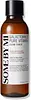
This brightening toner is formulated around Galactomyces Ferment Filtrate and Niacinamide to brighten dull-looking skin and fade the look of dark spots.
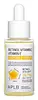
This anti-aging serum is formulated around Centella Asiatica Extract and Retinol to soften the look of wrinkles and refine skin texture.

What's inside
What's inside
 Key Ingredients
Benefits
Concerns
Ingredients Side-by-side
Galactomyces Ferment Filtrate
Humectant







Butylene Glycol
Humectant
1,2-Hexanediol
Skin Conditioning
Niacinamide
Smoothing






Glycerin
Humectant
Ascorbic Acid
Antioxidant

Tromethamine
BufferingC12-14 Pareth-12
EmulsifyingWater
Skin ConditioningAllantoin
Skin Conditioning
Cellulose Gum
Emulsion StabilisingEthylhexylglycerin
Skin ConditioningAdenosine
Skin Conditioning
Hydrogenated Lecithin
Emulsifying
Polyglyceryl-10 Stearate
Skin Conditioning
Panthenol
Skin Conditioning
Sodium Ascorbyl Phosphate
Antioxidant
Phenylethyl Resorcinol
Antioxidant
Propolis Extract
Skin Conditioning
Aronia Melanocarpa Fruit Extract
Skin ConditioningAspalathus Linearis Extract
Skin ConditioningBambusa Vulgaris Extract
Skin Conditioning
Maltodextrin
Absorbent
Saccharide Hydrolysate
HumectantFicus Carica Fruit Extract
Humectant
Phoenix Dactylifera Fruit Extract
EmollientTuber Magnatum Extract
Skin ConditioningBiotin
AntiseborrhoeicFolic Acid
Skin ConditioningHouttuynia Cordata Extract
Skin Conditioning
Pyridoxine
Skin ConditioningOpuntia Coccinellifera Fruit Extract
Skin ConditioningOpuntia Ficus-Indica Extract
Skin Conditioning
Caprylic/Capric Triglyceride
Masking
Adansonia Digitata Seed Extract
Skin ConditioningLeuconostoc/Radish Root Ferment Filtrate
Antimicrobial
Brassica Oleracea Italica Extract
AstringentCalendula Officinalis Flower Extract
Masking
Sparassis Crispa Extract
Emulsion StabilisingCyanocobalamin
Skin ConditioningTocopherol
Antioxidant
Euterpe Oleracea Fruit Extract
Ribes Nigrum Fruit Extract
Astringent
Rubus Fruticosus Fruit Extract
AstringentRubus Idaeus Fruit Extract
AstringentVaccinium Angustifolium Fruit Extract
Skin Protecting
Vaccinium Macrocarpon Fruit Extract
AstringentVaccinium Myrtillus Fruit Extract
Skin ConditioningSpirulina Maxima Extract
SmoothingAstaxanthin
Skin Conditioning
Inositol
Humectant
Linoleic Acid
Cleansing
Thiamine Hcl
MaskingDisodium EDTA
Citrus Aurantium Bergamia Fruit Oil
Masking


Limonene
Perfuming

Lavandula Angustifolia Oil
Masking
Linalool
Perfuming
Caramel
Cosmetic ColorantGalactomyces Ferment Filtrate, Butylene Glycol, 1,2-Hexanediol, Niacinamide, Glycerin, Ascorbic Acid, Tromethamine, C12-14 Pareth-12, Water, Allantoin, Cellulose Gum, Ethylhexylglycerin, Adenosine, Hydrogenated Lecithin, Polyglyceryl-10 Stearate, Panthenol, Sodium Ascorbyl Phosphate, Phenylethyl Resorcinol, Propolis Extract, Aronia Melanocarpa Fruit Extract, Aspalathus Linearis Extract, Bambusa Vulgaris Extract, Maltodextrin, Saccharide Hydrolysate, Ficus Carica Fruit Extract, Phoenix Dactylifera Fruit Extract, Tuber Magnatum Extract, Biotin, Folic Acid, Houttuynia Cordata Extract, Pyridoxine, Opuntia Coccinellifera Fruit Extract, Opuntia Ficus-Indica Extract, Caprylic/Capric Triglyceride, Adansonia Digitata Seed Extract, Leuconostoc/Radish Root Ferment Filtrate, Brassica Oleracea Italica Extract, Calendula Officinalis Flower Extract, Sparassis Crispa Extract, Cyanocobalamin, Tocopherol, Euterpe Oleracea Fruit Extract, Ribes Nigrum Fruit Extract, Rubus Fruticosus Fruit Extract, Rubus Idaeus Fruit Extract, Vaccinium Angustifolium Fruit Extract, Vaccinium Macrocarpon Fruit Extract, Vaccinium Myrtillus Fruit Extract, Spirulina Maxima Extract, Astaxanthin, Inositol, Linoleic Acid, Thiamine Hcl, Disodium EDTA, Citrus Aurantium Bergamia Fruit Oil, Limonene, Lavandula Angustifolia Oil, Linalool, Caramel
Water
Skin ConditioningCentella Asiatica Extract 28.1%
Cleansing
Butylene Glycol
Humectant
Propanediol
Solvent
Glycerin
Humectant
Diethoxyethyl Succinate
SolventSolanum Melongena Fruit Extract
Skin ConditioningMelaleuca Alternifolia Leaf Extract
Perfuming
Hydrolyzed Collagen
Emollient
Beta-Glucan
Skin Conditioning
Hippophae Rhamnoides Fruit Extract
Skin Conditioning
Nelumbo Nucifera Extract
Skin ConditioningArtemisia Annua Extract
Masking
Oryza Sativa Extract
Absorbent
Saccharomyces Ferment
Skin Conditioning
Retinol
Skin Conditioning
Glycine Soja Oil
Emollient

BHT
Antioxidant
Tocopheryl Acetate
Antioxidant
Ascorbic Acid
Antioxidant
Sodium Citrate
BufferingMadecassic Acid
Skin Conditioning
Asiaticoside
Antioxidant
Asiatic Acid
Skin Conditioning
Squalane
Emollient
Dipropylene Glycol
Humectant1,2-Hexanediol
Skin Conditioning
Panthenol
Skin Conditioning
Sodium Polyacryloyldimethyl Taurate
Emulsion StabilisingHydroxyacetophenone
Antioxidant
Sodium Hyaluronate
Humectant
Allantoin
Skin Conditioning
Trideceth-10
CleansingCellulose Gum
Emulsion StabilisingDisodium EDTA
Glyceryl Acrylate/Acrylic Acid Copolymer
HumectantCitric Acid
Buffering
Gardenia Florida Fruit Extract
Skin ConditioningXanthan Gum
EmulsifyingInulin
Skin Conditioning
Cellulose
Absorbent
Glucose
Humectant
Fructose
Humectant
Dipotassium Glycyrrhizate
Humectant
Dextrin
AbsorbentWater, Centella Asiatica Extract 28.1%, Butylene Glycol, Propanediol, Glycerin, Diethoxyethyl Succinate, Solanum Melongena Fruit Extract, Melaleuca Alternifolia Leaf Extract, Hydrolyzed Collagen, Beta-Glucan, Hippophae Rhamnoides Fruit Extract, Nelumbo Nucifera Extract, Artemisia Annua Extract, Oryza Sativa Extract, Saccharomyces Ferment, Retinol, Glycine Soja Oil, BHT, Tocopheryl Acetate, Ascorbic Acid, Sodium Citrate, Madecassic Acid, Asiaticoside, Asiatic Acid, Squalane, Dipropylene Glycol, 1,2-Hexanediol, Panthenol, Sodium Polyacryloyldimethyl Taurate, Hydroxyacetophenone, Sodium Hyaluronate, Allantoin, Trideceth-10, Cellulose Gum, Disodium EDTA, Glyceryl Acrylate/Acrylic Acid Copolymer, Citric Acid, Gardenia Florida Fruit Extract, Xanthan Gum, Inulin, Cellulose, Glucose, Fructose, Dipotassium Glycyrrhizate, Dextrin
Reviews
Ingredients Explained
These ingredients are found in both products.
Ingredients higher up in an ingredient list are typically present in a larger amount.
1,2-Hexanediol is a synthetic liquid and another multi-functional powerhouse.
It is a:
- Humectant, drawing moisture into the skin
- Emollient, helping to soften skin
- Solvent, dispersing and stabilizing formulas
- Preservative booster, enhancing the antimicrobial activity of other preservatives
Allantoin is a soothing ingredient known for its protective and moisturizing properties; it's basically a quiet workhorse ingredient you can find in a huge range of cosmetics.
Though it can be derived from the comfrey plant, allantoin is produced synthetically for cosmetic products to ensure purity.
Research shows it can encourage your skin cells to turn over and renew by stimulating keratinocyte and fibroblast proliferation.
It also has mild keratolytic properties to help loosen and shed dead skin cells without being harsh.
Studies also suggest allantoin can help calm inflammation by dialing down some of the chemical signals your skin sends out when it is irritated.
This ingredient is typically used in the 0.1-0.5% range, and the FDA recognizes it as a skin protectant in OTC products up to 2%.
Overall, allantoin is a wonderful addition to most routines; it is stable across a wide pH range (~4-8), works well with other ingredients, and is considered non-sensitizing/non-irritating.
Fun fact: Allantoin is naturally occurring in comfrey root, beets, chamomile, and wheat sprouts. Our bodies even produce it as a byproduct of uric acid metabolism.
Learn more about AllantoinAscorbic Acid is is pure Vitamin C and is the biologically active form used directly by skin.
Not only is vitamin C great for your overall health and immune system, but it also has plenty of benefits for your skin. It is best supported by academic literature for:
Topical vitamin C has been shown to help neutralize oxidative stress from UV and pollution, helping to improve photoaging and hyperpigmentation when used consistently.
One clinical study found that using 5% topical vitamin C for six months improved signs of photodamaged skin, both on the surface and in the deeper structural layers of the skin.
While vitamin C doesn’t replace sunscreen, studies show it can boost photoprotection when combined with Vitamin E and ferulic acid. These two ingredients help improve stability and protective effects.
The big downside of this ingredient is formulation difficulty. Vitamin C is prone to oxidation and doesn't penetrate the skin unless formulated correctly. Research found that vitamin C absorbs into the skin best at a low pH (< 3.5) with about 20% being the upper limit for effective absorption.
Skin levels can saturate after repeated application; this means your skin won’t keep absorbing more once it’s full of vitamin C. This is why more isn’t always better with vitamin C and why very high concentrations don’t necessarily give extra benefits.
Ascorbic acid generally works well with many skincare ingredients but can be irritating when combined with other active ingredients. Strong oxidizing acne treatments like benzoyl peroxide can reduce the effectiveness of vitamin C if they are used at the same time; they are often recommended for use at different times of day.
Read more about other types of Vitamin C:
Foods rich with vitamin C include oranges, strawberries, broccoli, bell peppers, and more. When consuming Vitamin C, your skin receives a portion of the nutrients.
Learn more about Ascorbic AcidButylene Glycol (or BG) is used within cosmetic products for a few different reasons:
Overall, Butylene Glycol is a safe and well-rounded ingredient that works well with other ingredients.
Though this ingredient works well with most skin types, some people with sensitive skin may experience a reaction such as allergic rashes, closed comedones, or itchiness.
Learn more about Butylene GlycolCellulose Gum is a water-soluble polymer that comes from cellulose. It is used to change the texture of a product and to help stabilize emulsions.
As an emulsifier, cellulose gum specifically thicken the texture of water-based products.
This ingredient is considered hypoallergenic and non-toxic. Cellulose Gum can be found in cosmetics, food, and other household goods such as paper products.
Learn more about Cellulose GumDisodium EDTA is a chelating agent. It grabs onto and deactivates metal ions that sneak into your products from water, packaging, or air.
This ingredient mainly works behind the scenes and helps with:
On top of that, this ingredient can counteract the effects of hard water by binding to the minerals in it.
One thing worth knowing is that Disodium EDTA has been shown to be a mild penetration enhancer. It can help other ingredients absorb into skin more effectively which can be a double-edged sword (great for actives, but can also make the active too strong if you have sensitive skin).
Clinical patch testing showed no significant skin irritation at typical use concentrations and minimal dermal absorption.
You'll most likely see this ingredient near the end of an ingredient list. It's typically found in concentrations less than 1%.
Learn more about Disodium EDTAGlycerin (or glycerol) is a compound naturally found in your skin. It's a powerhouse humectant that pulls water into the stratum corneum.
Topically, glycerin does several things at once:
Your skin makes glycerin on its own (mostly from sebaceous oil breakdown) and shuttles it to your outermost layer of skin, or your epidermis, via aquaporin-3.
Aquaporin-3 is a transporter that is essential for normal skin hydration, elasticity, and repair. Interestingly, mice lacking in AQP3 have dry and less elastic skin that can be fully corrected with glycerin.
This ingredient is non-irritating, plays well with almost every ingredient, and works across all skin types. Typical use is anywhere between 3-10% but can go up to 79% in some leave-on products.
Just know very high concentrations (>40%) can feel tacky in low humidity.
Glycerin is the name for this ingredient in American English. British English uses Glycerol/Glycerine.
Learn more about GlycerinPanthenol is a common ingredient that helps hydrate and soothe the skin. It is found naturally in our skin and hair.
There are two forms of panthenol: D and L.
D-panthenol is also known as dexpanthenol. Most cosmetics use dexpanthenol or a mixture of D and L-panthenol.
Panthenol is famous due to its ability to go deeper into the skin's layers. Using this ingredient has numerous pros (and no cons):
Like hyaluronic acid, panthenol is a humectant. Humectants are able to bind and hold large amounts of water to keep skin hydrated.
This ingredient works well for wound healing. It works by increasing tissue in the wound and helps close open wounds.
Once oxidized, panthenol converts to pantothenic acid. Panthothenic acid is found in all living cells.
This ingredient is also referred to as pro-vitamin B5.
Learn more about PanthenolWater. It's the most common cosmetic ingredient of all. You'll usually see it at the top of ingredient lists, meaning that it makes up the largest part of the product.
So why is it so popular? Water most often acts as a solvent - this means that it helps dissolve other ingredients into the formulation.
You'll also recognize water as that liquid we all need to stay alive. If you see this, drink a glass of water. Remember to stay hydrated!
Learn more about Water


