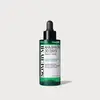
This acne serum is formulated around Centella Asiatica Extract and Niacinamide to clear breakouts and refine skin texture.
This hydrating sheet mask is formulated around Niacinamide and Allantoin to hydrate skin and calm redness.

What's inside
What's inside
 Key Ingredients
Benefits
Concerns
Ingredients Side-by-side
Water
Skin ConditioningCentella Asiatica Extract
Cleansing





Cetyl Ethylhexanoate
EmollientCaprylic/Capric Triglyceride
Masking

Glycerin
Humectant
Olea Europaea Fruit Oil
Masking





Propanediol
Solvent
Alcohol
Antimicrobial


Butylene Glycol
Humectant
1,2-Hexanediol
Skin Conditioning
Niacinamide
Smoothing





Melaleuca Alternifolia Leaf Water
Antimicrobial
Camellia Sinensis Leaf Extract
Antimicrobial
Scutellaria Baicalensis Root Extract
Astringent
Polygonum Cuspidatum Root Extract
Antioxidant
Glycyrrhiza Glabra Root Extract
Bleaching
Chamomilla Recutita Flower Extract
Masking
Rosmarinus Officinalis Leaf Extract
AntimicrobialSodium Lactate
Buffering
Sodium PCA
Humectant
Citric Acid
Buffering
Lactic Acid
Buffering
Malic Acid
Buffering
Glycolic Acid
Buffering
Pyruvic Acid
MaskingTartaric Acid
Buffering
Gaultheria Procumbens Leaf Extract
Perfuming
Lactobionic Acid
Buffering
Pentylene Glycol
Skin Conditioning
Vaccinium Macrocarpon Fruit Extract
AstringentLavandula Angustifolia Extract
Skin Conditioning
Ocimum Basilicum Leaf Extract
Skin ConditioningSyringa Vulgaris Extract
Skin ConditioningHouttuynia Cordata Extract
Skin Conditioning
Angelica Keiskei Extract
Antioxidant
Althaea Officinalis Root Extract
Skin Conditioning
Rosmarinus Officinalis Extract
AntimicrobialMadecassoside
Antioxidant
Camellia Oleifera Seed Oil
Skin Conditioning
Oryza Sativa Bran Oil
Emollient
Camellia Sinensis Seed Oil
Humectant
Rosa Canina Fruit Oil
Emollient
Prunus Amygdalus Dulcis Oil
Skin Conditioning
Limnanthes Alba Seed Oil
Skin Conditioning
Sodium Chloride
MaskingCitrus Paradisi Peel Oil
Masking
Citrus Aurantium Dulcis Peel Oil
Masking
Curcuma Longa Root Extract
Antioxidant
Melia Azadirachta Leaf Extract
Skin ConditioningMelia Azadirachta Flower Extract
Skin ConditioningXanthan Gum
EmulsifyingPelargonium Graveolens Flower Oil
Masking
Boswellia Carterii Oil
Masking
Melia Azadirachta Bark Extract
AntimicrobialCorallina Officinalis Extract
Skin Conditioning
Amyris Balsamifera Bark Oil
Masking
Moringa Oleifera Seed Oil
Emollient
Ocimum Sanctum Leaf Extract
Skin ConditioningDisodium EDTA
ChelatingCaprylyl Glycol
Emollient
Ethylhexylglycerin
Skin ConditioningLimonene
Perfuming
Citronellol
Perfuming
Citral
Perfuming
Water, Centella Asiatica Extract, Cetyl Ethylhexanoate, Caprylic/Capric Triglyceride, Glycerin, Olea Europaea Fruit Oil, Propanediol, Alcohol, Butylene Glycol, 1,2-Hexanediol, Niacinamide, Melaleuca Alternifolia Leaf Water, Camellia Sinensis Leaf Extract, Scutellaria Baicalensis Root Extract, Polygonum Cuspidatum Root Extract, Glycyrrhiza Glabra Root Extract, Chamomilla Recutita Flower Extract, Rosmarinus Officinalis Leaf Extract, Sodium Lactate, Sodium PCA, Citric Acid, Lactic Acid, Malic Acid, Glycolic Acid, Pyruvic Acid, Tartaric Acid, Gaultheria Procumbens Leaf Extract, Lactobionic Acid, Pentylene Glycol, Vaccinium Macrocarpon Fruit Extract, Lavandula Angustifolia Extract, Ocimum Basilicum Leaf Extract, Syringa Vulgaris Extract, Houttuynia Cordata Extract, Angelica Keiskei Extract, Althaea Officinalis Root Extract, Rosmarinus Officinalis Extract, Madecassoside, Camellia Oleifera Seed Oil, Oryza Sativa Bran Oil, Camellia Sinensis Seed Oil, Rosa Canina Fruit Oil, Prunus Amygdalus Dulcis Oil, Limnanthes Alba Seed Oil, Sodium Chloride, Citrus Paradisi Peel Oil, Citrus Aurantium Dulcis Peel Oil, Curcuma Longa Root Extract, Melia Azadirachta Leaf Extract, Melia Azadirachta Flower Extract, Xanthan Gum, Pelargonium Graveolens Flower Oil, Boswellia Carterii Oil, Melia Azadirachta Bark Extract, Corallina Officinalis Extract, Amyris Balsamifera Bark Oil, Moringa Oleifera Seed Oil, Ocimum Sanctum Leaf Extract, Disodium EDTA, Caprylyl Glycol, Ethylhexylglycerin, Limonene, Citronellol, Citral
Water
Skin ConditioningGlycereth-26
Humectant
Niacinamide
Smoothing
Dipropylene Glycol
HumectantPropanediol
Solvent
Alcohol
Antimicrobial
Glycerin
Humectant
Butylene Glycol
Humectant
1,2-Hexanediol
Skin Conditioning
Hydroxyethyl Urea
Humectant
Sodium Carbomer
Emulsion StabilisingAllantoin
Skin Conditioning
Glycyrrhiza Glabra Root Extract
Bleaching
Camellia Sinensis Leaf Extract
Antimicrobial
Hydroxyethylcellulose
Emulsion StabilisingZingiber Officinale Root Extract
Masking
Coptis Chinensis Root Extract
Antioxidant
Dehydroacetic Acid
Preservative
Sodium Hyaluronate
Humectant
Dipotassium Glycyrrhizate
Humectant
Disodium EDTA
ChelatingCaprylic/Capric Triglyceride
Masking
Polyglyceryl-10 Laurate
Skin Conditioning
Polyglyceryl-10 Myristate
Skin Conditioning
Boswellia Serrata Gum
Masking
Limonene
Perfuming
Beta-Glucan
Skin Conditioning
Hydrogenated Lecithin
Emulsifying
Citrus Limon Fruit Extract
Masking
Lavandula Angustifolia Oil
Masking
Citral
Perfuming
Eucalyptus Globulus Leaf Oil
Perfuming
Pinus Palustris Oil
Masking
Ceramide NP
Skin Conditioning
Phytosteryl/Octyldodecyl Lauroyl Glutamate
Skin ConditioningCitrus Nobilis Oil
Masking
Water, Glycereth-26, Niacinamide, Dipropylene Glycol, Propanediol, Alcohol, Glycerin, Butylene Glycol, 1,2-Hexanediol, Hydroxyethyl Urea, Sodium Carbomer, Allantoin, Glycyrrhiza Glabra Root Extract, Camellia Sinensis Leaf Extract, Hydroxyethylcellulose, Zingiber Officinale Root Extract, Coptis Chinensis Root Extract, Dehydroacetic Acid, Sodium Hyaluronate, Dipotassium Glycyrrhizate, Disodium EDTA, Caprylic/Capric Triglyceride, Polyglyceryl-10 Laurate, Polyglyceryl-10 Myristate, Boswellia Serrata Gum, Limonene, Beta-Glucan, Hydrogenated Lecithin, Citrus Limon Fruit Extract, Lavandula Angustifolia Oil, Citral, Eucalyptus Globulus Leaf Oil, Pinus Palustris Oil, Ceramide NP, Phytosteryl/Octyldodecyl Lauroyl Glutamate, Citrus Nobilis Oil
Reviews
Ingredients Explained
These ingredients are found in both products.
Ingredients higher up in an ingredient list are typically present in a larger amount.
1,2-Hexanediol is a synthetic liquid and another multi-functional powerhouse.
It is a:
- Humectant, drawing moisture into the skin
- Emollient, helping to soften skin
- Solvent, dispersing and stabilizing formulas
- Preservative booster, enhancing the antimicrobial activity of other preservatives
This ingredient is also called ethanol or ethyl alcohol. It is denatured, meaning made undrinkable for cosmetic use.
In formulas, it:
Is it bad for your skin?
The answer comes down to concentration. Patch and wash studies have found highly concentrated alcohol-based hand rubs (60-100%) cause less barrier disruption than washing with a basic detergent like SLS. The only measurable effect in these studies was a temporary dip in skin hydration.
Concentrations below 12-15% in leave-on cosmetics is generally well-tolerated. Concentrations above start to see increased transepidermal water loss (TEWL) and reduced hydration.
In concentrations about 58%, it creates temporary channels in your skin's lipid layers to become more permeable and allow other ingredients to slip through easily.
This ingredient can be up to 80% of the formula in alcohol-based perfumes.
Overall, this ingredient is probably harmless if found lower down an ingredients list but worth side-eyeing if it's high up (especially if your barrier is already struggling).
Alcohol can worsen dry skin, eczema, and oily skin, especially at higher concentrations. This is because it can increase transepidermal water loss and decrease hydration to disrupt the skin barrier.
According to the National Rosacea Society based in the US, you should be mindful of products with these alcohols in the top half of ingredients.
True allergic contact dermatitis to ethanol is uncommon, but be sure to patch test if you have dry or sensitive skin.
Learn more about AlcoholButylene Glycol (or BG) is used within cosmetic products for a few different reasons:
Overall, Butylene Glycol is a safe and well-rounded ingredient that works well with other ingredients.
Though this ingredient works well with most skin types, some people with sensitive skin may experience a reaction such as allergic rashes, closed comedones, or itchiness.
Learn more about Butylene GlycolCamellia Sinensis Leaf Extract (tea extract) is one of the most well-researched plant extracts in skincare with an impressive resume.
Black tea, green tea, and oolong tea are all harvested from the Camellia Sinensis plant.
Studies show green tea extract and its catechins (like epigallocatechin gallate (EGCG)) help your skin cells product energy more efficiently and reducing the number of free-radicals that can damage your skin from the inside.
In lab-grown skin models, this translated to younger, healthier, and stronger skin.
There's also good sun protection data; researchers saw less DNA damage and redness on human skin when green tea was applied before UVB exposure. And the more they applied, the better the protection.
Needless to say, this ingredient shouldn't replace your sunscreen. But it is a great supportive ingredient that you can already find in many sunscreens and antioxidant serums.
A 2009 study found a 2% green tea lotion was effective for mild-to-moderate acne thanks to its anti-inflammatory and mild antimicrobial activity.
The quality of the extract matters a lot here:
Good extracts contain 50-90% catechins while lower quality ones are mostly there for marketing. We recommend reaching out to the brand if you have questions about the quality or source of their ingredients.
Human Repeated Insult Patch Testing showed no irritation or sensitization at use concentrations (0.86% in leave-on products and up to 30% as leaf water).
Learn more about Camellia Sinensis Leaf ExtractCaprylic/Capric Triglyceride (aka MCT Oil) is a lightweight emollient, solvent, and texture enhancer. It is considered a skin-softener by helping to prevent moisture loss.
Though it behaves like an oil, it is not technically one due to its chemical composition. One perk of this ingredient is that it is very stable, resistant to oxidation, and unlikely to go rancid.
In practice, that translates to a long shelf life and a consistently elegant skin feel.
While there is an assumption Caprylic Triglyceride can clog pores due to it being derived from coconut oil, there is no research supporting this. Just patch test if you have concerns.
Fractionated coconut oil and MCT Oil are both listed as Caprylic/Capric Triglyceride according to INCI. This is because INCI names are based on the ingredient’s final chemical composition and not its marketing name or source.
This ingredient is treated as the gold standard fungal acne safe oil. Even though it is coconut derived, the problematic lauric acid is stripped out.
This leaves just caprylic (C8) and capric (C10) acid. These chain lengths actually trend antifungal; a 2020 study found caprylic acid was enough to disrupt Malassezia furfur cell membrane, with a caprylic acid derivative damaging membrane structures at concentrations as low as 0.2%.
Learn more about Caprylic/Capric TriglycerideCitral is the molecule responsible for the fresh lemon scent in lemon, lime, and lemongrass. It is a fragrance ingredient that can be created from plant essential oils or synthetically.
Though Citral has documented antimicrobial activity against acne bacteria (which is where the marketing claims about it being good for acne-prone skin originate), real formulas use it at fragrance-level concentrations under 1% so there's likely no skin benefit.
You should know this ingredient is a known EU fragrance allergen.
Animal studies classifies this ingredient as a weak-to-moderate skin sensitizer and clinical patch testing on eczema patients confirmed it to be both a contact allergen and irritant.
The term 'citral' is a collective term for two geometric isomers: geranial/Citral A and neral/Citral B.
The term 'fragrance' is not regulated in many countries. In many cases, it is up to the brand to define this term. For instance, many brands choose to label themselves as "fragrance-free" because they are not using synthetic fragrances. However, their products may still contain ingredients such as essential oils that are considered a fragrance.
Learn more about CitralDisodium EDTA is a chelating agent. It grabs onto and deactivates metal ions that sneak into your products from water, packaging, or air.
This ingredient mainly works behind the scenes and helps with:
On top of that, this ingredient can counteract the effects of hard water by binding to the minerals in it.
One thing worth knowing is that Disodium EDTA has been shown to be a mild penetration enhancer. It can help other ingredients absorb into skin more effectively which can be a double-edged sword (great for actives, but can also make the active too strong if you have sensitive skin).
Clinical patch testing showed no significant skin irritation at typical use concentrations and minimal dermal absorption.
You'll most likely see this ingredient near the end of an ingredient list. It's typically found in concentrations less than 1%.
Learn more about Disodium EDTAGlycerin (or glycerol) is a compound naturally found in your skin. It's a powerhouse humectant that pulls water into the stratum corneum.
Topically, glycerin does several things at once:
Your skin makes glycerin on its own (mostly from sebaceous oil breakdown) and shuttles it to your outermost layer of skin, or your epidermis, via aquaporin-3.
Aquaporin-3 is a transporter that is essential for normal skin hydration, elasticity, and repair. Interestingly, mice lacking in AQP3 have dry and less elastic skin that can be fully corrected with glycerin.
This ingredient is non-irritating, plays well with almost every ingredient, and works across all skin types. Typical use is anywhere between 3-10% but can go up to 79% in some leave-on products.
Just know very high concentrations (>40%) can feel tacky in low humidity.
Glycerin is the name for this ingredient in American English. British English uses Glycerol/Glycerine.
Learn more about GlycerinGlycyrrhiza Glabra Root Extract is an extract of the roots of Licorice. It has been found to have several benefits such as skin hydrating, conditioning, and soothing.
One component, glabridin, has extra potent antioxidant and soothing properties. It has also been found to block pigmentation from UVB rays in guinea pigs.
Licorice Root also contains a flavonoid. Flavonoids are a natural substance from in plants. Flavonoids also have antioxidant properties.
Another component, glycyrrhizin, has been found to have anti-inflammatory and antimicrobial benefits. This may make licorice root extract effective at treating acne. However, more research is needed to support this.
Liquiritin is one of the flavone compounds found in licorice. It has been found to help lighten skin by preventing tyrosinase from reacting with tyrosine. When the two react, protein is converted to melanin. Melanin is the substance in your body that gives your features pigmentation.
Learn more about Glycyrrhiza Glabra Root ExtractLimonene is the compound that gives citrus peel its smell.
In skincare, it shows up as a standalone fragrance ingredient or as a natural compound of citrus and other essential oils.
You'll typically see this ingredient used in very small amounts; anything above 0.001% in a leave-on product or 0.01% in a rinse-off has to be named on the label in the EU. The citrus oils that carry it sit around 0.5-1% in a finished formula.
Fresh limonene is a weak allergen; the real issue is that it slowly reacts with air and then breaks down from oxidation to create hydroperoxides (which are strong sensitizers). This is why suppliers are required to keep the peroxide value below 20 mmol.
Positive reactions in people being investigated for eczema vary:
It's worth skipping if you have a known fragrance allergy or a compromised barrier, but the risk is low for most people.
Older or long-opened products are also more likely to bother you than fresh ones due to oxidation.
Learn more about LimoneneNiacinamide is a multitasking form of vitamin B3 that strengthens the skin barrier, reduces pores and dark spots, regulates oil, and improves signs of aging.
And the best part? It's gentle and well-tolerated by most skin types, including sensitive and reactive skin.
You might have heard of "niacin flush", or the reddening of skin that causes itchiness. Niacinamide has not been found to cause this.
In very rare cases, some individuals may not be able to tolerate niacinamide at all or experience an allergic reaction to it.
If you are experiencing flaking, irritation, and dryness with this ingredient, be sure to double check all your products as this ingredient can be found in all categories of skincare.
When incorporating niacinamide into your routine, look out for concentration amounts. Typically, 5% niacinamide provides benefits such as fading dark spots. However, if you have sensitive skin, it is better to begin with a smaller concentration.
When you apply niacinamide to your skin, your body converts it into nicotinamide adenine dinucleotide (NAD). NAD is an essential coenzyme that is already found in your cells as "fuel" and powers countless biological processes.
In your skin, NAD helps repair cell damage, produce new healthy cells, support collagen production, strengthen the skin barrier, and fight environmental stressors (like UV and pollution).
Our natural NAD levels start to decline with age, leading to slower skin repair, visible aging, and a weaker skin barrier. By providing your skin niacinamide, you're recharging your skin's NAD levels. This leads to stronger, healthier, and younger looking skin.
Another name for vitamin B3 is nicotinamide. This vitamin is water-soluble and our bodies don't store it. We obtain Vitamin B3 from either food or skincare. Meat, fish, wheat, yeast, and leafy greens contain vitamin B3.
The type of niacinamide used in skincare is synthetically created.
Learn more about NiacinamidePropanediol is an all-star ingredient. It softens, hydrates, and smooths the skin.
It’s often used to:
Propanediol is not likely to cause sensitivity and considered safe to use. It is derived from corn or petroleum with a clear color and no scent.
Learn more about PropanediolWater. It's the most common cosmetic ingredient of all. You'll usually see it at the top of ingredient lists, meaning that it makes up the largest part of the product.
So why is it so popular? Water most often acts as a solvent - this means that it helps dissolve other ingredients into the formulation.
You'll also recognize water as that liquid we all need to stay alive. If you see this, drink a glass of water. Remember to stay hydrated!
Learn more about Water

