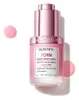
This brightening serum is formulated around Sodium DNA and Astaxanthin to brighten dull-looking skin and refine skin texture.
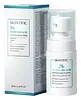
This brightening serum is formulated around Tranexamic Acid and Niacinamide to fade the look of dark spots and brighten dull-looking skin.

What's inside
What's inside
 Key Ingredients
Benefits
Concerns
Ingredients Side-by-side
Water
Skin ConditioningPEG-8
HumectantPropylene Glycol
Humectant


Butylene Glycol
Humectant
Glycereth-26
Humectant
Glycerin
Humectant
Dimethicone
Emollient
Sodium DNA
Skin Conditioning
Diglucosyl Gallic Acid
Haberlea Rhodopensis Leaf Extract
Skin ConditioningBisabolol
Antioxidant


Epigallocatechin Gallatyl Glucoside
Antioxidant
Astaxanthin
Skin Conditioning
Hydrolyzed Algae Extract
Skin ConditioningHimanthalia Elongata Extract
Skin Protecting
Ascorbic Acid
Antioxidant


Allantoin
Skin Conditioning
Beta-Glucan
Skin Conditioning
Cyanocobalamin
Skin ConditioningDipropylene Glycol
HumectantCaprylic/Capric/Succinic Triglyceride
EmollientSodium Polyacryloyldimethyl Taurate
Emulsion Stabilising1,2-Hexanediol
Skin Conditioning
Hydroxyacetophenone
Antioxidant
Hydrogenated Polydecene
EmollientAmmonium Acryloyldimethyltaurate/Beheneth-25 Methacrylate Crosspolymer
Emulsion StabilisingGlyceryl Stearate
Emollient
Propanediol
Solvent
Disodium EDTA
ChelatingDimethiconol
Emollient
Cetearyl Alcohol
Emollient


Trideceth-10
CleansingSodium Stearoyl Lactylate
EmulsifyingHydroxymethoxyphenyl Decanone
Skin ConditioningCaprylyl Glycol
Emollient
Pentylene Glycol
Skin Conditioning
Caprylic/Capric Triglyceride
Masking
Polyglyceryl-10 Oleate
Skin Conditioning
PEG-40 Hydrogenated Castor Oil
Emulsifying
Sodium Benzoate
Masking
Aroma


CI 17200
Cosmetic ColorantWater, PEG-8, Propylene Glycol, Butylene Glycol, Glycereth-26, Glycerin, Dimethicone, Sodium DNA, Diglucosyl Gallic Acid, Haberlea Rhodopensis Leaf Extract, Bisabolol, Epigallocatechin Gallatyl Glucoside, Astaxanthin, Hydrolyzed Algae Extract, Himanthalia Elongata Extract, Ascorbic Acid, Allantoin, Beta-Glucan, Cyanocobalamin, Dipropylene Glycol, Caprylic/Capric/Succinic Triglyceride, Sodium Polyacryloyldimethyl Taurate, 1,2-Hexanediol, Hydroxyacetophenone, Hydrogenated Polydecene, Ammonium Acryloyldimethyltaurate/Beheneth-25 Methacrylate Crosspolymer, Glyceryl Stearate, Propanediol, Disodium EDTA, Dimethiconol, Cetearyl Alcohol, Trideceth-10, Sodium Stearoyl Lactylate, Hydroxymethoxyphenyl Decanone, Caprylyl Glycol, Pentylene Glycol, Caprylic/Capric Triglyceride, Polyglyceryl-10 Oleate, PEG-40 Hydrogenated Castor Oil, Sodium Benzoate, Aroma, CI 17200
Water
Skin ConditioningButylene Glycol
Humectant
Pentylene Glycol
Skin Conditioning
Betaine
Humectant
Tranexamic Acid
Astringent
Niacinamide
Smoothing



Alpha-Arbutin
Antioxidant
Isononyl Isononanoate
EmollientCyclopentasiloxane
Emollient
PEG-32
HumectantCyclohexasiloxane
Emollient
Dimethicone/PEG-10/15 Crosspolymer
Ectoin
Skin Conditioning
Hydroxyethylpiperazine Ethane Sulfonic Acid
BufferingAllantoin
Skin Conditioning
Centella Asiatica Extract
Cleansing
Sodium Hyaluronate
Humectant
Bis-PEG/PPG-20/5 PEG/PPG-20/5 Dimethicone
Emulsifying
Methoxy PEG/PPG-25/4 Dimethicone
Emulsifying
Soy Amino Acids
Skin ConditioningAcetyl Glucosamine
Skin Conditioning
Ceramide EOP
Skin Conditioning
Ceramide Ns
Skin Conditioning
Ceramide Ng
Skin Conditioning
Ceramide NP
Skin Conditioning
Ceramide AP
Skin Conditioning
Glycyrrhiza Glabra Root Extract
Bleaching
Ceramide As
Skin Conditioning
Arginine
Masking
Galactomyces Ferment Filtrate
Humectant
Decarboxy Carnosine Hcl
Skin ConditioningHydrolyzed Sodium Hyaluronate
Skin Conditioning
Tocopherol
Antioxidant
Ergothioneine
Antioxidant
Nonapeptide-1
Skin Conditioning
Oligopeptide-1
Skin Conditioning
Hexapeptide-2
Bleaching
Hexapeptide-9
Skin Conditioning
Sodium Acetylated Hyaluronate
Humectant
Sodium Hyaluronate Crosspolymer
Humectant
Citrus Reticulata Fruit Extract
Skin ProtectingCarbenia Benedicta Extract
Skin ConditioningHydrogenated Lecithin
Emulsifying
Palmitoyl Tripeptide-1
Skin Conditioning
Palmitoyl Tetrapeptide-7
Skin Conditioning
Glyceryl Stearate
Emollient
Sodium Polyglutamate
HumectantPolyacrylate Crosspolymer-6
Emulsion StabilisingEthylhexylglycerin
Skin ConditioningHydroxyphenyl Propamidobenzoic Acid
Skin ConditioningDipropylene Glycol
HumectantSodium Citrate
BufferingCetyl-Pg Hydroxyethyl Palmitamide
Skin ConditioningCarbomer
Emulsion StabilisingCholesterol
Emollient
Glycerin
Humectant
1,2-Hexanediol
Skin Conditioning
Propanediol
Solvent
Potassium Sorbate
Preservative
Phenoxyethanol
Preservative
Sodium Lactate
Buffering
Polysorbate 20
Emulsifying
Water, Butylene Glycol, Pentylene Glycol, Betaine, Tranexamic Acid, Niacinamide, Alpha-Arbutin, Isononyl Isononanoate, Cyclopentasiloxane, PEG-32, Cyclohexasiloxane, Dimethicone/PEG-10/15 Crosspolymer, Ectoin, Hydroxyethylpiperazine Ethane Sulfonic Acid, Allantoin, Centella Asiatica Extract, Sodium Hyaluronate, Bis-PEG/PPG-20/5 PEG/PPG-20/5 Dimethicone, Methoxy PEG/PPG-25/4 Dimethicone, Soy Amino Acids, Acetyl Glucosamine, Ceramide EOP, Ceramide Ns, Ceramide Ng, Ceramide NP, Ceramide AP, Glycyrrhiza Glabra Root Extract, Ceramide As, Arginine, Galactomyces Ferment Filtrate, Decarboxy Carnosine Hcl, Hydrolyzed Sodium Hyaluronate, Tocopherol, Ergothioneine, Nonapeptide-1, Oligopeptide-1, Hexapeptide-2, Hexapeptide-9, Sodium Acetylated Hyaluronate, Sodium Hyaluronate Crosspolymer, Citrus Reticulata Fruit Extract, Carbenia Benedicta Extract, Hydrogenated Lecithin, Palmitoyl Tripeptide-1, Palmitoyl Tetrapeptide-7, Glyceryl Stearate, Sodium Polyglutamate, Polyacrylate Crosspolymer-6, Ethylhexylglycerin, Hydroxyphenyl Propamidobenzoic Acid, Dipropylene Glycol, Sodium Citrate, Cetyl-Pg Hydroxyethyl Palmitamide, Carbomer, Cholesterol, Glycerin, 1,2-Hexanediol, Propanediol, Potassium Sorbate, Phenoxyethanol, Sodium Lactate, Polysorbate 20
Reviews
Ingredients Explained
These ingredients are found in both products.
Ingredients higher up in an ingredient list are typically present in a larger amount.
1,2-Hexanediol is a synthetic liquid and another multi-functional powerhouse.
It is a:
- Humectant, drawing moisture into the skin
- Emollient, helping to soften skin
- Solvent, dispersing and stabilizing formulas
- Preservative booster, enhancing the antimicrobial activity of other preservatives
Allantoin is a soothing ingredient known for its protective and moisturizing properties; it's basically a quiet workhorse ingredient you can find in a huge range of cosmetics.
Though it can be derived from the comfrey plant, allantoin is produced synthetically for cosmetic products to ensure purity.
Research shows it can encourage your skin cells to turn over and renew by stimulating keratinocyte and fibroblast proliferation.
It also has mild keratolytic properties to help loosen and shed dead skin cells without being harsh.
Studies also suggest allantoin can help calm inflammation by dialing down some of the chemical signals your skin sends out when it is irritated.
This ingredient is typically used in the 0.1-0.5% range, and the FDA recognizes it as a skin protectant in OTC products up to 2%.
Overall, allantoin is a wonderful addition to most routines; it is stable across a wide pH range (~4-8), works well with other ingredients, and is considered non-sensitizing/non-irritating.
Fun fact: Allantoin is naturally occurring in comfrey root, beets, chamomile, and wheat sprouts. Our bodies even produce it as a byproduct of uric acid metabolism.
Learn more about AllantoinButylene Glycol (or BG) is used within cosmetic products for a few different reasons:
Overall, Butylene Glycol is a safe and well-rounded ingredient that works well with other ingredients.
Though this ingredient works well with most skin types, some people with sensitive skin may experience a reaction such as allergic rashes, closed comedones, or itchiness.
Learn more about Butylene GlycolDipropylene Glycol is a synthetically created humectant, stabilizer, and solvent.
This ingredient helps:
Dipropylene glycol is technically an alcohol, but it belongs to the glycol family (often considered part of the ‘good’ alcohols). This means it is hydrating and gentle on skin unlike drying solvent alcohols like denatured alcohol.
As a masking agent, Dipropylene Glycol can be used to cover the smell of other ingredients. However, it does not have a scent.
Studies show Dipropylene Glycol is considered safe to use in skincare.
Learn more about Dipropylene GlycolGlycerin (or glycerol) is a compound naturally found in your skin. It's a powerhouse humectant that pulls water into the stratum corneum.
Topically, glycerin does several things at once:
Your skin makes glycerin on its own (mostly from sebaceous oil breakdown) and shuttles it to your outermost layer of skin, or your epidermis, via aquaporin-3.
Aquaporin-3 is a transporter that is essential for normal skin hydration, elasticity, and repair. Interestingly, mice lacking in AQP3 have dry and less elastic skin that can be fully corrected with glycerin.
This ingredient is non-irritating, plays well with almost every ingredient, and works across all skin types. Typical use is anywhere between 3-10% but can go up to 79% in some leave-on products.
Just know very high concentrations (>40%) can feel tacky in low humidity.
Glycerin is the name for this ingredient in American English. British English uses Glycerol/Glycerine.
Learn more about GlycerinGlyceryl Stearate is made by reacting glycerin with stearic acid (typically sourced from plant oils like palm or coconut). It's an emulsifier, emollient, and mild occlusive.
Emulsifiers help ingredients like oil and water stay mixed so your formula stays nicely blended and uniform in texture.
This ingredient is typically used in concentrations between 1-10%. Studies have found it to be non-sensitizing, non-phototoxic, and non-photoallergenic.
A close cousin of this ingredient is Glyceryl Stearate SE ("self-emulsifying"). This just has a small amount of sodium or potassium stearate added so it can emulsify without a co-emulsifier.
Since this ingredient is an ester of a C18 fatty acid, it may not be fungal acne safe. The Malassezia yeast can potentially metabolize within the C11-C24 range.
Fun fact: The human body also creates Glyceryl Stearate naturally.
Learn more about Glyceryl StearatePentylene Glycol (1,2-pentanediol) is a multitasking little diol with three main roles in a formula:
Research on alkanediols (the family pentylene glycol belongs to) show they work by disrupting microbial cell membranes. This disruption helps the primary preservative system in a product work more effectively at lower doses.
On the safety side, the Cosmetic Ingredient Review Expert Panel has concluded this ingredient to be safe as used in current cosmetic practices + concentrations.
Typical use levels in a formula run about 1-5%.
Learn more about Pentylene GlycolPropanediol is an all-star ingredient. It softens, hydrates, and smooths the skin.
It’s often used to:
Propanediol is not likely to cause sensitivity and considered safe to use. It is derived from corn or petroleum with a clear color and no scent.
Learn more about PropanediolWater. It's the most common cosmetic ingredient of all. You'll usually see it at the top of ingredient lists, meaning that it makes up the largest part of the product.
So why is it so popular? Water most often acts as a solvent - this means that it helps dissolve other ingredients into the formulation.
You'll also recognize water as that liquid we all need to stay alive. If you see this, drink a glass of water. Remember to stay hydrated!
Learn more about Water

