

What's inside
What's inside
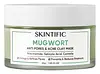 Key Ingredients
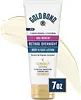
Benefits
Concerns
Ingredients Side-by-side
Water
Skin ConditioningMontmorillonite
AbsorbentGlycerin
Humectant


Artemisia Vulgaris Extract
Skin Conditioning

Cetearyl Alcohol
Emollient




Oryza Sativa Bran Oil
Emollient
Methylpropanediol
SolventEthylhexyl Palmitate
Emollient
CI 77891
Cosmetic ColorantMagnesium Aluminometasilicate
AbsorbentGlyceryl Stearate
Emollient
Volcanic Soil
Skin Conditioning
PEG-100 Stearate
Surfactant
Ceramide AP
Skin Conditioning

1,2-Hexanediol
Skin Conditioning
Hydroxyacetophenone
Antioxidant
Xanthan Gum
EmulsifyingCetearyl Glucoside
Emulsifying
Allantoin
Skin Conditioning
Chlorphenesin
Antimicrobial
Niacinamide
Smoothing






Centella Asiatica Extract
Cleansing
Ceramide As
Skin Conditioning
Ceramide EOP
Skin Conditioning
Sodium Hyaluronate
Humectant
Alchemilla Vulgaris Extract
AstringentBisabolol
Antioxidant
Silica
Abrasive
Ethylhexylglycerin
Skin ConditioningDisodium EDTA
Pentylene Glycol
Skin Conditioning
Sophora Flavescens Root Extract
Antioxidant
Trehalose
Humectant
Opuntia Ficus-Indica Stem Extract
Skin Conditioning
Ophiopogon Japonicus Root Extract
Skin ConditioningHydrogenated Lecithin
Emulsifying
Butylene Glycol
Humectant
Glucose
Humectant
Lactobacillus Ferment
Skin Conditioning
Parfum
Masking



Ceramide NP
Skin Conditioning
Zingiber Officinale Root Extract
Masking
Propylene Glycol
Humectant
Salicylic Acid
Masking

Gentiana Scabra Extract
HumectantAmylopectin
Dextrin
AbsorbentFomes Officinalis Extract
Skin ProtectingPyrus Malus Bark Extract
AstringentCeramide Ns
Skin Conditioning
Propylparaben
Preservative

Glycyrrhiza Inflata Root Extract
Skin Conditioning
Royal Jelly Extract
Skin Conditioning
CI 77492
Cosmetic ColorantWater, Montmorillonite, Glycerin, Artemisia Vulgaris Extract, Cetearyl Alcohol, Oryza Sativa Bran Oil, Methylpropanediol, Ethylhexyl Palmitate, CI 77891, Magnesium Aluminometasilicate, Glyceryl Stearate, Volcanic Soil, PEG-100 Stearate, Ceramide AP, 1,2-Hexanediol, Hydroxyacetophenone, Xanthan Gum, Cetearyl Glucoside, Allantoin, Chlorphenesin, Niacinamide, Centella Asiatica Extract, Ceramide As, Ceramide EOP, Sodium Hyaluronate, Alchemilla Vulgaris Extract, Bisabolol, Silica, Ethylhexylglycerin, Disodium EDTA, Pentylene Glycol, Sophora Flavescens Root Extract, Trehalose, Opuntia Ficus-Indica Stem Extract, Ophiopogon Japonicus Root Extract, Hydrogenated Lecithin, Butylene Glycol, Glucose, Lactobacillus Ferment, Parfum, Ceramide NP, Zingiber Officinale Root Extract, Propylene Glycol, Salicylic Acid, Gentiana Scabra Extract, Amylopectin, Dextrin, Fomes Officinalis Extract, Pyrus Malus Bark Extract, Ceramide Ns, Propylparaben, Glycyrrhiza Inflata Root Extract, Royal Jelly Extract, CI 77492
Water
Skin ConditioningHydroxyethyl Urea
Humectant
Butyrospermum Parkii Butter Extract
Skin Conditioning
Dimethicone
Emollient
Glycerin
Humectant
Stearyl Alcohol
Emollient
Niacinamide
Smoothing
Selaginella Lepidophylla Extract
EmollientSteareth-21
CleansingGlyceryl Stearate
Emollient
Cetyl Alcohol
Emollient
Jojoba Esters
Emollient
Jojoba Oil/Macadamia Seed Oil Esters
Skin Conditioning
Squalene
Emollient
Phytosteryl Macadamiate
Skin Conditioning
Phytosterols
Skin Conditioning
Tocopherol
Antioxidant
Retinol
Skin Conditioning
Cetearyl Alcohol
Emollient
Caprylic/Capric Triglyceride
Masking
Sodium Ascorbate
Antioxidant
Palmitoyl Hexapeptide-12
Skin Conditioning
Polysorbate 60
Emulsifying
Citrullus Lanatus Fruit Extract
Skin Conditioning
Pyrus Malus Fruit Extract
Skin Conditioning
Lens Esculenta Fruit Extract
Skin ConditioningSodium Lactate
Buffering
Sodium PCA
Humectant
Propylene Glycol
Humectant
Hydroxyacetophenone
Antioxidant
Theobroma Cacao Seed Butter
Emollient
Behentrimonium Methosulfate
Surfactant
Stearamidopropyl Pg-Dimonium Chloride Phosphate
Butylene Glycol
Humectant
Polyacrylate Crosspolymer-6
Emulsion StabilisingEthylhexylglycerin
Skin ConditioningGuar Hydroxypropyltrimonium Chloride
Skin ConditioningPanthenol
Skin Conditioning
Disodium EDTA
Citric Acid
Buffering
C12-15 Alkyl Benzoate
AntimicrobialTribehenin
Emollient
Ceramide Ng
Skin Conditioning
PEG-10 Phytosterol
EmulsifyingCaramel
Cosmetic ColorantWater, Hydroxyethyl Urea, Butyrospermum Parkii Butter Extract, Dimethicone, Glycerin, Stearyl Alcohol, Niacinamide, Selaginella Lepidophylla Extract, Steareth-21, Glyceryl Stearate, Cetyl Alcohol, Jojoba Esters, Jojoba Oil/Macadamia Seed Oil Esters, Squalene, Phytosteryl Macadamiate, Phytosterols, Tocopherol, Retinol, Cetearyl Alcohol, Caprylic/Capric Triglyceride, Sodium Ascorbate, Palmitoyl Hexapeptide-12, Polysorbate 60, Citrullus Lanatus Fruit Extract, Pyrus Malus Fruit Extract, Lens Esculenta Fruit Extract, Sodium Lactate, Sodium PCA, Propylene Glycol, Hydroxyacetophenone, Theobroma Cacao Seed Butter, Behentrimonium Methosulfate, Stearamidopropyl Pg-Dimonium Chloride Phosphate, Butylene Glycol, Polyacrylate Crosspolymer-6, Ethylhexylglycerin, Guar Hydroxypropyltrimonium Chloride, Panthenol, Disodium EDTA, Citric Acid, C12-15 Alkyl Benzoate, Tribehenin, Ceramide Ng, PEG-10 Phytosterol, Caramel
Reviews
Ingredients Explained
These ingredients are found in both products.
Ingredients higher up in an ingredient list are typically present in a larger amount.
Butylene Glycol (or BG) is used within cosmetic products for a few different reasons:
Overall, Butylene Glycol is a safe and well-rounded ingredient that works well with other ingredients.
Though this ingredient works well with most skin types, some people with sensitive skin may experience a reaction such as allergic rashes, closed comedones, or itchiness.
Learn more about Butylene GlycolCetearyl alcohol is a waxy mixture of two fatty alcohols: cetyl alcohol and stearyl alcohol. It is an emollient and emulsifier.
Despite having "alcohol" in its name, it has nothing to do with drying solvent alcohols; the FDA also allows "alcohol-free" products to contain fatty alcohols like this ingredient.
It plays several roles in a formula:
Typical use levels for this ingredient sit around 1-10% and the Cosmetic Ingredient Review Expert Panel has affirmed safety at concentrations up to 25% in leave-on products.
Multiple assessments have found it to be non-irritating and non-sensitizing to most people.
However, there have been some cases of allergic contact dermatitis in patients with chronically compromised skin barriers.
Cetearyl alcohol has a comedogenic rating of 2 and irritancy rating of 1. Both of these numbers come from the 1989 study that used rabbit ears; a "2" means mildly comedogenic and a "1" means low irritancy.
Here's the catch: rabbit skin is more sensitive than human skin and throws a lot of false positives. A 1996 reappraisal found that ingredients rated 1-2 in the rabbit ear tests are generally safe for humans.
Remember comedogenic ratings are unable to assess the entire formula of a product or how it will react on your skin. Just be sure to patch test if you are unsure about certain ingredients.
This ingredient is not fungal acne safe. Cetearyl alcohol is a fatty alcohol with chain lengths that fall within the range that Malassezia can metabolize.
A 2019 study has also observed Malassezia growth in the presence of this ingredient, confirming it to be not-fungal acne safe.
Learn more about Cetearyl AlcoholDisodium EDTA is a chelating agent. It grabs onto and deactivates metal ions that sneak into your products from water, packaging, or air.
This ingredient mainly works behind the scenes and helps with:
On top of that, this ingredient can counteract the effects of hard water by binding to the minerals in it.
One thing worth knowing is that Disodium EDTA has been shown to be a mild penetration enhancer. It can help other ingredients absorb into skin more effectively which can be a double-edged sword (great for actives, but can also make the active too strong if you have sensitive skin).
Clinical patch testing showed no significant skin irritation at typical use concentrations and minimal dermal absorption.
You'll most likely see this ingredient near the end of an ingredient list. It's typically found in concentrations less than 1%.
Learn more about Disodium EDTAEthylhexylglycerin is created from glycerin. It is a multitasker ingredient that:
The CIR Expert Panel found minimal skin absorption or sensitization of any kind in a safety assessment. Though this ingredient is considered well-tolerated, a small number of cases of allergic dermatitis have been published since 2002. Just be sure to patch test if you are unsure.
Industry-reported use ranges from 8% in rinse-off products and 2% in leave-on formulations.
Learn more about EthylhexylglycerinGlycerin (or glycerol) is a compound naturally found in your skin. It's a powerhouse humectant that pulls water into the stratum corneum.
Topically, glycerin does several things at once:
Your skin makes glycerin on its own (mostly from sebaceous oil breakdown) and shuttles it to your outermost layer of skin, or your epidermis, via aquaporin-3.
Aquaporin-3 is a transporter that is essential for normal skin hydration, elasticity, and repair. Interestingly, mice lacking in AQP3 have dry and less elastic skin that can be fully corrected with glycerin.
This ingredient is non-irritating, plays well with almost every ingredient, and works across all skin types. Typical use is anywhere between 3-10% but can go up to 79% in some leave-on products.
Just know very high concentrations (>40%) can feel tacky in low humidity.
Glycerin is the name for this ingredient in American English. British English uses Glycerol/Glycerine.
Learn more about GlycerinGlyceryl Stearate is made by reacting glycerin with stearic acid (typically sourced from plant oils like palm or coconut). It's an emulsifier, emollient, and mild occlusive.
Emulsifiers help ingredients like oil and water stay mixed so your formula stays nicely blended and uniform in texture.
This ingredient is typically used in concentrations between 1-10%. Studies have found it to be non-sensitizing, non-phototoxic, and non-photoallergenic.
A close cousin of this ingredient is Glyceryl Stearate SE ("self-emulsifying"). This just has a small amount of sodium or potassium stearate added so it can emulsify without a co-emulsifier.
Since this ingredient is an ester of a C18 fatty acid, it may not be fungal acne safe. The Malassezia yeast can potentially metabolize within the C11-C24 range.
Fun fact: The human body also creates Glyceryl Stearate naturally.
Learn more about Glyceryl StearateHydroxyacetophenone is antioxidant with skin conditioning and soothing properties. It also boosts the efficiency of preservatives.
Though naturally occuring in Norwegian spruce needles, this ingredient is usually synthetically created.
This ingredient is not irritating or sensitizing. Recent research also suggests it may have skin-brightening effects through tyrosinase inhibition.
Learn more about HydroxyacetophenoneNiacinamide is a multitasking form of vitamin B3 that strengthens the skin barrier, reduces pores and dark spots, regulates oil, and improves signs of aging.
And the best part? It's gentle and well-tolerated by most skin types, including sensitive and reactive skin.
You might have heard of "niacin flush", or the reddening of skin that causes itchiness. Niacinamide has not been found to cause this.
In very rare cases, some individuals may not be able to tolerate niacinamide at all or experience an allergic reaction to it.
If you are experiencing flaking, irritation, and dryness with this ingredient, be sure to double check all your products as this ingredient can be found in all categories of skincare.
When incorporating niacinamide into your routine, look out for concentration amounts. Typically, 5% niacinamide provides benefits such as fading dark spots. However, if you have sensitive skin, it is better to begin with a smaller concentration.
When you apply niacinamide to your skin, your body converts it into nicotinamide adenine dinucleotide (NAD). NAD is an essential coenzyme that is already found in your cells as "fuel" and powers countless biological processes.
In your skin, NAD helps repair cell damage, produce new healthy cells, support collagen production, strengthen the skin barrier, and fight environmental stressors (like UV and pollution).
Our natural NAD levels start to decline with age, leading to slower skin repair, visible aging, and a weaker skin barrier. By providing your skin niacinamide, you're recharging your skin's NAD levels. This leads to stronger, healthier, and younger looking skin.
Another name for vitamin B3 is nicotinamide. This vitamin is water-soluble and our bodies don't store it. We obtain Vitamin B3 from either food or skincare. Meat, fish, wheat, yeast, and leafy greens contain vitamin B3.
The type of niacinamide used in skincare is synthetically created.
Learn more about NiacinamidePropylene Glycol is a synthetic, colorless, odorless liquid that has been a staple in cosmetics for decades. It is a skin conditioning agent, humectant, and solvent.
As a humectant, it draw water to the skin to reduce flaking and restore suppleness. It's also a solvent that helps dissolve other actives and keeps formulas stable across temperature changes.
The CIR Expert Panel has confirmed this ingredient to be nontoxic and clinical studies show no sensitization at cosmetic use concentrations.
True allergic reactions are quite rare: a 15-year retrospective study of 6,751 patients found only 0.31% had a positive reaction (and less than half were considered clinically relevant).
It seemed that when sensitization does occur, it's most commonly linked to topical medication (like corticosteroids) and not cosmetics. Allergic contact dermatitis also appears largely limited to individuals with underlying skin conditions.
Overall, propylene glycol is a well-studied ingredient that most people can tolerate without issue.
Learn more about Propylene GlycolWater. It's the most common cosmetic ingredient of all. You'll usually see it at the top of ingredient lists, meaning that it makes up the largest part of the product.
So why is it so popular? Water most often acts as a solvent - this means that it helps dissolve other ingredients into the formulation.
You'll also recognize water as that liquid we all need to stay alive. If you see this, drink a glass of water. Remember to stay hydrated!
Learn more about Water
