SkinCity Skincare First Concentrate Versus Origins Plantscription Active Wrinkle Correction Retinoid Serum
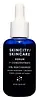
This calming serum is formulated around Niacinamide and Panthenol to calm redness and refine skin texture.
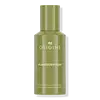
This anti-aging serum is formulated around Hydroxypinacolone Retinoate and Acetyl Hexapeptide-8 to soften the look of wrinkles and refine skin texture.


What's inside
What's inside
 Key Ingredients
Benefits
Concerns
Ingredients Side-by-side
Water
Skin ConditioningNiacinamide
Smoothing











Butylene Glycol
Humectant
Glycerin
Humectant
Panthenol
Skin Conditioning
Phenoxyethanol
Preservative
Sodium PCA
Humectant
Avena Sativa Kernel Oil
Skin Conditioning


Allantoin
Skin Conditioning
Dimethyl Isosorbide
SolventXanthan Gum
EmulsifyingGlycyrrhiza Uralensis Root Extract
Skin Conditioning
Polysorbate 20
Emulsifying
Sodium Hyaluronate
Humectant
Alcohol
Antimicrobial



Ethylhexylglycerin
Skin ConditioningAvena Sativa Kernel Flour
Abrasive
Polygonum Bistorta Root Extract
Skin ConditioningGlycine Soja Oil
Emollient

Hydroxypinacolone Retinoate
Skin Conditioning
Sorbitol
Humectant
Lecithin
Emollient
Sodium Ascorbyl Phosphate
Antioxidant

Tocopherol
Antioxidant
Beta-Sitosterol
Emulsion Stabilising
Sodium Benzoate
Masking
Ubiquinone
Antioxidant
Camellia Sinensis Leaf Extract
Antimicrobial
Centella Asiatica Extract
Cleansing
Chamomilla Recutita Flower Extract
Masking
Glycyrrhiza Glabra Root Extract
Bleaching
Polygonum Cuspidatum Root Extract
Antioxidant
Rosmarinus Officinalis Leaf Extract
AntimicrobialScutellaria Baicalensis Root Extract
Astringent
Squalene
Emollient
Caprylyl Glycol
Emollient
Potassium Sorbate
Preservative
Disodium EDTA
ChelatingGlyceryl Caprylate
EmollientWater, Niacinamide, Butylene Glycol, Glycerin, Panthenol, Phenoxyethanol, Sodium PCA, Avena Sativa Kernel Oil, Allantoin, Dimethyl Isosorbide, Xanthan Gum, Glycyrrhiza Uralensis Root Extract, Polysorbate 20, Sodium Hyaluronate, Alcohol, Ethylhexylglycerin, Avena Sativa Kernel Flour, Polygonum Bistorta Root Extract, Glycine Soja Oil, Hydroxypinacolone Retinoate, Sorbitol, Lecithin, Sodium Ascorbyl Phosphate, Tocopherol, Beta-Sitosterol, Sodium Benzoate, Ubiquinone, Camellia Sinensis Leaf Extract, Centella Asiatica Extract, Chamomilla Recutita Flower Extract, Glycyrrhiza Glabra Root Extract, Polygonum Cuspidatum Root Extract, Rosmarinus Officinalis Leaf Extract, Scutellaria Baicalensis Root Extract, Squalene, Caprylyl Glycol, Potassium Sorbate, Disodium EDTA, Glyceryl Caprylate
Water
Skin ConditioningGlycerin
Humectant
Butylene Glycol
Humectant
Dicaprylyl Carbonate
EmollientOctyldodecanol
Emollient
Silica
Abrasive
Ascorbyl Glucoside
Antioxidant
Hydroxypinacolone Retinoate
Skin Conditioning
Anogeissus Leiocarpus Bark Extract
Skin ProtectingAcetyl Hexapeptide-8
Humectant
Palmitoyl Tripeptide-1
Skin Conditioning
Palmitoyl Tetrapeptide-7
Skin Conditioning
Palmitoyl Hexapeptide-12
Skin Conditioning
Glycyrrhetinic Acid
Skin Conditioning
Laminaria Digitata Extract
Skin Protecting
Sigesbeckia Orientalis Extract
Skin ConditioningNiacinamide
Smoothing
Sodium Hyaluronate
Humectant
Caffeine
Skin Conditioning
Glycine Soja Seed Extract
Skin Conditioning
Porphyridium Cruentum Extract
Skin ConditioningSorbitol
Humectant
Oryzanol
Skin ConditioningGlycine Soja Oil
Emollient
Lecithin
Emollient
Lauroyl Lysine
Skin Conditioning
Ethylhexylglycerin
Skin ConditioningLauryl Glucoside
CleansingMyristyl Glucoside
CleansingTocopherol
Antioxidant
Polyglyceryl-10 Laurate
Skin Conditioning
Xanthan Gum
EmulsifyingSodium Citrate
BufferingSodium Phytate
ChelatingCitric Acid
Buffering
Polyglyceryl-6 Laurate
Emulsifying
Dimethyl Isosorbide
SolventPolysorbate 20
Emulsifying
PEG-8
HumectantGlyceryl Polymethacrylate
Sodium Acrylates Copolymer
Carbomer
Emulsion StabilisingHibiscus Abelmoschus Extract
MaskingIllicium Verum Fruit/Seed Oil
Masking
Citrus Aurantium Bergamia Fruit Oil
Masking

Pelargonium Graveolens Flower Oil
Masking
Lavandula Angustifolia Oil
Masking
Citrus Limon Peel Oil
Masking
Carthamus Tinctorius Seed Oil
Masking
Litsea Cubeba Fruit Oil
Masking
Citrus Nobilis Peel Oil
Masking
Myristica Fragrans Kernel Oil
Masking
Citrus Aurantium Dulcis Peel Oil
Masking
Rosa Damascena Flower Oil
Masking
Linalool
Perfuming
Citronellol
Perfuming
Limonene
Perfuming
Geraniol
Perfuming
Sodium Hydroxide
BufferingPhenoxyethanol
Preservative
Potassium Sorbate
Preservative
Water, Glycerin, Butylene Glycol, Dicaprylyl Carbonate, Octyldodecanol, Silica, Ascorbyl Glucoside, Hydroxypinacolone Retinoate, Anogeissus Leiocarpus Bark Extract, Acetyl Hexapeptide-8, Palmitoyl Tripeptide-1, Palmitoyl Tetrapeptide-7, Palmitoyl Hexapeptide-12, Glycyrrhetinic Acid, Laminaria Digitata Extract, Sigesbeckia Orientalis Extract, Niacinamide, Sodium Hyaluronate, Caffeine, Glycine Soja Seed Extract, Porphyridium Cruentum Extract, Sorbitol, Oryzanol, Glycine Soja Oil, Lecithin, Lauroyl Lysine, Ethylhexylglycerin, Lauryl Glucoside, Myristyl Glucoside, Tocopherol, Polyglyceryl-10 Laurate, Xanthan Gum, Sodium Citrate, Sodium Phytate, Citric Acid, Polyglyceryl-6 Laurate, Dimethyl Isosorbide, Polysorbate 20, PEG-8, Glyceryl Polymethacrylate, Sodium Acrylates Copolymer, Carbomer, Hibiscus Abelmoschus Extract, Illicium Verum Fruit/Seed Oil, Citrus Aurantium Bergamia Fruit Oil, Pelargonium Graveolens Flower Oil, Lavandula Angustifolia Oil, Citrus Limon Peel Oil, Carthamus Tinctorius Seed Oil, Litsea Cubeba Fruit Oil, Citrus Nobilis Peel Oil, Myristica Fragrans Kernel Oil, Citrus Aurantium Dulcis Peel Oil, Rosa Damascena Flower Oil, Linalool, Citronellol, Limonene, Geraniol, Sodium Hydroxide, Phenoxyethanol, Potassium Sorbate
Ingredients Explained
These ingredients are found in both products.
Ingredients higher up in an ingredient list are typically present in a larger amount.
Butylene Glycol (or BG) is used within cosmetic products for a few different reasons:
Overall, Butylene Glycol is a safe and well-rounded ingredient that works well with other ingredients.
Though this ingredient works well with most skin types, some people with sensitive skin may experience a reaction such as allergic rashes, closed comedones, or itchiness.
Learn more about Butylene GlycolDimethyl Isosorbide (often shortened to DMI) is a sugar-derived solvent made from sorbitol. It's used to dissolve tricky ingredients and help them mix smoothly into a formula.
Many actives sit as gritty crystals when undissolved, so DMI swoops in to full dissolve them. This helps improve texture, stability, and how evenly an active is distributed.
It does have a penetration-enhancing reputation that is a bit more nuanced than marketing suggests; a cell study on human skin found that 10% DMI didn't significantly boost the permeation of Hydroquinone, Salicylic Acid, or Octadecenedioic Acid compared to controls (though it did improve their solubility in the formula itself).
Typical usage concentrations usually range from 1-10% depending on the formula's needs; this ingredient is also well tolerated at these levels.
Learn more about Dimethyl IsosorbideEthylhexylglycerin is created from glycerin. It is a multitasker ingredient that:
The CIR Expert Panel found minimal skin absorption or sensitization of any kind in a safety assessment. Though this ingredient is considered well-tolerated, a small number of cases of allergic dermatitis have been published since 2002. Just be sure to patch test if you are unsure.
Industry-reported use ranges from 8% in rinse-off products and 2% in leave-on formulations.
Learn more about EthylhexylglycerinGlycerin (or glycerol) is a compound naturally found in your skin. It's a powerhouse humectant that pulls water into the stratum corneum.
Topically, glycerin does several things at once:
Your skin makes glycerin on its own (mostly from sebaceous oil breakdown) and shuttles it to your outermost layer of skin, or your epidermis, via aquaporin-3.
Aquaporin-3 is a transporter that is essential for normal skin hydration, elasticity, and repair. Interestingly, mice lacking in AQP3 have dry and less elastic skin that can be fully corrected with glycerin.
This ingredient is non-irritating, plays well with almost every ingredient, and works across all skin types. Typical use is anywhere between 3-10% but can go up to 79% in some leave-on products.
Just know very high concentrations (>40%) can feel tacky in low humidity.
Glycerin is the name for this ingredient in American English. British English uses Glycerol/Glycerine.
Learn more about GlycerinGlycine Soja Oil is a plant-derived oil from soybean seeds. Like other oils, it is rich in essential fatty acids (mostly linoleic and oleic) that support skin hydration and barrier function.
The fatty acids are able to integrate into the lipid matrix of the stratum corneum to help soften skin and reduce water loss.
On top of that, soybean oil is rich in vitamins like vitamin E, a potent antioxidant.
Research on soybean's active components also point to anti-inflammatory, collagen-stimulating, antioxidant activity, and protection against UV-induced oxidative damage.
Most of this research applies to the broader soybean plant and not just the oil fraction alone.
This ingredient does carry a comedogenic rating of 3 from the old rabbit-ear assay. Just remember testing finished products in humans showed that formulas built with "comedogenic" ingredients are not necessarily comedogenic themselves. It's worth patch testing if you're breakout prone, and always listen to your skin.
Because this ingredient is a saturated triglyceride, it may not be fungal acne safe. This is because Malassezia breaks down sebum triglycerides into fatty acids it can consume, making this ingredient a possible source for the yeast.
Learn more about Glycine Soja OilHydroxypinacolone Retinoate (aka Granactive Retinoid or HPR) is a retinoid that is part of the same vitamin A family as retinol.
It is an ester of retinoic acid that binds directly to your skin's retinoic acid receptors so it doesn't need your skin to convert it through several steps before it can do anything.
In practice, this means it does the classic retinoid jobs in a formula:
The best part is that it can do all this with noticeably less redness, flaking, and stinging than traditional retinoids.
That gentle reputation is backed by lab work as well; a 2018 study on skin models found that HPR triggered higher retinoid-gene activity than retinol, retinal, or retinyl propionate at the same concentrations while being less irritating to cells.
It also boosted procollagen production to levels similar to retinoic acid itself.
A 2023 study showed HPR works synergistically with retinyl propionate to switch on collagen-building pathways and a 2025 clinical serum study in women with mild photoaging saw improvements in wrinkles and elasticity (though that formula also contained retinol, peptides, and Silybin).
One naming quirk worth mentioning:
You'll likely see this ingredient sold under the trade name "Granactive Retinoid", which is actually only 10% HPR blended with 90% Dimethyl Isosorbide solvent. This means a 5% Granactive Retinoid really only means about 0.5% HPR.
Finished products typically land somewhere between 0.05-1% and it's happiest formulated at a mildly acidic to neutral pH (~5.5-6.5).
Another perk is that this is one of the more light- and temperature-stable retinoids which is a nice bonus for shelf life.
Learn more about Hydroxypinacolone RetinoateLecithin is a term for a group of substances found in the cell membranes of plants, animals, and humans. They are made up of phospholipids.
Thanks to its amphiphilic structure (water-loving head and oil-loving tail), it is a true multitasker:
It plays well with most ingredients and is typically used at 0.1-1%. However, concentrations up to 50% have been reported in moisturizers.
Learn more about LecithinNiacinamide is a multitasking form of vitamin B3 that strengthens the skin barrier, reduces pores and dark spots, regulates oil, and improves signs of aging.
And the best part? It's gentle and well-tolerated by most skin types, including sensitive and reactive skin.
You might have heard of "niacin flush", or the reddening of skin that causes itchiness. Niacinamide has not been found to cause this.
In very rare cases, some individuals may not be able to tolerate niacinamide at all or experience an allergic reaction to it.
If you are experiencing flaking, irritation, and dryness with this ingredient, be sure to double check all your products as this ingredient can be found in all categories of skincare.
When incorporating niacinamide into your routine, look out for concentration amounts. Typically, 5% niacinamide provides benefits such as fading dark spots. However, if you have sensitive skin, it is better to begin with a smaller concentration.
When you apply niacinamide to your skin, your body converts it into nicotinamide adenine dinucleotide (NAD). NAD is an essential coenzyme that is already found in your cells as "fuel" and powers countless biological processes.
In your skin, NAD helps repair cell damage, produce new healthy cells, support collagen production, strengthen the skin barrier, and fight environmental stressors (like UV and pollution).
Our natural NAD levels start to decline with age, leading to slower skin repair, visible aging, and a weaker skin barrier. By providing your skin niacinamide, you're recharging your skin's NAD levels. This leads to stronger, healthier, and younger looking skin.
Another name for vitamin B3 is nicotinamide. This vitamin is water-soluble and our bodies don't store it. We obtain Vitamin B3 from either food or skincare. Meat, fish, wheat, yeast, and leafy greens contain vitamin B3.
The type of niacinamide used in skincare is synthetically created.
Learn more about NiacinamidePhenoxyethanol is one of the most widely used preservatives in skincare (and for good reason!).
It has a large spectrum of antimicrobial activity and especially effective bacteria, yeast, and mold while only having a weak effect on your skin's natural microbiome.
On a cellular level, it disrupts the cell membranes of microbes by poking holes that make the cell leak. This shuts down the chemical reactions the microbe needs to make energy so it can no longer survive.
Another perk of this ingredient is that it stays functional across a wide pH range (3-10).
You'll often see it paired with boosters like Ethylhexylglycerin; one study showed that a 1:9 ratio of Ethylhexylglycerin to Phenoxyethanol damages bacterial membranes as effectively as doubling the Phenoxyethanol concentration on its own.
Typical use concentrations range from 0.3-1% depending on the formula, and this ingredient is capped at 1% int the EU.
Safety-wise, the fear mongering does not hold up to the evidence. The EU's Scientific Committee on Consumer Safety and FDA consider it safe as a preservative at up to 1%, including for children of all ages.
Adverse systemic effects only showed up in animal studies at exposures roughly 200x higher than what people get from cosmetics. And despite its very widespread use, this ingredient is a rare sensitizer and allergic reactions are uncommon.
Learn more about PhenoxyethanolPolysorbate 20 is a gentle, water-soluble emulsifier and mild surfactant. It stops oil and water from separating to keep your formulas blended and stable.
It also acts as a mild penetration enhancer by helping active ingredients absorb slightly better.
The common safety discussion around this ingredient involves a manufacturing byproduct called 1,4-dioxane.
Trace amounts can form during production but the EU's Scientific Committee on Consumer Safety has concluded that levels at/below 10 ppm in finished products are safe (commercial products consistently fall within acceptable margins).
True allergic reactions are uncommon and the CIR Expert Panel has confirmed this ingredient to be safe as used in cosmetics.
Because it is derived from lauric acid, it may not be fungal acne safe.
Learn more about Polysorbate 20Potassium Sorbate is a preservative used to prevent yeast and mold in products. It is commonly found in both cosmetic and food products.
This ingredient comes from potassium salt derived from sorbic acid. Sorbic acid is a natural antibiotic and effective against fungus.
Both potassium sorbate and sorbic acid can be found in baked goods, cheeses, dried meats, dried fruit, ice cream, pickles, wine, yogurt, and more.
You'll often find this ingredient used with other preservatives.
Learn more about Potassium SorbateSodium Hyaluronate is the salt form of hyaluronic acid. It is a long sugar chain that is naturally found in your skin, joints, and connective tissue that maintains hydration and elasticity.
In skincare, it works as a humectant. It pulls water from the environment and deeper layers of skin and binds it to the surface.
Interestingly, the size of the molecule affects its behavior:
Some clinical evidence links low molecular weight versions to improved wrinkle depth, elasticity, anti-inflammatory effects, and barrier repair.
Many serums use a blend of both weights so you can get surface hydration plus longer-lasting and deeper effects.
You'll typically see concentrations between 0.1-2% for this ingredient.
Learn more about Sodium HyaluronateSorbitol is a sugar alcohol. It is a hydrating and moisturizing agent created from the reduction process of glucose.
Most sorbitol is usually made from potato starch. It is also found in fruits such as apples and pears.
As a humectant, Sorbitol helps draw water to the skin. This helps keep the skin hydrated. Sorbitol also helps create a thicker texture in products. You might find sorbitol in your toothpaste and other gels.
It is a non-irritating ingredient that is great for those with dry skin.
Sorbitol is a prebiotic. It helps promote the growth of healthy bacteria on your skin. The bacteria on your skin form a microbiome. This microbiome helps protect your skin from infection and harmful bacteria.
Learn more about SorbitolTocopherol is a fat-soluble antioxidant known as Vitamin E.
You'll find this ingredient in the vast majority of skincare (for good reason). It works to neutralize free radicals, or unstable molecules generated by UV exposure, pollution, and other environmental stressors, before they can cause oxidative damage to your skin cells.
Topically applied tocopherol has been shown to protect against UV damage by ramping up the skin's own natural defense enzymes.
It also acts as a skin conditioning agent; some studies show that regular topical use can improve the skin's water-binding capacity over 2-4 weeks.
This ingredient is especially loved for being a team player. When combined with Vitamin C, the photoprotective effect of both ingredients roughly doubles and the combo also helps reduce UV-induced DNA damage.
This ingredient has some brightening potential but it's more of a prevention ingredient than spot-fader. Cell studies show it can slow down melanin production but it's worth noting that it's not the most powerful brightener out there.
In formulations, it also serves as a stabilizer that helps protect other oxidation-prone ingredients from degrading.
Concentrations usually range from 0.1-1% in most leave-on products.
Learn more about TocopherolWater. It's the most common cosmetic ingredient of all. You'll usually see it at the top of ingredient lists, meaning that it makes up the largest part of the product.
So why is it so popular? Water most often acts as a solvent - this means that it helps dissolve other ingredients into the formulation.
You'll also recognize water as that liquid we all need to stay alive. If you see this, drink a glass of water. Remember to stay hydrated!
Learn more about WaterXanthan gum is used as a stabilizer and thickener within cosmetic products. It helps give products a sticky, thick feeling - preventing them from being too runny.
On the technical side of things, xanthan gum is a polysaccharide - a combination consisting of multiple sugar molecules bonded together.
Xanthan gum is a pretty common and great ingredient. It is a natural, non-toxic, non-irritating ingredient that is also commonly used in food products.
Learn more about Xanthan Gum

