SKIN1004 Madagascar Centella Hyalu-Teca Firming Cream Versus Laneige Water Bank Blue Hyaluronic Moisture Cream
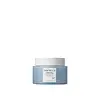
This anti-aging moisturizer is formulated around Squalane and Niacinamide to soften the look of wrinkles and strengthen the skin barrier.
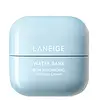
This moisturizer is formulated around Limnanthes Alba Seed Oil and Hydrolyzed Hyaluronic Acid to hydrate skin.

What's inside
What's inside
 Key Ingredients
Benefits
Concerns
Ingredients Side-by-side
Water
Skin ConditioningCoco-Caprylate/Caprate
Emollient
Butylene Glycol
Humectant

Squalane
Emollient
Niacinamide
Smoothing









Vinyldimethicone

Simmondsia Chinensis Seed Oil
Emollient


1,2-Hexanediol
Skin Conditioning
Cetyl Alcohol
Emollient
Butyrospermum Parkii Butter
Skin Conditioning


Ethylhexyl Palmitate
Emollient
Trehalose
Humectant
Cetearyl Olivate
Behenyl Alcohol
Emollient
Polyglyceryl-2 Stearate
Emulsifying
Sorbitan Olivate
Emulsifying
Centella Asiatica Extract
Cleansing
Panthenol
Skin Conditioning
Polyglyceryl-10 Myristate
Skin Conditioning
Hydrolyzed Hyaluronic Acid
Humectant
Glyceryl Stearate
Emollient
Polyacrylamide
Stearyl Alcohol
Emollient
Glycerin
Humectant
Polyglyceryl-10 Laurate
Skin Conditioning
Hydroxyacetophenone
Antioxidant
Palmitic Acid
Emollient
C13-14 Isoparaffin
Emollient
Stearic Acid
Cleansing
Cetearyl Alcohol
Emollient
Hydrogenated Lecithin
Emulsifying
Sodium Stearoyl Glutamate
CleansingEthylhexylglycerin
Skin ConditioningGlyceryl Stearate Se
Emulsifying
Laureth-7
EmulsifyingXanthan Gum
EmulsifyingAdenosine
Skin Conditioning
Cholesterol
Emollient
C12-13 Alketh-9
EmulsifyingCeramide NP
Skin Conditioning
Ficus Carica Fruit Extract
Humectant
Musa Sapientum Flower Extract
Skin ConditioningSodium Hyaluronate
Humectant
Ethoxydiglycol
HumectantRosa Damascena Flower Water
Masking
Pyrus Communis Fruit Extract
Skin ConditioningPrunus Domestica Fruit Extract
MoisturisingCucumis Melo Fruit Extract
Skin ConditioningHedera Helix Leaf/Stem Extract
AntimicrobialOctyldodecanol
Emollient
Asiaticoside
Antioxidant
Glycolipids
Skin ConditioningMadecassic Acid
Skin Conditioning
Asiatic Acid
Skin Conditioning
Tocopherol
Antioxidant
Pentylene Glycol
Skin Conditioning
Glycine
Buffering
Collagen
Moisturising
Glutamic Acid
Humectant
Arginine
Masking
Madecassoside
Antioxidant
Ectoin
Skin Conditioning
Vaccinium Myrtillus Seed Oil
Skin Conditioning
Adansonia Digitata Seed Oil
Emollient
Rubus Idaeus Seed Oil
Emollient
Maltodextrin
Absorbent
Copper Tripeptide-1
Skin Conditioning
Hydrolyzed Vegetable Protein
Skin ConditioningGlycine Soja Peptide
Skin Conditioning
Hexapeptide-9
Skin Conditioning
Palmitoyl Hexapeptide-12
Skin Conditioning
Water, Coco-Caprylate/Caprate, Butylene Glycol, Squalane, Niacinamide, Vinyldimethicone, Simmondsia Chinensis Seed Oil, 1,2-Hexanediol, Cetyl Alcohol, Butyrospermum Parkii Butter, Ethylhexyl Palmitate, Trehalose, Cetearyl Olivate, Behenyl Alcohol, Polyglyceryl-2 Stearate, Sorbitan Olivate, Centella Asiatica Extract, Panthenol, Polyglyceryl-10 Myristate, Hydrolyzed Hyaluronic Acid, Glyceryl Stearate, Polyacrylamide, Stearyl Alcohol, Glycerin, Polyglyceryl-10 Laurate, Hydroxyacetophenone, Palmitic Acid, C13-14 Isoparaffin, Stearic Acid, Cetearyl Alcohol, Hydrogenated Lecithin, Sodium Stearoyl Glutamate, Ethylhexylglycerin, Glyceryl Stearate Se, Laureth-7, Xanthan Gum, Adenosine, Cholesterol, C12-13 Alketh-9, Ceramide NP, Ficus Carica Fruit Extract, Musa Sapientum Flower Extract, Sodium Hyaluronate, Ethoxydiglycol, Rosa Damascena Flower Water, Pyrus Communis Fruit Extract, Prunus Domestica Fruit Extract, Cucumis Melo Fruit Extract, Hedera Helix Leaf/Stem Extract, Octyldodecanol, Asiaticoside, Glycolipids, Madecassic Acid, Asiatic Acid, Tocopherol, Pentylene Glycol, Glycine, Collagen, Glutamic Acid, Arginine, Madecassoside, Ectoin, Vaccinium Myrtillus Seed Oil, Adansonia Digitata Seed Oil, Rubus Idaeus Seed Oil, Maltodextrin, Copper Tripeptide-1, Hydrolyzed Vegetable Protein, Glycine Soja Peptide, Hexapeptide-9, Palmitoyl Hexapeptide-12
Water
Skin ConditioningPropanediol
Solvent
Glycerin
Humectant
Limnanthes Alba Seed Oil
Skin Conditioning
Betaine
Humectant
Behenyl Alcohol
Emollient
1,2-Hexanediol
Skin Conditioning
Carbomer
Emulsion StabilisingTromethamine
BufferingJojoba Esters
Emollient
Arachidyl Alcohol
Emollient
Glyceryl Caprylate
EmollientButylene Glycol
Humectant
Ethylhexylglycerin
Skin ConditioningDisodium EDTA
ChelatingArachidyl Glucoside
EmulsifyingMentha Arvensis Leaf Extract
MaskingParfum
Masking


Hydrolyzed Hyaluronic Acid
Humectant
Malachite Extract
Antioxidant
Aureobasidium Pullulans Ferment
Skin ConditioningTocopherol
Antioxidant
Undaria Pinnatifida Extract
Skin ConditioningWater, Propanediol, Glycerin, Limnanthes Alba Seed Oil, Betaine, Behenyl Alcohol, 1,2-Hexanediol, Carbomer, Tromethamine, Jojoba Esters, Arachidyl Alcohol, Glyceryl Caprylate, Butylene Glycol, Ethylhexylglycerin, Disodium EDTA, Arachidyl Glucoside, Mentha Arvensis Leaf Extract, Parfum, Hydrolyzed Hyaluronic Acid, Malachite Extract, Aureobasidium Pullulans Ferment, Tocopherol, Undaria Pinnatifida Extract
Reviews
Ingredients Explained
These ingredients are found in both products.
Ingredients higher up in an ingredient list are typically present in a larger amount.
1,2-Hexanediol is a synthetic liquid and another multi-functional powerhouse.
It is a:
- Humectant, drawing moisture into the skin
- Emollient, helping to soften skin
- Solvent, dispersing and stabilizing formulas
- Preservative booster, enhancing the antimicrobial activity of other preservatives
Behenyl Alcohol is a type of fatty alcohol (these are different from the drying, solvent alcohols).
Fatty Alcohols have hydrating properties and are most often used as an emollient or to thicken a product. They are usually derived from natural fats and oils; behenyl alcohol is derived from the fats of vegetable oils.
Emollients help keep your skin soft and hydrated by creating a film that traps moisture in.
In 2000, Behenyl Alcohol was approved by the US as medicine to reduce the duration of cold sores.
Learn more about Behenyl AlcoholButylene Glycol (or BG) is used within cosmetic products for a few different reasons:
Overall, Butylene Glycol is a safe and well-rounded ingredient that works well with other ingredients.
Though this ingredient works well with most skin types, some people with sensitive skin may experience a reaction such as allergic rashes, closed comedones, or itchiness.
Learn more about Butylene GlycolEthylhexylglycerin is created from glycerin. It is a multitasker ingredient that:
The CIR Expert Panel found minimal skin absorption or sensitization of any kind in a safety assessment. Though this ingredient is considered well-tolerated, a small number of cases of allergic dermatitis have been published since 2002. Just be sure to patch test if you are unsure.
Industry-reported use ranges from 8% in rinse-off products and 2% in leave-on formulations.
Learn more about EthylhexylglycerinGlycerin (or glycerol) is a compound naturally found in your skin. It's a powerhouse humectant that pulls water into the stratum corneum.
Topically, glycerin does several things at once:
Your skin makes glycerin on its own (mostly from sebaceous oil breakdown) and shuttles it to your outermost layer of skin, or your epidermis, via aquaporin-3.
Aquaporin-3 is a transporter that is essential for normal skin hydration, elasticity, and repair. Interestingly, mice lacking in AQP3 have dry and less elastic skin that can be fully corrected with glycerin.
This ingredient is non-irritating, plays well with almost every ingredient, and works across all skin types. Typical use is anywhere between 3-10% but can go up to 79% in some leave-on products.
Just know very high concentrations (>40%) can feel tacky in low humidity.
Glycerin is the name for this ingredient in American English. British English uses Glycerol/Glycerine.
Learn more about GlycerinHydrolyzed Hyaluronic Acid is hyaluronic acid (HA) that is broken down into lower molecular weight fragments.
It's a humectant that pulls and holds water in the skin to help with hydration, plumpness, and reduce transepidermal water loss.
Because hydrolyzed hyaluronic acid is smaller in size, it can slip past your outermost layer of skin more easily than full-sized HA.
Most formulations will combine all sizes to get the best of both worlds.
Typical usage levels range from 0.01-1%. Any percentage higher than 2% might become goopy and tacky.
Learn more about Hydrolyzed Hyaluronic AcidTocopherol is a fat-soluble antioxidant known as Vitamin E.
You'll find this ingredient in the vast majority of skincare (for good reason). It works to neutralize free radicals, or unstable molecules generated by UV exposure, pollution, and other environmental stressors, before they can cause oxidative damage to your skin cells.
Topically applied tocopherol has been shown to protect against UV damage by ramping up the skin's own natural defense enzymes.
It also acts as a skin conditioning agent; some studies show that regular topical use can improve the skin's water-binding capacity over 2-4 weeks.
This ingredient is especially loved for being a team player. When combined with Vitamin C, the photoprotective effect of both ingredients roughly doubles and the combo also helps reduce UV-induced DNA damage.
This ingredient has some brightening potential but it's more of a prevention ingredient than spot-fader. Cell studies show it can slow down melanin production but it's worth noting that it's not the most powerful brightener out there.
In formulations, it also serves as a stabilizer that helps protect other oxidation-prone ingredients from degrading.
Concentrations usually range from 0.1-1% in most leave-on products.
Learn more about TocopherolWater. It's the most common cosmetic ingredient of all. You'll usually see it at the top of ingredient lists, meaning that it makes up the largest part of the product.
So why is it so popular? Water most often acts as a solvent - this means that it helps dissolve other ingredients into the formulation.
You'll also recognize water as that liquid we all need to stay alive. If you see this, drink a glass of water. Remember to stay hydrated!
Learn more about Water

