

What's inside
What's inside
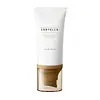 Key Ingredients
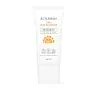
Benefits
Concerns
Ingredients Side-by-side
Water
Skin ConditioningZinc Oxide
Cosmetic Colorant


Propanediol
Solvent
Dicaprylyl Carbonate
EmollientButylene Glycol
Humectant
Caprylic/Capric Triglyceride
Masking
Benzotriazolyl Dodecyl P-Cresol
UV AbsorberCentella Asiatica Extract
Cleansing



Polyglyceryl-3 Distearate
Emulsifying
Niacinamide
Smoothing





Caprylyl Methicone
Skin Conditioning
C12-15 Alkyl Benzoate
Antimicrobial1,2-Hexanediol
Skin Conditioning
Pentylene Glycol
Skin ConditioningCetearyl Alcohol
Emollient


Portulaca Oleracea Extract
Skin Conditioning
Houttuynia Cordata Extract
Skin Conditioning
Polyhydroxystearic Acid
Emulsifying
Glyceryl Stearate
Emollient
Hydrolyzed Jojoba Esters
Skin Conditioning
Sodium Polyacryloyldimethyl Taurate
Emulsion StabilisingTriethoxycaprylylsilane
Glyceryl Stearate Citrate
Emollient
Polyacrylate Crosspolymer-6
Emulsion StabilisingMethylpropanediol
SolventEthylhexylglycerin
Skin ConditioningXanthan Gum
EmulsifyingAdenosine
Skin Conditioning
Polyether-1
T-Butyl Alcohol
Perfuming


Biosaccharide Gum-1
Humectant
Madecassic Acid
Skin Conditioning
Asiaticoside
Antioxidant
Asiatic Acid
Skin ConditioningWater, Zinc Oxide, Propanediol, Dicaprylyl Carbonate, Butylene Glycol, Caprylic/Capric Triglyceride, Benzotriazolyl Dodecyl P-Cresol, Centella Asiatica Extract, Polyglyceryl-3 Distearate, Niacinamide, Caprylyl Methicone, C12-15 Alkyl Benzoate, 1,2-Hexanediol, Pentylene Glycol, Cetearyl Alcohol, Portulaca Oleracea Extract, Houttuynia Cordata Extract, Polyhydroxystearic Acid, Glyceryl Stearate, Hydrolyzed Jojoba Esters, Sodium Polyacryloyldimethyl Taurate, Triethoxycaprylylsilane, Glyceryl Stearate Citrate, Polyacrylate Crosspolymer-6, Methylpropanediol, Ethylhexylglycerin, Xanthan Gum, Adenosine, Polyether-1, T-Butyl Alcohol, Biosaccharide Gum-1, Madecassic Acid, Asiaticoside, Asiatic Acid
Water
Skin ConditioningButylene Glycol
Humectant
Glycerin
Humectant
Ethylhexyl Methoxycinnamate
UV Absorber
Octocrylene
UV Absorber
Ethylhexyl Salicylate
UV Absorber
Salicylic Acid
Masking

Cyclopentasiloxane
Emollient
Succinic Acid
Buffering1,2-Hexanediol
Skin Conditioning
Hydroxyacetophenone
Antioxidant
Cetearyl Alcohol
Emollient
Diglycerin
Humectant
Carbomer
Emulsion StabilisingPolysorbate 80
Emulsifying
Potassium Cetyl Phosphate
EmulsifyingTriethanolamine
BufferingPolyglyceryl-6 Distearate
Emulsifying
Propylene Glycol
Humectant
Sodium Polyglutamate
HumectantAllantoin
Skin Conditioning
Sorbitan Oleate
Emulsifying
Squalane
Emollient
Zinc Oxide
Cosmetic Colorant
Adenosine
Skin Conditioning
Jojoba Esters
Emollient
Sodium Hyaluronate
Humectant
Caprylic/Capric Triglyceride
Masking
Glucose
Humectant
Polyglyceryl-3 Beeswax
Emulsifying
Cetyl Alcohol
Emollient
Hydrogenated Lecithin
Emulsifying
Hexylene Glycol
EmulsifyingStearic Acid
Cleansing
Cholesterol
Emollient
Ceramide NP
Skin Conditioning
Centella Asiatica Extract
Cleansing
Camellia Sinensis Extract
Antioxidant
Polygonum Cuspidatum Root Extract
Antioxidant
Glycyrrhiza Glabra Root Extract
Bleaching
Chamomilla Recutita Flower Extract
Masking
Rosmarinus Officinalis Leaf Extract
AntimicrobialPotassium Sorbate
Preservative
Sodium Benzoate
Masking
Polysorbate 20
Emulsifying
Saccharomyces/Xylinum/Black Tea Ferment
Skin Conditioning
Ethylhexylglycerin
Skin ConditioningPalmitoyl Tripeptide-1
Skin Conditioning
Water, Butylene Glycol, Glycerin, Ethylhexyl Methoxycinnamate, Octocrylene, Ethylhexyl Salicylate, Salicylic Acid, Cyclopentasiloxane, Succinic Acid, 1,2-Hexanediol, Hydroxyacetophenone, Cetearyl Alcohol, Diglycerin, Carbomer, Polysorbate 80, Potassium Cetyl Phosphate, Triethanolamine, Polyglyceryl-6 Distearate, Propylene Glycol, Sodium Polyglutamate, Allantoin, Sorbitan Oleate, Squalane, Zinc Oxide, Adenosine, Jojoba Esters, Sodium Hyaluronate, Caprylic/Capric Triglyceride, Glucose, Polyglyceryl-3 Beeswax, Cetyl Alcohol, Hydrogenated Lecithin, Hexylene Glycol, Stearic Acid, Cholesterol, Ceramide NP, Centella Asiatica Extract, Camellia Sinensis Extract, Polygonum Cuspidatum Root Extract, Glycyrrhiza Glabra Root Extract, Chamomilla Recutita Flower Extract, Rosmarinus Officinalis Leaf Extract, Potassium Sorbate, Sodium Benzoate, Polysorbate 20, Saccharomyces/Xylinum/Black Tea Ferment, Ethylhexylglycerin, Palmitoyl Tripeptide-1
Reviews
Ingredients Explained
These ingredients are found in both products.
Ingredients higher up in an ingredient list are typically present in a larger amount.
1,2-Hexanediol is a synthetic liquid and another multi-functional powerhouse.
It is a:
- Humectant, drawing moisture into the skin
- Emollient, helping to soften skin
- Solvent, dispersing and stabilizing formulas
- Preservative booster, enhancing the antimicrobial activity of other preservatives
Adenosine is in every living organism. It is one of four components in nucleic acids that helps store our DNA.
Adenosine has many benefits when used. These benefits include hydrating the skin, smoothing skin, and reducing wrinkles. Once applied, adenosine increases collagen production. It also helps with improving firmness and tissue repair.
Studies have found adenosine may also help with wound healing.
In skincare products, Adenosine is usually derived from yeast.
Learn more about AdenosineButylene Glycol (or BG) is used within cosmetic products for a few different reasons:
Overall, Butylene Glycol is a safe and well-rounded ingredient that works well with other ingredients.
Though this ingredient works well with most skin types, some people with sensitive skin may experience a reaction such as allergic rashes, closed comedones, or itchiness.
Learn more about Butylene GlycolThis ingredient is an emollient, solvent, and texture enhancer. It is considered a skin-softener by helping the skin prevent moisture loss.
It helps thicken a product's formula and makes it easier to spread by dissolving clumping compounds.
Caprylic Triglyceride is made by combining glycerin with coconut oil, forming a clear liquid.
While there is an assumption Caprylic Triglyceride can clog pores due to it being derived from coconut oil, there is no research supporting this.
Learn more about Caprylic/Capric TriglycerideCentella Asiatica Extract (Centella) is derived from an herb native to Southeast Asia. It is famous for its anti-inflammatory and soothing properties.
Centella is rich in antioxidants and amino acids, such as Madecassic Acid and Asiaticoside.
Studies show the compounds in centella help with:
The combination of all these properties makes centella effective at soothing, hydrating, and protecting the skin.
Other great components of centella include Vitamin A, vitamin C, several B vitamins, and Asiatic Acid.
Fun fact: Centella has been used as a medicine and in food for many centuries. As a medicine, it is used to treat burns, scratches, and wounds.
Learn more about Centella Asiatica ExtractCetearyl alcohol is a mixture of two fatty alcohols: cetyl alcohol and stearyl alcohol. It is mainly used as an emulsifier. Emulsifiers help prevent the separation of oils and products. Due to its composition, it can also be used to thicken a product or help create foam.
Cetearyl alcohol is an emollient. Emollients help soothe and hydrate the skin by trapping moisture.
Studies show Cetearyl alcohol is non-toxic and non-irritating. The FDA allows products labeled "alcohol-free" to have fatty alcohols.
This ingredient is usually derived from plant oils such as palm, vegetable, or coconut oils. There is debate on whether this ingredient will cause acne.
Due to the fatty acid base, this ingredient may not be Malassezia folliculitis safe.
Learn more about Cetearyl AlcoholEthylhexylglycerin (we can't pronounce this either) is commonly used as a preservative and skin softener. It is derived from glyceryl.
You might see Ethylhexylglycerin often paired with other preservatives such as phenoxyethanol. Ethylhexylglycerin has been found to increase the effectiveness of these other preservatives.
Water. It's the most common cosmetic ingredient of all. You'll usually see it at the top of ingredient lists, meaning that it makes up the largest part of the product.
So why is it so popular? Water most often acts as a solvent - this means that it helps dissolve other ingredients into the formulation.
You'll also recognize water as that liquid we all need to stay alive. If you see this, drink a glass of water. Stay hydrated!
Learn more about WaterZinc Oxide is a mineral broad-spectrum UV filter; it is the broadest UVA and UVB reflector approved by the FDA. It also has skin protectant and skin soothing properties.
Zinc oxide is one of the most effective broad-spectrum UV filters. It protects against UVB, UVAII, and UVAI. In comparison to its counterpart titanium dioxide, zinc oxide provides uniform and extended UVA protection.
Another great benefit? This ingredient is highly photostable so it won't degrade easily under sunlight.
A common myth is that mineral UV filters are widely believed to primarily reflect UV light.
However, modern research shows titanium dioxide absorbs UV radiation like chemical filters (~95% absorption & 5% reflection).
Zinc oxide has great skin soothing properties so you'll likely find this in sunscreens formulated for sensitive skin or babies/children. It is unlikely to cause "eye sting" like other sunscreen ingredients.
Regulatory agencies consider zinc oxide to be non-toxic and safe. It has also been shown to not penetrate the skin.
Unfortunately, this ingredient does leave a visible white cast. This is why mineral sunscreens are often less cosmetically elegant than chemical or hybrid ones.
In cosmetics, zinc oxide can be found in both non-nano and nano-sized forms. The nano version is used to reduce white cast and improve the texture of sunscreen formulas.
There are ongoing concerns surrounding nano-zinc oxide's impact on marine ecosystems and whether it can be absorbed into skin.
Regarding marine ecosystems and coral reefs, there is no conclusive evidence that any form of zinc oxide (or any other sunscreen ingredients) will cause harm. The science is still developing but many consumers are keeping a close eye on this issue.
Please note, many destinations have reef-safety sunscreen rules. For instance, the U.S. Virgin Islands advises all visitors to use non-nano mineral sunscreens.
There has also been some stir about whether micronized or nano zinc oxide has potential photoxicity and absorption through the skin/lungs.
An in-vitro (done in a test tube or petri dish) study demonstrated micronized zinc oxide to have potential phototoxicity. There's no need to fret; the EU Commission's Scientific Committee on Consumer Safety has stated, "The relevance of these findings needs to be clarified by appropriate investigations in vivo." Or in other words, further studies done on living organisms are needed to prove this.
Current research shows zinc oxide nanoparticles do not penetrate intact or sunburned skin. They either remain on the surface or in the outermost layer of dead skin (stratum corneum).
Zinc oxide is one of only two classified mineral UV filters with titanium dioxide being the other one.
Fun fact: Zinc has been used throughout history as an ingredient in paint and medicine. An Indian text from 500BC is believed to list zinc oxide as a salve for open wound. The Ancient Greek physician Dioscorides has also mentioned the use of zinc as an ointment in 1AD.
Learn more about Zinc Oxide
