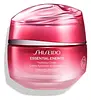
This moisturizer is formulated around Sodium Hyaluronate and Panax Ginseng Root Extract to hydrate skin.
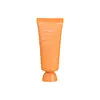
This hydrating overnight mask is formulated around Squalane and Butyrospermum Parkii Butter to hydrate skin and strengthen the skin barrier.


What's inside
What's inside
 Key Ingredients
Benefits
Concerns
Ingredients Side-by-side
Water
Skin ConditioningDimethicone
Emollient

Butylene Glycol
Humectant

Alcohol Denat.
Antimicrobial




Betaine
Humectant
Glycerin
Humectant
Isohexadecane
EmollientHydrogenated Polydecene
EmollientPPG-3 Dipivalate
Skin ConditioningSilica
Abrasive


Behenyl Alcohol
Emollient
Stearyl Alcohol
Emollient
Myristyl Myristate
Emollient

Glyceryl Stearate Se
Emulsifying
Polysorbate 60
Emulsifying
PEG-100 Stearate
Surfactant
PEG/PPG-14/7 Dimethyl Ether
Skin ConditioningPEG/PPG-17/4 Dimethyl Ether
Skin ConditioningPhenoxyethanol
Preservative
Dimethylacrylamide/Sodium Acryloyldimethyltaurate Crosspolymer
CI 77891
Cosmetic ColorantSorbitan Tristearate
EmulsifyingErythritol
Humectant
Parfum
Masking

Alcohol
Antimicrobial
Aminopropyl Dimethicone
2-O-Ethyl Ascorbic Acid
Skin Conditioning


Carbomer
Emulsion StabilisingTrisodium EDTA
ChelatingXanthan Gum
EmulsifyingCaffeine
Skin Conditioning
Potassium Hydroxide
BufferingIsostearic Acid
Cleansing
Sodium Metaphosphate
BufferingPhytosteryl/Octyldodecyl Lauroyl Glutamate
Skin ConditioningAluminum Hydroxide
EmollientLinalool
Perfuming
Tocopherol
Antioxidant



Sodium Metabisulfite
Antioxidant
Limonene
Perfuming
Citrus Unshiu Peel Extract
MaskingSodium Hyaluronate
Humectant
Angelica Keiskei Leaf/Stem Extract
Skin ConditioningZiziphus Jujuba Fruit Extract
Skin ConditioningPanax Ginseng Root Extract
Emollient
Sodium Acetylated Hyaluronate
Humectant
Scutellaria Baicalensis Root Extract
Astringent
CI 77491
Cosmetic ColorantAlpinia Speciosa Leaf Extract
Skin ConditioningRosmarinus Officinalis Leaf Extract
AntimicrobialSanguisorba Officinalis Root Extract
CleansingPyrola Incarnata Extract
Skin ConditioningWater, Dimethicone, Butylene Glycol, Alcohol Denat., Betaine, Glycerin, Isohexadecane, Hydrogenated Polydecene, PPG-3 Dipivalate, Silica, Behenyl Alcohol, Stearyl Alcohol, Myristyl Myristate, Glyceryl Stearate Se, Polysorbate 60, PEG-100 Stearate, PEG/PPG-14/7 Dimethyl Ether, PEG/PPG-17/4 Dimethyl Ether, Phenoxyethanol, Dimethylacrylamide/Sodium Acryloyldimethyltaurate Crosspolymer, CI 77891, Sorbitan Tristearate, Erythritol, Parfum, Alcohol, Aminopropyl Dimethicone, 2-O-Ethyl Ascorbic Acid, Carbomer, Trisodium EDTA, Xanthan Gum, Caffeine, Potassium Hydroxide, Isostearic Acid, Sodium Metaphosphate, Phytosteryl/Octyldodecyl Lauroyl Glutamate, Aluminum Hydroxide, Linalool, Tocopherol, Sodium Metabisulfite, Limonene, Citrus Unshiu Peel Extract, Sodium Hyaluronate, Angelica Keiskei Leaf/Stem Extract, Ziziphus Jujuba Fruit Extract, Panax Ginseng Root Extract, Sodium Acetylated Hyaluronate, Scutellaria Baicalensis Root Extract, CI 77491, Alpinia Speciosa Leaf Extract, Rosmarinus Officinalis Leaf Extract, Sanguisorba Officinalis Root Extract, Pyrola Incarnata Extract
Water
Skin ConditioningButylene Glycol
Humectant
Glycerin
Humectant
Cetyl Ethylhexanoate
Emollient1,2-Hexanediol
Skin Conditioning
Squalane
Emollient
Butyrospermum Parkii Butter
Skin Conditioning
Di-C12-13 Alkyl Malate
EmollientCyclopentasiloxane
Emollient
Dimethicone
Emollient
Glyceryl Stearate
Emollient
Cyclohexasiloxane
Emollient
Trehalose
Humectant
C14-22 Alcohols
Emulsion Stabilising
Palmitic Acid
Emollient
Stearic Acid
Cleansing
Cetearyl Alcohol
Emollient
Hydrogenated Castor Oil Isostearate
Skin Conditioning
Hydroxypropyl Starch Phosphate
PEG-100 Stearate
Surfactant
Dimethicone/Vinyl Dimethicone Crosspolymer
Skin Conditioning
C12-20 Alkyl Glucoside
EmulsifyingPolyacrylate-13
Phytosteryl/Behenyl/Octyldodecyl Lauroyl Glutamate
Skin ConditioningC12-16 Alcohols
EmollientAcrylates/C10-30 Alkyl Acrylate Crosspolymer
Emulsion StabilisingTromethamine
BufferingParfum
Masking
Xanthan Gum
EmulsifyingZiziphus Jujuba Fruit Extract
Skin ConditioningGlyceryl Caprylate
EmollientJuglans Regia Seed Extract
Skin ConditioningLimonene
Perfuming
Polyisobutene
Scutellaria Baicalensis Root Extract
Astringent
Hydrogenated Lecithin
Emulsifying
Morus Alba Root Extract
BleachingDisodium EDTA
ChelatingEthylhexylglycerin
Skin ConditioningDextrin
AbsorbentTheobroma Cacao Extract
Skin ConditioningHoney
Humectant
Linalool
Perfuming
Polysorbate 20
Emulsifying
Nelumbo Nucifera Flower Extract
Skin ConditioningPolygonatum Officinale Rhizome/Root Extract
Skin ConditioningRehmannia Glutinosa Root Extract
Skin ConditioningPaeonia Albiflora Root Extract
Skin ConditioningLilium Candidum Bulb Extract
Skin ConditioningSorbitan Isostearate
Emulsifying
Panax Ginseng Root Extract
Emollient
Punica Granatum Fruit Extract
Antioxidant
Propanediol
Solvent
Citronellol
Perfuming
Citral
Perfuming
Geraniol
Perfuming
Myristic Acid
Cleansing
Arachidic Acid
Cleansing
Glucose
Humectant
Benzyl Benzoate
Antimicrobial
Glycyrrhiza Uralensis Root Extract
Skin Conditioning
Tocopherol
Antioxidant
Punica Granatum Flower Extract
Skin Conditioning
Water, Butylene Glycol, Glycerin, Cetyl Ethylhexanoate, 1,2-Hexanediol, Squalane, Butyrospermum Parkii Butter, Di-C12-13 Alkyl Malate, Cyclopentasiloxane, Dimethicone, Glyceryl Stearate, Cyclohexasiloxane, Trehalose, C14-22 Alcohols, Palmitic Acid, Stearic Acid, Cetearyl Alcohol, Hydrogenated Castor Oil Isostearate, Hydroxypropyl Starch Phosphate, PEG-100 Stearate, Dimethicone/Vinyl Dimethicone Crosspolymer, C12-20 Alkyl Glucoside, Polyacrylate-13, Phytosteryl/Behenyl/Octyldodecyl Lauroyl Glutamate, C12-16 Alcohols, Acrylates/C10-30 Alkyl Acrylate Crosspolymer, Tromethamine, Parfum, Xanthan Gum, Ziziphus Jujuba Fruit Extract, Glyceryl Caprylate, Juglans Regia Seed Extract, Limonene, Polyisobutene, Scutellaria Baicalensis Root Extract, Hydrogenated Lecithin, Morus Alba Root Extract, Disodium EDTA, Ethylhexylglycerin, Dextrin, Theobroma Cacao Extract, Honey, Linalool, Polysorbate 20, Nelumbo Nucifera Flower Extract, Polygonatum Officinale Rhizome/Root Extract, Rehmannia Glutinosa Root Extract, Paeonia Albiflora Root Extract, Lilium Candidum Bulb Extract, Sorbitan Isostearate, Panax Ginseng Root Extract, Punica Granatum Fruit Extract, Propanediol, Citronellol, Citral, Geraniol, Myristic Acid, Arachidic Acid, Glucose, Benzyl Benzoate, Glycyrrhiza Uralensis Root Extract, Tocopherol, Punica Granatum Flower Extract
Reviews
Ingredients Explained
These ingredients are found in both products.
Ingredients higher up in an ingredient list are typically present in a larger amount.
Butylene Glycol (or BG) is used within cosmetic products for a few different reasons:
Overall, Butylene Glycol is a safe and well-rounded ingredient that works well with other ingredients.
Though this ingredient works well with most skin types, some people with sensitive skin may experience a reaction such as allergic rashes, closed comedones, or itchiness.
Learn more about Butylene GlycolDimethicone is a type of synthetic silicone created from natural materials such as quartz. It is also known as polydimethylsiloxane.
What it does:
Dimethicone comes in different viscosities:
Depending on the viscosity, dimethicone has different properties.
Ingredients lists don't always show which type is used, so we recommend reaching out to the brand if you have questions about the viscosity.
This ingredient is unlikely to cause irritation because it does not get absorbed into skin. However, people with silicone allergies should be careful about using this ingredient.
Note: Dimethicone may contribute to pilling. This is because it is not oil or water soluble, so pilling may occur when layered with products. When mixed with heavy oils in a formula, the outcome is also quite greasy.
Learn more about DimethiconeGlycerin (or glycerol) is a compound naturally found in your skin. It's a powerhouse humectant that pulls water into the stratum corneum.
Topically, glycerin does several things at once:
Your skin makes glycerin on its own (mostly from sebaceous oil breakdown) and shuttles it to your outermost layer of skin, or your epidermis, via aquaporin-3.
Aquaporin-3 is a transporter that is essential for normal skin hydration, elasticity, and repair. Interestingly, mice lacking in AQP3 have dry and less elastic skin that can be fully corrected with glycerin.
This ingredient is non-irritating, plays well with almost every ingredient, and works across all skin types. Typical use is anywhere between 3-10% but can go up to 79% in some leave-on products.
Just know very high concentrations (>40%) can feel tacky in low humidity.
Glycerin is the name for this ingredient in American English. British English uses Glycerol/Glycerine.
Learn more about GlycerinLimonene is the compound that gives citrus peel its smell.
In skincare, it shows up as a standalone fragrance ingredient or as a natural compound of citrus and other essential oils.
You'll typically see this ingredient used in very small amounts; anything above 0.001% in a leave-on product or 0.01% in a rinse-off has to be named on the label in the EU. The citrus oils that carry it sit around 0.5-1% in a finished formula.
Fresh limonene is a weak allergen; the real issue is that it slowly reacts with air and then breaks down from oxidation to create hydroperoxides (which are strong sensitizers). This is why suppliers are required to keep the peroxide value below 20 mmol.
Positive reactions in people being investigated for eczema vary:
It's worth skipping if you have a known fragrance allergy or a compromised barrier, but the risk is low for most people.
Older or long-opened products are also more likely to bother you than fresh ones due to oxidation.
Learn more about LimoneneLinalool is a small, naturally occurring scent molecule found in plants like lavender, coriander, bergamot, and more.
It is one of the two most-used fragrance ingredients in cosmetics and added purely for smell. Since it's not used for a skin benefit, there's no "effective dose". Concentration depends on the fragrance load of the product.
The EU requires it to be named on the label above 0.001% in leave-on and 0.01% in rinse-off products.
Fresh linalool is a weak sensitizer but air exposure turns some of it into hydroperoxides, which are strong sensitizers. Those oxidation products are the actual allergy concern.
Patch-test clinics see positive reactions to linalool hydroperoxides in about 4% to 12% of dermatitis patients depending on country and test concentration.
Resassuringly, one analytical study found hydroperoxide levels in real fragranced products to be orders of magnitude below what induced sensitization in animal studies with no evidence of oxidation building up during normal storage.
The practical takeaway is that linalool is fine for most people but worth avoiding if you have a confirmed fragrance contact allergy or a badly compromised barrier.
Products stored a long time after opening are also the high-risk scenario since that is when oxidation happens.
The scent of linalool is described as floral, spicy tropical, and citrus-like.
Learn more about LinaloolGinseng root is a well-loved ingredient in Asian skincare for good reason. It hydrates the skin, soothes irritation, and helps even out skin tone.
In traditional East Asian medicine, ginseng has been used for centuries both as food and as a healing remedy, and modern research continues to confirm its skin benefits.
One of the standout features of ginseng is its ability to improve blood circulation and oxygen delivery to the skin, bringing a fresh supply of nutrients to support overall skin health. It also has antioxidant and anti-inflammatory properties. This helps to protect your skin against damage from UV exposure, pollution, and daily stress.
Additionally, studies suggest that ginseng may help reduce hyperpigmentation by inhibiting tyrosinase, the enzyme involved in melanin production.
There are different types of ginseng used in skincare, and while they all share core benefits, their potency can vary.
Most products use fresh or white ginseng because it’s more affordable. However, red ginseng, produced by steaming the root, contains higher levels of ginsenosides, which are compounds with proven anti-aging effects. These ginsenosides help reduce the appearance of wrinkles and improve skin elasticity.
Note: All forms of ginseng are listed simply as “Panax ginseng” in ingredient lists. We recommend reaching out to the brand if you have questions about which type of ginseng is used in their ingredients.
For general antioxidant benefits, any ginseng extract will do, but for wrinkle care or firmer skin, red or fermented ginseng is often more effective.
In short, ginseng is a powerhouse ingredient that supports hydration, radiance, and resilience.
Learn more about Panax Ginseng Root ExtractParfum is a catch-all term for an ingredient or more that is used to give a scent to products.
Also called "fragrance", this ingredient can be a blend of hundreds of chemicals or plant oils. This means every product with "fragrance" or "parfum" in the ingredients list is a different mixture.
For instance, Habanolide is a proprietary trade name for a specific aroma chemical. When used as a fragrance ingredient in cosmetics, most aroma chemicals fall under the broad labeling category of “FRAGRANCE” or “PARFUM” according to EU and US regulations.
The term 'parfum' or 'fragrance' is not regulated in many countries. In many cases, it is up to the brand to define this term.
For instance, many brands choose to label themselves as "fragrance-free" because they are not using synthetic fragrances. However, their products may still contain ingredients such as essential oils that are considered a fragrance by INCI standards.
One example is Calendula flower extract. Calendula is an essential oil that still imparts a scent or 'fragrance'.
Depending on the blend, the ingredients in the mixture can cause allergies and sensitivities on the skin. Some ingredients that are known EU allergens include linalool and citronellol.
Parfum can also be used to mask or cover an unpleasant scent.
The bottom line is: not all fragrances/parfum/ingredients are created equally. If you are worried about fragrances, we recommend taking a closer look at an ingredient. And of course, we always recommend speaking with a professional.
Learn more about ParfumPeg-100 Stearate is an emollient and emulsifier. As an emollient, it helps keep skin soft by trapping moisture in. On the other hand, emulsifiers help prevent oil and water from separating in a product.
PEGS are a hydrophilic polyether compound . There are 100 ethylene oxide monomers in Peg-100 Stearate. Peg-100 Stearate is polyethylene glycol ester of stearic acid.
Scutellaria Baicalensis Root Extract comes from the Baikal skullcap or Chinese skullcap plant. This plant is native to Northeast Asia and can be found in China, Mongolia, Korea, and Siberia.
In cosmetics, Scutellaria Baicalensis Root Extract provides antioxidant and anti-inflammatory benefits. This is due to the flavonoid composition of Scutellaria Baicalensis Root Extract.
In Chinese traditional folk medicine, Scutellaria Baicalensis Root Extract is used to help treat lung issues and hypertension.
Learn more about Scutellaria Baicalensis Root ExtractTocopherol is a fat-soluble antioxidant known as Vitamin E.
You'll find this ingredient in the vast majority of skincare (for good reason). It works to neutralize free radicals, or unstable molecules generated by UV exposure, pollution, and other environmental stressors, before they can cause oxidative damage to your skin cells.
Topically applied tocopherol has been shown to protect against UV damage by ramping up the skin's own natural defense enzymes.
It also acts as a skin conditioning agent; some studies show that regular topical use can improve the skin's water-binding capacity over 2-4 weeks.
This ingredient is especially loved for being a team player. When combined with Vitamin C, the photoprotective effect of both ingredients roughly doubles and the combo also helps reduce UV-induced DNA damage.
This ingredient has some brightening potential but it's more of a prevention ingredient than spot-fader. Cell studies show it can slow down melanin production but it's worth noting that it's not the most powerful brightener out there.
In formulations, it also serves as a stabilizer that helps protect other oxidation-prone ingredients from degrading.
Concentrations usually range from 0.1-1% in most leave-on products.
Learn more about TocopherolWater. It's the most common cosmetic ingredient of all. You'll usually see it at the top of ingredient lists, meaning that it makes up the largest part of the product.
So why is it so popular? Water most often acts as a solvent - this means that it helps dissolve other ingredients into the formulation.
You'll also recognize water as that liquid we all need to stay alive. If you see this, drink a glass of water. Remember to stay hydrated!
Learn more about WaterXanthan gum is used as a stabilizer and thickener within cosmetic products. It helps give products a sticky, thick feeling - preventing them from being too runny.
On the technical side of things, xanthan gum is a polysaccharide - a combination consisting of multiple sugar molecules bonded together.
Xanthan gum is a pretty common and great ingredient. It is a natural, non-toxic, non-irritating ingredient that is also commonly used in food products.
Learn more about Xanthan GumWe don't have a description for Ziziphus Jujuba Fruit Extract yet.


