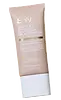
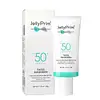
Salv Laboratories Zinc PCA K Azeloyl Diglycinate + Galactomyces Tinted Sunscreen SPF 50+ Versus JellyPrim Tinted Sunscreen SPF 50+
This hybrid sunscreen covers the full UV range and blocks ~98% of UVB at SPF 50.
This chemical sunscreen covers the full UV range and blocks ~98% of UVB at SPF 50.


What's inside
What's inside
 Key Ingredients
Benefits
Concerns
Ingredients Side-by-side
Water
Skin ConditioningEthylhexyl Methoxycinnamate
UV Absorber


Cyclopentasiloxane
Emollient
Isoamyl Laurate
Emollient

Dimethicone
Emollient
Octocrylene
UV Absorber
Isohexadecane
EmollientTitanium Dioxide
Cosmetic Colorant
Polymethylsilsesquioxane
Niacinamide
Smoothing










Cetyl Alcohol
Emollient

Hydroxyethyl Acrylate/Sodium Acryloyldimethyl Taurate Copolymer
Emulsion StabilisingCaprylic/Capric Triglyceride
Masking
Cetearyl Methicone
Skin Conditioning
Butylene Glycol
Humectant
Hydrated Silica
Abrasive
Hydrogen Dimethicone
Zinc Oxide
Cosmetic Colorant
Talc
Abrasive
Glyceryl Stearate
Emollient
Potassium Azeloyl Diglycinate
Skin Conditioning
Galactomyces Ferment Filtrate
Humectant
Phenoxyethanol
Preservative
Polyacrylate-13
Vinyldimethicone
Glycerin
Humectant
Houttuynia Cordata Extract
Skin Conditioning
Algae Extract
Emollient
Panthenol
Skin Conditioning
Zinc PCA
Humectant
PEG-20 Stearate
Emulsifying
PEG-75 Stearate
Surfactant
Polyisobutene
Camellia Sinensis Leaf Extract
Antimicrobial
PEG-9 Dimethicone
Skin Conditioning
Polysorbate 20
Emulsifying
Scutellaria Baicalensis Root Extract
Astringent
Geranium Maculatum Extract
TonicCitrus Reticulata Peel Extract
Skin ConditioningAllantoin
Skin Conditioning
Oryza Sativa Starch
AbsorbentSteareth-2
EmulsifyingSteareth-21
CleansingCentaurea Cyanus Flower Extract
Astringent
Ceteth-20
CleansingSteareth-20
CleansingPhaseolus Radiatus Sprout Extract
HumectantTocopheryl Acetate
Antioxidant
Aspalathus Linearis Extract
Skin ConditioningLecithin
Emollient
Tetrasodium EDTA
ChelatingEthylhexylglycerin
Skin ConditioningCitric Acid
Buffering
CI 77499
Cosmetic ColorantCI 77491
Cosmetic ColorantCI 77492
Cosmetic ColorantWater, Ethylhexyl Methoxycinnamate, Cyclopentasiloxane, Isoamyl Laurate, Dimethicone, Octocrylene, Isohexadecane, Titanium Dioxide, Polymethylsilsesquioxane, Niacinamide, Cetyl Alcohol, Hydroxyethyl Acrylate/Sodium Acryloyldimethyl Taurate Copolymer, Caprylic/Capric Triglyceride, Cetearyl Methicone, Butylene Glycol, Hydrated Silica, Hydrogen Dimethicone, Zinc Oxide, Talc, Glyceryl Stearate, Potassium Azeloyl Diglycinate, Galactomyces Ferment Filtrate, Phenoxyethanol, Polyacrylate-13, Vinyldimethicone, Glycerin, Houttuynia Cordata Extract, Algae Extract, Panthenol, Zinc PCA, PEG-20 Stearate, PEG-75 Stearate, Polyisobutene, Camellia Sinensis Leaf Extract, PEG-9 Dimethicone, Polysorbate 20, Scutellaria Baicalensis Root Extract, Geranium Maculatum Extract, Citrus Reticulata Peel Extract, Allantoin, Oryza Sativa Starch, Steareth-2, Steareth-21, Centaurea Cyanus Flower Extract, Ceteth-20, Steareth-20, Phaseolus Radiatus Sprout Extract, Tocopheryl Acetate, Aspalathus Linearis Extract, Lecithin, Tetrasodium EDTA, Ethylhexylglycerin, Citric Acid, CI 77499, CI 77491, CI 77492
Water
Skin ConditioningEthylhexyl Methoxycinnamate
UV Absorber
Glycerin
Humectant
C12-15 Alkyl Benzoate
AntimicrobialMethylene Bis-Benzotriazolyl Tetramethylbutylphenol
UV Filter
Propylene Glycol
Humectant
Homosalate
Skin Conditioning
Ethylhexyl Triazone
UV Absorber
Centella Asiatica Extract
Cleansing
Glyceryl Stearate
Emollient
Butyl Methoxydibenzoylmethane
UV Absorber
Cetearyl Alcohol
Emollient
Ethylhexyl Palmitate
Emollient
Ethylhexyl Salicylate
UV Absorber
Moringa Oleifera Seed Extract
Skin Conditioning
Tocopheryl Acetate
Antioxidant
Hamamelis Virginiana Extract
Antiseborrhoeic
PEG-100 Stearate
Surfactant
Panthenol
Skin Conditioning
1,2-Hexanediol
Skin Conditioning
Xanthan Gum
EmulsifyingAllantoin
Skin Conditioning
Arginine
Masking
Hydroxyacetophenone
Antioxidant
Melaleuca Alternifolia Leaf Oil
Antioxidant


CI 77492
Cosmetic ColorantCaprylhydroxamic Acid
ChelatingCI 77491
Cosmetic ColorantBHT
Antioxidant
Glyceryl Caprylate
EmollientCI 77499
Cosmetic ColorantWater, Ethylhexyl Methoxycinnamate, Glycerin, C12-15 Alkyl Benzoate, Methylene Bis-Benzotriazolyl Tetramethylbutylphenol, Propylene Glycol, Homosalate, Ethylhexyl Triazone, Centella Asiatica Extract, Glyceryl Stearate, Butyl Methoxydibenzoylmethane, Cetearyl Alcohol, Ethylhexyl Palmitate, Ethylhexyl Salicylate, Moringa Oleifera Seed Extract, Tocopheryl Acetate, Hamamelis Virginiana Extract, PEG-100 Stearate, Panthenol, 1,2-Hexanediol, Xanthan Gum, Allantoin, Arginine, Hydroxyacetophenone, Melaleuca Alternifolia Leaf Oil, CI 77492, Caprylhydroxamic Acid, CI 77491, BHT, Glyceryl Caprylate, CI 77499
Reviews
Ingredients Explained
These ingredients are found in both products.
Ingredients higher up in an ingredient list are typically present in a larger amount.
Allantoin is a soothing ingredient known for its protective and moisturizing properties; it's basically a quiet workhorse ingredient you can find in a huge range of cosmetics.
Though it can be derived from the comfrey plant, allantoin is produced synthetically for cosmetic products to ensure purity.
Research shows it can encourage your skin cells to turn over and renew by stimulating keratinocyte and fibroblast proliferation.
It also has mild keratolytic properties to help loosen and shed dead skin cells without being harsh.
Studies also suggest allantoin can help calm inflammation by dialing down some of the chemical signals your skin sends out when it is irritated.
This ingredient is typically used in the 0.1-0.5% range, and the FDA recognizes it as a skin protectant in OTC products up to 2%.
Overall, allantoin is a wonderful addition to most routines; it is stable across a wide pH range (~4-8), works well with other ingredients, and is considered non-sensitizing/non-irritating.
Fun fact: Allantoin is naturally occurring in comfrey root, beets, chamomile, and wheat sprouts. Our bodies even produce it as a byproduct of uric acid metabolism.
Learn more about AllantoinCi 77491 is also hydrated iron III oxide. It's sole purpose is to give a red/pink hue to products.
Iron III oxides are classified as inorganic chemicals for coloring.
Synthetically created Ci 77491 is considered safer than those naturally found. This is because the synthetically created version may contain less impurities. Iron oxides are generally non-toxic and non-allergenic.
Learn more about CI 77491CI 77492 is also hydrated iron III oxide. It's sole purpose is to give a yellow hue to products.
Iron III oxides are classified as inorganic chemicals for coloring.
Synthetically created CI 77492 is considered safer than those naturally found. This is because the synthetically created version may contain less impurities. Iron oxides are generally non-toxic and non-allergenic.
Learn more about CI 77492Ci 77499 is also hydrated iron III oxide. It is created from mixing red and black iron oxides. This helps give shades of darkness to a product.
Iron III oxides are classified as inorganic chemicals for coloring.
This ingredient is also known as Octinoxate and is one of the oldest and most widely used chemical UV filters in skincare.
It has a simple job: soap up UVB radiation (290-320 nm), the wavelengths responsible for sunburn and a big chunk of long-term sun damage.
In formulas, it's always paired with a separate UVA filter because octinoxate solely protects skin from UVB.
Because it's an oil-soluble liquid, it's easy to blend into the oil phase of lotions/creams and gives a cosmetically elegant feel.
The one quirk about formulating this ingredient is photostability; the molecule slowly changes shape into a less effective version when sunlight hits it. So the longer you're in the sun, the weaker its protection gets. The drop can be more than 30% in some formulas.
It also doesn't play nice with Avobenzone (the common UVA filter) since avobenzone destabilizes octinoxate and the two degrade each other. But don't worry: brands have solved this issue by adding photostabilizers like Tinosorb S to prevent degradation and keep SPF stable under heavy UV exposure.
The maximum allowed level is 10% in the EU and Australia, 7.5% in the US and Canada, and 20% in Japan.
The Cosmetic Ingredient Review Panel has concluded this ingredient to be safe in cosmetics up to 10%.
One last thing worth knowing for context:
Octinoxate has been the subject of ongoing review in Europe where the Scientific Committee on Consumer Safety's (SCCS) 2025 final opinion is that this ingredient is an endocrine-active substance.
Lab and animal studies suggest it can act a bit like a hormone in the body (mildly mimicking estrogen and slightly blocking male hormones). It's important to know this hasn't really been shown to happen in everyday human use.
This ingredient is also banned in Hawaii over coral reef concerns.
Learn more about Ethylhexyl MethoxycinnamateGlycerin (or glycerol) is a compound naturally found in your skin. It's a powerhouse humectant that pulls water into the stratum corneum.
Topically, glycerin does several things at once:
Your skin makes glycerin on its own (mostly from sebaceous oil breakdown) and shuttles it to your outermost layer of skin, or your epidermis, via aquaporin-3.
Aquaporin-3 is a transporter that is essential for normal skin hydration, elasticity, and repair. Interestingly, mice lacking in AQP3 have dry and less elastic skin that can be fully corrected with glycerin.
This ingredient is non-irritating, plays well with almost every ingredient, and works across all skin types. Typical use is anywhere between 3-10% but can go up to 79% in some leave-on products.
Just know very high concentrations (>40%) can feel tacky in low humidity.
Glycerin is the name for this ingredient in American English. British English uses Glycerol/Glycerine.
Learn more about GlycerinGlyceryl Stearate is made by reacting glycerin with stearic acid (typically sourced from plant oils like palm or coconut). It's an emulsifier, emollient, and mild occlusive.
Emulsifiers help ingredients like oil and water stay mixed so your formula stays nicely blended and uniform in texture.
This ingredient is typically used in concentrations between 1-10%. Studies have found it to be non-sensitizing, non-phototoxic, and non-photoallergenic.
A close cousin of this ingredient is Glyceryl Stearate SE ("self-emulsifying"). This just has a small amount of sodium or potassium stearate added so it can emulsify without a co-emulsifier.
Since this ingredient is an ester of a C18 fatty acid, it may not be fungal acne safe. The Malassezia yeast can potentially metabolize within the C11-C24 range.
Fun fact: The human body also creates Glyceryl Stearate naturally.
Learn more about Glyceryl StearatePanthenol is a common ingredient that helps hydrate and soothe the skin. It is found naturally in our skin and hair.
There are two forms of panthenol: D and L.
D-panthenol is also known as dexpanthenol. Most cosmetics use dexpanthenol or a mixture of D and L-panthenol.
Panthenol is famous due to its ability to go deeper into the skin's layers. Using this ingredient has numerous pros (and no cons):
Like hyaluronic acid, panthenol is a humectant. Humectants are able to bind and hold large amounts of water to keep skin hydrated.
This ingredient works well for wound healing. It works by increasing tissue in the wound and helps close open wounds.
Once oxidized, panthenol converts to pantothenic acid. Panthothenic acid is found in all living cells.
This ingredient is also referred to as pro-vitamin B5.
Learn more about PanthenolTocopheryl Acetate is a stable, shelf-friendly form of vitamin E.
Formulators love it because plain vitamin E oxidizes quickly once it hits air. This acetate version stays stable and resists going off, helping to extend a product's shelf life.
It's actually inactive on its own and works like a slow-release "storage" form; the enzymes in your skin called esterases gradually convert it into active vitamin E over time.
One in vivo study showed 5% of the acetate in the living layer of the epidermis converted to vitamin E after 5 days of application. This study also found the skin gained protection against UV damage even though the conversion was slow and small.
Once converted, vitamin E acts as a skin's main fat-soluble antioxidant that fights free radicals to protect skin from damage.
Topical vitamin E generally boosts the skin's photoprotection, and it reduced UV-damage in animal models.
This ingredient has some brightening potential but it's more of a prevention ingredient than spot-fader. Cell studies show it can slow down melanin production but it's worth noting that it's not the most powerful brightener out there.
Overall, it has a pretty solid safety profile and has been found to be non-irritating and non-comedogenic. Allergic reactions may happen but stay rare due to how widely the ingredient gets used.
The concentration will vary depending on the formula; industry data shows 0.1% in baby lotions, 3% in lipsticks, and 5% in foot powders. You can also find this ingredient at 100% in a pure vitamin E oil.
Most leave-on skincare keeps it at the lower end, often between 0.5-1%.
Learn more about Tocopheryl AcetateWater. It's the most common cosmetic ingredient of all. You'll usually see it at the top of ingredient lists, meaning that it makes up the largest part of the product.
So why is it so popular? Water most often acts as a solvent - this means that it helps dissolve other ingredients into the formulation.
You'll also recognize water as that liquid we all need to stay alive. If you see this, drink a glass of water. Remember to stay hydrated!
Learn more about Water

