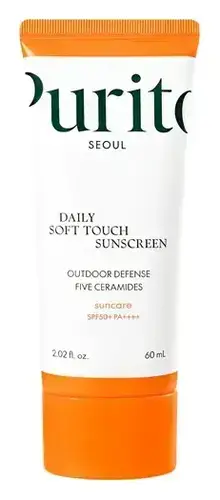
This chemical sunscreen covers the full UV range and blocks ~98% of UVB at SPF 50.
This hybrid sunscreen covers the full UV range and blocks ~98% of UVB at SPF 50.

What's inside
What's inside
 Key Ingredients
Benefits
Concerns
Ingredients Side-by-side
Water
Skin ConditioningDibutyl Adipate
EmollientPolymethylsilsesquioxane

Propanediol
Solvent

Diethylamino Hydroxybenzoyl Hexyl Benzoate
UV Filter
Butyloctyl Salicylate
Skin Conditioning
Ethylhexyl Triazone
UV Absorber
Niacinamide
Smoothing










Methylene Bis-Benzotriazolyl Tetramethylbutylphenol
UV Filter
Caprylyl Methicone
Skin Conditioning
Diethylhexyl Butamido Triazone
UV Absorber
Glycerin
Humectant
1,2-Hexanediol
Skin Conditioning
Butylene Glycol
Humectant
Laminaria Japonica Extract
Skin Protecting
Eclipta Prostrata Leaf Extract
Skin ConditioningPanthenol
Skin Conditioning
Allantoin
Skin Conditioning
Veronicastrum Sibiricum Extract
HumectantArtemisia Gmelinii Extract
EmollientSodium Hyaluronate
Humectant
Hydrolyzed Hyaluronic Acid
Humectant
Sodium Acetylated Hyaluronate
Humectant
Beta-Glucan
Skin Conditioning
Tocopherol
Antioxidant

Methylpropanediol
SolventDipropylene Glycol
HumectantFructooligosaccharides
Humectant
Adenosine
Skin Conditioning
Hydrogenated Lecithin
Emulsifying
Pentylene Glycol
Skin Conditioning
Decyl Glucoside
Cleansing
Ethylhexylglycerin
Skin ConditioningPoly C10-30 Alkyl Acrylate
Emulsion StabilisingTromethamine
BufferingCarbomer
Emulsion StabilisingAcrylates/C10-30 Alkyl Acrylate Crosspolymer
Emulsion StabilisingSodium Stearoyl Glutamate
CleansingXanthan Gum
EmulsifyingBehenyl Alcohol
Emollient
Polyglyceryl-3 Methylglucose Distearate
Emulsifying

Polyacrylate Crosspolymer-6
Emulsion StabilisingWater, Dibutyl Adipate, Polymethylsilsesquioxane, Propanediol, Diethylamino Hydroxybenzoyl Hexyl Benzoate, Butyloctyl Salicylate, Ethylhexyl Triazone, Niacinamide, Methylene Bis-Benzotriazolyl Tetramethylbutylphenol, Caprylyl Methicone, Diethylhexyl Butamido Triazone, Glycerin, 1,2-Hexanediol, Butylene Glycol, Laminaria Japonica Extract, Eclipta Prostrata Leaf Extract, Panthenol, Allantoin, Veronicastrum Sibiricum Extract, Artemisia Gmelinii Extract, Sodium Hyaluronate, Hydrolyzed Hyaluronic Acid, Sodium Acetylated Hyaluronate, Beta-Glucan, Tocopherol, Methylpropanediol, Dipropylene Glycol, Fructooligosaccharides, Adenosine, Hydrogenated Lecithin, Pentylene Glycol, Decyl Glucoside, Ethylhexylglycerin, Poly C10-30 Alkyl Acrylate, Tromethamine, Carbomer, Acrylates/C10-30 Alkyl Acrylate Crosspolymer, Sodium Stearoyl Glutamate, Xanthan Gum, Behenyl Alcohol, Polyglyceryl-3 Methylglucose Distearate, Polyacrylate Crosspolymer-6
Water
Skin ConditioningZinc Oxide
Cosmetic Colorant
Isononyl Isononanoate
EmollientCaprylyl Methicone
Skin Conditioning
Propylheptyl Caprylate
EmollientButylene Glycol
Humectant
Isododecane
EmollientButyloctyl Salicylate
Skin Conditioning
Disiloxane
Skin Conditioning
CI 77891
Cosmetic ColorantAcrylates Copolymer
C12-15 Alkyl Benzoate
AntimicrobialPolyglyceryl-4 Diisostearate/Polyhydroxystearate/Sebacate
Emulsifying
Madecassic Acid
Skin Conditioning
Asiatic Acid
Skin Conditioning
Asiaticoside
Antioxidant
Ceramide NP
Skin Conditioning
Panthenol
Skin Conditioning
Ectoin
Skin Conditioning
Persea Gratissima Fruit Extract
EmollientSodium Hyaluronate
Humectant
Hydrolyzed Hyaluronic Acid
Humectant
Hyaluronic Acid
Humectant
Sodium Hyaluronate Crosspolymer
Humectant
Hydrolyzed Glycosaminoglycans
HumectantPolyglyceryl-6 Polyhydroxystearate
Emulsifying
Polymethyl Methacrylate
Polyhydroxystearic Acid
Emulsifying
Acrylates/Polytrimethylsiloxymethacrylate Copolymer
Skin ConditioningDisteardimonium Hectorite
StabilisingMagnesium Sulfate
Dimethicone/Vinyl Dimethicone Crosspolymer
Skin Conditioning
1,2-Hexanediol
Skin Conditioning
Poly C10-30 Alkyl Acrylate
Emulsion StabilisingPolyglyceryl-3 Polydimethylsiloxyethyl Dimethicone
Skin Conditioning
Triethoxycaprylylsilane
Aluminum Hydroxide
EmollientStearic Acid
Cleansing
Polyglyceryl-6 Polyricinoleate
Emulsifying
Polyglyceryl-2 Dipolyhydroxystearate
Skin Conditioning
Ceresin
Emulsion StabilisingHydroxyacetophenone
Antioxidant
Polyglycerin-6
HumectantTocopherol
Antioxidant
Ascorbyl Palmitate
Antioxidant
Maltodextrin
Absorbent
Propanediol
Solvent
Dipropylene Glycol
HumectantGlycerin
Humectant
Benzyl Glycol
SolventEthylhexylglycerin
Skin ConditioningWater, Zinc Oxide, Isononyl Isononanoate, Caprylyl Methicone, Propylheptyl Caprylate, Butylene Glycol, Isododecane, Butyloctyl Salicylate, Disiloxane, CI 77891, Acrylates Copolymer, C12-15 Alkyl Benzoate, Polyglyceryl-4 Diisostearate/Polyhydroxystearate/Sebacate, Madecassic Acid, Asiatic Acid, Asiaticoside, Ceramide NP, Panthenol, Ectoin, Persea Gratissima Fruit Extract, Sodium Hyaluronate, Hydrolyzed Hyaluronic Acid, Hyaluronic Acid, Sodium Hyaluronate Crosspolymer, Hydrolyzed Glycosaminoglycans, Polyglyceryl-6 Polyhydroxystearate, Polymethyl Methacrylate, Polyhydroxystearic Acid, Acrylates/Polytrimethylsiloxymethacrylate Copolymer, Disteardimonium Hectorite, Magnesium Sulfate, Dimethicone/Vinyl Dimethicone Crosspolymer, 1,2-Hexanediol, Poly C10-30 Alkyl Acrylate, Polyglyceryl-3 Polydimethylsiloxyethyl Dimethicone, Triethoxycaprylylsilane, Aluminum Hydroxide, Stearic Acid, Polyglyceryl-6 Polyricinoleate, Polyglyceryl-2 Dipolyhydroxystearate, Ceresin, Hydroxyacetophenone, Polyglycerin-6, Tocopherol, Ascorbyl Palmitate, Maltodextrin, Propanediol, Dipropylene Glycol, Glycerin, Benzyl Glycol, Ethylhexylglycerin
Reviews
Ingredients Explained
These ingredients are found in both products.
Ingredients higher up in an ingredient list are typically present in a larger amount.
1,2-Hexanediol is a synthetic liquid and another multi-functional powerhouse.
It is a:
- Humectant, drawing moisture into the skin
- Emollient, helping to soften skin
- Solvent, dispersing and stabilizing formulas
- Preservative booster, enhancing the antimicrobial activity of other preservatives
Butylene Glycol (or BG) is used within cosmetic products for a few different reasons:
Overall, Butylene Glycol is a safe and well-rounded ingredient that works well with other ingredients.
Though this ingredient works well with most skin types, some people with sensitive skin may experience a reaction such as allergic rashes, closed comedones, or itchiness.
Learn more about Butylene GlycolButyloctyl Salicylate is a chemical UV filter structurally similar to octisalate. It is a photostabilizer, SPF booster, emollient and solvent. This ingredient helps evenly spread out ingredients.
According to a manufacturer, it is suitable for pairing with micro Titanium Dioxide, Zinc Oxide, and pigments.
Photostabilizers help stabilize UV-filters and prevents them from degrading quickly.
Learn more about Butyloctyl SalicylateCaprylyl Methicone is a synthetic and lightweight silicone fluid. It gives products a silky, dry-touch finish without the heaviness of pure oils.
Though the EU CosIng Database lists this ingredient as a skin conditioner, it is also used for sensory reasons. It spreads easily, cuts greasiness, and reduces tackiness.
This ingredient is volatile which means it will mostly evaporate (but it evaporates slower than older cyclomethicones, like Cyclotetrasiloxane).
Typical concentration ranges from 1-30% depending on if it's being used to tweak the feel of a product or acting as the main emollient.
Learn more about Caprylyl MethiconeDipropylene Glycol is a synthetically created humectant, stabilizer, and solvent.
This ingredient helps:
Dipropylene glycol is technically an alcohol, but it belongs to the glycol family (often considered part of the ‘good’ alcohols). This means it is hydrating and gentle on skin unlike drying solvent alcohols like denatured alcohol.
As a masking agent, Dipropylene Glycol can be used to cover the smell of other ingredients. However, it does not have a scent.
Studies show Dipropylene Glycol is considered safe to use in skincare.
Learn more about Dipropylene GlycolEthylhexylglycerin is created from glycerin. It is a multitasker ingredient that:
The CIR Expert Panel found minimal skin absorption or sensitization of any kind in a safety assessment. Though this ingredient is considered well-tolerated, a small number of cases of allergic dermatitis have been published since 2002. Just be sure to patch test if you are unsure.
Industry-reported use ranges from 8% in rinse-off products and 2% in leave-on formulations.
Learn more about EthylhexylglycerinGlycerin (or glycerol) is a compound naturally found in your skin. It's a powerhouse humectant that pulls water into the stratum corneum.
Topically, glycerin does several things at once:
Your skin makes glycerin on its own (mostly from sebaceous oil breakdown) and shuttles it to your outermost layer of skin, or your epidermis, via aquaporin-3.
Aquaporin-3 is a transporter that is essential for normal skin hydration, elasticity, and repair. Interestingly, mice lacking in AQP3 have dry and less elastic skin that can be fully corrected with glycerin.
This ingredient is non-irritating, plays well with almost every ingredient, and works across all skin types. Typical use is anywhere between 3-10% but can go up to 79% in some leave-on products.
Just know very high concentrations (>40%) can feel tacky in low humidity.
Glycerin is the name for this ingredient in American English. British English uses Glycerol/Glycerine.
Learn more about GlycerinHydrolyzed Hyaluronic Acid is hyaluronic acid (HA) that is broken down into lower molecular weight fragments.
It's a humectant that pulls and holds water in the skin to help with hydration, plumpness, and reduce transepidermal water loss.
Because hydrolyzed hyaluronic acid is smaller in size, it can slip past your outermost layer of skin more easily than full-sized HA.
Most formulations will combine all sizes to get the best of both worlds.
Typical usage levels range from 0.01-1%. Any percentage higher than 2% might become goopy and tacky.
Learn more about Hydrolyzed Hyaluronic AcidPanthenol is a common ingredient that helps hydrate and soothe the skin. It is found naturally in our skin and hair.
There are two forms of panthenol: D and L.
D-panthenol is also known as dexpanthenol. Most cosmetics use dexpanthenol or a mixture of D and L-panthenol.
Panthenol is famous due to its ability to go deeper into the skin's layers. Using this ingredient has numerous pros (and no cons):
Like hyaluronic acid, panthenol is a humectant. Humectants are able to bind and hold large amounts of water to keep skin hydrated.
This ingredient works well for wound healing. It works by increasing tissue in the wound and helps close open wounds.
Once oxidized, panthenol converts to pantothenic acid. Panthothenic acid is found in all living cells.
This ingredient is also referred to as pro-vitamin B5.
Learn more about PanthenolPoly C10-30 Alkyl Acrylate is a synthetic polymer. It's a long chain built from acrylic acid units and each unit carries a fatty "tail" derived form a C10-30 alcohol.
Those oil-loving tails allow this ingredient to thicken oil phases, hold emulsions together, and cuts the tacky/greasy feel of heavy formulas.
Typical use levels sit around 0.1-3%, with 0.3-3% more common in leave-on emulsions.
This ingredient was reviewed as part of a group of 126 acrylates and concluded to be safe by the Cosmetic Ingredient Review Expert Panel.
Though acrylate contact allergy is real and well-documented, allergy risk is quite low. The cases of documented contact allergy are caused by unreacted monomers (more commonly found in gel nails, dental resins, and adhesives).
Learn more about Poly C10-30 Alkyl AcrylatePropanediol is an all-star ingredient. It softens, hydrates, and smooths the skin.
It’s often used to:
Propanediol is not likely to cause sensitivity and considered safe to use. It is derived from corn or petroleum with a clear color and no scent.
Learn more about PropanediolSodium Hyaluronate is the salt form of hyaluronic acid. It is a long sugar chain that is naturally found in your skin, joints, and connective tissue that maintains hydration and elasticity.
In skincare, it works as a humectant. It pulls water from the environment and deeper layers of skin and binds it to the surface.
Interestingly, the size of the molecule affects its behavior:
Some clinical evidence links low molecular weight versions to improved wrinkle depth, elasticity, anti-inflammatory effects, and barrier repair.
Many serums use a blend of both weights so you can get surface hydration plus longer-lasting and deeper effects.
You'll typically see concentrations between 0.1-2% for this ingredient.
Learn more about Sodium HyaluronateTocopherol is a fat-soluble antioxidant known as Vitamin E.
You'll find this ingredient in the vast majority of skincare (for good reason). It works to neutralize free radicals, or unstable molecules generated by UV exposure, pollution, and other environmental stressors, before they can cause oxidative damage to your skin cells.
Topically applied tocopherol has been shown to protect against UV damage by ramping up the skin's own natural defense enzymes.
It also acts as a skin conditioning agent; some studies show that regular topical use can improve the skin's water-binding capacity over 2-4 weeks.
This ingredient is especially loved for being a team player. When combined with Vitamin C, the photoprotective effect of both ingredients roughly doubles and the combo also helps reduce UV-induced DNA damage.
This ingredient has some brightening potential but it's more of a prevention ingredient than spot-fader. Cell studies show it can slow down melanin production but it's worth noting that it's not the most powerful brightener out there.
In formulations, it also serves as a stabilizer that helps protect other oxidation-prone ingredients from degrading.
Concentrations usually range from 0.1-1% in most leave-on products.
Learn more about TocopherolWater. It's the most common cosmetic ingredient of all. You'll usually see it at the top of ingredient lists, meaning that it makes up the largest part of the product.
So why is it so popular? Water most often acts as a solvent - this means that it helps dissolve other ingredients into the formulation.
You'll also recognize water as that liquid we all need to stay alive. If you see this, drink a glass of water. Remember to stay hydrated!
Learn more about Water