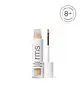
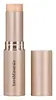
RMS Beauty Revitalize Hydra Concealer Versus bareMinerals Complexion Rescue Hydrating Foundation SPF 25

What's inside
What's inside
 Key Ingredients
Benefits
Concerns
Ingredients Side-by-side
Water
Skin ConditioningCoco-Caprylate/Caprate
Emollient
Hexyl Laurate
Emollient

Propanediol
Solvent

Hydrogenated Ethylhexyl Olivate
EmollientPolyglyceryl-3 Polyricinoleate
Emulsifying
Glycerin
Humectant
Polyglyceryl-4 Isostearate
Emulsifying
Butyrospermum Parkii Butter
Skin Conditioning


Disteardimonium Hectorite
StabilisingSorbitan Isostearate
Emulsifying
Magnesium Sulfate
Pentylene Glycol
Skin Conditioning
Glyceryl Caprylate
EmollientAluminum Hydroxide
EmollientGlyceryl Undecylenate
Emollient
Magnesium Stearate
Cosmetic ColorantHydrogenated Olive Oil Unsaponifiables
Emollient
Xanthan Gum
EmulsifyingSimmondsia Chinensis Seed Oil
Emollient
Sodium Lauroyl Glutamate
SurfactantSodium Phytate
ChelatingMica
Cosmetic ColorantHelianthus Annuus Seed Oil
Emollient
Euphrasia Officinalis Extract
AntimicrobialLysine
Skin ConditioningMagnesium Chloride
Tocopherol
Antioxidant





Lactobacillus Ferment Lysate
Skin Conditioning
Camellia Sinensis Leaf Extract
Antimicrobial


Punica Granatum Extract
AstringentDisodium Acetyl Glucosamine Phosphate
Skin ConditioningSodium Glucuronate
HumectantBeta-Sitosterol
Emulsion Stabilising
Aloe Barbadensis Leaf Extract
Emollient
Calendula Officinalis Flower Extract
Masking
Squalene
Emollient
Hypericum Perforatum Flower Extract
Skin ConditioningEquisetum Arvense Leaf Extract
AstringentHemidesmus Indicus Root Powder
Skin ConditioningCurcuma Longa Root Extract
Antioxidant
Withania Somnifera Root Extract
Skin Conditioning
Lactobacillus Ferment
Skin Conditioning
Glycyrrhiza Glabra Root Extract
Bleaching
Olea Europaea Leaf Extract
Perfuming
Caffeine
Skin Conditioning
CI 77891
Cosmetic ColorantIron Oxides
Water, Coco-Caprylate/Caprate, Hexyl Laurate, Propanediol, Hydrogenated Ethylhexyl Olivate, Polyglyceryl-3 Polyricinoleate, Glycerin, Polyglyceryl-4 Isostearate, Butyrospermum Parkii Butter, Disteardimonium Hectorite, Sorbitan Isostearate, Magnesium Sulfate, Pentylene Glycol, Glyceryl Caprylate, Aluminum Hydroxide, Glyceryl Undecylenate, Magnesium Stearate, Hydrogenated Olive Oil Unsaponifiables, Xanthan Gum, Simmondsia Chinensis Seed Oil, Sodium Lauroyl Glutamate, Sodium Phytate, Mica, Helianthus Annuus Seed Oil, Euphrasia Officinalis Extract, Lysine, Magnesium Chloride, Tocopherol, Lactobacillus Ferment Lysate, Camellia Sinensis Leaf Extract, Punica Granatum Extract, Disodium Acetyl Glucosamine Phosphate, Sodium Glucuronate, Beta-Sitosterol, Aloe Barbadensis Leaf Extract, Calendula Officinalis Flower Extract, Squalene, Hypericum Perforatum Flower Extract, Equisetum Arvense Leaf Extract, Hemidesmus Indicus Root Powder, Curcuma Longa Root Extract, Withania Somnifera Root Extract, Lactobacillus Ferment, Glycyrrhiza Glabra Root Extract, Olea Europaea Leaf Extract, Caffeine, CI 77891, Iron Oxides
Titanium Dioxide
Cosmetic Colorant

Sea Water
HumectantWater
Skin ConditioningCoconut Alkanes
Emollient
Squalane
Emollient
Paraffin
Skin Conditioning
Neopentyl Glycol Diheptanoate
EmollientGlycerin
Humectant
Bis-Butyldimethicone Polyglyceryl-3
Cleansing
Jojoba Esters
Emollient
Lauryl PEG-9 Polydimethylsiloxyethyl Dimethicone
Skin Conditioning
Saccharomyces/Xylinum/Black Tea Ferment
Skin Conditioning
Isostearic Acid
Cleansing
Polymethylsilsesquioxane
Dimethicone
Emollient
Trifluoropropyldimethyl/Trimethylsiloxysilicate
EmollientTrehalose
Humectant
Moringa Oleifera Seed Extract
Skin Conditioning
Camellia Japonica Flower Extract
EmollientSalicornia Herbacea Extract
Skin ConditioningTheobroma Cacao Seed Extract
Antioxidant
Disodium Stearoyl Glutamate
CleansingSea Salt
Abrasive
Biosaccharide Gum-4
Skin Conditioning
Palmitoyl Tripeptide-5
Skin Conditioning

PEG-12 Dimethicone
Skin Conditioning
Caprylic/Capric Triglyceride
Masking
Lauroyl Lysine
Skin Conditioning
Coco-Caprylate/Caprate
Emollient
Butylene Glycol
Humectant
Ethylhexylglycerin
Skin ConditioningTocopherol
Antioxidant
Silica
Abrasive
Aluminum Hydroxide
EmollientDisteardimonium Hectorite
StabilisingMicrocrystalline Wax
Emulsion StabilisingPropanediol
Solvent
Sodium Chloride
MaskingSodium Carrageenan
Emulsion StabilisingStearic Acid
Cleansing
Trisodium EDTA
ChelatingAluminum Dimyristate
Emulsion StabilisingTriethoxycaprylylsilane
1,2-Hexanediol
Skin Conditioning
Boron Nitride
Absorbent
Disodium Phosphate
BufferingCitric Acid
Buffering
BHT
Antioxidant
Potassium Sorbate
Preservative
Sodium Benzoate
Masking
Phenoxyethanol
Preservative
Iron Oxides
Titanium Dioxide, Sea Water, Water, Coconut Alkanes, Squalane, Paraffin, Neopentyl Glycol Diheptanoate, Glycerin, Bis-Butyldimethicone Polyglyceryl-3, Jojoba Esters, Lauryl PEG-9 Polydimethylsiloxyethyl Dimethicone, Saccharomyces/Xylinum/Black Tea Ferment, Isostearic Acid, Polymethylsilsesquioxane, Dimethicone, Trifluoropropyldimethyl/Trimethylsiloxysilicate, Trehalose, Moringa Oleifera Seed Extract, Camellia Japonica Flower Extract, Salicornia Herbacea Extract, Theobroma Cacao Seed Extract, Disodium Stearoyl Glutamate, Sea Salt, Biosaccharide Gum-4, Palmitoyl Tripeptide-5, PEG-12 Dimethicone, Caprylic/Capric Triglyceride, Lauroyl Lysine, Coco-Caprylate/Caprate, Butylene Glycol, Ethylhexylglycerin, Tocopherol, Silica, Aluminum Hydroxide, Disteardimonium Hectorite, Microcrystalline Wax, Propanediol, Sodium Chloride, Sodium Carrageenan, Stearic Acid, Trisodium EDTA, Aluminum Dimyristate, Triethoxycaprylylsilane, 1,2-Hexanediol, Boron Nitride, Disodium Phosphate, Citric Acid, BHT, Potassium Sorbate, Sodium Benzoate, Phenoxyethanol, Iron Oxides
Ingredients Explained
These ingredients are found in both products.
Ingredients higher up in an ingredient list are typically present in a larger amount.
Aluminum Hydroxide is a form of aluminum. It can be naturally found in nature as the mineral gibbsite. In cosmetics, Aluminum Hydroxide is used as a colorant, pH adjuster, and absorbent.
As a colorant, Aluminum Hydroxide may add opacity, or reduce the transparency. Aluminum hydroxide is contains both basic and acidic properties.
According to manufacturers, this ingredient is an emollient and humectant. This means it helps hydrate the skin.
In medicine, this ingredient is used to help relieve heartburn and help heal ulcers.
There is currently no credible scientific evidence linking aluminum hydroxide in cosmetics to increased cancer risk.
Major health organizations allow the use of aluminum hydroxide in personal care products and have not flagged it as a carcinogenic risk at typical usage levels.
Learn more about Aluminum HydroxideCoco-Caprylate/Caprate is a lightweight ester created from coconut oil fatty acids, caprylic acid, and capric acid.
It is an emollient that helps soften skin and reduce transepidermal water loss (TEWL). What sets it apart from heavier emollients is its ultralight, non-greasy feel.
Once applied, this ingredient dries down quickly and leaves a dry, silky finish behind. This also helps improve spreadability and texture.
This ingredient has an excellent safety-record and is non-irritating.
Typical concentrations for cosmetics range from 0.5-62%.
Research on Malassezia growth found no growth on fatty acid esters with chain lengths shorter than 12 carbons (it prefers C11-24).
Since Coco-Caprylate/Caprate is built on C8 and C10 fatty acids, it is out of the range that Malassezia metabolizes, and therefore safe for fungal acne.
Learn more about Coco-Caprylate/CaprateDisteardimonium Hectorite comes from the clay mineral named hectorite. It is used to add thickness to a product.
It can also help stabilize a product by helping to disperse other ingredients.
Hectorite is a rare, white clay mineral.
Learn more about Disteardimonium HectoriteGlycerin (or glycerol) is a compound naturally found in your skin. It's a powerhouse humectant that pulls water into the stratum corneum.
Topically, glycerin does several things at once:
Your skin makes glycerin on its own (mostly from sebaceous oil breakdown) and shuttles it to your outermost layer of skin, or your epidermis, via aquaporin-3.
Aquaporin-3 is a transporter that is essential for normal skin hydration, elasticity, and repair. Interestingly, mice lacking in AQP3 have dry and less elastic skin that can be fully corrected with glycerin.
This ingredient is non-irritating, plays well with almost every ingredient, and works across all skin types. Typical use is anywhere between 3-10% but can go up to 79% in some leave-on products.
Just know very high concentrations (>40%) can feel tacky in low humidity.
Glycerin is the name for this ingredient in American English. British English uses Glycerol/Glycerine.
Learn more about GlycerinPropanediol is an all-star ingredient. It softens, hydrates, and smooths the skin.
It’s often used to:
Propanediol is not likely to cause sensitivity and considered safe to use. It is derived from corn or petroleum with a clear color and no scent.
Learn more about PropanediolTocopherol is a fat-soluble antioxidant known as Vitamin E.
You'll find this ingredient in the vast majority of skincare (for good reason). It works to neutralize free radicals, or unstable molecules generated by UV exposure, pollution, and other environmental stressors, before they can cause oxidative damage to your skin cells.
Topically applied tocopherol has been shown to protect against UV damage by ramping up the skin's own natural defense enzymes.
It also acts as a skin conditioning agent; some studies show that regular topical use can improve the skin's water-binding capacity over 2-4 weeks.
This ingredient is especially loved for being a team player. When combined with Vitamin C, the photoprotective effect of both ingredients roughly doubles and the combo also helps reduce UV-induced DNA damage.
This ingredient has some brightening potential but it's more of a prevention ingredient than spot-fader. Cell studies show it can slow down melanin production but it's worth noting that it's not the most powerful brightener out there.
In formulations, it also serves as a stabilizer that helps protect other oxidation-prone ingredients from degrading.
Concentrations usually range from 0.1-1% in most leave-on products.
Learn more about TocopherolWater. It's the most common cosmetic ingredient of all. You'll usually see it at the top of ingredient lists, meaning that it makes up the largest part of the product.
So why is it so popular? Water most often acts as a solvent - this means that it helps dissolve other ingredients into the formulation.
You'll also recognize water as that liquid we all need to stay alive. If you see this, drink a glass of water. Remember to stay hydrated!
Learn more about WaterThis ingredient is a combination of red, black, and yellow iron oxide pigments. This combination of colors is usually found in foundation, because it results in a "skin" color.
The EU typically uses CI numbers for colorants when applicable, such as CI 77489. In the US, iron oxides are regulated as color additives and "iron oxides" is the most commonly used name in US cosmetic practice.
A 2021 paper looked at skincare formulations containing iron oxides and found that they reduced transmission of blue light when measured optically. In simple terms, the pigment particles helped block or scatter part of the visible light spectrum in lab testing and the authors suggest this could translate into better protection against blue-light-related skin effects.
There is also clinical and experimental research showing that tinted products containing iron oxides can reduce visible light-induced pigmentation:
Please note, whether a product reduces visible or blue light depends on things like:
In the EU's CosIng database, iron oxides are only listed as a colorant. CosIng groups ingredients by their main cosmetic role, such as colorant, preservative, or UV filter.
Though studies say iron oxides can "attenuate blue light", they're describing an optical property and not an officially recognized cosmetic function.
So CosIng isn’t contradicting the research. It’s just classifying iron oxides by what they officially are: pigments that add color.
Learn more about Iron Oxides

