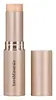
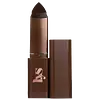
bareMinerals Complexion Rescue Hydrating Foundation SPF 25 Versus Lys Beauty Triple Fix Blurring Skin Tint Foundation Stick

What's inside
What's inside
 Key Ingredients
Benefits
Concerns
Ingredients Side-by-side
Titanium Dioxide
Cosmetic Colorant

Sea Water
HumectantWater
Skin ConditioningCoconut Alkanes
Emollient


Squalane
Emollient


Paraffin
Skin Conditioning
Neopentyl Glycol Diheptanoate
EmollientGlycerin
Humectant
Bis-Butyldimethicone Polyglyceryl-3
Cleansing
Jojoba Esters
Emollient

Lauryl PEG-9 Polydimethylsiloxyethyl Dimethicone
Skin Conditioning
Saccharomyces/Xylinum/Black Tea Ferment
Skin Conditioning
Isostearic Acid
Cleansing
Polymethylsilsesquioxane
Dimethicone
Emollient
Trifluoropropyldimethyl/Trimethylsiloxysilicate
EmollientTrehalose
Humectant
Moringa Oleifera Seed Extract
Skin Conditioning
Camellia Japonica Flower Extract
EmollientSalicornia Herbacea Extract
Skin ConditioningTheobroma Cacao Seed Extract
Antioxidant
Disodium Stearoyl Glutamate
CleansingSea Salt
Abrasive
Biosaccharide Gum-4
Skin Conditioning
Palmitoyl Tripeptide-5
Skin Conditioning

PEG-12 Dimethicone
Skin Conditioning
Caprylic/Capric Triglyceride
Masking
Lauroyl Lysine
Skin Conditioning
Coco-Caprylate/Caprate
Emollient
Butylene Glycol
Humectant
Ethylhexylglycerin
Skin ConditioningTocopherol
Antioxidant



Silica
Abrasive
Aluminum Hydroxide
EmollientDisteardimonium Hectorite
StabilisingMicrocrystalline Wax
Emulsion StabilisingPropanediol
Solvent
Sodium Chloride
MaskingSodium Carrageenan
Emulsion StabilisingStearic Acid
Cleansing
Trisodium EDTA
ChelatingAluminum Dimyristate
Emulsion StabilisingTriethoxycaprylylsilane
1,2-Hexanediol
Skin Conditioning
Boron Nitride
Absorbent
Disodium Phosphate
BufferingCitric Acid
Buffering
BHT
Antioxidant
Potassium Sorbate
Preservative
Sodium Benzoate
Masking
Phenoxyethanol
Preservative
Iron Oxides
Titanium Dioxide, Sea Water, Water, Coconut Alkanes, Squalane, Paraffin, Neopentyl Glycol Diheptanoate, Glycerin, Bis-Butyldimethicone Polyglyceryl-3, Jojoba Esters, Lauryl PEG-9 Polydimethylsiloxyethyl Dimethicone, Saccharomyces/Xylinum/Black Tea Ferment, Isostearic Acid, Polymethylsilsesquioxane, Dimethicone, Trifluoropropyldimethyl/Trimethylsiloxysilicate, Trehalose, Moringa Oleifera Seed Extract, Camellia Japonica Flower Extract, Salicornia Herbacea Extract, Theobroma Cacao Seed Extract, Disodium Stearoyl Glutamate, Sea Salt, Biosaccharide Gum-4, Palmitoyl Tripeptide-5, PEG-12 Dimethicone, Caprylic/Capric Triglyceride, Lauroyl Lysine, Coco-Caprylate/Caprate, Butylene Glycol, Ethylhexylglycerin, Tocopherol, Silica, Aluminum Hydroxide, Disteardimonium Hectorite, Microcrystalline Wax, Propanediol, Sodium Chloride, Sodium Carrageenan, Stearic Acid, Trisodium EDTA, Aluminum Dimyristate, Triethoxycaprylylsilane, 1,2-Hexanediol, Boron Nitride, Disodium Phosphate, Citric Acid, BHT, Potassium Sorbate, Sodium Benzoate, Phenoxyethanol, Iron Oxides
Ethylhexyl Palmitate
Emollient
Diisostearyl Malate
EmollientIsononyl Isononanoate
EmollientAluminum Hydroxide
EmollientSynthetic Wax
Abrasive
Ceresin
Emulsion StabilisingPolyisobutene
Sodium Hyaluronate
Humectant
Camellia Sinensis Leaf Extract
Antimicrobial
Carthamus Tinctorius Seed Oil
Masking
Citrullus Lanatus Fruit Extract
Skin Conditioning
Tocopherol
Antioxidant
Rosa Canina Fruit Oil
Emollient
Caprylic/Capric Triglyceride
Masking
Glucomannan
Skin ConditioningSilica
Abrasive
Trihydroxystearin
Skin Conditioning
Phenoxyethanol
Preservative
CI 16035
Cosmetic ColorantCI 77491
Cosmetic ColorantCI 77499
Cosmetic ColorantEthylhexyl Palmitate, Diisostearyl Malate, Isononyl Isononanoate, Aluminum Hydroxide, Synthetic Wax, Ceresin, Polyisobutene, Sodium Hyaluronate, Camellia Sinensis Leaf Extract, Carthamus Tinctorius Seed Oil, Citrullus Lanatus Fruit Extract, Tocopherol, Rosa Canina Fruit Oil, Caprylic/Capric Triglyceride, Glucomannan, Silica, Trihydroxystearin, Phenoxyethanol, CI 16035, CI 77491, CI 77499
Ingredients Explained
These ingredients are found in both products.
Ingredients higher up in an ingredient list are typically present in a larger amount.
Aluminum Hydroxide is a form of aluminum. It can be naturally found in nature as the mineral gibbsite. In cosmetics, Aluminum Hydroxide is used as a colorant, pH adjuster, and absorbent.
As a colorant, Aluminum Hydroxide may add opacity, or reduce the transparency. Aluminum hydroxide is contains both basic and acidic properties.
According to manufacturers, this ingredient is an emollient and humectant. This means it helps hydrate the skin.
In medicine, this ingredient is used to help relieve heartburn and help heal ulcers.
There is currently no credible scientific evidence linking aluminum hydroxide in cosmetics to increased cancer risk.
Major health organizations allow the use of aluminum hydroxide in personal care products and have not flagged it as a carcinogenic risk at typical usage levels.
Learn more about Aluminum HydroxideCaprylic/Capric Triglyceride (aka MCT Oil) is a lightweight emollient, solvent, and texture enhancer. It is considered a skin-softener by helping to prevent moisture loss.
Though it behaves like an oil, it is not technically one due to its chemical composition. One perk of this ingredient is that it is very stable, resistant to oxidation, and unlikely to go rancid.
In practice, that translates to a long shelf life and a consistently elegant skin feel.
While there is an assumption Caprylic Triglyceride can clog pores due to it being derived from coconut oil, there is no research supporting this. Just patch test if you have concerns.
Fractionated coconut oil and MCT Oil are both listed as Caprylic/Capric Triglyceride according to INCI. This is because INCI names are based on the ingredient’s final chemical composition and not its marketing name or source.
This ingredient is treated as the gold standard fungal acne safe oil. Even though it is coconut derived, the problematic lauric acid is stripped out.
This leaves just caprylic (C8) and capric (C10) acid. These chain lengths actually trend antifungal; a 2020 study found caprylic acid was enough to disrupt Malassezia furfur cell membrane, with a caprylic acid derivative damaging membrane structures at concentrations as low as 0.2%.
Learn more about Caprylic/Capric TriglyceridePhenoxyethanol is one of the most widely used preservatives in skincare (and for good reason!).
It has a large spectrum of antimicrobial activity and especially effective bacteria, yeast, and mold while only having a weak effect on your skin's natural microbiome.
On a cellular level, it disrupts the cell membranes of microbes by poking holes that make the cell leak. This shuts down the chemical reactions the microbe needs to make energy so it can no longer survive.
Another perk of this ingredient is that it stays functional across a wide pH range (3-10).
You'll often see it paired with boosters like Ethylhexylglycerin; one study showed that a 1:9 ratio of Ethylhexylglycerin to Phenoxyethanol damages bacterial membranes as effectively as doubling the Phenoxyethanol concentration on its own.
Typical use concentrations range from 0.3-1% depending on the formula, and this ingredient is capped at 1% int the EU.
Safety-wise, the fear mongering does not hold up to the evidence. The EU's Scientific Committee on Consumer Safety and FDA consider it safe as a preservative at up to 1%, including for children of all ages.
Adverse systemic effects only showed up in animal studies at exposures roughly 200x higher than what people get from cosmetics. And despite its very widespread use, this ingredient is a rare sensitizer and allergic reactions are uncommon.
Learn more about PhenoxyethanolSilica, also known as silicon dioxide, is a naturally occurring mineral. It is used as a fine, spherical, and porous powder in cosmetics.
Though it has exfoliant properties, the function of silica varies depending on the product.
The unique structure of silica enhances the spreadability and adds smoothness, making it a great texture enhancer.
It is also used as an active carrier, emulsifier, and mattifier due to its ability to absorb excess oil.
In some products, tiny microneedles called spicules are made from silica or hydrolyzed sponge. When you rub them in, they lightly polish away dead skin layers and enhance the penetration of active ingredients.
Learn more about SilicaTocopherol is a fat-soluble antioxidant known as Vitamin E.
You'll find this ingredient in the vast majority of skincare (for good reason). It works to neutralize free radicals, or unstable molecules generated by UV exposure, pollution, and other environmental stressors, before they can cause oxidative damage to your skin cells.
Topically applied tocopherol has been shown to protect against UV damage by ramping up the skin's own natural defense enzymes.
It also acts as a skin conditioning agent; some studies show that regular topical use can improve the skin's water-binding capacity over 2-4 weeks.
This ingredient is especially loved for being a team player. When combined with Vitamin C, the photoprotective effect of both ingredients roughly doubles and the combo also helps reduce UV-induced DNA damage.
This ingredient has some brightening potential but it's more of a prevention ingredient than spot-fader. Cell studies show it can slow down melanin production but it's worth noting that it's not the most powerful brightener out there.
In formulations, it also serves as a stabilizer that helps protect other oxidation-prone ingredients from degrading.
Concentrations usually range from 0.1-1% in most leave-on products.
Learn more about Tocopherol

