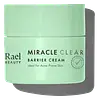
This barrier-repair moisturizer is formulated around Panthenol and Dipotassium Glycyrrhizate to strengthen the skin barrier and hydrate skin.

What's inside
What's inside
 Key Ingredients
Benefits
Concerns
Ingredients Side-by-side
Water
Skin ConditioningGlycerin
Humectant


Propanediol
Solvent
Caprylic/Capric Triglyceride
Masking
Dicaprylyl Ether
Emollient
Cetearyl Alcohol
Emollient





Pentylene Glycol
Skin Conditioning
1,2-Hexanediol
Skin Conditioning
Citrus Aurantium Bergamia Fruit Oil
Masking



Salvia Sclarea Oil
Masking
Diisostearyl Malate
EmollientPentaerythrityl Tetraethylhexanoate
Emollient
Succinic Acid
BufferingPanthenol
Skin Conditioning

Sodium Polyacryloyldimethyl Taurate
Emulsion StabilisingHydroxyethyl Acrylate/Sodium Acryloyldimethyl Taurate Copolymer
Emulsion StabilisingSucrose Polystearate
EmollientCetearyl Olivate
Sorbitan Olivate
Emulsifying
Hydrogenated Polyisobutene
EmollientPoly C10-30 Alkyl Acrylate
Emulsion StabilisingDipotassium Glycyrrhizate
Humectant
Ethylhexylglycerin
Skin ConditioningGlyceryl Acrylate/Acrylic Acid Copolymer
HumectantTocopherol
Antioxidant




Behenyl Alcohol
Emollient
Xanthan Gum
EmulsifyingLimonene
Perfuming
Linalool
Perfuming
Water, Glycerin, Propanediol, Caprylic/Capric Triglyceride, Dicaprylyl Ether, Cetearyl Alcohol, Pentylene Glycol, 1,2-Hexanediol, Citrus Aurantium Bergamia Fruit Oil, Salvia Sclarea Oil, Diisostearyl Malate, Pentaerythrityl Tetraethylhexanoate, Succinic Acid, Panthenol, Sodium Polyacryloyldimethyl Taurate, Hydroxyethyl Acrylate/Sodium Acryloyldimethyl Taurate Copolymer, Sucrose Polystearate, Cetearyl Olivate, Sorbitan Olivate, Hydrogenated Polyisobutene, Poly C10-30 Alkyl Acrylate, Dipotassium Glycyrrhizate, Ethylhexylglycerin, Glyceryl Acrylate/Acrylic Acid Copolymer, Tocopherol, Behenyl Alcohol, Xanthan Gum, Limonene, Linalool
Water
Skin ConditioningDipropylene Glycol
HumectantGlycerin
Humectant
Caprylic/Capric Triglyceride
Masking
Butylene Glycol
Humectant
Squalane
Emollient
Pentaerythrityl Tetraisostearate
Emollient
Polyglyceryl-3 Distearate
Emulsifying
Diethoxyethyl Succinate
SolventIsohexadecane
EmollientSorbitan Stearate
Emulsifying
Sorbitan Sesquioleate
Emulsifying
Stearic Acid
Cleansing
Helianthus Annuus Seed Oil
Emollient
Panthenol
Skin Conditioning
Cetyl Alcohol
Emollient
Glyceryl Stearate Se
Emulsifying
Centella Asiatica Leaf Extract
Skin Conditioning
Hexadecane
Perfuming
Hydroxyacetophenone
Antioxidant
Carbomer
Emulsion StabilisingAmmonium Acryloyldimethyltaurate/Vp Copolymer
Decyl Glucoside
Cleansing
Tetradecane
Perfuming
Arginine
Masking
Hydroxyethylcellulose
Emulsion StabilisingHydrogenated Lecithin
Emulsifying
Dodecane
Emollient
Octadecane
Emollient
Sorbitan Oleate
Emulsifying
Glyceryl Stearate Citrate
Emollient
Behenic Acid
Cleansing
Sodium Chloride
MaskingPvp
Emulsion StabilisingCaprylyl Glycol
Emollient
Ethylhexylglycerin
Skin ConditioningEicosane
Emollient
Stearyl Alcohol
Emollient
Behenyl Alcohol
Emollient
Trehalose
Humectant
Myristic Acid
Cleansing
Melia Azadirachta Flower Extract
Skin ConditioningMelia Azadirachta Leaf Extract
Skin ConditioningTocopherol
Antioxidant
Ocimum Sanctum Leaf Extract
Skin ConditioningSodium Acetate
BufferingCoccinia Indica Fruit Extract
Skin Conditioning
Curcuma Longa Root Extract
Antioxidant
Corallina Officinalis Extract
Skin Conditioning
Aloe Barbadensis Flower Extract
EmollientSodium Hyaluronate
Humectant
Solanum Melongena Fruit Extract
Skin ConditioningFullerenes
AntimicrobialCitrus Nobilis Peel Oil
Masking
Ocimum Basilicum Oil
Masking
Limonene
Perfuming
Water, Dipropylene Glycol, Glycerin, Caprylic/Capric Triglyceride, Butylene Glycol, Squalane, Pentaerythrityl Tetraisostearate, Polyglyceryl-3 Distearate, Diethoxyethyl Succinate, Isohexadecane, Sorbitan Stearate, Sorbitan Sesquioleate, Stearic Acid, Helianthus Annuus Seed Oil, Panthenol, Cetyl Alcohol, Glyceryl Stearate Se, Centella Asiatica Leaf Extract, Hexadecane, Hydroxyacetophenone, Carbomer, Ammonium Acryloyldimethyltaurate/Vp Copolymer, Decyl Glucoside, Tetradecane, Arginine, Hydroxyethylcellulose, Hydrogenated Lecithin, Dodecane, Octadecane, Sorbitan Oleate, Glyceryl Stearate Citrate, Behenic Acid, Sodium Chloride, Pvp, Caprylyl Glycol, Ethylhexylglycerin, Eicosane, Stearyl Alcohol, Behenyl Alcohol, Trehalose, Myristic Acid, Melia Azadirachta Flower Extract, Melia Azadirachta Leaf Extract, Tocopherol, Ocimum Sanctum Leaf Extract, Sodium Acetate, Coccinia Indica Fruit Extract, Curcuma Longa Root Extract, Corallina Officinalis Extract, Aloe Barbadensis Flower Extract, Sodium Hyaluronate, Solanum Melongena Fruit Extract, Fullerenes, Citrus Nobilis Peel Oil, Ocimum Basilicum Oil, Limonene
Reviews
Ingredients Explained
These ingredients are found in both products.
Ingredients higher up in an ingredient list are typically present in a larger amount.
Behenyl Alcohol is a type of fatty alcohol (these are different from the drying, solvent alcohols).
Fatty Alcohols have hydrating properties and are most often used as an emollient or to thicken a product. They are usually derived from natural fats and oils; behenyl alcohol is derived from the fats of vegetable oils.
Emollients help keep your skin soft and hydrated by creating a film that traps moisture in.
In 2000, Behenyl Alcohol was approved by the US as medicine to reduce the duration of cold sores.
Learn more about Behenyl AlcoholCaprylic/Capric Triglyceride (aka MCT Oil) is a lightweight emollient, solvent, and texture enhancer. It is considered a skin-softener by helping to prevent moisture loss.
Though it behaves like an oil, it is not technically one due to its chemical composition. One perk of this ingredient is that it is very stable, resistant to oxidation, and unlikely to go rancid.
In practice, that translates to a long shelf life and a consistently elegant skin feel.
While there is an assumption Caprylic Triglyceride can clog pores due to it being derived from coconut oil, there is no research supporting this. Just patch test if you have concerns.
Fractionated coconut oil and MCT Oil are both listed as Caprylic/Capric Triglyceride according to INCI. This is because INCI names are based on the ingredient’s final chemical composition and not its marketing name or source.
This ingredient is treated as the gold standard fungal acne safe oil. Even though it is coconut derived, the problematic lauric acid is stripped out.
This leaves just caprylic (C8) and capric (C10) acid. These chain lengths actually trend antifungal; a 2020 study found caprylic acid was enough to disrupt Malassezia furfur cell membrane, with a caprylic acid derivative damaging membrane structures at concentrations as low as 0.2%.
Learn more about Caprylic/Capric TriglycerideEthylhexylglycerin is created from glycerin. It is a multitasker ingredient that:
The CIR Expert Panel found minimal skin absorption or sensitization of any kind in a safety assessment. Though this ingredient is considered well-tolerated, a small number of cases of allergic dermatitis have been published since 2002. Just be sure to patch test if you are unsure.
Industry-reported use ranges from 8% in rinse-off products and 2% in leave-on formulations.
Learn more about EthylhexylglycerinGlycerin (or glycerol) is a compound naturally found in your skin. It's a powerhouse humectant that pulls water into the stratum corneum.
Topically, glycerin does several things at once:
Your skin makes glycerin on its own (mostly from sebaceous oil breakdown) and shuttles it to your outermost layer of skin, or your epidermis, via aquaporin-3.
Aquaporin-3 is a transporter that is essential for normal skin hydration, elasticity, and repair. Interestingly, mice lacking in AQP3 have dry and less elastic skin that can be fully corrected with glycerin.
This ingredient is non-irritating, plays well with almost every ingredient, and works across all skin types. Typical use is anywhere between 3-10% but can go up to 79% in some leave-on products.
Just know very high concentrations (>40%) can feel tacky in low humidity.
Glycerin is the name for this ingredient in American English. British English uses Glycerol/Glycerine.
Learn more about GlycerinLimonene is the compound that gives citrus peel its smell.
In skincare, it shows up as a standalone fragrance ingredient or as a natural compound of citrus and other essential oils.
You'll typically see this ingredient used in very small amounts; anything above 0.001% in a leave-on product or 0.01% in a rinse-off has to be named on the label in the EU. The citrus oils that carry it sit around 0.5-1% in a finished formula.
Fresh limonene is a weak allergen; the real issue is that it slowly reacts with air and then breaks down from oxidation to create hydroperoxides (which are strong sensitizers). This is why suppliers are required to keep the peroxide value below 20 mmol.
Positive reactions in people being investigated for eczema vary:
It's worth skipping if you have a known fragrance allergy or a compromised barrier, but the risk is low for most people.
Older or long-opened products are also more likely to bother you than fresh ones due to oxidation.
Learn more about LimonenePanthenol is a common ingredient that helps hydrate and soothe the skin. It is found naturally in our skin and hair.
There are two forms of panthenol: D and L.
D-panthenol is also known as dexpanthenol. Most cosmetics use dexpanthenol or a mixture of D and L-panthenol.
Panthenol is famous due to its ability to go deeper into the skin's layers. Using this ingredient has numerous pros (and no cons):
Like hyaluronic acid, panthenol is a humectant. Humectants are able to bind and hold large amounts of water to keep skin hydrated.
This ingredient works well for wound healing. It works by increasing tissue in the wound and helps close open wounds.
Once oxidized, panthenol converts to pantothenic acid. Panthothenic acid is found in all living cells.
This ingredient is also referred to as pro-vitamin B5.
Learn more about PanthenolTocopherol is a fat-soluble antioxidant known as Vitamin E.
You'll find this ingredient in the vast majority of skincare (for good reason). It works to neutralize free radicals, or unstable molecules generated by UV exposure, pollution, and other environmental stressors, before they can cause oxidative damage to your skin cells.
Topically applied tocopherol has been shown to protect against UV damage by ramping up the skin's own natural defense enzymes.
It also acts as a skin conditioning agent; some studies show that regular topical use can improve the skin's water-binding capacity over 2-4 weeks.
This ingredient is especially loved for being a team player. When combined with Vitamin C, the photoprotective effect of both ingredients roughly doubles and the combo also helps reduce UV-induced DNA damage.
This ingredient has some brightening potential but it's more of a prevention ingredient than spot-fader. Cell studies show it can slow down melanin production but it's worth noting that it's not the most powerful brightener out there.
In formulations, it also serves as a stabilizer that helps protect other oxidation-prone ingredients from degrading.
Concentrations usually range from 0.1-1% in most leave-on products.
Learn more about TocopherolWater. It's the most common cosmetic ingredient of all. You'll usually see it at the top of ingredient lists, meaning that it makes up the largest part of the product.
So why is it so popular? Water most often acts as a solvent - this means that it helps dissolve other ingredients into the formulation.
You'll also recognize water as that liquid we all need to stay alive. If you see this, drink a glass of water. Remember to stay hydrated!
Learn more about Water

