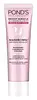
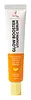
Pond's Bright Miracle Ultimate Clarity Serum Burst Cream Versus iWhite Korea Glow Booster Vitamin C Serum


What's inside
What's inside
 Key Ingredients
Benefits
Concerns
Ingredients Side-by-side
Water
Skin ConditioningCyclopentasiloxane
Emollient
Butylene Glycol
Humectant

Niacinamide
Smoothing










Glycerin
Humectant
Dimethicone
Emollient
Potassium Chloride
4-Ethylresorcinol
AntimicrobialCeramide NP
Skin Conditioning
Ceramide AP
Skin Conditioning
Ceramide EOP
Skin Conditioning
Bifida Ferment Lysate
Skin Conditioning
Sodium Hyaluronate
Humectant
Sodium Hyaluronate Crosspolymer
Humectant
Hydrolyzed Sodium Hyaluronate
Skin Conditioning
Sodium Acetylated Hyaluronate
Humectant
Cystine
MaskingGlycine
Buffering
Sodium PCA
Humectant
Cholesterol
Emollient
Dimethicone/PEG-10/15 Crosspolymer
Phenoxyethanol
Preservative
Parfum
Masking




PEG-9 Polydimethylsiloxyethyl Dimethicone
Emulsifying
Disodium EDTA
PEG-4 Laurate
Emulsifying
Dipropylene Glycol
HumectantIodopropynyl Butylcarbamate
Preservative
Potassium Hydroxide
BufferingSodium Citrate
BufferingTocopherol
Antioxidant

Sodium Hydroxide
BufferingPentylene Glycol
Skin Conditioning
Sodium Lauroyl Lactylate
EmulsifyingPhytosphingosine
Skin Conditioning
Ethylhexylglycerin
Skin ConditioningXanthan Gum
EmulsifyingCarbomer
Emulsion StabilisingSodium Benzoate
Masking
Water, Cyclopentasiloxane, Butylene Glycol, Niacinamide, Glycerin, Dimethicone, Potassium Chloride, 4-Ethylresorcinol, Ceramide NP, Ceramide AP, Ceramide EOP, Bifida Ferment Lysate, Sodium Hyaluronate, Sodium Hyaluronate Crosspolymer, Hydrolyzed Sodium Hyaluronate, Sodium Acetylated Hyaluronate, Cystine, Glycine, Sodium PCA, Cholesterol, Dimethicone/PEG-10/15 Crosspolymer, Phenoxyethanol, Parfum, PEG-9 Polydimethylsiloxyethyl Dimethicone, Disodium EDTA, PEG-4 Laurate, Dipropylene Glycol, Iodopropynyl Butylcarbamate, Potassium Hydroxide, Sodium Citrate, Tocopherol, Sodium Hydroxide, Pentylene Glycol, Sodium Lauroyl Lactylate, Phytosphingosine, Ethylhexylglycerin, Xanthan Gum, Carbomer, Sodium Benzoate
Water
Skin ConditioningHippophae Rhamnoides Fruit Extract
Skin Conditioning
Glycerin
Humectant
Methylpropanediol
SolventCaprylic/Capric Triglyceride
Masking
Cyclopentasiloxane
Emollient
Niacinamide
Smoothing
Betaine
Humectant
Citrus Limon Fruit Extract
Masking
Punica Granatum Fruit Extract
Antioxidant
Salix Alba Bark Extract
Astringent
Malpighia Emarginata Fruit Extract
Skin ConditioningTerminalia Ferdinandiana Fruit Extract
Antioxidant
Portulaca Oleracea Extract
Skin Conditioning
Citrus Paradisi Fruit Extract
Skin ConditioningSodium Hyaluronate
Humectant
Panthenol
Skin Conditioning
Xylitol
Humectant
Allantoin
Skin Conditioning
Ascorbic Acid
Antioxidant
Ascorbyl Glucoside
Antioxidant
Tetrahexyldecyl Ascorbate
Antioxidant
Sodium Riboflavin Phosphate
Skin ConditioningSodium Ascorbyl Phosphate
Antioxidant
Magnesium Ascorbyl Phosphate
Antioxidant
Menadione
MaskingGlutathione
Zea Mays Starch
Absorbent
Mannitol
Humectant
Sucrose
Humectant
Adenosine
Skin Conditioning
Butylene Glycol
Humectant
Caprylyl Glycol
Emollient
Isohexadecane
EmollientCyclohexasiloxane
Emollient
Dimethicone
Emollient
Cetearyl Glucoside
Emulsifying
Sorbitan Olivate
Emulsifying
Cetearyl Alcohol
Emollient

Sorbitan Oleate
Emulsifying
Polysorbate 80
Emulsifying
Xanthan Gum
EmulsifyingMicrocrystalline Cellulose
AbsorbentSodium Acrylate/Sodium Acryloyldimethyl Taurate Copolymer
Emulsion StabilisingGlyceryl Acrylate/Acrylic Acid Copolymer
HumectantAmmonium Acryloyldimethyltaurate/Vp Copolymer
Sodium Polyacrylate
Absorbent
Dimethicone/Vinyl Dimethicone Crosspolymer
Skin Conditioning
1,2-Hexanediol
Skin Conditioning
Benzyl Glycol
SolventEthylhexylglycerin
Skin ConditioningRaspberry Ketone
Masking
Disodium EDTA
CI 77891
Cosmetic ColorantCI 77492
Cosmetic ColorantCitrus Limon Peel Oil
Masking



Citral
Perfuming
Limonene
Perfuming
Water, Hippophae Rhamnoides Fruit Extract, Glycerin, Methylpropanediol, Caprylic/Capric Triglyceride, Cyclopentasiloxane, Niacinamide, Betaine, Citrus Limon Fruit Extract, Punica Granatum Fruit Extract, Salix Alba Bark Extract, Malpighia Emarginata Fruit Extract, Terminalia Ferdinandiana Fruit Extract, Portulaca Oleracea Extract, Citrus Paradisi Fruit Extract, Sodium Hyaluronate, Panthenol, Xylitol, Allantoin, Ascorbic Acid, Ascorbyl Glucoside, Tetrahexyldecyl Ascorbate, Sodium Riboflavin Phosphate, Sodium Ascorbyl Phosphate, Magnesium Ascorbyl Phosphate, Menadione, Glutathione, Zea Mays Starch, Mannitol, Sucrose, Adenosine, Butylene Glycol, Caprylyl Glycol, Isohexadecane, Cyclohexasiloxane, Dimethicone, Cetearyl Glucoside, Sorbitan Olivate, Cetearyl Alcohol, Sorbitan Oleate, Polysorbate 80, Xanthan Gum, Microcrystalline Cellulose, Sodium Acrylate/Sodium Acryloyldimethyl Taurate Copolymer, Glyceryl Acrylate/Acrylic Acid Copolymer, Ammonium Acryloyldimethyltaurate/Vp Copolymer, Sodium Polyacrylate, Dimethicone/Vinyl Dimethicone Crosspolymer, 1,2-Hexanediol, Benzyl Glycol, Ethylhexylglycerin, Raspberry Ketone, Disodium EDTA, CI 77891, CI 77492, Citrus Limon Peel Oil, Citral, Limonene
Ingredients Explained
These ingredients are found in both products.
Ingredients higher up in an ingredient list are typically present in a larger amount.
Butylene Glycol (or BG) is used within cosmetic products for a few different reasons:
Overall, Butylene Glycol is a safe and well-rounded ingredient that works well with other ingredients.
Though this ingredient works well with most skin types, some people with sensitive skin may experience a reaction such as allergic rashes, closed comedones, or itchiness.
Learn more about Butylene GlycolCyclopentasiloxane (D5) is a lightweight silicone that mostly acts as an emollient and solvent in cosmetics. Its the reason your products feel silky, fast-spreading, and non-greasy.
Since D5 is volatile, it does its thing and then evaporates off the skin quickly.
The safety profile of this ingredient is reassuring; the US CIR Expert Panel concluded D5 is safe as used in cosmetics and Health Canada concluded that D5 is not harmful to human health or the environment as currently used in cosmetics
There's a study that people mention about D5 in a rat study showing tumors. This study is related to long-term inhalation of high D5 levels.
Regulatory bodies have judged this study to be not applicable in topical skincare since skin absorption of D5 is very low and we're not really inhaling huge amounts of D5.
The only restriction for this ingredient is environmental. The European Chemicals Agency (ECHA) restricted D5 in wash-off cosmetics at or above 0.1% due to their persistence in water.
Learn more about CyclopentasiloxaneDimethicone is a type of synthetic silicone created from natural materials such as quartz. It is also known as polydimethylsiloxane.
What it does:
Dimethicone comes in different viscosities:
Depending on the viscosity, dimethicone has different properties.
Ingredients lists don't always show which type is used, so we recommend reaching out to the brand if you have questions about the viscosity.
This ingredient is unlikely to cause irritation because it does not get absorbed into skin. However, people with silicone allergies should be careful about using this ingredient.
Note: Dimethicone may contribute to pilling. This is because it is not oil or water soluble, so pilling may occur when layered with products. When mixed with heavy oils in a formula, the outcome is also quite greasy.
Learn more about DimethiconeDisodium EDTA is a chelating agent. It grabs onto and deactivates metal ions that sneak into your products from water, packaging, or air.
This ingredient mainly works behind the scenes and helps with:
On top of that, this ingredient can counteract the effects of hard water by binding to the minerals in it.
One thing worth knowing is that Disodium EDTA has been shown to be a mild penetration enhancer. It can help other ingredients absorb into skin more effectively which can be a double-edged sword (great for actives, but can also make the active too strong if you have sensitive skin).
Clinical patch testing showed no significant skin irritation at typical use concentrations and minimal dermal absorption.
You'll most likely see this ingredient near the end of an ingredient list. It's typically found in concentrations less than 1%.
Learn more about Disodium EDTAEthylhexylglycerin is created from glycerin. It is a multitasker ingredient that:
The CIR Expert Panel found minimal skin absorption or sensitization of any kind in a safety assessment. Though this ingredient is considered well-tolerated, a small number of cases of allergic dermatitis have been published since 2002. Just be sure to patch test if you are unsure.
Industry-reported use ranges from 8% in rinse-off products and 2% in leave-on formulations.
Learn more about EthylhexylglycerinGlycerin (or glycerol) is a compound naturally found in your skin. It's a powerhouse humectant that pulls water into the stratum corneum.
Topically, glycerin does several things at once:
Your skin makes glycerin on its own (mostly from sebaceous oil breakdown) and shuttles it to your outermost layer of skin, or your epidermis, via aquaporin-3.
Aquaporin-3 is a transporter that is essential for normal skin hydration, elasticity, and repair. Interestingly, mice lacking in AQP3 have dry and less elastic skin that can be fully corrected with glycerin.
This ingredient is non-irritating, plays well with almost every ingredient, and works across all skin types. Typical use is anywhere between 3-10% but can go up to 79% in some leave-on products.
Just know very high concentrations (>40%) can feel tacky in low humidity.
Glycerin is the name for this ingredient in American English. British English uses Glycerol/Glycerine.
Learn more about GlycerinNiacinamide is a multitasking form of vitamin B3 that strengthens the skin barrier, reduces pores and dark spots, regulates oil, and improves signs of aging.
And the best part? It's gentle and well-tolerated by most skin types, including sensitive and reactive skin.
You might have heard of "niacin flush", or the reddening of skin that causes itchiness. Niacinamide has not been found to cause this.
In very rare cases, some individuals may not be able to tolerate niacinamide at all or experience an allergic reaction to it.
If you are experiencing flaking, irritation, and dryness with this ingredient, be sure to double check all your products as this ingredient can be found in all categories of skincare.
When incorporating niacinamide into your routine, look out for concentration amounts. Typically, 5% niacinamide provides benefits such as fading dark spots. However, if you have sensitive skin, it is better to begin with a smaller concentration.
When you apply niacinamide to your skin, your body converts it into nicotinamide adenine dinucleotide (NAD). NAD is an essential coenzyme that is already found in your cells as "fuel" and powers countless biological processes.
In your skin, NAD helps repair cell damage, produce new healthy cells, support collagen production, strengthen the skin barrier, and fight environmental stressors (like UV and pollution).
Our natural NAD levels start to decline with age, leading to slower skin repair, visible aging, and a weaker skin barrier. By providing your skin niacinamide, you're recharging your skin's NAD levels. This leads to stronger, healthier, and younger looking skin.
Another name for vitamin B3 is nicotinamide. This vitamin is water-soluble and our bodies don't store it. We obtain Vitamin B3 from either food or skincare. Meat, fish, wheat, yeast, and leafy greens contain vitamin B3.
The type of niacinamide used in skincare is synthetically created.
Learn more about NiacinamideSodium Hyaluronate is the salt form of hyaluronic acid. It is a long sugar chain that is naturally found in your skin, joints, and connective tissue that maintains hydration and elasticity.
In skincare, it works as a humectant. It pulls water from the environment and deeper layers of skin and binds it to the surface.
Interestingly, the size of the molecule affects its behavior:
Some clinical evidence links low molecular weight versions to improved wrinkle depth, elasticity, anti-inflammatory effects, and barrier repair.
Many serums use a blend of both weights so you can get surface hydration plus longer-lasting and deeper effects.
You'll typically see concentrations between 0.1-2% for this ingredient.
Learn more about Sodium HyaluronateWater. It's the most common cosmetic ingredient of all. You'll usually see it at the top of ingredient lists, meaning that it makes up the largest part of the product.
So why is it so popular? Water most often acts as a solvent - this means that it helps dissolve other ingredients into the formulation.
You'll also recognize water as that liquid we all need to stay alive. If you see this, drink a glass of water. Remember to stay hydrated!
Learn more about WaterXanthan gum is used as a stabilizer and thickener within cosmetic products. It helps give products a sticky, thick feeling - preventing them from being too runny.
On the technical side of things, xanthan gum is a polysaccharide - a combination consisting of multiple sugar molecules bonded together.
Xanthan gum is a pretty common and great ingredient. It is a natural, non-toxic, non-irritating ingredient that is also commonly used in food products.
Learn more about Xanthan Gum

