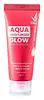
This brightening moisturizer is formulated around Niacinamide and Sodium Hyaluronate to brighten dull-looking skin and hydrate skin.
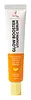
This brightening serum is formulated around Hippophae Rhamnoides Fruit Extract and Niacinamide to brighten dull-looking skin and fade the look of dark spots.

What's inside
What's inside
 Key Ingredients
Benefits
Concerns
Ingredients Side-by-side
Rubus Fruticosus Fruit Extract
AstringentRubus Idaeus Fruit Extract
AstringentFragaria Chiloensis Fruit Extract
Skin Conditioning
Vaccinium Angustifolium Fruit Extract
Skin Protecting
Vaccinium Macrocarpon Fruit Extract
AstringentRibes Nigrum Fruit Extract
Astringent
Euterpe Oleracea Fruit Extract
Morus Nigra Fruit Extract
Skin ConditioningVaccinium Myrtillus Fruit Extract
Skin ConditioningLycium Chinense Fruit Extract
Antioxidant
Cyclopentasiloxane
Emollient
Glycerin
Humectant

PEG-10 Dimethicone/Vinyl Dimethicone Crosspolymer
Stabilising
Cyclohexasiloxane
Emollient
Niacinamide
Smoothing








Magnesium Sulfate
Sodium Hyaluronate
Humectant
Ananas Sativus Fruit Water
Skin ConditioningAnanas Sativus Fruit Extract
Skin ConditioningAnanas Sativus Fruit Juice
Skin ConditioningAscorbyl Tetraisopalmitate
Antioxidant


Allantoin
Skin Conditioning
Ethylhexyl Methoxycinnamate
UV Absorber


Butylene Glycol
Humectant
Panthenol
Skin Conditioning
Tocopheryl Acetate
Antioxidant
Dimethiconol
Emollient
Phenoxyethanol
Preservative
Chlorphenesin
Antimicrobial
CI 16035
Cosmetic ColorantParfum
Masking

Rubus Fruticosus Fruit Extract, Rubus Idaeus Fruit Extract, Fragaria Chiloensis Fruit Extract, Vaccinium Angustifolium Fruit Extract, Vaccinium Macrocarpon Fruit Extract, Ribes Nigrum Fruit Extract, Euterpe Oleracea Fruit Extract, Morus Nigra Fruit Extract, Vaccinium Myrtillus Fruit Extract, Lycium Chinense Fruit Extract, Cyclopentasiloxane, Glycerin, PEG-10 Dimethicone/Vinyl Dimethicone Crosspolymer, Cyclohexasiloxane, Niacinamide, Magnesium Sulfate, Sodium Hyaluronate, Ananas Sativus Fruit Water, Ananas Sativus Fruit Extract, Ananas Sativus Fruit Juice, Ascorbyl Tetraisopalmitate, Allantoin, Ethylhexyl Methoxycinnamate, Butylene Glycol, Panthenol, Tocopheryl Acetate, Dimethiconol, Phenoxyethanol, Chlorphenesin, CI 16035, Parfum
Water
Skin ConditioningHippophae Rhamnoides Fruit Extract
Skin Conditioning
Glycerin
Humectant
Methylpropanediol
SolventCaprylic/Capric Triglyceride
Masking
Cyclopentasiloxane
Emollient
Niacinamide
Smoothing
Betaine
Humectant
Citrus Limon Fruit Extract
Masking
Punica Granatum Fruit Extract
Antioxidant
Salix Alba Bark Extract
Astringent
Malpighia Emarginata Fruit Extract
Skin ConditioningTerminalia Ferdinandiana Fruit Extract
Antioxidant
Portulaca Oleracea Extract
Skin Conditioning
Citrus Paradisi Fruit Extract
Skin ConditioningSodium Hyaluronate
Humectant
Panthenol
Skin Conditioning
Xylitol
Humectant
Allantoin
Skin Conditioning
Ascorbic Acid
Antioxidant
Ascorbyl Glucoside
Antioxidant
Tetrahexyldecyl Ascorbate
Antioxidant
Sodium Riboflavin Phosphate
Skin ConditioningSodium Ascorbyl Phosphate
Antioxidant
Magnesium Ascorbyl Phosphate
Antioxidant
Menadione
MaskingGlutathione
Zea Mays Starch
Absorbent
Mannitol
Humectant
Sucrose
Humectant
Adenosine
Skin Conditioning
Butylene Glycol
Humectant
Caprylyl Glycol
Emollient
Isohexadecane
EmollientCyclohexasiloxane
Emollient
Dimethicone
Emollient
Cetearyl Glucoside
Emulsifying
Sorbitan Olivate
Emulsifying
Cetearyl Alcohol
Emollient

Sorbitan Oleate
Emulsifying
Polysorbate 80
Emulsifying
Xanthan Gum
EmulsifyingMicrocrystalline Cellulose
AbsorbentSodium Acrylate/Sodium Acryloyldimethyl Taurate Copolymer
Emulsion StabilisingGlyceryl Acrylate/Acrylic Acid Copolymer
HumectantAmmonium Acryloyldimethyltaurate/Vp Copolymer
Sodium Polyacrylate
Absorbent
Dimethicone/Vinyl Dimethicone Crosspolymer
Skin Conditioning
1,2-Hexanediol
Skin Conditioning
Benzyl Glycol
SolventEthylhexylglycerin
Skin ConditioningRaspberry Ketone
Masking
Disodium EDTA
ChelatingCI 77891
Cosmetic ColorantCI 77492
Cosmetic ColorantCitrus Limon Peel Oil
Masking



Citral
Perfuming
Limonene
Perfuming
Water, Hippophae Rhamnoides Fruit Extract, Glycerin, Methylpropanediol, Caprylic/Capric Triglyceride, Cyclopentasiloxane, Niacinamide, Betaine, Citrus Limon Fruit Extract, Punica Granatum Fruit Extract, Salix Alba Bark Extract, Malpighia Emarginata Fruit Extract, Terminalia Ferdinandiana Fruit Extract, Portulaca Oleracea Extract, Citrus Paradisi Fruit Extract, Sodium Hyaluronate, Panthenol, Xylitol, Allantoin, Ascorbic Acid, Ascorbyl Glucoside, Tetrahexyldecyl Ascorbate, Sodium Riboflavin Phosphate, Sodium Ascorbyl Phosphate, Magnesium Ascorbyl Phosphate, Menadione, Glutathione, Zea Mays Starch, Mannitol, Sucrose, Adenosine, Butylene Glycol, Caprylyl Glycol, Isohexadecane, Cyclohexasiloxane, Dimethicone, Cetearyl Glucoside, Sorbitan Olivate, Cetearyl Alcohol, Sorbitan Oleate, Polysorbate 80, Xanthan Gum, Microcrystalline Cellulose, Sodium Acrylate/Sodium Acryloyldimethyl Taurate Copolymer, Glyceryl Acrylate/Acrylic Acid Copolymer, Ammonium Acryloyldimethyltaurate/Vp Copolymer, Sodium Polyacrylate, Dimethicone/Vinyl Dimethicone Crosspolymer, 1,2-Hexanediol, Benzyl Glycol, Ethylhexylglycerin, Raspberry Ketone, Disodium EDTA, CI 77891, CI 77492, Citrus Limon Peel Oil, Citral, Limonene
Reviews
Ingredients Explained
These ingredients are found in both products.
Ingredients higher up in an ingredient list are typically present in a larger amount.
Allantoin is a soothing ingredient known for its protective and moisturizing properties; it's basically a quiet workhorse ingredient you can find in a huge range of cosmetics.
Though it can be derived from the comfrey plant, allantoin is produced synthetically for cosmetic products to ensure purity.
Research shows it can encourage your skin cells to turn over and renew by stimulating keratinocyte and fibroblast proliferation.
It also has mild keratolytic properties to help loosen and shed dead skin cells without being harsh.
Studies also suggest allantoin can help calm inflammation by dialing down some of the chemical signals your skin sends out when it is irritated.
This ingredient is typically used in the 0.1-0.5% range, and the FDA recognizes it as a skin protectant in OTC products up to 2%.
Overall, allantoin is a wonderful addition to most routines; it is stable across a wide pH range (~4-8), works well with other ingredients, and is considered non-sensitizing/non-irritating.
Fun fact: Allantoin is naturally occurring in comfrey root, beets, chamomile, and wheat sprouts. Our bodies even produce it as a byproduct of uric acid metabolism.
Learn more about AllantoinButylene Glycol (or BG) is used within cosmetic products for a few different reasons:
Overall, Butylene Glycol is a safe and well-rounded ingredient that works well with other ingredients.
Though this ingredient works well with most skin types, some people with sensitive skin may experience a reaction such as allergic rashes, closed comedones, or itchiness.
Learn more about Butylene GlycolCyclohexasiloxane is a type of silicone more commonly known as D6. It is an emollient and solvent.
Cyclohexasiloxane is used to evenly distribute ingredients throughout the product. When applied to the skin, Cyclohexasiloxane evaporates and leaves behind a silky feel.
As an emollient, it can help the skin feel soft and hydrated. It is also used to reduce frizz in hair products.
Learn more about CyclohexasiloxaneCyclopentasiloxane (D5) is a lightweight silicone that mostly acts as an emollient and solvent in cosmetics. Its the reason your products feel silky, fast-spreading, and non-greasy.
Since D5 is volatile, it does its thing and then evaporates off the skin quickly.
The safety profile of this ingredient is reassuring; the US CIR Expert Panel concluded D5 is safe as used in cosmetics and Health Canada concluded that D5 is not harmful to human health or the environment as currently used in cosmetics
There's a study that people mention about D5 in a rat study showing tumors. This study is related to long-term inhalation of high D5 levels.
Regulatory bodies have judged this study to be not applicable in topical skincare since skin absorption of D5 is very low and we're not really inhaling huge amounts of D5.
The only restriction for this ingredient is environmental. The European Chemicals Agency (ECHA) restricted D5 in wash-off cosmetics at or above 0.1% due to their persistence in water.
Learn more about CyclopentasiloxaneGlycerin (or glycerol) is a compound naturally found in your skin. It's a powerhouse humectant that pulls water into the stratum corneum.
Topically, glycerin does several things at once:
Your skin makes glycerin on its own (mostly from sebaceous oil breakdown) and shuttles it to your outermost layer of skin, or your epidermis, via aquaporin-3.
Aquaporin-3 is a transporter that is essential for normal skin hydration, elasticity, and repair. Interestingly, mice lacking in AQP3 have dry and less elastic skin that can be fully corrected with glycerin.
This ingredient is non-irritating, plays well with almost every ingredient, and works across all skin types. Typical use is anywhere between 3-10% but can go up to 79% in some leave-on products.
Just know very high concentrations (>40%) can feel tacky in low humidity.
Glycerin is the name for this ingredient in American English. British English uses Glycerol/Glycerine.
Learn more about GlycerinNiacinamide is a multitasking form of vitamin B3 that strengthens the skin barrier, reduces pores and dark spots, regulates oil, and improves signs of aging.
And the best part? It's gentle and well-tolerated by most skin types, including sensitive and reactive skin.
You might have heard of "niacin flush", or the reddening of skin that causes itchiness. Niacinamide has not been found to cause this.
In very rare cases, some individuals may not be able to tolerate niacinamide at all or experience an allergic reaction to it.
If you are experiencing flaking, irritation, and dryness with this ingredient, be sure to double check all your products as this ingredient can be found in all categories of skincare.
When incorporating niacinamide into your routine, look out for concentration amounts. Typically, 5% niacinamide provides benefits such as fading dark spots. However, if you have sensitive skin, it is better to begin with a smaller concentration.
When you apply niacinamide to your skin, your body converts it into nicotinamide adenine dinucleotide (NAD). NAD is an essential coenzyme that is already found in your cells as "fuel" and powers countless biological processes.
In your skin, NAD helps repair cell damage, produce new healthy cells, support collagen production, strengthen the skin barrier, and fight environmental stressors (like UV and pollution).
Our natural NAD levels start to decline with age, leading to slower skin repair, visible aging, and a weaker skin barrier. By providing your skin niacinamide, you're recharging your skin's NAD levels. This leads to stronger, healthier, and younger looking skin.
Another name for vitamin B3 is nicotinamide. This vitamin is water-soluble and our bodies don't store it. We obtain Vitamin B3 from either food or skincare. Meat, fish, wheat, yeast, and leafy greens contain vitamin B3.
The type of niacinamide used in skincare is synthetically created.
Learn more about NiacinamidePanthenol is a common ingredient that helps hydrate and soothe the skin. It is found naturally in our skin and hair.
There are two forms of panthenol: D and L.
D-panthenol is also known as dexpanthenol. Most cosmetics use dexpanthenol or a mixture of D and L-panthenol.
Panthenol is famous due to its ability to go deeper into the skin's layers. Using this ingredient has numerous pros (and no cons):
Like hyaluronic acid, panthenol is a humectant. Humectants are able to bind and hold large amounts of water to keep skin hydrated.
This ingredient works well for wound healing. It works by increasing tissue in the wound and helps close open wounds.
Once oxidized, panthenol converts to pantothenic acid. Panthothenic acid is found in all living cells.
This ingredient is also referred to as pro-vitamin B5.
Learn more about PanthenolSodium Hyaluronate is the salt form of hyaluronic acid. It is a long sugar chain that is naturally found in your skin, joints, and connective tissue that maintains hydration and elasticity.
In skincare, it works as a humectant. It pulls water from the environment and deeper layers of skin and binds it to the surface.
Interestingly, the size of the molecule affects its behavior:
Some clinical evidence links low molecular weight versions to improved wrinkle depth, elasticity, anti-inflammatory effects, and barrier repair.
Many serums use a blend of both weights so you can get surface hydration plus longer-lasting and deeper effects.
You'll typically see concentrations between 0.1-2% for this ingredient.
Learn more about Sodium Hyaluronate

