
What's inside
What's inside
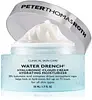 Key Ingredients
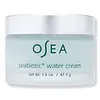
Benefits
Concerns
Ingredients Side-by-side
Water
Skin ConditioningGlycerin
Humectant



Cyclopentasiloxane
Emollient
Dipropylene Glycol
HumectantDimethicone
Emollient
Cyclohexasiloxane
Emollient
Yeast Extract
Skin Conditioning
Sodium Hyaluronate
Humectant
Ceramide EOP
Skin Conditioning


Ceramide Eos
Skin Conditioning
Ceramide AP
Skin Conditioning
Ceramide NP
Skin Conditioning
Ceramide Ns
Skin Conditioning
Sambucus Nigra Fruit Extract
AstringentHydrolyzed Silk
Humectant
Sodium PCA
Humectant
Tocopherol
Antioxidant

Ascorbyl Palmitate
Antioxidant


Caprooyl Phytosphingosine
Skin Conditioning
Caprooyl Sphingosine
Skin ConditioningSaccharide Isomerate
Humectant
Saccharomyces/Magnesium Ferment
Saccharomyces/Iron Ferment
Skin ConditioningSaccharomyces/Copper Ferment
Skin ConditioningSaccharomyces/Silicon Ferment
Skin ConditioningSaccharomyces/Zinc Ferment
Skin ConditioningOlea Europaea Leaf Extract
Perfuming
Methyl Gluceth-20
Humectant
Ethylhexylglycerin
Skin ConditioningLauryl PEG-9 Polydimethylsiloxyethyl Dimethicone
Skin Conditioning
Cholesterol
Emollient
Sodium Chloride
Masking


Sodium Citrate
BufferingCitric Acid
Buffering

Behenic Acid
Cleansing
Propylene Glycol
Humectant
Ceteareth-25
CleansingButylene Glycol
Humectant
Dimethicone/PEG-10/15 Crosspolymer
Cetyl Alcohol
Emollient
Disodium EDTA
Sodium Benzoate
Masking
Potassium Sorbate
Preservative
Phenoxyethanol
Preservative
Mica
Cosmetic Colorant
Water, Glycerin, Cyclopentasiloxane, Dipropylene Glycol, Dimethicone, Cyclohexasiloxane, Yeast Extract, Sodium Hyaluronate, Ceramide EOP, Ceramide Eos, Ceramide AP, Ceramide NP, Ceramide Ns, Sambucus Nigra Fruit Extract, Hydrolyzed Silk, Sodium PCA, Tocopherol, Ascorbyl Palmitate, Caprooyl Phytosphingosine, Caprooyl Sphingosine, Saccharide Isomerate, Saccharomyces/Magnesium Ferment, Saccharomyces/Iron Ferment, Saccharomyces/Copper Ferment, Saccharomyces/Silicon Ferment, Saccharomyces/Zinc Ferment, Olea Europaea Leaf Extract, Methyl Gluceth-20, Ethylhexylglycerin, Lauryl PEG-9 Polydimethylsiloxyethyl Dimethicone, Cholesterol, Sodium Chloride, Sodium Citrate, Citric Acid, Behenic Acid, Propylene Glycol, Ceteareth-25, Butylene Glycol, Dimethicone/PEG-10/15 Crosspolymer, Cetyl Alcohol, Disodium EDTA, Sodium Benzoate, Potassium Sorbate, Phenoxyethanol, Mica
Water
Skin ConditioningGlycerin
Humectant
Caprylic/Capric Triglyceride
Masking
Squalane
Emollient
Isoamyl Laurate
Emollient
Undecane
EmollientCetearyl Alcohol
Emollient
Hectorite
AbsorbentCetearyl Olivate
Sorbitan Olivate
Emulsifying
Glyceryl Caprylate
EmollientUndaria Pinnatifida Extract
Skin ConditioningTremella Fuciformis Polysaccharide
Emulsion Stabilising
Hyaluronic Acid
Humectant
Betulin
Skin ConditioningTocopherol
Antioxidant
Pavlova Lutheri Extract
Skin ConditioningTerminalia Ferdinandiana Fruit Extract
Antioxidant
Laminaria Ochroleuca Extract
Skin Conditioning
Bisabolol
Masking
Calendula Officinalis Flower Extract
Masking
Brassica Oleracea Italica Extract
AstringentZingiber Officinale Root Extract
Masking
Melia Azadirachta Leaf Extract
Skin ConditioningMelia Azadirachta Flower Extract
Skin ConditioningCorallina Officinalis Extract
Skin Conditioning
Coccinia Indica Fruit Extract
Skin ConditioningSolanum Melongena Fruit Extract
Skin ConditioningAloe Barbadensis Flower Extract
EmollientOcimum Sanctum Leaf Extract
Skin Conditioning
Ocimum Basilicum Flower/Leaf Extract
TonicCurcuma Longa Root Extract
Masking
Caesalpinia Spinosa Fruit Pod Extract
Helianthus Annuus Sprout Extract
Skin ConditioningMaltodextrin
Absorbent
Fucus Vesiculosus Extract
Emollient
Lactobacillus Ferment
Skin Conditioning
Tridecane
Perfuming
Sodium Stearoyl Glutamate
CleansingCaprylhydroxamic Acid
Tetrasodium Glutamate Diacetate
Sodium Hydroxide
BufferingCitric Acid
Buffering
Sodium Benzoate
Masking
Potassium Sorbate
Preservative
Water, Glycerin, Caprylic/Capric Triglyceride, Squalane, Isoamyl Laurate, Undecane, Cetearyl Alcohol, Hectorite, Cetearyl Olivate, Sorbitan Olivate, Glyceryl Caprylate, Undaria Pinnatifida Extract, Tremella Fuciformis Polysaccharide, Hyaluronic Acid, Betulin, Tocopherol, Pavlova Lutheri Extract, Terminalia Ferdinandiana Fruit Extract, Laminaria Ochroleuca Extract, Bisabolol, Calendula Officinalis Flower Extract, Brassica Oleracea Italica Extract, Zingiber Officinale Root Extract, Melia Azadirachta Leaf Extract, Melia Azadirachta Flower Extract, Corallina Officinalis Extract, Coccinia Indica Fruit Extract, Solanum Melongena Fruit Extract, Aloe Barbadensis Flower Extract, Ocimum Sanctum Leaf Extract, Ocimum Basilicum Flower/Leaf Extract, Curcuma Longa Root Extract, Caesalpinia Spinosa Fruit Pod Extract, Helianthus Annuus Sprout Extract, Maltodextrin, Fucus Vesiculosus Extract, Lactobacillus Ferment, Tridecane, Sodium Stearoyl Glutamate, Caprylhydroxamic Acid, Tetrasodium Glutamate Diacetate, Sodium Hydroxide, Citric Acid, Sodium Benzoate, Potassium Sorbate
Reviews
Ingredients Explained
These ingredients are found in both products.
Ingredients higher up in an ingredient list are typically present in a larger amount.
Citric Acid is an alpha hydroxy acid (AHA) naturally found in citrus fruits like oranges, lemons, and limes.
Like other AHAs, citric acid can exfoliate skin by breaking down the bonds that hold dead skin cells together. This helps reveal smoother and brighter skin underneath.
However, this exfoliating effect only happens at high concentrations (20%) which can be hard to find in cosmetic products.
Due to this, citric acid is usually included in small amounts as a pH adjuster. This helps keep products slightly more acidic and compatible with skin's natural pH.
In skincare formulas, citric acid can:
While it can provide some skin benefits, research shows lactic acid and glycolic acid are generally more effective and less irritating exfoliants.
Most citric acid used in skincare today is made by fermenting sugars (usually from molasses). This synthetic version is identical to the natural citrus form but easier to stabilize and use in formulations.
Read more about some other popular AHA's here:
Learn more about Citric AcidGlycerin is already naturally found in your skin. It helps moisturize and protect your skin.
A study from 2016 found glycerin to be more effective as a humectant than AHAs and hyaluronic acid.
As a humectant, it helps the skin stay hydrated by pulling moisture to your skin. The low molecular weight of glycerin allows it to pull moisture into the deeper layers of your skin.
Hydrated skin improves your skin barrier; Your skin barrier helps protect against irritants and bacteria.
Glycerin has also been found to have antimicrobial and antiviral properties. Due to these properties, glycerin is often used in wound and burn treatments.
In cosmetics, glycerin is usually derived from plants such as soybean or palm. However, it can also be sourced from animals, such as tallow or animal fat.
This ingredient is organic, colorless, odorless, and non-toxic.
Glycerin is the name for this ingredient in American English. British English uses Glycerol/Glycerine.
Learn more about GlycerinPotassium Sorbate is a preservative used to prevent yeast and mold in products. It is commonly found in both cosmetic and food products.
This ingredient comes from potassium salt derived from sorbic acid. Sorbic acid is a natural antibiotic and effective against fungus.
Both potassium sorbate and sorbic acid can be found in baked goods, cheeses, dried meats, dried fruit, ice cream, pickles, wine, yogurt, and more.
You'll often find this ingredient used with other preservatives.
Learn more about Potassium SorbateSodium Benzoate is a preservative. It's used in both cosmetic and food products to inhibit the growth of mold and bacteria. It is typically produced synthetically.
Both the US FDA and EU Health Committee have approved the use of sodium benzoate. In the US, levels of 0.1% (of the total product) are allowed.
Sodium benzoate works as a preservative by inhibiting the growth of bacteria inside of cells. It prevents the cell from fermenting a type of sugar using an enzyme called phosphofructokinase.
It is the salt of benzoic acid. Foods containing sodium benzoate include soda, salad dressings, condiments, fruit juices, wines, and snack foods.
Studies for using ascorbic acid and sodium benzoate in cosmetics are lacking, especially in skincare routines with multiple steps.
We always recommend speaking with a professional, such as a dermatologist, if you have any concerns.
Learn more about Sodium BenzoateTocopherol (also known as Vitamin E) is a common antioxidant used to help protect the skin from free-radicals and strengthen the skin barrier. It's also fat soluble - this means our skin is great at absorbing it.
Vitamin E also helps keep your natural skin lipids healthy. Your lipid skin barrier naturally consists of lipids, ceramides, and fatty acids. Vitamin E offers extra protection for your skin’s lipid barrier, keeping your skin healthy and nourished.
Another benefit is a bit of UV protection. Vitamin E helps reduce the damage caused by UVB rays. (It should not replace your sunscreen). Combining it with Vitamin C can decrease sunburned cells and hyperpigmentation after UV exposure.
You might have noticed Vitamin E + C often paired together. This is because it is great at stabilizing Vitamin C. Using the two together helps increase the effectiveness of both ingredients.
There are often claims that Vitamin E can reduce/prevent scarring, but these claims haven't been confirmed by scientific research.
Learn more about TocopherolWater. It's the most common cosmetic ingredient of all. You'll usually see it at the top of ingredient lists, meaning that it makes up the largest part of the product.
So why is it so popular? Water most often acts as a solvent - this means that it helps dissolve other ingredients into the formulation.
You'll also recognize water as that liquid we all need to stay alive. If you see this, drink a glass of water. Stay hydrated!
Learn more about Water
