
What's inside
What's inside
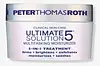 Key Ingredients
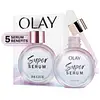
Benefits
Concerns
Ingredients Side-by-side
Water
Skin ConditioningGlycerin
Humectant



Butyrospermum Parkii Butter
Skin Conditioning


Glyceryl Stearate
Emollient
Cocos Nucifera Oil
Masking

Glycolic Acid
Buffering








C12-15 Alkyl Benzoate
AntimicrobialIsocetyl Stearate
Emollient
Cetyl Alcohol
Emollient
Propylene Glycol Stearate
Skin Conditioning
Dimethicone
Emollient
Sodium Hydroxide
BufferingButylene Glycol
Humectant
Panthenol
Skin Conditioning

Tocopheryl Acetate
Antioxidant

Methyldihydrojasmonate
MaskingCopper Palmitoyl Heptapeptide-14
Skin Conditioning
Heptapeptide-15 Palmitate
Skin Conditioning
Acetyl Hexapeptide-8
Humectant
Palmitoyl Tripeptide-1
Skin Conditioning
Palmitoyl Tetrapeptide-7
Skin Conditioning
Palmitoyl Tripeptide-5
Skin Conditioning
Maleic Acid
BufferingLactic Acid
Buffering
Tartaric Acid
Buffering
Salicylic Acid
Masking


Bisabolol
Masking
Persea Gratissima Oil
Skin Conditioning
Foeniculum Vulgare Seed Extract
Skin ConditioningCeramide NP
Skin Conditioning
Collagen
Moisturising
Jojoba Esters
Emollient
Ascorbic Acid
Antioxidant
Sodium Hyaluronate
Humectant
Helianthus Annuus Seed Wax
Skin Conditioning
Sodium Phytate
Cholesterol
Emollient
Macrocystis Pyrifera Extract
Skin Conditioning
Echinacea Angustifolia Extract
MoisturisingCamellia Oleifera Leaf Extract
AstringentCamellia Sinensis Leaf Extract
Antimicrobial
Vitis Vinifera Seed Extract
Antimicrobial
Centella Asiatica Extract
Cleansing
Acacia Decurrens Flower Wax
Emollient
Polyglycerin-3
Humectant
Carbomer
Emulsion StabilisingSodium Lactate
BufferingStearic Acid
Cleansing
Leuconostoc/Radish Root Ferment Filtrate
Antimicrobial
Lactic Acid/Glycolic Acid Copolymer
Skin ConditioningSorbitan Isostearate
Emulsifying
Potassium Sorbate
Preservative
Polysorbate 20
Emulsifying
Hydroxyethyl Acrylate/Sodium Acryloyldimethyl Taurate Copolymer
Emulsion StabilisingMethylpropanediol
SolventEthylhexylglycerin
Skin ConditioningPolyvinyl Alcohol
Ascorbyl Methylsilanol Pectinate
Antioxidant
Isohexadecane
EmollientPolysilicone-11
Histidine Hcl
Skin ConditioningStearyl Alcohol
Emollient
Stearoxytrimethylsilane
EmollientXanthan Gum
EmulsifyingViola Tricolor Extract
EmollientSodium Benzoate
Masking
Polysorbate 60
Emulsifying
Phenoxyethanol
Preservative
Water, Glycerin, Butyrospermum Parkii Butter, Glyceryl Stearate, Cocos Nucifera Oil, Glycolic Acid, C12-15 Alkyl Benzoate, Isocetyl Stearate, Cetyl Alcohol, Propylene Glycol Stearate, Dimethicone, Sodium Hydroxide, Butylene Glycol, Panthenol, Tocopheryl Acetate, Methyldihydrojasmonate, Copper Palmitoyl Heptapeptide-14, Heptapeptide-15 Palmitate, Acetyl Hexapeptide-8, Palmitoyl Tripeptide-1, Palmitoyl Tetrapeptide-7, Palmitoyl Tripeptide-5, Maleic Acid, Lactic Acid, Tartaric Acid, Salicylic Acid, Bisabolol, Persea Gratissima Oil, Foeniculum Vulgare Seed Extract, Ceramide NP, Collagen, Jojoba Esters, Ascorbic Acid, Sodium Hyaluronate, Helianthus Annuus Seed Wax, Sodium Phytate, Cholesterol, Macrocystis Pyrifera Extract, Echinacea Angustifolia Extract, Camellia Oleifera Leaf Extract, Camellia Sinensis Leaf Extract, Vitis Vinifera Seed Extract, Centella Asiatica Extract, Acacia Decurrens Flower Wax, Polyglycerin-3, Carbomer, Sodium Lactate, Stearic Acid, Leuconostoc/Radish Root Ferment Filtrate, Lactic Acid/Glycolic Acid Copolymer, Sorbitan Isostearate, Potassium Sorbate, Polysorbate 20, Hydroxyethyl Acrylate/Sodium Acryloyldimethyl Taurate Copolymer, Methylpropanediol, Ethylhexylglycerin, Polyvinyl Alcohol, Ascorbyl Methylsilanol Pectinate, Isohexadecane, Polysilicone-11, Histidine Hcl, Stearyl Alcohol, Stearoxytrimethylsilane, Xanthan Gum, Viola Tricolor Extract, Sodium Benzoate, Polysorbate 60, Phenoxyethanol
Water
Skin ConditioningGlycerin
Humectant
Dimethicone
Emollient
Niacinamide
Smoothing
Lactic Acid
Buffering
Polyacrylate Crosspolymer-6
Emulsion StabilisingPalmitoyl Pentapeptide-4
Skin Conditioning
3-O-Ethyl Ascorbic Acid
Skin Conditioning
Sodium Hyaluronate
Humectant
Tocopheryl Acetate
Antioxidant
Panthenol
Skin Conditioning
Trehalose
Humectant
PEG-11 Methyl Ether Dimethicone
Emulsifying
Sodium Lactate
BufferingMica
Cosmetic Colorant
Titanium Dioxide
Cosmetic Colorant

Sodium Benzoate
Masking
Parfum
Masking
Reviews
Ingredients Explained
These ingredients are found in both products.
Ingredients higher up in an ingredient list are typically present in a larger amount.
Dimethicone is a type of synthetic silicone created from natural materials such as quartz.
What it does:
Dimethicone comes in different viscosities:
Depending on the viscosity, dimethicone has different properties.
Ingredients lists don't always show which type is used, so we recommend reaching out to the brand if you have questions about the viscosity.
This ingredient is unlikely to cause irritation because it does not get absorbed into skin. However, people with silicone allergies should be careful about using this ingredient.
Note: Dimethicone may contribute to pilling. This is because it is not oil or water soluble, so pilling may occur when layered with products. When mixed with heavy oils in a formula, the outcome is also quite greasy.
Learn more about DimethiconeGlycerin is already naturally found in your skin. It helps moisturize and protect your skin.
A study from 2016 found glycerin to be more effective as a humectant than AHAs and hyaluronic acid.
As a humectant, it helps the skin stay hydrated by pulling moisture to your skin. The low molecular weight of glycerin allows it to pull moisture into the deeper layers of your skin.
Hydrated skin improves your skin barrier; Your skin barrier helps protect against irritants and bacteria.
Glycerin has also been found to have antimicrobial and antiviral properties. Due to these properties, glycerin is often used in wound and burn treatments.
In cosmetics, glycerin is usually derived from plants such as soybean or palm. However, it can also be sourced from animals, such as tallow or animal fat.
This ingredient is organic, colorless, odorless, and non-toxic.
Glycerin is the name for this ingredient in American English. British English uses Glycerol/Glycerine.
Learn more about GlycerinLactic Acid is another well-loved alpha hydroxy acid (AHA). It is gentler than glycolic acid but still highly effective.
Its main role is to exfoliate the surface of the skin by loosening the “glue” that holds dead skin cells together. Shedding those old cells leads to smoother, softer, and more even-toned skin.
Because lactic acid molecules are larger than glycolic acid, they don’t penetrate as deeply. This means they’re less likely to sting or irritate, making it a great choice for beginners or those with sensitive skin.
Like glycolic acid, it can:
Lactic acid also acts as a humectant (like hyaluronic acid). It can draw water into the skin to improve hydration and also plays a role in the skin's natural moisturizing factor (NMF) in the form of sodium lactate.
Studies show it can boost ceramide production to strengthen the skin barrier and even help balance the skin’s microbiome.
To get results, choose products with a pH between 3-4.
Lower strengths (5-12%) focus on surface exfoliation; higher strengths (12% and up) can reach deeper in the dermis (deeper, supportive layer) to improve skin texture and firmness over time.
Though it was originally derived from milk, most modern lactic acid used in skincare is vegan. It is made through non-dairy fermentation to create a bio-identical and stable form suitable for all formulations.
When lactic acid shows up near the end of an ingredient list, it usually means the brand added just a tiny amount to adjust the product’s pH.
Legend has it that Cleopatra used to bathe in sour milk to help reduce wrinkles.
Lactic acid is truly a gentle multitasker: it exfoliates, hydrates, strengthens, and brightens. It's a great ingredient for giving your skin a smooth, glowing, and healthy look without the harshness of stronger acids.
Read more about some other popular AHA's here:
Learn more about Lactic AcidPanthenol is a common ingredient that helps hydrate and soothe the skin. It is found naturally in our skin and hair.
There are two forms of panthenol: D and L.
D-panthenol is also known as dexpanthenol. Most cosmetics use dexpanthenol or a mixture of D and L-panthenol.
Panthenol is famous due to its ability to go deeper into the skin's layers. Using this ingredient has numerous pros (and no cons):
Like hyaluronic acid, panthenol is a humectant. Humectants are able to bind and hold large amounts of water to keep skin hydrated.
This ingredient works well for wound healing. It works by increasing tissue in the wound and helps close open wounds.
Once oxidized, panthenol converts to pantothenic acid. Panthothenic acid is found in all living cells.
This ingredient is also referred to as pro-vitamin B5.
Learn more about PanthenolSodium Benzoate is a preservative. It's used in both cosmetic and food products to inhibit the growth of mold and bacteria. It is typically produced synthetically.
Both the US FDA and EU Health Committee have approved the use of sodium benzoate. In the US, levels of 0.1% (of the total product) are allowed.
Sodium benzoate works as a preservative by inhibiting the growth of bacteria inside of cells. It prevents the cell from fermenting a type of sugar using an enzyme called phosphofructokinase.
It is the salt of benzoic acid. Foods containing sodium benzoate include soda, salad dressings, condiments, fruit juices, wines, and snack foods.
Studies for using ascorbic acid and sodium benzoate in cosmetics are lacking, especially in skincare routines with multiple steps.
We always recommend speaking with a professional, such as a dermatologist, if you have any concerns.
Learn more about Sodium BenzoateSodium Hyaluronate is hyaluronic acid's salt form. It is commonly derived from the sodium salt of hyaluronic acid.
Like hyaluronic acid, it is great at holding water and acts as a humectant. This makes it a great skin hydrating ingredient.
Sodium Hyaluronate is naturally occurring in our bodies and is mostly found in eye fluid and joints.
These are some other common types of Hyaluronic Acid:
Learn more about Sodium HyaluronateSodium Lactate is the sodium salt of lactic acid, an AHA. It is a humectant and sometimes used to adjust the pH of a product.
This ingredient is part of our skin's NMF, or natural moisturizing factor. Our NMF is essential for the hydration of our top skin layers and plasticity of skin. NMF also influences our skin's natural acid mantle and pH, which protects our skin from harmful bacteria.
High percentages of Sodium Lactate can have an exfoliating effect.
Fun fact: Sodium Lactate is produced from fermented sugar.
Learn more about Sodium LactateTocopheryl Acetate is AKA Vitamin E. It is an antioxidant and protects your skin from free radicals. Free radicals damage the skin by breaking down collagen.
One study found using Tocopheryl Acetate with Vitamin C decreased the number of sunburned cells.
Tocopheryl Acetate is commonly found in both skincare and dietary supplements.
Learn more about Tocopheryl AcetateWater. It's the most common cosmetic ingredient of all. You'll usually see it at the top of ingredient lists, meaning that it makes up the largest part of the product.
So why is it so popular? Water most often acts as a solvent - this means that it helps dissolve other ingredients into the formulation.
You'll also recognize water as that liquid we all need to stay alive. If you see this, drink a glass of water. Stay hydrated!
Learn more about Water
