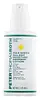
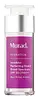
Peter Thomas Roth Max Sheer All Day Moisture Defense® Lotion SPF 30 Sunscreen Lotion Versus Murad Invisiblur Perfecting Shield Broad Spectrum SPF 30 PA+++
This chemical sunscreen covers most of the UV range, lighter on the deep UVA that drives aging.
This chemical sunscreen covers most of the UV range, lighter on the deep UVA that drives aging.

What's inside
What's inside
 Key Ingredients
Benefits
Concerns
Ingredients Side-by-side
Homosalate 10%
Skin Conditioning

Ethylhexyl Methoxycinnamate 7.5%
UV Absorber
Benzophenone-3 6%
UV Absorber
Ethylhexyl Salicylate 5%
UV Absorber
Butyl Methoxydibenzoylmethane 3%
UV Absorber
Octocrylene 2%
UV Absorber
Water
Skin ConditioningPropylene Glycol
Humectant
Glyceryl Stearate
Emollient
PEG-100 Stearate
Surfactant
C12-15 Alkyl Benzoate
AntimicrobialCaprylic/Capric Triglyceride
Masking

Palmitic Acid
Emollient

Phenoxyethanol
Preservative
Stearic Acid
Cleansing
Triethanolamine
BufferingBentonite
Absorbent


Carbomer
Emulsion StabilisingDimethicone
Emollient

Allantoin
Skin Conditioning
PEG-8 Dimethicone
Emulsifying
Aloe Barbadensis Leaf Juice
Skin Conditioning
Cetyl Alcohol
Emollient
Panthenol
Skin Conditioning
Aluminum Starch Octenylsuccinate
Absorbent
Tetrasodium EDTA
ChelatingMyristic Acid
Cleansing
Potassium Sorbate
Preservative
Sodium Benzoate
Masking
Arachidic Acid
Cleansing
Lauric Acid
Cleansing
Ascorbic Acid
Antioxidant





Octyldodecanol
Emollient
Retinyl Palmitate
Skin Conditioning
Silica
Abrasive
Sodium Propoxyhydroxypropyl Thiosulfate Silica
Tocopheryl Acetate
Antioxidant
Ceramide NP
Skin Conditioning
Butylene Glycol
Humectant
Ginkgo Biloba Leaf Extract
Skin Conditioning
Butyl Acetate
MaskingHomosalate 10%, Ethylhexyl Methoxycinnamate 7.5%, Benzophenone-3 6%, Ethylhexyl Salicylate 5%, Butyl Methoxydibenzoylmethane 3%, Octocrylene 2%, Water, Propylene Glycol, Glyceryl Stearate, PEG-100 Stearate, C12-15 Alkyl Benzoate, Caprylic/Capric Triglyceride, Palmitic Acid, Phenoxyethanol, Stearic Acid, Triethanolamine, Bentonite, Carbomer, Dimethicone, Allantoin, PEG-8 Dimethicone, Aloe Barbadensis Leaf Juice, Cetyl Alcohol, Panthenol, Aluminum Starch Octenylsuccinate, Tetrasodium EDTA, Myristic Acid, Potassium Sorbate, Sodium Benzoate, Arachidic Acid, Lauric Acid, Ascorbic Acid, Octyldodecanol, Retinyl Palmitate, Silica, Sodium Propoxyhydroxypropyl Thiosulfate Silica, Tocopheryl Acetate, Ceramide NP, Butylene Glycol, Ginkgo Biloba Leaf Extract, Butyl Acetate
Homosalate 4%
Skin Conditioning
Ethylhexyl Salicylate 4%
UV Absorber
Butyl Methoxydibenzoylmethane 2%
UV Absorber
Octocrylene 2%
UV Absorber
Isododecane
EmollientDimethicone/Bis-Isobutyl PPG-20 Crosspolymer
Emollient
Caprylic/Capric Triglyceride
Masking
Caprylyl Methicone
Skin Conditioning
Phenyl Trimethicone
Skin Conditioning
Diethylhexyl 2,6-Naphthalate
EmollientHydrogenated Soybean Oil
Emollient
Propylene Glycol Dicaprate
EmollientHelianthus Annuus Seed Extract
Skin Conditioning
Ribes Nigrum Seed Oil
Emollient
Octyldodecanol
Emollient
Octyldodecyl Oleate
Emollient
Hydrogenated Soy Polyglycerides
Skin ConditioningPEG-8 Dimethicone
Emulsifying
Parfum
Masking

Limonene
Perfuming
Octyldodecyl Stearoyl Stearate
Emollient
Alcohol
Antimicrobial

Hexyl Cinnamal
Perfuming
Benzyl Benzoate
Antimicrobial
Hordeum Vulgare Extract
EmollientPaeonia Suffruticosa Root Extract
Skin ProtectingMucor Miehei Extract
AstringentTocopheryl Acetate
Antioxidant
Retinyl Palmitate
Skin Conditioning
Ascorbic Acid
Antioxidant
Silica
Abrasive
Sodium Propoxyhydroxypropyl Thiosulfate Silica
Butylene Glycol
Humectant
C15-23 Alkane
SolventCucumis Sativus Fruit Extract
Emollient
Linalool
Perfuming
Rosmarinus Officinalis Leaf Extract
AntimicrobialSolidago Virgaurea Extract
Skin ConditioningLentinus Edodes Extract
Skin ConditioningHomosalate 4%, Ethylhexyl Salicylate 4%, Butyl Methoxydibenzoylmethane 2%, Octocrylene 2%, Isododecane, Dimethicone/Bis-Isobutyl PPG-20 Crosspolymer, Caprylic/Capric Triglyceride, Caprylyl Methicone, Phenyl Trimethicone, Diethylhexyl 2,6-Naphthalate, Hydrogenated Soybean Oil, Propylene Glycol Dicaprate, Helianthus Annuus Seed Extract, Ribes Nigrum Seed Oil, Octyldodecanol, Octyldodecyl Oleate, Hydrogenated Soy Polyglycerides, PEG-8 Dimethicone, Parfum, Limonene, Octyldodecyl Stearoyl Stearate, Alcohol, Hexyl Cinnamal, Benzyl Benzoate, Hordeum Vulgare Extract, Paeonia Suffruticosa Root Extract, Mucor Miehei Extract, Tocopheryl Acetate, Retinyl Palmitate, Ascorbic Acid, Silica, Sodium Propoxyhydroxypropyl Thiosulfate Silica, Butylene Glycol, C15-23 Alkane, Cucumis Sativus Fruit Extract, Linalool, Rosmarinus Officinalis Leaf Extract, Solidago Virgaurea Extract, Lentinus Edodes Extract
Ingredients Explained
These ingredients are found in both products.
Ingredients higher up in an ingredient list are typically present in a larger amount.
Ascorbic Acid is is pure Vitamin C and is the biologically active form used directly by skin.
Not only is vitamin C great for your overall health and immune system, but it also has plenty of benefits for your skin. It is best supported by academic literature for:
Topical vitamin C has been shown to help neutralize oxidative stress from UV and pollution, helping to improve photoaging and hyperpigmentation when used consistently.
One clinical study found that using 5% topical vitamin C for six months improved signs of photodamaged skin, both on the surface and in the deeper structural layers of the skin.
While vitamin C doesn’t replace sunscreen, studies show it can boost photoprotection when combined with Vitamin E and ferulic acid. These two ingredients help improve stability and protective effects.
The big downside of this ingredient is formulation difficulty. Vitamin C is prone to oxidation and doesn't penetrate the skin unless formulated correctly. Research found that vitamin C absorbs into the skin best at a low pH (< 3.5) with about 20% being the upper limit for effective absorption.
Skin levels can saturate after repeated application; this means your skin won’t keep absorbing more once it’s full of vitamin C. This is why more isn’t always better with vitamin C and why very high concentrations don’t necessarily give extra benefits.
Ascorbic acid generally works well with many skincare ingredients but can be irritating when combined with other active ingredients. Strong oxidizing acne treatments like benzoyl peroxide can reduce the effectiveness of vitamin C if they are used at the same time; they are often recommended for use at different times of day.
Read more about other types of Vitamin C:
Foods rich with vitamin C include oranges, strawberries, broccoli, bell peppers, and more. When consuming Vitamin C, your skin receives a portion of the nutrients.
Learn more about Ascorbic AcidAlso known as Avobenzone, this ingredient is an oil-soluble used to absorb the full spectrum of UVA rays (peak 357 nm).
It's one of the most effective UVA filters available but has a major caveat of photostability: avobenzone is susceptible to photodegradation.
This means it can lose efficacy when exposed to sunlight without the help of a stabilizing agent.
Studies show antioxidants (like vitamin E or vitamin C) and some UV filters (like octocrylene and Tinosorb S) can meaningfully improve its stability in a formulation.
The maximum allowable concentration according to regulation is 3% in the US + Canada, and 5% in the EU, Australia, China, Korea, and ASEAN countries.
It has a well-support safety profile: a comprehensive 2025 review found minimal toxicity with no evidence of carcinogenicity.
Overall, avobenzone is a safe and regulated ingredient used in sunscreen for over 40 years.
Learn more about Butyl MethoxydibenzoylmethaneButylene Glycol (or BG) is used within cosmetic products for a few different reasons:
Overall, Butylene Glycol is a safe and well-rounded ingredient that works well with other ingredients.
Though this ingredient works well with most skin types, some people with sensitive skin may experience a reaction such as allergic rashes, closed comedones, or itchiness.
Learn more about Butylene GlycolCaprylic/Capric Triglyceride (aka MCT Oil) is a lightweight emollient, solvent, and texture enhancer. It is considered a skin-softener by helping to prevent moisture loss.
Though it behaves like an oil, it is not technically one due to its chemical composition. One perk of this ingredient is that it is very stable, resistant to oxidation, and unlikely to go rancid.
In practice, that translates to a long shelf life and a consistently elegant skin feel.
While there is an assumption Caprylic Triglyceride can clog pores due to it being derived from coconut oil, there is no research supporting this. Just patch test if you have concerns.
Fractionated coconut oil and MCT Oil are both listed as Caprylic/Capric Triglyceride according to INCI. This is because INCI names are based on the ingredient’s final chemical composition and not its marketing name or source.
This ingredient is treated as the gold standard fungal acne safe oil. Even though it is coconut derived, the problematic lauric acid is stripped out.
This leaves just caprylic (C8) and capric (C10) acid. These chain lengths actually trend antifungal; a 2020 study found caprylic acid was enough to disrupt Malassezia furfur cell membrane, with a caprylic acid derivative damaging membrane structures at concentrations as low as 0.2%.
Learn more about Caprylic/Capric TriglycerideEthylhexyl Salicylate (also called Octisalate or Octyl Salicylate) is an oil-soluble organic UV filter that's been used in sunscreen since the 1950's.
It absorbs UVB light in the 280-320 nm range with a peak absorbance around 306 nm.
You'll often see it paired with other UV filters to boost overall SPF because octisalate is a fairly week filter on its own.
The reason you'll see it so often is because it can help solubilize and stabilize the trickier filters like oxybenzone and avobenzone.
Unlike these filters, octisalate has pretty good photostability and doesn't create skin-damaging free radicals when exposed to sunlight.
The fatty-alcohol part of the molecule also gives it a light, emollient feel so it doubles as a nice texture enhancer.
Usage levels vary around the world:
Safety-wise, this ingredient has a pretty reassuring track record. The EU's Scientific Committee on Consumer Products (SCCP) found very low skin penetration in human skin tests and negative results for irritation, phototoxicity, and photoallergy.
The real-world allergy risk is pretty low too; a 2012 European study of 1,031 people recorded only 2 reactions to it (a rate of 0.19%).
You might have seen scary headlines about sunscreen getting into your blood.
In 2019, the FDA found that several chemical filters can absorb through the skin and show up in the bloodstream at small but measurable levels.
Here's the important part: these tiny levels are just a cutoff the FDA uses to decide which ingredients need more testing and doesn't mean anything harmful was found.
The researchers were clear that the results are no reason to stop wearing sunscreen.
Learn more about Ethylhexyl SalicylateHomosalate is an oil-soluble organic UVB filter that has been a sunscreen staple for decades. Its job is to absorb UVB rays (~295-315 nm) and protect your skin against sunburn,
This is one of the more photostable organic UV filters; it holds up pretty well under UV and a 2022 quantum-chemistry study found it stays stable in sunlight.
It's actually so reliable that formulators often pair it with shakier ingredients like oxybenzone and avobenzone. Formulators also use it to help dissolve the other UV filters into the oil phase.
One thing to keep in mind: "stable" isn't the same as "strong". On its own, homosalate is actually a pretty weak UV filter so it's better off as a helpful team player that helps boost overall SPF protection.
The safety picture is a bit nuanced but not scary.
This ingredient has a long track record of being gentle and regulators agree it isn't an irritant; EU's Scientific Committee on Consumer Safety found that homosalate is not considered a skin irritant and doesn't raise eye-irritation flags either.
There's talk about homosalate because your skin absorbs a little bit of it into your bloodstream. A 2020 FDA-backed study found homosalate showed up in people's blood levels at the level where the FDA decides to double check.
The EU's Scientific Committee on Consumer Safety (SCCS) also found small amounts in blood and breast milk. They estimated that about 5% of what you apply gets absorbed through the skin.
Due to the debate about whether it might mess with hormones, the SCCS recommended a maximum limit of 0.5% in most products of 7.3% in face creams/pump sprays.
One important thing to keep in mind: in the US, Homosalate is currently labeled "non-GRASE" by the FDA. This sounds alarming but really just means the FDA wants more data to confirm it's safe. It's not confidently saying this ingredient is harmful.
As of now, homosalate is still completely legal and widely used while that research gets done.
The current maximum limits are:
Learn more about HomosalateOctocrylene is an oil-soluble organic UV filter that mainly absorbs UVB and short wave UVA II light.
Its real superpower is teamwork: octocrylene is remarkably photostable and is most famous for stabilizing avobenzone (the workhorse UVA filter).
This ingredient is commonly used to enhance both UVB and UVA protection due to its unique property in stabilizing avobenzone. It also pulls double duty by boosting water resistance and giving formulas a smooth, spreadable feel.
The EU's Scientific Committee on Consumer Safety (SCCS) has deemed octocrylene to be safe as a UV-filter at concentrations up to 10% (capped at 9% in propellant sprays). The US also permits it up to 10%.
Two things worth knowing:
You'll usually see this ingredient used in concentrations between 2-10% (higher amounts when used as a stabilizer for avobenzone).
Learn more about OctocryleneOctyldodecanol is a fatty alcohol sourced from plant oils like coconut or palm (or made synthetically).
It is:
You'll likely see this in many BHA products because this is the go-to solvent for salicylic acid.
This ingredient is typically used at levels between 2-20%.
Regarding fungal acne:
In 2019, this ingredient was tested against multiple Malassezia species (the yeast that causes fungal acne) and showed no growth.
Peg-8 Dimethicone is a water-soluble silicone. It reduces tackiness, boosts moisture, and enhances the spreadability of products.
Retinyl Palmitate is a form of retinoid. Retinoids are the superstar class of anti-aging ingredients that include Tretinoin and Retinol.
This particular ingredient has had a bumpy year with its rise and fall in popularity.
First, Retinyl Palmitate is created from Palmitic Acid and Retinol. It is a Retinol ester and considered one of the weaker forms of retinoid.
This is because all retinoids have to be converted to Tretinoin, AKA Retinoic Acid.
Retinyl Palmitate is pretty far down the line and has to go through multiple conversions before its effects are seen. Once it's on your skin, enzymes called esterases convert it into Retinol, then into Retinal, and finally into Retinoic Acid; that's three steps with a little lost at each one.
The benefits of Retinyl Palmitate are debated due to this long and ineffective conversion line.
So why use it at all?
The answer is stability. Retinol and Retinoic Acid break down fast when they hit light, heat, and air, and Retinoic Acid can be pretty irritating on top of that.
Retinyl Palmitate is much more stable and gentler, making it easier to formulate with and easier on sensitive skin (even if it's weaker gram for gram).
Studies show Retinyl Palmitate to help:
Newer research from 2023-2025 also found that Retinyl Palmitate works especially well when paired with Retinol. The two seem to cover each other's weak spots; retinol brings the potency while Retinyl Palmitate brings the stability and gentleness. Together, they repair UV damage better than either one does alone.
This ingredient used to be found in sunscreens to boost the efficacy of sunscreen filters.
The downfall of Retinyl Palmitate was due to released reports about the ingredient being correlated to sun damage and skin tumors.
Most of this traces back to a 2012 US National Toxicology Program (NTP) study where hairless mice coated in Retinyl Palmitate cream and exposed to UV light developed skin tumors faster.
Here's the nuance, though.
When the Cosmetic Ingredient Review (CIR) Expert Panel went back through that study, they found methodological flaws and decided the results couldn't be interpreted as proof of extra risk.
The EU's Scientific Committee on Consumer Safety (SCCS) said the mouse findings might point to a concern but they're hard to apply to humans since hairless mouse skin and human skin behave differently.
While there is a study showing this ingredient to cause DNA damage when exposed to UVA, there is no concrete proof of it being linked to skin cancer. It is completely safe to use when used correctly.
Both the CIR and the SCCS consider it safe at the concentrations used in cosmetics; the SCCS specifically cleared retinoids up to 0.05% in body lotions and 0.3% in face creams, hand creams, and rinse-off products.
As of 2025, the EU has written those limits into law, plus a label warning about your total Vitamin A intake from all sources.
All retinoids increase your skin's sensitivity to the sun in the first few months of usage. Be especially careful with reapplying sunscreen when using any form of retinoid.
One more note: if you're pregnant, high doses of Vitamin A can be a concern, so a lot of people skip topical retinoids (including Retinyl Palmitate) during pregnancy just to be safe. Check with your doctor if you're unsure.
Fun fact: This ingredient is often added to low-fat milk to increase the levels of Vitamin A.
Learn more about Retinyl PalmitateSilica, also known as silicon dioxide, is a naturally occurring mineral. It is used as a fine, spherical, and porous powder in cosmetics.
Though it has exfoliant properties, the function of silica varies depending on the product.
The unique structure of silica enhances the spreadability and adds smoothness, making it a great texture enhancer.
It is also used as an active carrier, emulsifier, and mattifier due to its ability to absorb excess oil.
In some products, tiny microneedles called spicules are made from silica or hydrolyzed sponge. When you rub them in, they lightly polish away dead skin layers and enhance the penetration of active ingredients.
Learn more about SilicaWe don't have a description for Sodium Propoxyhydroxypropyl Thiosulfate Silica yet.
Tocopheryl Acetate is a stable, shelf-friendly form of vitamin E.
Formulators love it because plain vitamin E oxidizes quickly once it hits air. This acetate version stays stable and resists going off, helping to extend a product's shelf life.
It's actually inactive on its own and works like a slow-release "storage" form; the enzymes in your skin called esterases gradually convert it into active vitamin E over time.
One in vivo study showed 5% of the acetate in the living layer of the epidermis converted to vitamin E after 5 days of application. This study also found the skin gained protection against UV damage even though the conversion was slow and small.
Once converted, vitamin E acts as a skin's main fat-soluble antioxidant that fights free radicals to protect skin from damage.
Topical vitamin E generally boosts the skin's photoprotection, and it reduced UV-damage in animal models.
This ingredient has some brightening potential but it's more of a prevention ingredient than spot-fader. Cell studies show it can slow down melanin production but it's worth noting that it's not the most powerful brightener out there.
Overall, it has a pretty solid safety profile and has been found to be non-irritating and non-comedogenic. Allergic reactions may happen but stay rare due to how widely the ingredient gets used.
The concentration will vary depending on the formula; industry data shows 0.1% in baby lotions, 3% in lipsticks, and 5% in foot powders. You can also find this ingredient at 100% in a pure vitamin E oil.
Most leave-on skincare keeps it at the lower end, often between 0.5-1%.
Learn more about Tocopheryl Acetate

